Recycled aluminum cookware has gained popularity as an eco-friendly alternative in modern kitchens. Using recycled materials reduces energy consumption and promotes sustainability, making it appealing to environmentally conscious consumers.
Despite these benefits, questions about safety have emerged. Concerns center around the potential for recycled aluminum to leach harmful metals into food, particularly from low-quality or poorly manufactured products.
Studies indicate that recycled aluminum is widely used in cookware, but proper quality control is essential to prevent health risks (Statista).
Health authorities like the FDA have issued warnings regarding certain imported recycled aluminum cookware. These warnings highlight the potential presence of lead or other toxic metals that could pose risks when used for everyday cooking (allrecipes.com).
Understanding the safety, risks, and proper usage of recycled aluminum cookware is crucial for consumers. Knowing how to identify safe products and maintain cookware correctly ensures both eco-friendly and health-conscious cooking practices.
Understanding Recycled Aluminum Cookware
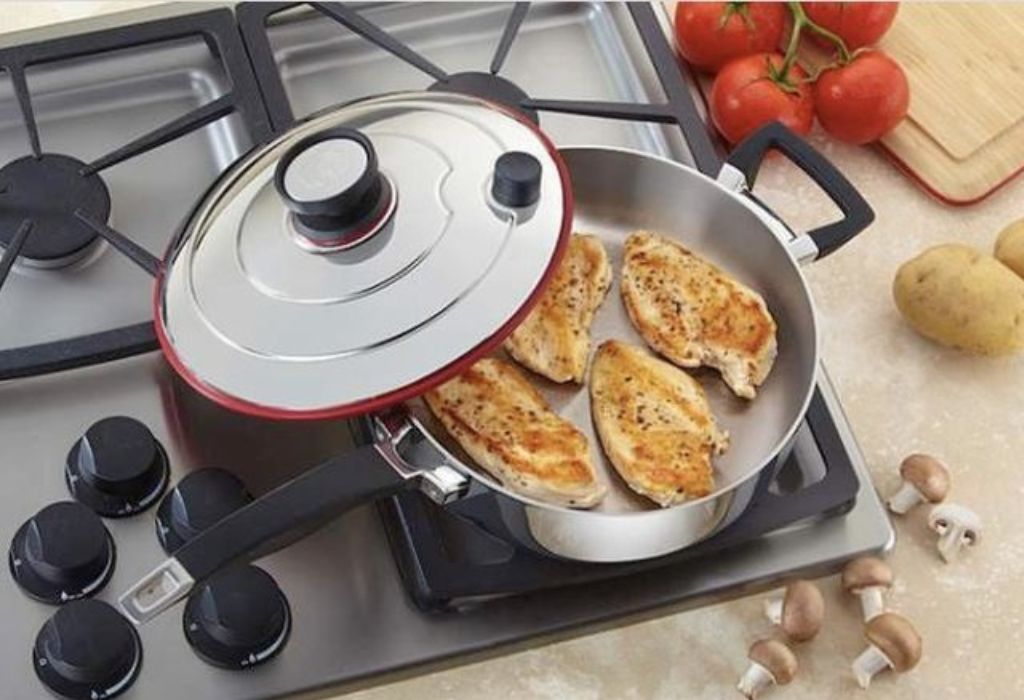
Recycled aluminum cookware is made from aluminum scrap, including used beverage cans and industrial aluminum waste, which is melted down and formed into new pots and pans. This process conserves natural resources and reduces energy consumption compared to producing new aluminum.
During recycling, the aluminum is cleaned, melted, and sometimes alloyed with other metals to enhance durability. While the process can produce safe and high-quality cookware, improper manufacturing or contamination may introduce health risks.
One of the main concerns is the potential presence of residual metals, such as lead, cadmium, or arsenic, in low-quality recycled aluminum. These contaminants can leach into food, particularly when cooking acidic dishes, posing potential health hazards.
Reputable manufacturers implement strict quality control measures to ensure recycled aluminum cookware meets safety standards. Certifications and compliance with FDA or international safety regulations help ensure the product is safe for everyday cooking.
Understanding the composition and processing of recycled aluminum cookware is key for consumers. Awareness of potential risks, combined with careful selection of certified products, allows cooks to enjoy the environmental benefits of recycled materials without compromising health.
Health Risks Associated with Recycled Aluminum Cookware
While recycled aluminum cookware offers environmental benefits, potential health risks should be considered. Metal leaching is a primary concern, especially from low-quality or improperly manufactured cookware.
Lead contamination is a significant risk with some recycled aluminum products, particularly older or imported cookware. Lead can accumulate in the body over time, posing serious health hazards, including neurological issues.
Other metals, such as cadmium and arsenic, may also be present in low-quality recycled aluminum. These contaminants can enter food during cooking, particularly when preparing acidic dishes like tomatoes or citrus.
Using scratched, pitted, or damaged recycled aluminum cookware increases the risk of metal exposure. Health authorities, including Health Canada and the FDA, advise replacing damaged or low-quality aluminum cookware to ensure safety (canada.ca).
Understanding these health risks allows consumers to make informed choices. Selecting certified, high-quality recycled aluminum cookware and avoiding damaged pans reduces exposure to harmful metals while allowing safe, everyday use.
How to Properly Maintain Recycled Aluminum Cookware
Proper maintenance is essential for ensuring the safety and longevity of recycled aluminum cookware. Regular cleaning, careful handling, and proper storage prevent damage and reduce the risk of metal leaching.
Hand washing with mild detergent and a soft sponge is recommended, even if the cookware is labeled as dishwasher-safe. Harsh scrubbing pads or abrasive cleaners can scratch the surface, compromising protective coatings and increasing exposure to metals.
Avoid using metal utensils, which can damage the cookware’s surface. Wooden, silicone, or plastic tools preserve coatings, maintain non-stick properties, and reduce the likelihood of pitting or corrosion.
Storing cookware properly also helps maintain its integrity. Use cloth or silicone separators when stacking pans, and ensure they are stored in a dry area to prevent moisture-related corrosion.
Periodically inspect recycled aluminum cookware for signs of wear, including scratches, pitting, or discoloration. Early detection of damage allows timely replacement, ensuring safe and effective cooking.
By following these maintenance practices, recycled aluminum cookware can remain functional and safe for many years. Regular care preserves both performance and health safety, allowing users to enjoy eco-friendly cookware without compromising wellbeing.
Expert Recommendations for Safe Use
To safely use recycled aluminum cookware, experts recommend regular inspection for signs of wear such as scratches, pitting, or discoloration. Cookware showing significant damage should be replaced to prevent potential metal leaching.
Avoid cooking highly acidic foods like tomatoes, citrus, or vinegar in recycled aluminum cookware. Acidic ingredients can react with the metal, increasing the likelihood of harmful substances entering food.
Use non-abrasive cleaning methods and mild detergents to preserve protective surfaces. Harsh scrubbing or abrasive tools can damage coatings, accelerating wear and increasing health risks.
Selecting certified recycled aluminum cookware from reputable manufacturers is essential. Labels indicating compliance with FDA or international safety standards ensure the cookware meets health and quality requirements.
Occasionally applying a thin layer of oil can help protect the surface and reduce metal exposure during cooking. This practice maintains both safety and cookware longevity, extending the usefulness of recycled aluminum pans.
By following these expert recommendations, consumers can continue to use recycled aluminum cookware safely. Awareness, proper care, and informed selection help minimize health risks while benefiting from eco-friendly cookware.
Tips for Safe Everyday Cooking with Recycled Aluminum Cookware
Using recycled aluminum cookware safely requires mindful cooking habits to minimize health risks. One key recommendation is to avoid cooking acidic foods, such as tomatoes or citrus, which can accelerate metal leaching and compromise safety.
Preheat cookware gradually and avoid exposing it to sudden high heat. Rapid temperature changes can damage coatings, warp the pan, or accelerate wear, reducing its safe lifespan.
Always use appropriate utensils, avoiding metal tools that can scratch the surface. Scratches not only reduce non-stick properties but also increase the chance of contaminants entering food.
Clean the cookware immediately after use, removing any food residues. Prompt cleaning prevents corrosion and helps maintain the protective aluminum oxide layer.
For added protection, occasionally apply a thin layer of cooking oil to the surface. This creates a minor barrier between food and metal, enhancing safety and prolonging the cookware’s usefulness.
By incorporating these safe cooking practices, users can enjoy the benefits of recycled aluminum cookware while minimizing potential health risks. Proper habits combined with regular maintenance ensure safe and efficient everyday cooking.
Signs You Should Replace Recycled Aluminum Cookware
Even with careful use, recycled aluminum cookware has a finite lifespan, and recognizing signs of wear is crucial for safe cooking.
One major indicator is visible pitting or corrosion on the surface. Pitting can trap food particles and bacteria, increasing the risk of contamination and metal leaching.
Discoloration that cannot be removed with gentle cleaning is another warning sign. While minor discoloration is often cosmetic, deep or persistent staining may indicate surface degradation that affects safety and performance.
Warping or misshapen pans can compromise even heat distribution and cooking consistency. Uneven cooking not only affects meal quality but may also accelerate further wear, creating potential safety hazards.
Peeling or flaking coatings are particularly concerning. Damaged coatings can release harmful metals or chemicals into food, especially when the pan is heated to high temperatures.
Cracks or structural damage are definitive signs that replacement is necessary. Any visible cracking can compromise the integrity of the cookware and pose serious health risks.
By paying attention to these signs and acting promptly, home cooks can ensure that their recycled aluminum cookware continues to be safe for everyday use.
Replacing compromised cookware protects both health and cooking quality while allowing the user to continue benefiting from eco-friendly materials without unnecessary risks.
Safer Alternatives to Recycled Aluminum Cookware
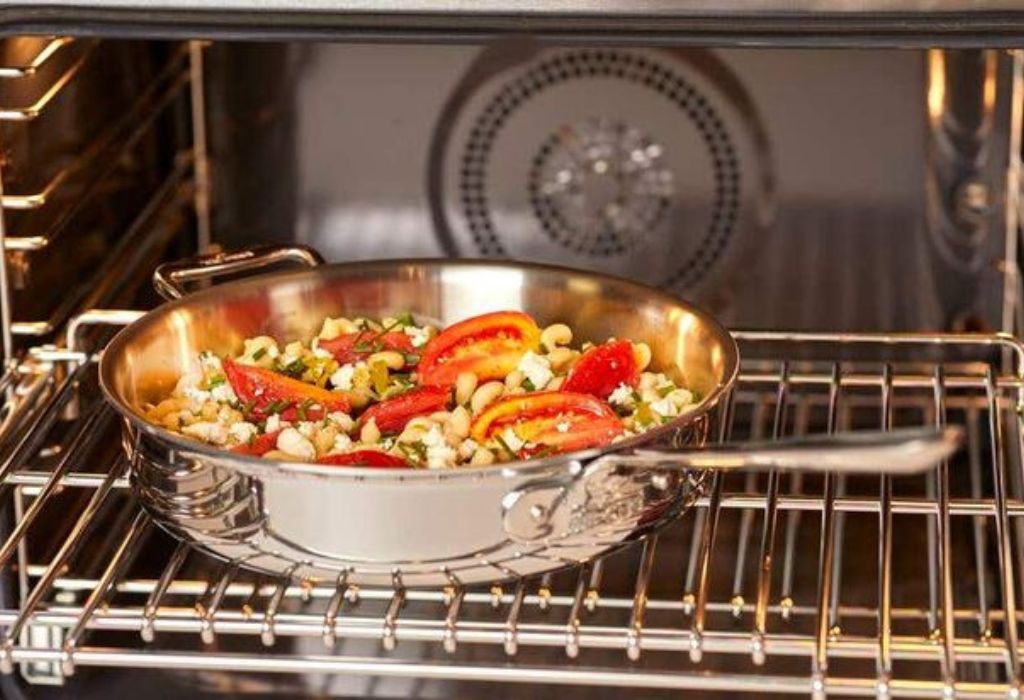
For consumers concerned about the safety of recycled aluminum cookware, several alternative materials provide durability and peace of mind. Stainless steel is a top choice because it is non-reactive, resistant to corrosion, and does not leach metals into food.
Cast iron cookware offers excellent heat retention and, when properly seasoned, provides a natural non-stick surface. Though heavier than aluminum, cast iron is long-lasting and safe for a variety of cooking methods.
Ceramic-coated cookware is another safe option. Modern ceramic coatings are non-toxic, non-reactive, and resistant to scratching, ensuring that metals do not leach into food during cooking.
Enamel-coated cast iron combines the benefits of cast iron with a protective enamel layer. This type of cookware is both durable and non-reactive, offering the performance of cast iron while minimizing the risk of metal exposure.
Transitioning to these safer materials offers multiple benefits, including improved health safety, better durability, consistent cooking performance, and easier maintenance. For eco-conscious cooks, choosing certified, non-toxic alternatives provides peace of mind without sacrificing functionality in the kitchen.
By selecting safer cookware materials, home cooks can continue to enjoy reliable performance and environmental benefits while eliminating the potential risks associated with recycled aluminum. This ensures both safety and efficiency in everyday cooking.
Is recycled aluminum cookware safe for everyday cooking?
Yes, recycled aluminum cookware is safe for everyday use. High-quality brands purify and reprocess the metal to meet strict food-grade standards before turning it into cookware.
What is recycled aluminum cookware made from?
It’s made by melting down post-consumer or industrial aluminum (like cans or scrap metal), purifying it, and reforming it into durable, heat-efficient cookware.
Does recycled aluminum contain contaminants?
No, reputable manufacturers thoroughly refine recycled aluminum to remove impurities, ensuring the final product is clean, non-toxic, and safe for cooking.
Can recycled aluminum cookware leach metal into food?
No, when anodized or coated, recycled aluminum cookware doesn’t leach. The protective layer or ceramic coating seals the metal completely.
Is recycled aluminum as durable as new aluminum?
Yes, recycled aluminum has the same properties as new aluminum—it’s lightweight, strong, and provides excellent heat conduction.
Does recycled aluminum cookware heat evenly?
Absolutely. Just like pure aluminum, it distributes heat evenly across the surface, reducing hot spots and improving cooking consistency.
Is recycled aluminum cookware eco-friendly?
Yes, it’s one of the most sustainable cookware options. Recycling aluminum uses up to 95% less energy than producing new metal and reduces waste.
Can I use recycled aluminum cookware on all stovetops?
It works on gas, electric, and ceramic stoves. For induction cooking, choose models with a magnetic stainless-steel base.
Is recycled aluminum cookware dishwasher safe?
Hand-washing is best. Dishwashers can dull the surface or damage nonstick coatings over time.
Why is recycled aluminum cookware great for everyday cooking?
It’s lightweight, eco-friendly, safe, and performs just as well as traditional aluminum cookware—making it a smart choice for both your kitchen and the environment.
Conclusion
Recycled aluminum cookware can offer environmental benefits, but potential health risks cannot be ignored. Metal leaching, including lead, cadmium, or arsenic, may occur if the cookware is low-quality, damaged, or used improperly.
Consumers should inspect cookware regularly, avoid cooking acidic foods in vulnerable pans, and follow proper cleaning and maintenance practices. Selecting certified, high-quality recycled aluminum cookware from reputable manufacturers further reduces health risks.
For those seeking complete peace of mind, switching to safer alternatives such as stainless steel, cast iron, ceramic, or enamel-coated cookware provides durability, non-reactivity, and reliable performance. These materials allow safe, everyday cooking without concerns about metal contamination.
Making informed decisions about cookware ensures both health and kitchen efficiency. Awareness, careful use, and timely replacement help consumers enjoy the benefits of eco-friendly cookware while minimizing potential risks.

I’m Emma J. Caldwell, the founder, lead writer, and home-cooking enthusiast behind KitchenGuideCo.com. With a background in culinary arts and over a decade of cooking experience in both professional and personal kitchens, I created this platform to demystify recipes, offer smart kitchen gadget reviews, and guide readers through meal prep with confidence and clarity.