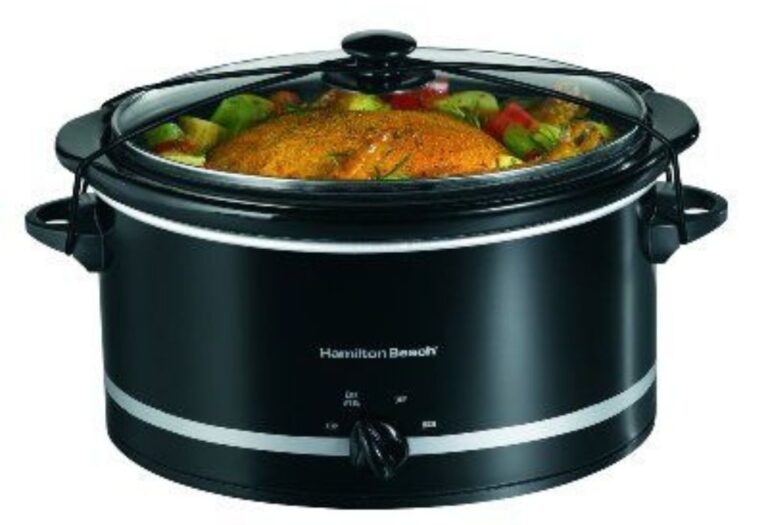
Cooking at home is great, but sometimes we worry about safety. A common question, especially for new cooks, is is rice cooker safe to leave on? It’s understandable to wonder if leaving a kitchen appliance running all day is okay. This guide is here to help you. I’ll walk you through everything you need to know, from how rice cookers work to keeping your kitchen safe. Next, we’ll explore the ins and outs of this common appliance and how to use it safely.
How Rice Cookers Operate
Rice cookers are simple appliances that make cooking rice easy. They work by using a heating element at the bottom to boil water and cook the rice. Once the water is absorbed or boiled away, a sensor detects the change in temperature. This triggers the cooker to switch to a “keep warm” setting. On this setting, a lower level of heat is maintained, keeping the rice at a safe temperature for serving. The simplicity of their design is what makes them popular, but it’s important to know the basics to use it securely. Many modern cookers have a thermostat, which adds an extra layer of safety. The basic idea remains the same: heat, cook, and then warm.
The Heating Process Explained
The heating element is the heart of any rice cooker. It’s usually a coil located at the bottom of the cooker. When you turn it on, electricity flows through the coil, generating heat. This heat transfers to the inner pot, where the rice and water are. The heat boils the water, creating steam and cooking the rice. The amount of heat is carefully calibrated to cook the rice evenly. Different types of rice might require different levels of heat or cooking times. It is vital to note that some cookers may have variations in the heating process, such as induction heating. This uses magnetic fields to heat the pot directly. This method offers improved efficiency and more even cooking.
- Direct Heat: Traditional rice cookers use a heating element directly under the inner pot. This method is straightforward and efficient at cooking rice. The bottom-up heat distribution is typically very effective.
- Induction Heating: More advanced cookers use induction. This uses electromagnetic energy to heat the pot. This type of heating offers precise temperature control and even cooking.
- Heat Distribution: Even heat distribution is essential for cooking rice correctly. Cookers are designed to ensure the heat spreads evenly throughout the pot, preventing any uncooked or burnt parts of the rice.
- Thermostats: Most cookers have a thermostat to control the heat. This helps regulate the cooking process and prevents overheating. The thermostat ensures the rice is cooked to perfection and not burned.
- Insulation: Good insulation is also important. This keeps the heat inside the cooker, using energy efficiently and maintaining a consistent cooking temperature.
The “Keep Warm” Function and Its Purpose
The “keep warm” function is a key feature of most rice cookers. Once the rice is cooked, the cooker automatically switches to this setting. This setting uses a much lower level of heat to maintain the rice at a serving temperature. The “keep warm” function prevents the rice from cooling down and becoming hard. It also prevents bacterial growth. The length of time rice can be safely kept warm depends on the model. However, it’s generally safe for several hours. It’s important to note that the quality of the rice can decrease over time. The moisture content of the rice can change. This causes it to become dry if left for too long. Checking the quality of the rice and ensuring the cooker is working correctly are key.
- Temperature Control: The keep-warm setting maintains the rice at a temperature that prevents bacteria growth. This is usually around 135°F (57°C) or higher. Proper temperature control ensures the rice is safe to eat.
- Moisture Retention: The keep-warm function also helps retain moisture, which keeps the rice from drying out. This maintains the texture of the rice, making it soft and fluffy. The lid of the rice cooker plays a crucial role in trapping moisture.
- Duration Limits: Although the function is convenient, it’s not designed for indefinite use. Most manufacturers recommend not leaving rice in the keep-warm mode for longer than 12 hours. Prolonged use can affect the quality and safety of the rice.
- Power Usage: The keep-warm setting uses very little power. So, the cost is minimal. This is a big advantage for those who want to prepare rice in advance.
- Safety Features: Modern cookers have several safety features, such as automatic shut-off. This adds an extra layer of protection if something goes wrong.
Is It Safe to Leave a Rice Cooker On? Assessing Risks
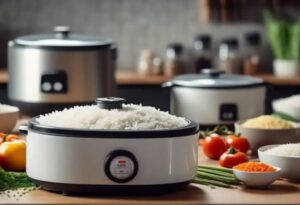
The safety of leaving a rice cooker on depends on several factors, including the model of the cooker, how long it’s left on, and the condition of the appliance. Newer cookers typically have safety features, such as automatic shut-off and thermostats, which help mitigate risks. Older models may lack these features, potentially posing more significant risks. Even with safety features, there are a few points to consider. Understanding the potential risks and taking precautions can help you use your rice cooker safely. The goal is to balance convenience with safety.
Potential Hazards of Extended Use
Leaving a rice cooker on for an extended period, especially on the “keep warm” setting, poses several potential hazards. These hazards range from food safety concerns to electrical safety risks. While many modern cookers are designed with safety features, understanding these risks helps ensure safe usage. Potential problems include the risk of bacterial growth, the possibility of the appliance overheating, and the potential for a fire hazard if the cooker malfunctions. Regular maintenance and careful observation can minimize these risks.
- Food Safety: Rice left in the keep-warm mode for too long can become a breeding ground for bacteria. Bacillus cereus, a common bacterium, can cause food poisoning. It can grow in cooked rice if left at room temperature for more than two hours. Even the keep-warm setting may not eliminate this risk after several hours.
- Overheating: Prolonged use, especially in cookers without adequate safety features, can lead to overheating. This can damage the appliance and potentially cause a fire. The heating element is the most vulnerable part of the cooker in this case.
- Electrical Issues: Electrical components can degrade over time. Leaving a cooker on for extended periods can increase the risk of electrical faults. These faults can lead to sparks or short circuits, which pose a fire hazard.
- Appliance Wear and Tear: Regular use puts wear on the cooker. Leaving it on for extended times accelerates this process, shortening the appliance’s lifespan. Regularly checking the cooker’s condition helps avoid problems.
- Energy Consumption: Leaving the cooker on continuously uses electricity, increasing your energy bill. While the keep-warm setting uses less power than the cooking setting, it still consumes energy.
Factors Influencing Safety
Several factors can influence the safety of leaving a rice cooker on. These factors include the cooker’s age, its features, and the environment in which it’s used. Modern cookers are generally safer due to built-in safety mechanisms. Understanding these factors and taking precautions will keep you safe. Regular maintenance and attentive use will help extend the life of your cooker. Taking these points into account minimizes risks and makes your cooking experience safer.
- Appliance Age: Newer cookers tend to have more advanced safety features. Older models might lack these, which increases the potential risk. Regularly check the age and condition of your rice cooker.
- Safety Features: Look for cookers with features like automatic shut-off and thermostats. These add layers of protection. Automatic shut-off prevents overheating, and thermostats regulate temperature.
- Ventilation: Ensure the cooker has adequate ventilation. Do not place it in enclosed spaces, which can cause heat to build up. This is especially vital when using the keep-warm setting.
- Environmental Conditions: Avoid using the cooker in humid environments. Moisture can damage the electrical components. Ensure the area around the cooker is clean and dry.
- Regular Maintenance: Regular cleaning and inspection of your cooker can help identify any potential issues early. This includes checking the power cord for damage and inspecting the heating element.
Safety Measures and Best Practices
To ensure safe rice cooker use, some practices are essential. These practices involve the correct use of the appliance. They also involve regular maintenance and an awareness of potential problems. Following these steps helps minimize any risks associated with leaving a rice cooker on. The goal is to provide a reliable and safe cooking experience. Combining simple habits with appropriate care will go a long way in ensuring safety.
Recommended Use and Precautions
Adopting certain practices will significantly improve your safety. These include properly preparing the rice, using the cooker as directed, and keeping an eye on the appliance. These practices ensure the appliance is used in the safest way possible. They also prolong its lifespan. Following these guidelines will give you peace of mind while using your rice cooker. Using it with care will result in safe, delicious meals.
- Read the Manual: Always read the manufacturer’s instructions before using your rice cooker. This provides information about safe use, maintenance, and potential warnings. Following the manual will help prevent accidents.
- Proper Rice Preparation: Always rinse rice before cooking to remove excess starch. This helps in even cooking. Proper preparation also prevents the rice from sticking to the bottom of the pot.
- Use the Correct Water Ratio: Using the right amount of water is key to cooking rice. Too much or too little water can affect cooking. It can also create potential safety issues. Always follow the guidelines in your cooker’s manual.
- Avoid Overfilling: Never overfill the rice cooker. Overfilling can cause the contents to boil over, creating a mess and potential safety hazard. Check the maximum fill line on the inner pot.
- Supervise the Cooker: While the cooker is designed to be left on, it’s wise to supervise it. Check the cooker periodically while in use. Inspect for any unusual behavior or smells.
Maintenance and Regular Checks
Regular maintenance and checks are essential to the safety of your rice cooker. These tasks will extend the life of your appliance. They also ensure it continues to function safely. Consistent care and attention will minimize safety risks. Regular inspections allow you to catch potential problems early. This helps avoid more serious issues. This attention to detail will keep your cooker running safely and efficiently.
- Cleaning: Clean your rice cooker after each use. Remove the inner pot and wash it thoroughly. Clean the lid and the heating element to remove any food particles.
- Inspect the Power Cord: Regularly check the power cord for any damage. Check for fraying, cracks, or exposed wires. Replace the cord if any damage is noticed.
- Check the Heating Element: Make sure the heating element is clean and free of debris. Wipe it with a damp cloth to remove any buildup. Debris can affect the heating process.
- Test the “Keep Warm” Function: Periodically test the “keep warm” function to ensure it’s working correctly. The rice should remain warm but not too hot or dry.
- Look for Unusual Signs: Watch out for any unusual signs during operation. These include strange smells, smoke, or overheating. These signs may indicate a problem.
Alternatives to Leaving the Rice Cooker On
There are several alternatives to leaving your rice cooker on for extended periods. These alternatives help maintain food safety and reduce potential risks. They allow you to enjoy freshly cooked rice whenever needed. These methods provide flexibility and convenience. They also make sure your rice is safe and delicious. By exploring these alternatives, you can decide the best option.
Ways to Handle Cooked Rice Safely
Proper storage is important in preventing spoilage. It also ensures the rice stays fresh and safe to eat. These methods involve immediate action after the rice is cooked. They also help maintain the quality of the rice. By using the right practices, you can enjoy rice without any risks. These practices will also keep your meals delicious.
- Immediate Cooling: After cooking, allow the rice to cool quickly. Spreading the rice on a baking sheet will speed up the process. Quickly cooling helps to limit the growth of bacteria.
- Proper Storage: Store cooked rice in an airtight container in the refrigerator within one hour. This prevents the rice from drying out. It also prevents the growth of bacteria.
- Refrigeration Duration: Cooked rice can be safely stored in the refrigerator for up to four days. This is a good time frame to avoid any spoilage. Make sure to consume the rice within this period.
- Freezing: For longer storage, freeze cooked rice in a freezer-safe container or bag. Rice can be frozen for up to a month without losing too much quality. Make sure to thaw the rice completely before reheating.
- Reheating: When reheating rice, ensure it is heated thoroughly until steaming hot. This will kill any bacteria. Make sure the internal temperature reaches at least 165°F (74°C) for safe consumption.
Using Timers and Scheduled Cooking
Timers and scheduled cooking features give you more control over the cooking process. These methods allow you to have freshly cooked rice. They also help to avoid leaving the cooker on for extended periods. This makes rice preparation safer and more convenient. By using these features, you can enjoy perfectly cooked rice. They also offer flexibility.
- Timer Function: Use a rice cooker with a timer function to start cooking rice at a specific time. This lets you prepare rice just before you need it. This reduces the time the rice sits in the keep-warm mode.
- Scheduled Cooking: Some cookers have scheduled cooking features. This will set your cooker to cook rice automatically. This is perfect for busy schedules. Set the cooker, and the rice is ready when you are.
- Manual Timer: Use an external timer to limit the time the rice cooker is on. Set the timer to turn off the cooker after the rice is cooked. This eliminates the need to keep it on all day.
- Planning Ahead: Cook rice just before mealtime instead of cooking it in advance. This ensures freshness. It also reduces the time the rice is kept warm or stored.
- Meal Prep: Cook large batches of rice and store them in the refrigerator or freezer. This lets you quickly reheat rice when needed. It’s a great option for meal prepping and busy days.
Frequently Asked Questions
Question: How long can I safely leave rice in the “keep warm” mode?
Answer: Most manufacturers recommend not leaving rice in the “keep warm” mode for longer than 12 hours. This time can vary depending on the cooker model. It is best to consume the rice within a few hours to maintain its quality and avoid any bacterial growth.
Question: What is the best way to store leftover cooked rice?
Answer: The best way is to cool the rice quickly, then store it in an airtight container in the refrigerator within one hour. Properly stored, rice can last for up to four days in the refrigerator.
Question: Can I freeze cooked rice?
Answer: Yes, you can freeze cooked rice. Place it in a freezer-safe container or bag. It can stay frozen for up to a month. Thaw the rice completely before reheating.
Question: What safety features should I look for when purchasing a rice cooker?
Answer: Look for features such as automatic shut-off and a thermostat. These features help regulate the cooking temperature and prevent overheating. These features provide an added layer of safety.
Question: What are the signs that my rice cooker might be malfunctioning?
Answer: Watch out for unusual smells, smoke, or overheating. These are all signs of a possible malfunction. If you notice any of these, unplug the cooker immediately and stop using it until it is checked.
Final Thoughts
So, is rice cooker safe to leave on? The answer depends on a few things. Modern rice cookers, equipped with safety features, are generally safe for reasonable periods. However, prolonged use, especially on the “keep warm” setting, does come with some risks. These include the possibility of bacterial growth in the rice and electrical safety hazards. To use your rice cooker safely, always read the manual. Be sure to clean your appliance regularly. Think about using a timer or only cook rice just before you need it. Storing leftover rice correctly is also a key factor. By taking these simple steps, you can enjoy delicious, perfectly cooked rice. Cooking at home should be a fun and safe experience. Enjoy your meals with confidence!

I’m Emma J. Caldwell, the founder, lead writer, and home-cooking enthusiast behind KitchenGuideCo.com. With a background in culinary arts and over a decade of cooking experience in both professional and personal kitchens, I created this platform to demystify recipes, offer smart kitchen gadget reviews, and guide readers through meal prep with confidence and clarity.