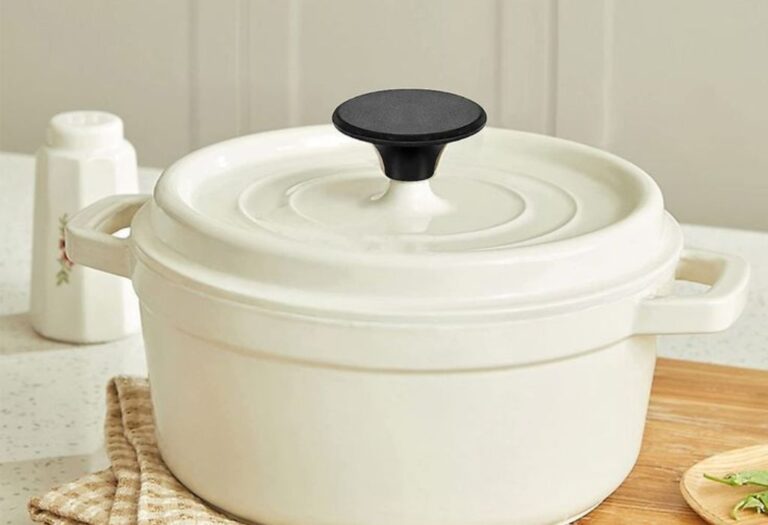
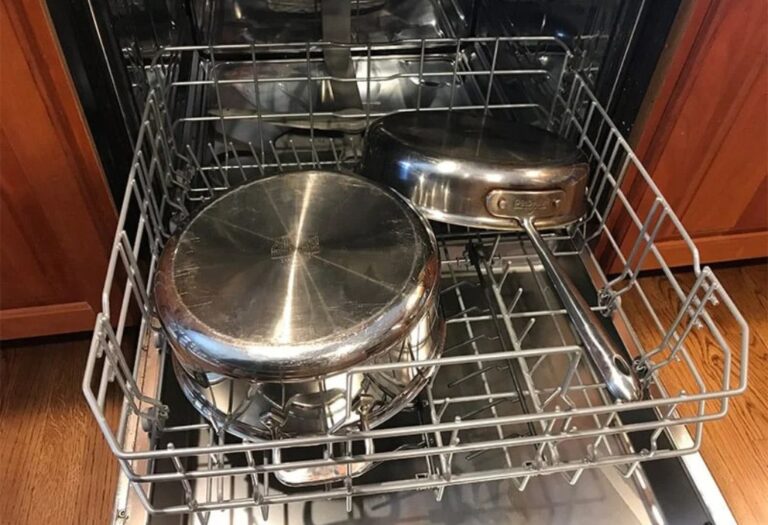
A favorite Dutch oven often tells the story of countless family dinners. Over time, however, scratches or chips appear on the once flawless enamel surface, raising an important question: is scratched enamel cookware safe to use for cooking?
The concern is real because enamel serves as a protective barrier over the metal core. Once damaged, there is uncertainty about food safety, potential metal exposure, and whether the cookware can still be trusted for daily use.
Statistics show that cookware safety ranks among the top concerns for over 40% of home cooks, with durability and non-toxicity being key priorities (Statista 2023 report). At the same time, brands like Le Creuset and Lodge emphasize that chipped interior enamel should never be ignored, as it may expose reactive metal or create sharp edges (Le Creuset Care Guide).
Curiosity grows as people discover that not all scratches are the same. Light surface scuffs may only be cosmetic, while deeper chips can compromise the non-reactive barrier and shorten the cookware’s lifespan. Knowing the difference prevents unnecessary replacements while ensuring kitchen safety.
The good news is that experts, manufacturers, and food safety agencies provide clear guidelines on when cookware remains safe and when it should be retired. Understanding these factors helps protect both meals and health while extending the life of beloved enamel pots and pans.
Is Scratched Enamel Cookware Safe? The Short Answer
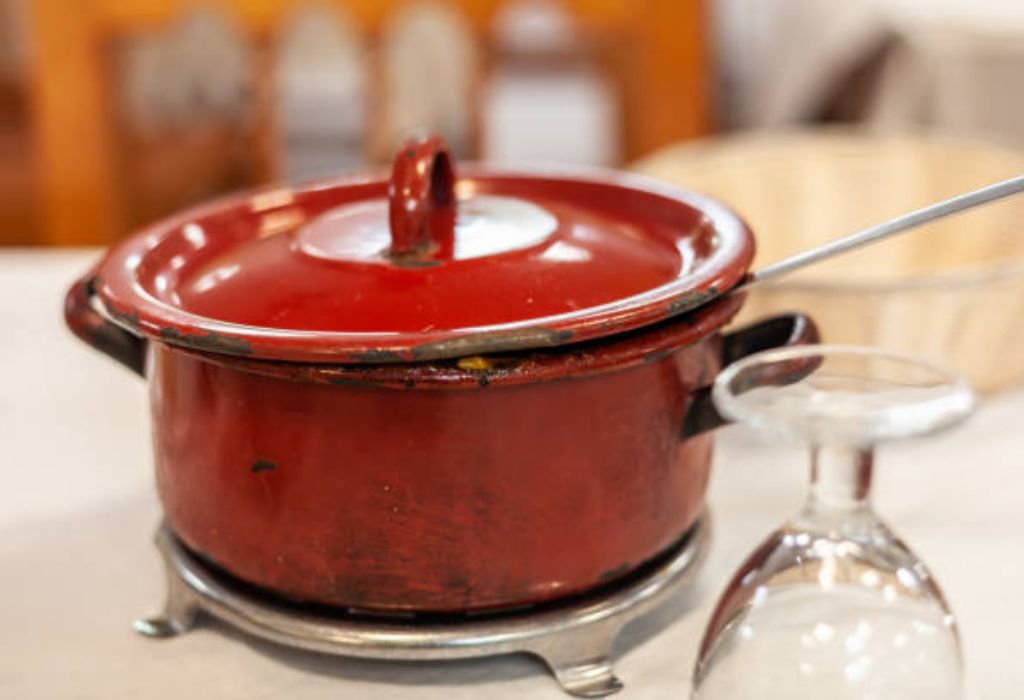
A pot with light scratches may look worn but often keeps its cooking performance intact. The real question is whether those marks affect safety or food quality.
Enamel is a non-reactive coating fused to metal, designed to prevent direct contact between food and the metal core. A superficial scratch rarely breaks through this barrier, meaning the cookware usually remains safe.
The concern begins when deep scratches or chips expose the dark metal layer underneath. Once the metal is exposed, acidic foods like tomatoes or vinegar can react with it, leading to discoloration, metallic taste, or rust over time.
Manufacturers like Le Creuset clearly state that interior chips require immediate attention. Cooking on damaged surfaces can introduce loose enamel fragments into food and compromise safety.
What counts as a scratch versus a chip?
A scratch marks the surface, while a chip removes enamel completely, sometimes exposing metal.
Is scratched enamel cookware safe if no metal shows?
Yes, light scratches are generally cosmetic and safe for cooking.
Are interior chips safe to ignore?
No, stop using cookware if enamel is missing on the cooking surface.
Can small scratches spread with time?
Yes, thermal shock or repeated impacts can make existing damage worse.
Is exterior chipping a safety issue?
Usually not, but keep the exposed rim dry to prevent rusting.
How Enamel Works and Why Scratches Matter
Enamel cookware combines beauty and function in a single design. A tough metal core, usually cast iron or steel, is coated with a layer of porcelain enamel to create a smooth, non-reactive cooking surface.
This enamel barrier prevents food from touching the underlying metal, which could otherwise react with acidic ingredients or develop rust. It also provides a hard, glossy finish that resists sticking and staining when properly cared for.
Scratches matter because they determine whether the protective layer remains intact. A light scratch that does not break through the enamel is mostly cosmetic, while a chip or deep cut can expose the metal core to moisture, acids, and bacteria.
Over time, exposure to high heat, abrasive cleaning tools, or dropping the cookware can damage the enamel layer. Once compromised, the cookware may lose its non-reactive properties and become harder to maintain.
What is enamel exactly?
Enamel is a glass-like coating fused to metal at high temperatures.
Why does enamel prevent reactivity?
It seals the metal surface, stopping contact between food and the core.
Do all scratches expose metal?
No, only deep chips or severe cuts reach the base material.
Can acidic foods worsen exposed areas?
Yes, they react with metal, causing discoloration and rust.
Does heat make scratches worse?
Extreme heat can expand cracks and lead to further chipping over time.
Risk Checklist — When to Keep, Repair, or Retire
Scratches and chips on enamel cookware do not always mean the end of its cooking life. The key is knowing which signs point to cosmetic damage and which indicate real safety risks.
Superficial scratches that leave the surface smooth usually do not affect safety. However, chips, deep cuts, or exposed metal edges require serious attention because they can change how the cookware interacts with food.
Keeping a clear checklist helps prevent accidental health risks and unnecessary replacements. It also ensures beloved enamel pieces remain safe for family meals.
Is scratched enamel cookware safe if the scratch is small?
Yes, as long as the scratch does not expose dark metal underneath.
When should cookware be repaired?
Repair or warranty claims apply if the enamel chips on the cooking surface or sharp edges appear.
Is it safe to keep cookware with exterior chips?
Yes, but keep exposed areas dry to prevent rust on the outer rim.
When should cookware be retired?
Retire it if chips shed enamel fragments or the metal core reacts with food.
Do brands offer warranty coverage?
Many brands replace cookware with interior enamel damage under lifetime or limited warranties.
Safe Use & Cleaning to Avoid Scratches and Chips
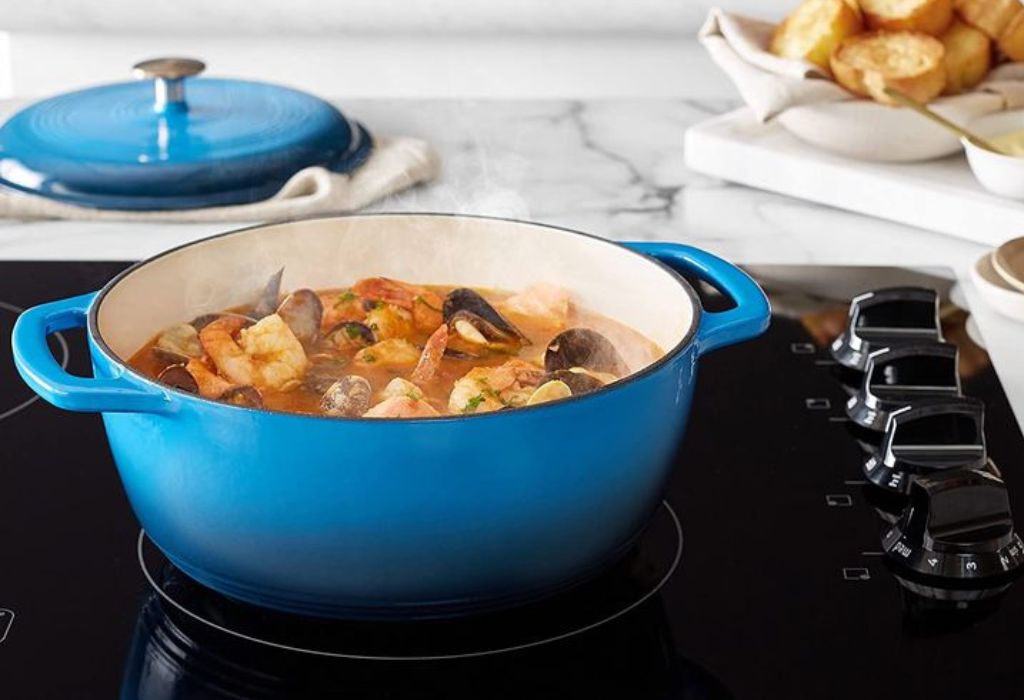
Most scratches on enamel cookware come from everyday cooking habits or cleaning mistakes. Preventing them is easier than repairing or replacing damaged cookware later.
Gentle cooking and cleaning practices keep the protective enamel layer intact for years. This means choosing the right utensils, cleaning products, and cooking techniques that protect rather than harm the surface.
High heat, metal utensils, and harsh abrasives are the leading causes of enamel scratches. Avoiding these risks helps maintain both the safety and the shine of the cookware.
What utensils are best for enamel cookware?
Use wooden, silicone, or plastic utensils to prevent scratches.
Can dishwashers damage enamel surfaces?
Hand washing with mild soap is safer and prolongs the life of enamel cookware.
Are abrasive cleaners safe for enamel?
No, use soft sponges and non-abrasive cleaners to avoid damaging the surface.
Does sudden temperature change cause scratches?
Thermal shock can weaken the enamel, leading to chips or cracks over time.
Is regular cleaning important?
Yes, cleaning after each use prevents food residues from hardening and causing surface damage.
Is Scratched Enamel Cookware Safe with Acidic Foods?
Cooking with ingredients like tomatoes, wine, or vinegar brings bold flavors but also raises a key concern. Acidic foods can react with exposed metal if enamel protection is compromised.
Light scratches that do not cut through the enamel layer usually pose no risk. The smooth, non-reactive coating keeps acidic ingredients from touching the metal underneath.
Trouble begins when a deep chip exposes bare metal. Acidic sauces can then discolor the cookware, create a metallic taste, and shorten its lifespan.
Can light scratches handle acidic foods safely?
Yes, if the enamel layer is intact, there is no direct contact with the metal.
What happens if metal is exposed?
Acidic foods may cause corrosion, rust, and a metallic aftertaste.
Are chipped interior surfaces safe for cooking?
No, cooking acidic foods on exposed metal should be avoided.
Do acidic ingredients make scratches worse?
They can, especially if the damage reaches the metal core.
Is there a quick way to test safety?
Check for dark spots or rough edges; these usually signal exposed metal.
Brand Policies & Safety Disclosures
Enamel cookware brands provide clear guidelines on scratches, chips, and overall safety. These policies help owners decide whether their cookware can still be used or should be replaced.
Manufacturers like Le Creuset, Lodge, and Staub emphasize that interior chips exposing metal require immediate attention. Some even offer warranty coverage when damage results from normal household use.
Safety disclosures from cookware companies also confirm that reputable enamel coatings are tested to meet food safety regulations, including lead-free and cadmium-free standards.
Do brands replace damaged cookware under warranty?
Yes, many offer lifetime or limited warranties for interior enamel chips caused by manufacturing defects.
Are small scratches covered by warranties?
No, light cosmetic scratches are typically not covered as they do not affect cookware safety.
Do brands confirm cookware is lead-free?
Yes, quality enamel cookware meets strict food safety guidelines and contains no harmful lead or cadmium.
Do manufacturers allow exterior chips?
Exterior chips are considered cosmetic, but interior enamel damage often requires replacement.
Are there chemical safety disclosures?
Yes, some brands publish PFAS and material safety disclosures for transparency.
Future-Proofing Your Enamel — Storage, Heat, Utensils
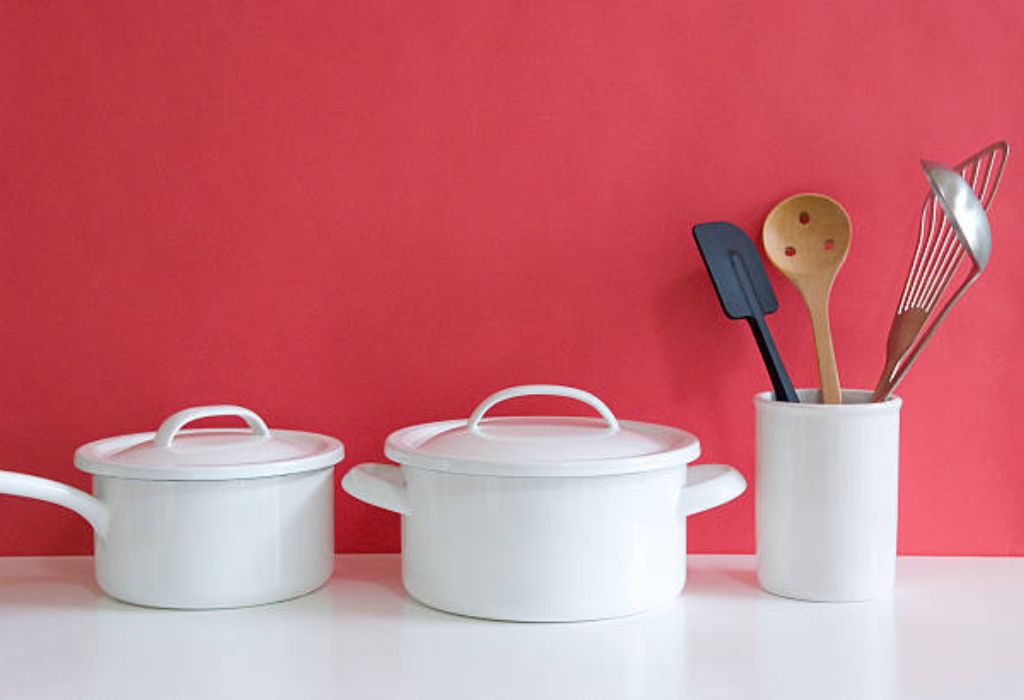
Preventing scratches and chips begins with proper care every time cookware is used or stored. Simple habits reduce the risk of damage and help enamel surfaces stay smooth and durable for decades.
High heat, poor storage, and the wrong utensils are leading causes of long-term wear. By making small adjustments, owners can protect both the cooking surface and the overall appearance of their enamel cookware.
Stacking cookware without protection often leads to chips along rims and lids. Sudden temperature changes, like running cold water into a hot pot, can also cause cracks in the enamel layer.
What is the best way to store enamel cookware?
Use cloth protectors or soft pads between stacked pots to avoid scratches.
Can high heat damage enamel surfaces?
Yes, cooking on medium heat is recommended to prevent cracks and discoloration.
Do lids cause chips during storage?
Yes, store lids separately or with padding to avoid rim damage.
Which utensils protect enamel coatings?
Wooden, silicone, or nylon utensils prevent scratches during cooking.
Does rapid cooling harm enamel?
Yes, thermal shock from extreme temperature changes weakens the surface over time.
Conclusion — Is Scratched Enamel Cookware Safe?
Scratched enamel cookware often raises questions about health, safety, and longevity. Some scratches are harmless, while others signal it is time to repair or replace the cookware.
The key factor is whether the enamel layer remains intact. Light surface scratches that do not expose the metal core are usually safe, while deep chips or flaking enamel require immediate attention.
Acidic foods, high heat, and abrasive cleaning methods can all worsen existing damage. Preventing these risks ensures cookware stays safe for daily use and keeps its non-reactive cooking surface intact.
Manufacturers and food safety agencies consistently advise retiring cookware when interior enamel chips expose dark metal or create sharp edges. These areas not only risk corrosion but can also contaminate food if loose fragments break away.
Regular inspections, gentle cleaning, and correct storage practices extend the lifespan of enamel cookware significantly. Choosing wooden or silicone utensils, avoiding thermal shock, and following brand care instructions all help maintain safety and appearance.
Ultimately, enamel cookware remains one of the most durable and reliable kitchen investments when properly cared for. By recognizing the difference between cosmetic wear and real safety hazards, owners can protect both their meals and their cookware for years to come.

I’m Emma J. Caldwell, the founder, lead writer, and home-cooking enthusiast behind KitchenGuideCo.com. With a background in culinary arts and over a decade of cooking experience in both professional and personal kitchens, I created this platform to demystify recipes, offer smart kitchen gadget reviews, and guide readers through meal prep with confidence and clarity.