Silicone has become a staple in modern kitchens. From colorful baking mats and cupcake molds to flexible spatulas and air fryer baskets, this versatile material has replaced traditional metal and plastic tools for its convenience and resilience.
But after every baking session or dinner rush, one question always arises: is silicone dishwasher safe?
The short answer is yes — but with a few precautions. While silicone is highly heat resistant and waterproof, improper cleaning cycles can shorten its lifespan or leave behind sticky residue.
Understanding how dishwashers affect silicone helps you protect your favorite tools and keep them hygienic for years.
Unlike metal pans, silicone bakeware doesn’t rust or warp. It can handle temperatures from freezing cold to oven-hot, often up to 450°F.
However, detergent strength, rack placement, and heat cycles matter more than most people realize. With the right cleaning method, your silicone molds will stay spotless, odor-free, and perfectly flexible.
In this complete guide, we’ll cover everything you need to know about washing silicone safely — from baking mats to spatulas, from stubborn grease removal to storage tips.
Whether you’re a home baker or a professional chef, you’ll learn how to keep your silicone tools clean, shiny, and ready for your next creation.
Is Silicone Dishwasher Safe?
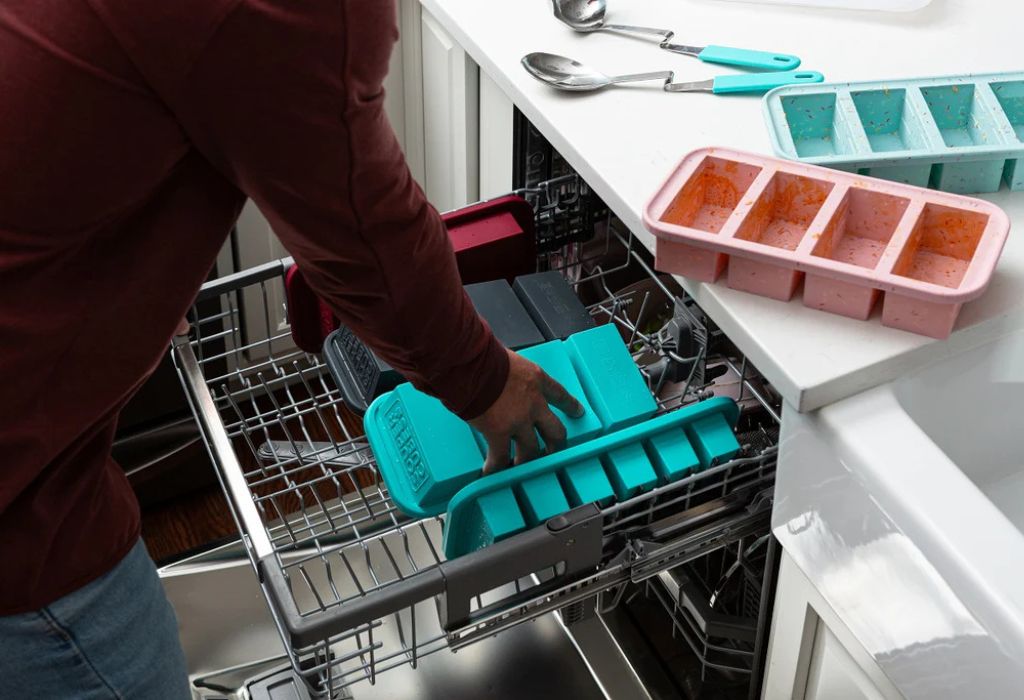
Yes, most silicone products are completely dishwasher safe. High-quality food-grade silicone is made to withstand extreme temperatures and does not deform or leach chemicals. This includes spatulas, baking mats, molds, oven mitts, and silicone rings.
Silicone’s nonporous structure prevents water absorption, which makes it naturally resistant to bacteria and stains. This means you can safely place it on either the top or bottom rack of your dishwasher without damage. However, repeated exposure to harsh detergents or direct contact with heating elements can reduce its shine or elasticity over time.
To get the best results, always check the manufacturer’s label. Some cheaper silicone blends contain fillers that degrade faster under intense heat. True 100% food-grade silicone remains flexible, odor-free, and stable for years even after hundreds of washes.
Can all silicone go in the dishwasher?
Yes, but ensure it’s labeled food-grade and heat resistant.
Does dishwasher heat damage silicone?
No, not if cycles stay below 450°F. Avoid direct contact with the heater.
Should silicone go on the top or bottom rack?
Top rack is safer for lightweight utensils and baking mats.
Can colored silicone fade in the dishwasher?
Rarely, but exposure to strong detergents can dull bright colors.
Do I need to pre-rinse silicone before dishwashing?
Yes, rinse off grease or food for a spotless finish.
How Dishwashers Clean Silicone
Dishwashers rely on a mix of hot water, detergent, and steam to remove grease and residue. While silicone can handle this environment well, it tends to repel water more than metal or glass. This means leftover oil or soap can cling to its surface if not washed properly.
During the cycle, detergent enzymes break down food particles, but oily residue often resists full removal from silicone’s slightly tacky texture. The best solution is to load silicone items loosely, ensuring they don’t overlap or trap detergent.
Because silicone is lightweight, it may move around during washing. Secure smaller items between heavier utensils or place them in a mesh basket to prevent flipping over. This ensures even cleaning and thorough rinsing.
After washing, leave the dishwasher door open for a few minutes to let steam escape. Trapped moisture can cause a thin film on silicone surfaces, leading to spots or faint odors.
Why Silicone Sometimes Feels Sticky After Dishwashing
A common complaint after washing silicone is that it feels greasy or sticky, even when clean. This happens when detergent fails to fully dissolve residual oils, especially from baked goods or frying. Silicone’s slightly non-stick nature actually traps these oils instead of repelling them.
Dishwasher cycles may not always reach enough heat to melt off stubborn fats. When combined with detergent residue, this creates a thin sticky film. You can easily fix this by soaking the silicone in hot water with a bit of white vinegar for 15 minutes.
Alternatively, sprinkle baking soda on the surface, rub gently, and rinse thoroughly. This neutralizes leftover grease and restores the smooth, matte texture.
To prevent recurrence, pre-rinse silicone items before placing them in the dishwasher. Removing visible grease ensures a cleaner, residue-free result every time.
How Heat Affects Silicone Flexibility
Silicone is prized for its flexibility, but long-term exposure to excessive heat can stiffen the material. Although it won’t melt under normal dishwasher conditions, repeated cycles on high-temperature “sanitize” modes can alter texture slightly.
When silicone loses elasticity, it becomes less flexible and may develop faint white streaks. These streaks indicate minor drying from heat, not structural damage. The item will still function perfectly but may not feel as soft.
Avoid placing silicone directly near the heating coil at the bottom of the dishwasher. Position mats or utensils on the top rack where heat is evenly distributed.
For oven-safe silicone molds or trays, alternate between hand-washing and machine cleaning to extend their life. Cooling the pieces completely before washing also helps prevent unnecessary stress from temperature shock.
Best Way to Load Silicone in the Dishwasher
Proper loading prevents warping, discoloration, and incomplete cleaning. Silicone baking mats and molds should be placed flat on the top rack, never folded. Rolling them traps water and detergent, causing uneven washing.
Utensils like spatulas or whisks can go into the cutlery basket or lay across the top rack. Avoid overcrowding to ensure hot water circulates freely around every surface.
For small silicone items such as cupcake liners or sealing rings, use a dishwasher-safe mesh bag. This prevents them from falling through racks or landing near heating elements.
After washing, shake off excess water and let them air dry fully. Although silicone dries faster than plastic, leftover droplets may leave spots if not removed.
Common Problems When Dishwashing Silicone
Even though silicone is resilient, a few common problems arise from repeated machine cleaning. The most frequent are dulling of color, sticky residue, and trapped water inside hollow parts like bottle stoppers or lids.
To prevent dullness, avoid detergents with bleach or citrus additives. These can react with dyes in colored silicone. Always select mild, phosphate-free options.
Trapped moisture often causes mildew-like odor if items are stored too soon. Ensure all pieces are completely dry before putting them away. For thick molds or bottle caps, leave them upside down on a rack overnight to air dry.
If odors persist, bake the silicone at 200°F for 10 minutes — this burns off lingering oils and restores the neutral scent.
How to Deep Clean Silicone by Hand
Even dishwasher-safe silicone benefits from occasional deep cleaning. Over time, oils from food and detergents create a stubborn residue that resists normal washing.
Fill a basin with hot water and a few drops of mild dish soap. Add one tablespoon of baking soda and soak the silicone for 20 minutes. The baking soda helps lift oil while neutralizing odor.
After soaking, scrub gently with a soft sponge or cloth. Avoid metal pads that can roughen the surface. Rinse thoroughly with warm water and air dry.
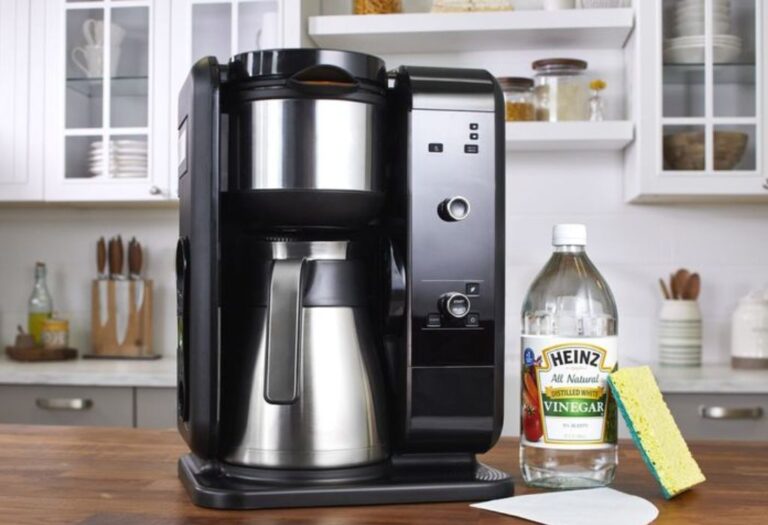
For heavy buildup, try a 1:1 vinegar-water soak instead. Vinegar cuts grease naturally and disinfects without chemicals.
This routine, done monthly, keeps silicone looking brand new even after years of frequent use.
Can Silicone Absorb Odors or Stains?
Yes, silicone can absorb strong smells or stains over time, particularly from oils, tomato sauce, or spices. The material’s flexibility means small pores can trap microscopic particles, causing discoloration.
Dishwashing removes surface grime but doesn’t always eliminate deep odors. For stubborn smells, rub the surface with a paste of baking soda and water, leave for 10 minutes, and rinse well.
To prevent staining, rinse silicone right after contact with oily or colorful foods. Never let sauce dry on the surface — it’s far harder to clean later.
Regular washing and occasional vinegar soaks will keep the material odor-free and bright.
Why does my silicone smell even after washing?
Odors come from trapped oils. Soak in vinegar water or baking soda overnight.
Can silicone get stained by tomato or turmeric?
Yes, but stains fade over time with regular cleaning.
Is it safe to bleach silicone to remove color?
No, bleach weakens silicone. Use vinegar or hydrogen peroxide instead.
Can silicone absorb detergent smell?
Yes, mild scents may cling temporarily but disappear after rinsing.
Will sunlight help remove odors?
Yes, air drying in sunlight naturally deodorizes silicone.
Differences Between Cheap and Premium Silicone
Not all silicone is created equal. High-quality, food-grade silicone is odorless, flexible, and maintains its color for years. Low-grade versions may contain plastic fillers that reduce strength and make them unsafe for repeated heat exposure.
Cheap silicone may release a chemical smell when new or become sticky after a few washes. In dishwashers, these products may warp or lose shape. Always choose certified BPA-free, FDA-approved silicone for kitchen use.
Premium brands are slightly heavier and more elastic. They can be twisted or bent without cracking and return to their original form instantly.
If your silicone tools fade, smell, or flake easily, they’re likely made from a blend rather than pure silicone. Investing in better quality saves money and ensures safety.
Caring for Silicone Bakeware After Dishwashing
Proper post-wash care extends the life of your silicone bakeware. Always cool items before washing, whether by hand or machine. This prevents sudden thermal shock that can stiffen the surface.
After dishwashing, inspect for trapped water under ridges or handles. Shake out excess moisture and dry completely.
Store silicone molds flat or rolled loosely to prevent permanent bends. Never place heavy pans on top — it can deform thin pieces.
If the surface feels oily after storage, wipe it with a vinegar-damp cloth before reuse. Keeping bakeware clean and dry between uses ensures it remains non-stick and safe for all recipes.
Environmental Benefits of Using Silicone
Beyond being dishwasher safe, silicone is an eco-friendly alternative to plastic. It’s long-lasting, reusable, and reduces single-use kitchen waste. A single silicone baking mat can replace hundreds of sheets of parchment paper or foil.
Because it doesn’t absorb water or break down easily, silicone reduces the need for frequent replacements. Even after years of washing, most silicone products maintain their structure perfectly.
Dishwasher-safe convenience means less time hand-washing and fewer sponges used, further minimizing waste. Unlike plastic, silicone doesn’t release microplastics or toxic fumes when heated.
Proper care helps you enjoy these sustainability benefits for a decade or more — making silicone a smart choice for eco-conscious cooking.
Safety Precautions When Using and Washing Silicone
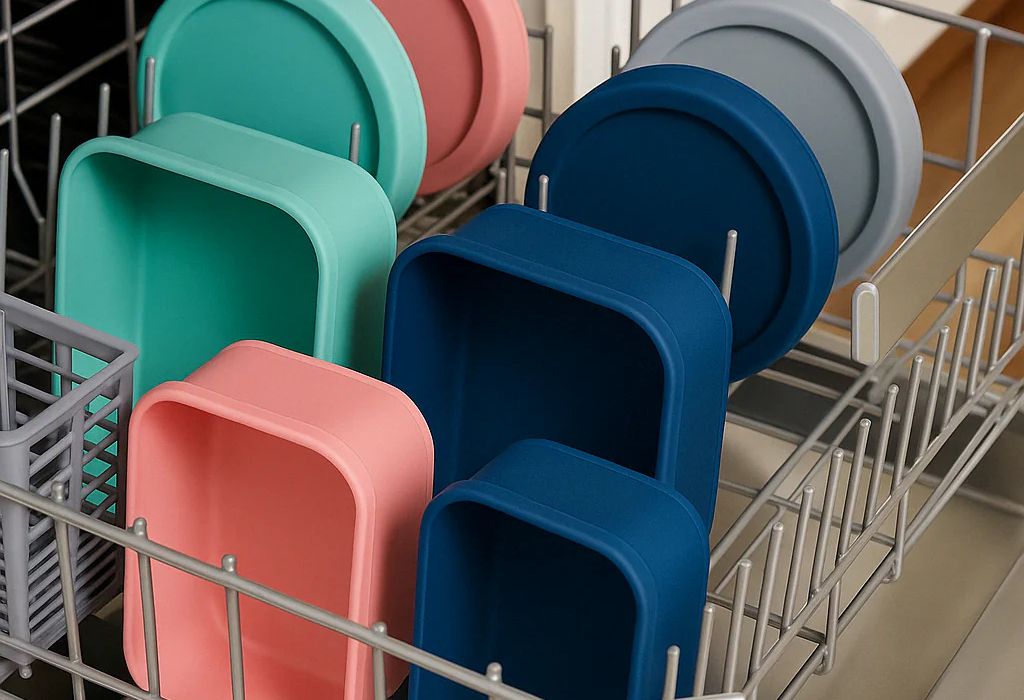
Silicone is non-toxic and safe, but it’s still important to handle it correctly. Never expose silicone directly to open flames or broilers, as extreme direct heat can cause discoloration.
In the dishwasher, avoid placing silicone directly over heating coils. Continuous high heat contact can leave white marks or deform thin products.
Always verify that your items are labeled “food-grade” or “platinum-cured.” These types are free of fillers and safe under both high and low temperatures.
Inspect older silicone items occasionally. If you notice cracks, sticky residue that won’t wash off, or strong odors, it’s time to replace them. Proper use and cleaning keep silicone reliable and hygienic.
How Detergents Affect Silicone Over Time
Even though silicone is resilient, the detergent you use can make a noticeable difference in its longevity.
Most dishwashing detergents contain surfactants, enzymes, and alkaline salts, which are effective at removing grease but can leave residues on non-porous surfaces like silicone. Over time, this may cause dullness or an oily film that’s hard to remove.
Bleach-based or citrus-infused detergents, while great for cutting through grime, are too harsh for brightly colored silicone items. They can react with the dyes, causing slight fading or discoloration after repeated cycles. Fragrance additives may also cling to silicone, giving utensils or molds a soapy smell long after washing.
To keep your silicone looking new, choose mild, fragrance-free, or eco-friendly detergents. These formulas clean effectively without attacking the surface texture.
For silicone bakeware that comes into contact with grease often, pre-soaking in hot water and soap before dishwashing ensures better results.
Avoid using powdered detergents that contain abrasive particles. They can create micro-scratches that trap oil, leading to sticky buildup later. Liquid or gel-based detergents are far gentler and rinse more thoroughly.
If your silicone starts to look cloudy, it’s likely from detergent residue. Soak it in vinegar water for 20 minutes, rinse, and air dry — the shine will return immediately. Consistent mild cleaning keeps the surface glossy, smooth, and odor-free even after hundreds of cycles.
Long-Term Care and Storage Tips for Silicone Items
Proper storage is just as important as proper washing. After dishwashing, silicone items should be completely dry before storing, even a small amount of trapped moisture can cause mildew or odors over time. Always let them air dry naturally or wipe them with a soft towel before putting them away.
Avoid stacking heavy cookware or sharp utensils on top of silicone molds or mats. Their flexibility makes them vulnerable to pressure dents that can affect shape during baking. Instead, store baking mats rolled loosely or hung upright in a cabinet.
Silicone utensils like spatulas and brushes should be kept in an open container or drawer where air can circulate. Storing them sealed in plastic bags can cause lingering moisture smells.
If your silicone bakeware isn’t used frequently, dust it lightly with baking soda before storing. This neutralizes odors and prevents surface tackiness. When ready to use again, just rinse with warm water and mild soap.
Never store silicone near direct heat or sunlight for long periods. Prolonged UV exposure can make colors fade and the surface slightly brittle. Keeping items in a cool, dry space ensures flexibility and color retention for years.
Can I stack silicone baking molds?
Yes, but avoid heavy pressure — stack them gently to prevent distortion.
Should silicone mats be rolled or folded?
Rolled is best; folding can cause creases that affect baking results.
Can I store silicone in the refrigerator or freezer?
Yes, silicone tolerates cold perfectly and won’t crack.
How do I remove odors after long storage?
Wipe with vinegar or soak in warm water with baking soda.
Can sunlight damage silicone?
Yes, direct UV exposure over months can fade color and cause dryness.
Conclusion
So, is silicone dishwasher safe? Yes — when it’s high-quality, food-grade, and properly cared for.
Silicone is one of the most durable and versatile materials ever introduced into modern kitchens. It can endure extreme temperatures, resist stains, and outlast most plastics. However, like any kitchen essential, longevity depends on how you treat it.
Dishwashers provide quick and thorough cleaning, but even silicone benefits from attention to detail. Choosing the right rack placement, avoiding direct heat, and using mild detergents will preserve its smooth texture and vibrant color.
Pre-rinsing greasy items and letting them air-dry completely after washing prevents residue or odor buildup. These small habits make a big difference in keeping your tools spotless and flexible.
If you ever notice a sticky feel or lingering scent, don’t worry, a simple soak in vinegar or baking-soda solution restores silicone’s natural cleanliness. Deep-cleaning once a month keeps it fresh and food-safe for years of daily use.
Ultimately, silicone’s true value lies in its convenience and sustainability. By replacing disposable plastics and resisting wear, it helps reduce kitchen waste while saving time. When washed properly, silicone doesn’t just survive the dishwasher, it thrives in it.
With a little care and regular maintenance, your silicone utensils, mats, and bakeware will remain as reliable as the day you bought them, supporting countless recipes and memories along the way.

I’m Emma J. Caldwell, the founder, lead writer, and home-cooking enthusiast behind KitchenGuideCo.com. With a background in culinary arts and over a decade of cooking experience in both professional and personal kitchens, I created this platform to demystify recipes, offer smart kitchen gadget reviews, and guide readers through meal prep with confidence and clarity.