Cooking with a slow cooker is great for busy people. A common question is is slow cooker safe for frozen meat? It can be tricky for new cooks because you want to be sure your food is safe to eat. Don’t worry, though! This post will walk you through everything you need to know. We’ll show you step-by-step how to cook frozen meat in your slow cooker safely. Let’s get started!
Understanding the Basics of Slow Cooking
Before exploring if is slow cooker safe for frozen meat, it’s helpful to know how slow cookers work. These appliances use low heat over a long time to cook food. This method tenderizes meat and allows flavors to blend beautifully. The slow cooker creates a moist environment, which is excellent for recipes like stews and roasts. Knowing this basic process helps you cook safely. Understanding the temperature zones inside a slow cooker is key.
How Slow Cookers Distribute Heat
Slow cookers don’t heat food evenly. The sides and bottom get hotter than the top. This difference is essential when considering food safety. It is important to remember that slow cookers have varying heat settings, often “low,” “high,” and sometimes “warm.” These settings dictate the rate at which the food cooks. Low settings usually take 6-8 hours, while high settings may cook food in 3-4 hours.
- Heat Source: Most slow cookers have a heating element at the bottom. This element warms the ceramic or metal pot inside.
- Temperature Control: The slow cooker’s settings (low, high, warm) control the heating element’s power.
- Steam and Moisture: The lid traps moisture, preventing food from drying out and promoting even cooking.
- Internal Temperature: Achieving a safe internal temperature is crucial for killing bacteria.
The slow cooking method is a convenient way to prepare meals, but it comes with food safety considerations. Because slow cookers use low heat, the cooking process can sometimes take several hours. Bacteria can thrive in food held at temperatures between 40°F (4°C) and 140°F (60°C), a range known as the “danger zone.” Ensure your slow cooker heats the food quickly through this danger zone.
Safety Considerations for Using Slow Cookers
Using slow cookers safely involves several precautions. The first is ensuring your slow cooker is in good working order. Check the cord for damage, and always place the cooker on a stable surface. Keep the appliance away from flammable items. Always cook food until it reaches a safe internal temperature. Use a food thermometer to check this temperature before serving. If you see cracks in your slow cooker insert, do not use it.
- Use a Food Thermometer: Always check the internal temperature of your meat with a food thermometer. This is the only way to be sure it has reached a safe temperature.
- Avoid Overfilling: Do not fill the slow cooker too full. Doing so can prevent food from cooking evenly.
- Cleanliness: Keep your slow cooker clean. Wash the pot and lid after each use. Wipe down the exterior.
- Power Outages: If you experience a power outage, discard the food if it has been out of refrigeration for more than two hours.
Slow cookers use electricity to generate heat to cook food. Electrical safety must be a priority. Always make sure your hands are dry before plugging in or unplugging the appliance. Always unplug the slow cooker when not in use. Ensure the power cord is not touching hot surfaces or dangling, as this could be a fire hazard.
Is Slow Cooker Safe for Frozen Meat? The Risks
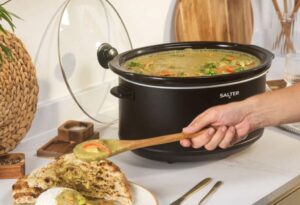
The question “is slow cooker safe for frozen meat” is not a simple yes or no. Cooking frozen meat in a slow cooker carries certain risks. Frozen meat takes longer to cook than thawed meat. This extended cooking time can put the food at risk. The extended time means food can sit in the “danger zone” (40°F-140°F or 4°C-60°C) for too long, promoting bacterial growth. This can lead to food poisoning. The center of the frozen meat may not reach a safe internal temperature fast enough.
The Danger Zone and Bacterial Growth
The “danger zone” refers to the temperature range (40°F-140°F or 4°C-60°C) where bacteria multiply rapidly. This is where the concern with frozen meat comes in. When frozen meat goes into a slow cooker, it starts to thaw. If the slow cooker doesn’t heat up quickly enough, the meat can stay in the danger zone for hours. This gives bacteria ample time to grow and produce toxins that can cause food poisoning. Cooking food to a safe internal temperature is essential to destroy these bacteria.
- Salmonella: A common bacteria that can cause food poisoning, often found in poultry and eggs.
- E. coli: A harmful strain of bacteria often found in undercooked ground beef.
- Clostridium perfringens: A bacteria often found in meat dishes that have been held at unsafe temperatures.
- Staphylococcus aureus: This can produce toxins that survive cooking and cause food poisoning.
The rate at which bacteria grow depends on several factors. These factors include the type of bacteria, the temperature of the food, and the amount of time the food spends in the danger zone. Warmer temperatures and longer times increase the risk. Bacteria multiply by splitting into two. Under ideal conditions, bacteria can double in number every 20 minutes.
Why Frozen Meat Can Be Problematic
Frozen meat poses challenges in a slow cooker because of the uneven cooking. The outside may cook faster than the inside. If the inside remains frozen for a significant amount of time, it could stay in the danger zone. Moreover, the slow cooker’s low heat setting might not be sufficient to bring the internal temperature of the frozen meat up to a safe level quickly enough. This situation creates a risk of bacterial contamination, which can cause illness. Proper thawing is key to preventing this.
- Uneven Cooking: The exterior of the meat can cook faster than the interior when the meat is frozen.
- Prolonged Time in Danger Zone: Frozen meat spends more time in the danger zone.
- Inconsistent Internal Temperatures: It can be difficult to ensure the entire piece of meat reaches a safe internal temperature.
Cooking frozen meat might seem like a time-saver. However, the time you save may not be worth the risk of food poisoning. It’s often better to thaw meat before using it in a slow cooker. This way, you can be more certain that the meat will cook evenly and reach the safe temperature quickly. This reduces the risk of bacterial growth.
Safe Methods to Prepare Meat for Slow Cooking
To safely cook meat in your slow cooker, especially when considering the question “is slow cooker safe for frozen meat,” there are specific steps you should take. The best way to reduce risks is to thaw the meat before cooking. Thawing meat correctly helps it cook evenly and reduces the time it spends in the danger zone. If you choose to cook frozen meat, adjustments are required.
Thawing Meat Safely
Thawing meat correctly is crucial for food safety. The safest methods for thawing meat are in the refrigerator, in cold water, or in the microwave. The refrigerator is the best choice because it keeps the meat at a safe temperature throughout the process. It’s important to remember that it takes time. The cold water method involves placing the meat in a leak-proof bag. It’s then submerged in cold water, which is changed every 30 minutes. Microwaving is faster but requires attention.
- Refrigerator Thawing: Place the meat in the refrigerator and allow it to thaw slowly. This is the safest method.
- Cold Water Thawing: Place the meat in a leak-proof bag and submerge it in cold water. Change the water every 30 minutes.
- Microwave Thawing: Use your microwave’s defrost setting. Cook immediately after thawing.
Thawing meat on the counter is not recommended. It exposes the meat to room temperature, which can promote bacterial growth. If you choose the microwave method, be sure to cook the meat immediately. Microwave thawing can heat parts of the meat, which also speeds up bacterial growth. After thawing meat, make sure to handle it safely to prevent cross-contamination.
Cooking Thawed Meat in a Slow Cooker
Cooking thawed meat in a slow cooker is the safest option. Once the meat is completely thawed, you can safely cook it in your slow cooker. Follow your recipe, making sure to adjust cooking times if necessary. You will likely cook your meat on the low setting for 6-8 hours or on high for 3-4 hours. You can use a food thermometer to check the internal temperature. Safe internal temperatures differ for different types of meat.
- Prepare the Meat: Trim excess fat and season the meat according to your recipe.
- Place in Slow Cooker: Place the thawed meat into the slow cooker.
- Add Ingredients: Add vegetables, sauces, and other ingredients as directed by your recipe.
- Cook: Cook on low for 6-8 hours or high for 3-4 hours, or until the meat reaches the safe internal temperature.
- Check Internal Temperature: Use a food thermometer to ensure the meat is cooked through.
A safe internal temperature is essential. You can determine if the meat is safe to eat by using a food thermometer. This device will give you an accurate temperature reading. This prevents the chance of eating undercooked meat. If the internal temperature has not reached the safe threshold, continue cooking until it does. Always double-check before serving your dish.
If You Must Cook Frozen Meat: Best Practices
Even though it is generally not advised, sometimes you may want to know “is slow cooker safe for frozen meat” if you are short on time. If you decide to cook frozen meat in your slow cooker, take extra precautions to minimize risks. It’s crucial to understand that cooking times will need to be adjusted. You should cook on a high setting for an extended period. Use a food thermometer. This approach can help make sure the meat reaches a safe internal temperature.
Adjusting Cooking Times and Settings
When cooking frozen meat, adjust your slow cooker’s settings and cooking times. Start by cooking on the high setting for at least 1-2 hours. This will help the meat reach a safe internal temperature more quickly. Then, you can reduce the setting to low for the remainder of the cooking time. The cooking time will be longer than for thawed meat. It will depend on the size and type of meat. For instance, a frozen roast might take 6-8 hours on high.
- Start on High: Start on high to help the meat thaw and cook faster.
- Extend Cooking Time: Cook for a longer time than the recipe suggests for thawed meat.
- Monitor Temperature: Use a food thermometer to check the meat’s internal temperature.
- Consider Meat Thickness: Thicker cuts of meat will need more time to cook.
Remember that even with these adjustments, there is still an increased risk. Be extra vigilant about food safety. Always use a food thermometer. The internal temperature must be the key focus. Adjust your cooking times accordingly to be as safe as possible. These steps can reduce, but not eliminate, the risk of bacterial contamination.
Monitoring Internal Temperature with a Food Thermometer
Using a food thermometer is essential when cooking frozen meat in a slow cooker. A meat thermometer helps you to confirm that the meat has reached a safe internal temperature. Safe temperatures vary by meat type. You should insert the thermometer into the thickest part of the meat, avoiding any bones. Be patient and wait for the reading to stabilize. If the meat has not reached the safe internal temperature, continue cooking until it does.
- Insert Thermometer Properly: Insert the thermometer into the thickest part of the meat.
- Wait for Reading: Wait for the temperature reading to stabilize.
- Check Safe Temperatures: Ensure the meat has reached the safe internal temperature for its type.
- Recook If Necessary: If the meat is not at the safe temperature, continue cooking.
A digital meat thermometer is accurate and easy to use. Some thermometers have a probe that can stay in the meat while it cooks. This lets you monitor the temperature without opening the slow cooker. Regular checks are essential for food safety. Ensure your food is safe to eat before serving. Keep the food thermometer clean and in good working order.
Frequently Asked Questions
Question: Can I put frozen vegetables in the slow cooker?
Answer: Yes, you can add frozen vegetables to the slow cooker. They will typically cook through during the slow cooking process.
Question: How long can I leave food in the slow cooker on the warm setting?
Answer: You can leave food on the warm setting for up to 4 hours. After this time, the food may become unsafe to eat.
Question: What’s the best way to clean a slow cooker?
Answer: Always unplug the slow cooker and let it cool. Remove the pot and lid, and wash them with warm, soapy water. Wipe down the exterior of the slow cooker with a damp cloth.
Question: Can I put cold liquids in a hot slow cooker?
Answer: Yes, you can add cold liquids to a hot slow cooker. The heat will help bring the temperature up to a safe level.
Question: What if my slow cooker has a crack?
Answer: Do not use a slow cooker with cracks. Replace the pot immediately, as it may not heat the food evenly and could cause a safety hazard.
Final Thoughts
In short, understanding the question “is slow cooker safe for frozen meat” is crucial for safe and delicious meals. While slow cookers offer convenience, cooking frozen meat introduces food safety challenges. The primary concern is the time the meat spends in the “danger zone,” where bacteria can multiply. To ensure your meals are safe, thawing meat before slow cooking is the safest approach. This practice helps the meat cook evenly. Always use a food thermometer to verify the meat has reached a safe internal temperature. If you decide to cook frozen meat, use the high setting for an extended period, and monitor the temperature carefully. Taking the right precautions can allow you to enjoy slow-cooked meals safely.

I’m Emma J. Caldwell, the founder, lead writer, and home-cooking enthusiast behind KitchenGuideCo.com. With a background in culinary arts and over a decade of cooking experience in both professional and personal kitchens, I created this platform to demystify recipes, offer smart kitchen gadget reviews, and guide readers through meal prep with confidence and clarity.