Stainless steel cookware is one of the most widely trusted tools in modern kitchens. Its reputation for durability, sleek design, and versatility makes it a top choice for both home cooks and professionals.
Yet despite its strength, a common question continues to surface: is stainless steel cookware dishwasher safe for daily use?
At first glance, the answer seems straightforward. After all, stainless steel resists rust and staining, and many manufacturers proudly advertise their pans as dishwasher safe.
But the reality is more complicated. A dishwasher combines high water temperatures, powerful detergents, and extended cycles, all of which can gradually affect the cookware’s appearance and performance.
For households that rely on convenience, this question is more relevant than ever. A survey from Statista shows that stainless steel remains a dominant category within the global cookware market, with billions of dollars in yearly sales (source).
With so many people investing in premium cookware, it is important to understand whether daily dishwasher use supports or undermines long-term value.
What Does “Dishwasher Safe” Mean for Stainless Steel Cookware
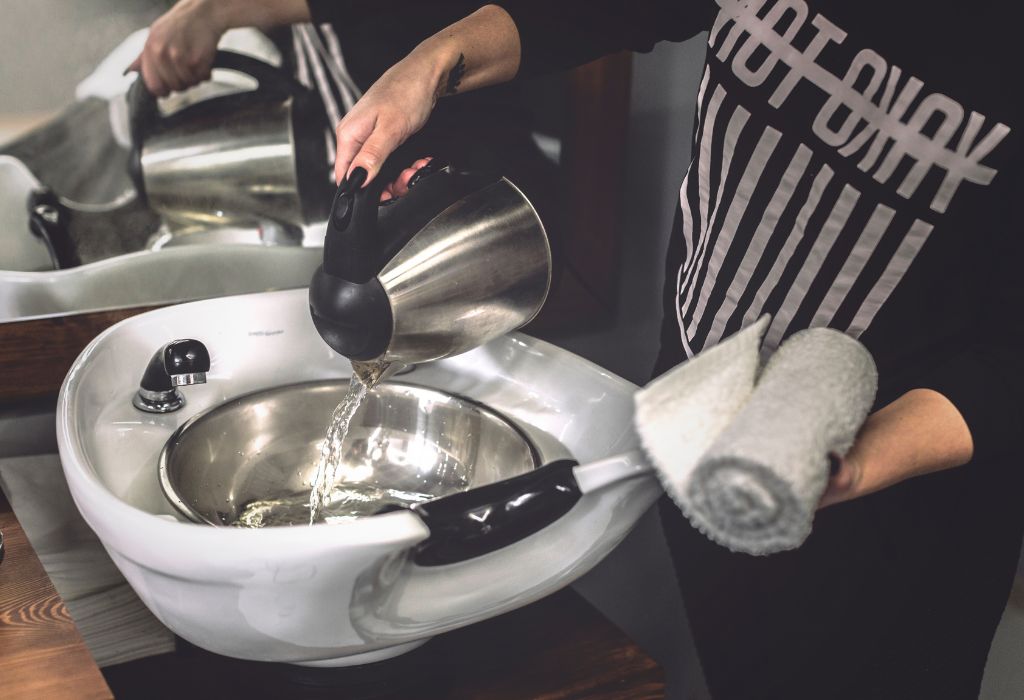
When cookware carries a dishwasher-safe label, it suggests the product can tolerate the environment inside a dishwasher without immediate damage. This includes exposure to hot water, strong detergents, and heated drying cycles.
For stainless steel, this often applies to the main body of the pan, which is designed to resist corrosion and withstand high temperatures.
However, dishwasher safety does not apply equally to all parts of the cookware. Handles, rivets, and lids may be made of different materials that react poorly under the same conditions.
Plastic or silicone handles, for example, can warp or crack over time. Glass lids may cloud or weaken. Even rivets, if not made from stainless steel, can corrode.
The type of stainless steel also plays a role. High-quality alloys such as 18/10 or 18/8, which contain higher levels of chromium and nickel, offer better resistance to corrosion than lower-grade alternatives.
Meanwhile, finishes—whether mirror-polished, brushed, or electropolished—affect how well cookware retains its shine after repeated cleaning cycles.
In practice, “dishwasher safe” means that stainless steel cookware is durable enough to handle dishwashing, but the label does not guarantee the cookware will look or perform exactly the same after years of repeated use.
Common Risks and Problems from Daily Dishwasher Use
Despite stainless steel’s reputation for toughness, daily dishwasher use can introduce problems that reduce the cookware’s aesthetic appeal and functional life.
One of the most frequent issues is corrosion and pitting. While stainless steel is designed to resist rust, aggressive detergents combined with prolonged water exposure can create tiny pits on the surface. These imperfections, once formed, are difficult to remove and can worsen over time.
Discoloration is another challenge. High heat and harsh chemicals sometimes leave rainbow-like stains or blueing across polished surfaces. While mostly cosmetic, these marks can frustrate those who invested in premium, mirror-finish cookware.
Loose handles and rivets are common in lower-cost sets. Continuous expansion and contraction during dishwasher cycles weaken joints. Over years of daily cleaning, rivets may loosen, causing cookware to feel unstable.
Water spots and mineral deposits also affect appearance. Hard water, in particular, leaves streaks that dull the cookware’s shine. If not addressed, these spots accumulate and create a cloudy finish.
Finally, frequent dishwasher use may reduce overall longevity. Even if the cookware remains functional, the combined wear of detergents, heat cycles, and mineral buildup often results in cookware looking older and more worn long before it actually fails.
Advantages of Dishwasher-Safe Stainless Steel Cookware

Despite the risks, there are notable benefits to having stainless steel cookware that can safely go in the dishwasher.
The first is convenience. In busy households, saving time is a top priority. Being able to place pans directly in the dishwasher reduces the need for scrubbing and frees time for other tasks.
Another advantage is hygiene. Dishwashers reach water temperatures that hand washing rarely achieves. This high heat helps sanitize cookware and remove grease more effectively, which is particularly beneficial after preparing foods like poultry or seafood.
Durability also sets stainless steel apart from other materials. Nonstick pans, for example, degrade rapidly in dishwashers as coatings chip or peel. Cast iron, on the other hand, risks rusting when exposed to prolonged water. Stainless steel, by contrast, can tolerate dishwashing far better than most alternatives.
For households with children or frequent cooking schedules, dishwasher-safe cookware supports daily use without the stress of constant hand washing. Even if minor cosmetic issues arise, the underlying functionality of stainless steel often remains intact for many years.
How to Choose High-Quality Dishwasher-Safe Stainless Steel Cookware
Not all stainless steel cookware is created equal, and choosing wisely makes the difference between years of reliable use and early disappointment.
The first element to evaluate is steel grade. Cookware labeled as 18/10 or 18/8 stainless steel indicates higher nickel and chromium content, which enhances rust resistance and shine. Lower-nickel options, like 18/0, may be cheaper but are more prone to staining and corrosion under dishwasher stress.
Construction is equally important. Multi-ply or clad cookware, which sandwiches aluminum or copper between layers of stainless steel, provides both even heating and structural resilience. These thicker, reinforced designs are less likely to warp during dishwasher cycles.
Handles and lids must be considered carefully. All-metal handles, preferably riveted rather than welded, handle dishwashing better than those with plastic or wooden parts. Stainless steel lids also outlast tempered glass in terms of dishwasher resistance.
Manufacturer guidance is another key factor. Reputable brands provide clear care instructions, including maximum dishwasher settings and recommended detergents. Following these instructions ensures that warranties remain valid.
Finally, price often reflects quality. Premium cookware may cost more upfront but usually features better alloys, superior construction, and longer lifespans, even with regular dishwasher use.
Best Practices for Care and Maintenance
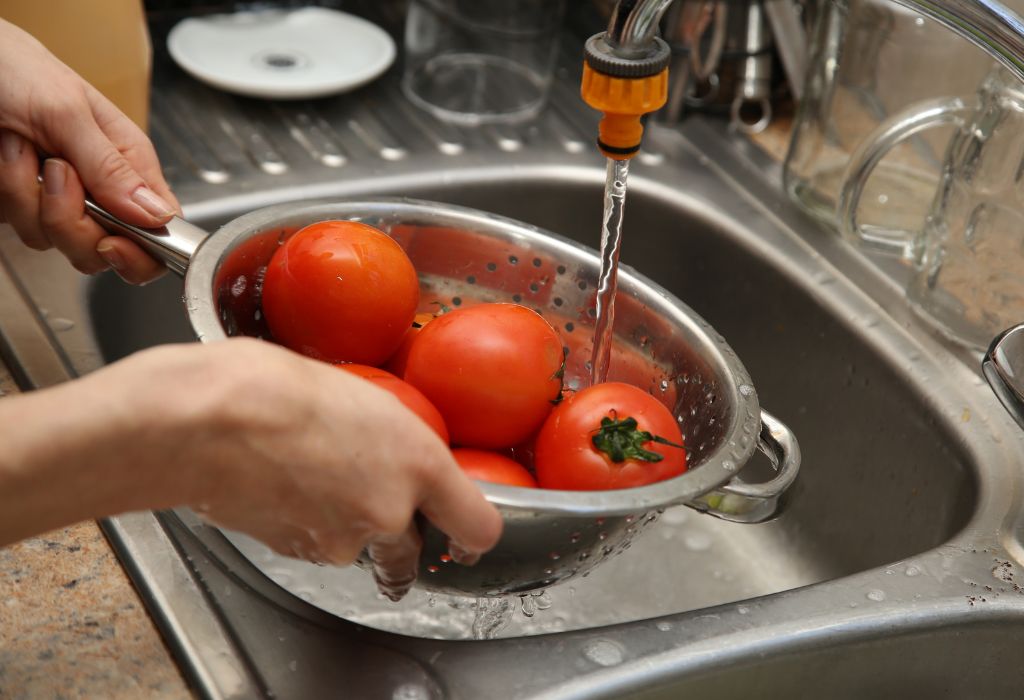
Even dishwasher-safe stainless steel benefits from thoughtful care. A few simple habits significantly extend the life and appearance of cookware.
Rinsing pans before loading them into the dishwasher reduces the buildup of acidic food residues that can accelerate corrosion. Scraping away excess oil or grease also prevents detergent overload.
Placement matters. Cookware should be positioned to avoid direct contact with other metal items that can scratch the surface. Heavier pots belong on the bottom rack, while lighter items such as lids can be placed above.
Choosing the right detergent makes a difference. Gentle, phosphate-free detergents are less abrasive and better suited to stainless steel. Chlorine or bleach-based cleaners should be avoided as they can stain or corrode metal.
Water spots can be minimized by opening the dishwasher door immediately after the cycle ends to release steam. Towel drying at this stage preserves shine and prevents mineral buildup.
Balancing dishwasher use with occasional hand washing also helps. Gentle hand cleaning with mild soap, vinegar, or baking soda refreshes stainless steel surfaces and restores luster. This hybrid approach maintains both convenience and longevity.
Real-World Data and Case Studies
Studies and consumer experiences provide valuable insights into how stainless steel performs under repeated dishwasher use.
Consumer Reports testing on stainless steel cookware found that high-end brands such as All-Clad and Cuisinart withstand dishwashing well, retaining their structural integrity even after hundreds of cycles. Budget cookware, however, showed dulling finishes and loose rivets much sooner.
A research study published in the Journal of Food Engineering examined how detergents interact with stainless steel surfaces. It found that certain aggressive detergents accelerate pitting and staining, particularly when cookware is repeatedly exposed to high heat drying cycles.
User reviews on popular retailer platforms echo these findings. Owners of premium stainless steel sets often report decades of dishwasher use with only minor cosmetic changes. In contrast, cheaper sets show visible signs of aging—such as rust spots and handle loosening—within just a few years.
These examples highlight that while stainless steel cookware is technically dishwasher safe, the outcome depends heavily on the quality of materials and the care provided during daily cleaning.
Final Advice
The question of whether stainless steel cookware is dishwasher safe for daily use does not have a simple yes or no answer.
While stainless steel can withstand dishwashers better than most alternatives, the long-term results depend on alloy grade, construction, and care practices.
Risks such as pitting, discoloration, and loose handles are real but manageable. At the same time, the advantages of convenience, hygiene, and durability make stainless steel a practical option for many households.
The key is balance. Choosing high-quality cookware with 18/10 alloys, all-metal handles, and clear manufacturer labeling ensures resilience.
Pairing this with smart dishwasher habits—mild detergents, careful placement, and occasional hand washing—preserves both appearance and performance.
Conclusion
So, is stainless steel cookware dishwasher safe for daily use? Yes, when it is built from high-grade materials and cared for properly.
Stainless steel’s inherent strength and resistance to corrosion make it more dishwasher-friendly than many alternatives, but mindful maintenance remains essential.
For households prioritizing convenience, stainless steel cookware provides the flexibility to enjoy modern cleaning methods without sacrificing long-term performance.
By selecting wisely and caring thoughtfully, cookware can remain both functional and beautiful for decades, supporting safe and enjoyable cooking every day.

I’m Emma J. Caldwell, the founder, lead writer, and home-cooking enthusiast behind KitchenGuideCo.com. With a background in culinary arts and over a decade of cooking experience in both professional and personal kitchens, I created this platform to demystify recipes, offer smart kitchen gadget reviews, and guide readers through meal prep with confidence and clarity.