The kitchen often serves as the heart of the home, and stainless steel cookware is one of its most trusted companions. Yet, one question frequently arises: is stainless steel cookware oven safe? Many home cooks are eager to take a skillet from the stovetop to the oven, but worry about whether their pans can handle the heat.
Uncertainty grows when cookware carries the label “oven safe” without further details. Does this mean the entire pan, including the handle and lid, can withstand oven temperatures?
Or is there a hidden limit that could cause warping, discoloration, or even dangerous failures during baking?
The curiosity is justified. Some stainless steel pans are built to handle extreme temperatures, while others are restricted due to materials like silicone, plastic, or glass components. Making the wrong assumption can shorten the life of cookware or compromise safety.
At the same time, the benefits are undeniable. The ability to sear meat on the stovetop and then finish it in the oven enhances flavor and texture.
According to a market survey, stainless steel accounts for nearly 45% of global cookware sales, largely because of its durability and versatility. This dominance reflects not only performance but also consumer trust in its safety.
What Does “Oven Safe” Mean in Stainless Steel Cookware?
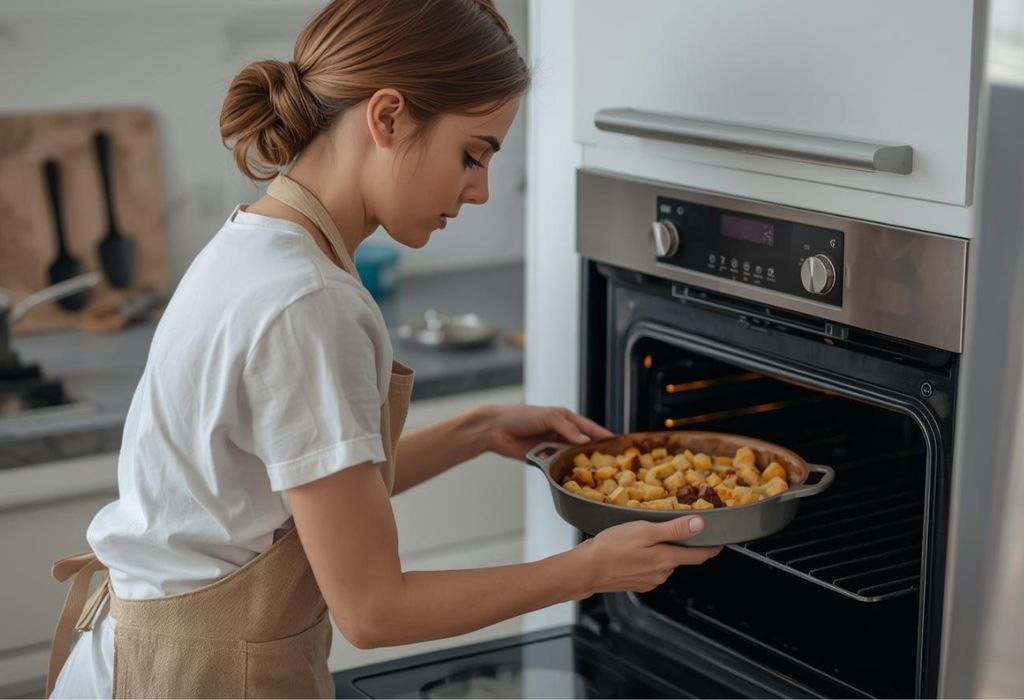
The term “oven safe” describes cookware that can withstand the high temperatures inside a conventional oven without melting, warping, or releasing harmful substances. For stainless steel cookware, this designation depends not only on the body of the pan but also on its handle, lid, rivets, and any coatings.
Pure stainless steel is highly heat resistant, often capable of tolerating temperatures of 500°F (260°C) or more. However, many pans include parts made from other materials. Plastic handles, silicone grips, or tempered glass lids can reduce the oven-safe rating significantly, sometimes to as low as 350°F (176°C).
Another factor is thickness and construction. Heavy-gauge stainless steel, especially multi-ply clad cookware with aluminum or copper cores, distributes heat more evenly and resists warping. Thin, inexpensive pans may buckle under repeated exposure to oven heat.
The difference between “oven safe” and “broiler safe” is also worth noting. Oven safety means the cookware can withstand consistent heat, while broiler safety means it can tolerate direct, intense radiant heat from above.
Not all stainless steel pans are designed for broiler use, particularly those with glass lids or plastic handles.
Understanding what “oven safe” truly means is the first step to ensuring that stainless steel cookware is used properly in baking and roasting.
Common Risks and Problems Using Stainless Steel Cookware in the Oven
While stainless steel is one of the most durable and reliable cookware materials, risks still exist if it is misused or poorly manufactured.
Warping is a common problem in low-cost or thin stainless steel pans. Exposing a thin skillet to extreme oven temperatures or sudden changes in heat can distort its shape permanently. This not only affects aesthetics but also leads to uneven cooking surfaces.
Discoloration is another concern. Stainless steel can develop rainbow-like stains or blueing after exposure to high heat. While not harmful, it detracts from appearance and may require special cleaning methods.
Metal leaching is sometimes raised as a safety issue. Food-grade stainless steel (such as 304 or 316) is non-reactive in most cases.
However, cheaper alloys may release small amounts of nickel or chromium when cooking acidic foods at high heat. This is rarely dangerous but can be problematic for those with sensitivities.
Handles and lids often present the biggest safety issues. Plastic handles may melt, silicone can degrade, and tempered glass lids sometimes shatter if exposed to temperatures beyond their rated limits. Choosing all-metal handles and lids significantly reduces these risks.
Finally, misuse plays a role. Placing an empty stainless steel pan in a hot oven, or moving a hot pan directly into cold water, can cause thermal shock and damage. With proper care, these risks are avoidable, but awareness is essential.
Advantages of Using Stainless Steel Cookware in the Oven
Despite the risks, stainless steel cookware is highly valued for oven use due to its many advantages.
The most obvious benefit is versatility. The ability to transition from stovetop searing to oven roasting in a single pan enhances cooking efficiency. This makes stainless steel ideal for recipes like braised meats, baked pasta dishes, or casseroles that require both direct heat and slow baking.
Durability is another strength. Unlike nonstick pans, which may degrade at temperatures above 450°F (232°C), stainless steel withstands higher temperatures without releasing harmful fumes. High-quality pans are often rated safe up to 600°F (315°C), allowing for more flexibility in cooking.
Stainless steel is also non-reactive when made from the proper grades. This means acidic foods like tomatoes or citrus-based sauces can be cooked without altering taste or risking harmful reactions. For baking, this ensures flavors remain clean and unaffected.
Another advantage is long lifespan. With proper maintenance, stainless steel cookware lasts decades. Its ability to resist corrosion, rust, and staining makes it one of the most cost-effective investments in a kitchen.
Finally, stainless steel performs well in terms of heat distribution, particularly when constructed with multi-ply layers. Even heating reduces hot spots, helping baked dishes cook more uniformly.
How to Choose Oven-Safe Stainless Steel Cookware
Not all stainless steel cookware is created equal, and knowing how to choose the right type ensures safety in the oven.
The first factor is material grade. Look for labels indicating 18/10 or 18/8 stainless steel, which correspond to high chromium and nickel content for corrosion resistance. For even greater durability, 316 stainless steel offers superior resistance to pitting, especially in acidic environments.
Construction quality matters as well. Multi-ply or clad cookware, which sandwiches aluminum or copper between stainless steel layers, provides better heat distribution and structural stability. Thick bases resist warping and deliver consistent results.
Handles and lids should not be overlooked. All-metal handles are the best choice for oven safety, while plastic or wood components significantly reduce maximum temperature tolerance. Lids should ideally be stainless steel, as glass lids may shatter if overheated.
Manufacturer specifications should always be checked. Reputable brands clearly state the maximum oven-safe temperature. If no information is available, assume limitations exist and avoid high-heat baking.
Price can also be a useful indicator. While premium cookware costs more, it typically reflects higher quality materials, better construction, and rigorous safety testing. Cheap alternatives may save money upfront but risk early failure or safety concerns.
Best Practices for Using Stainless Steel Cookware in the Oven and Maintenance
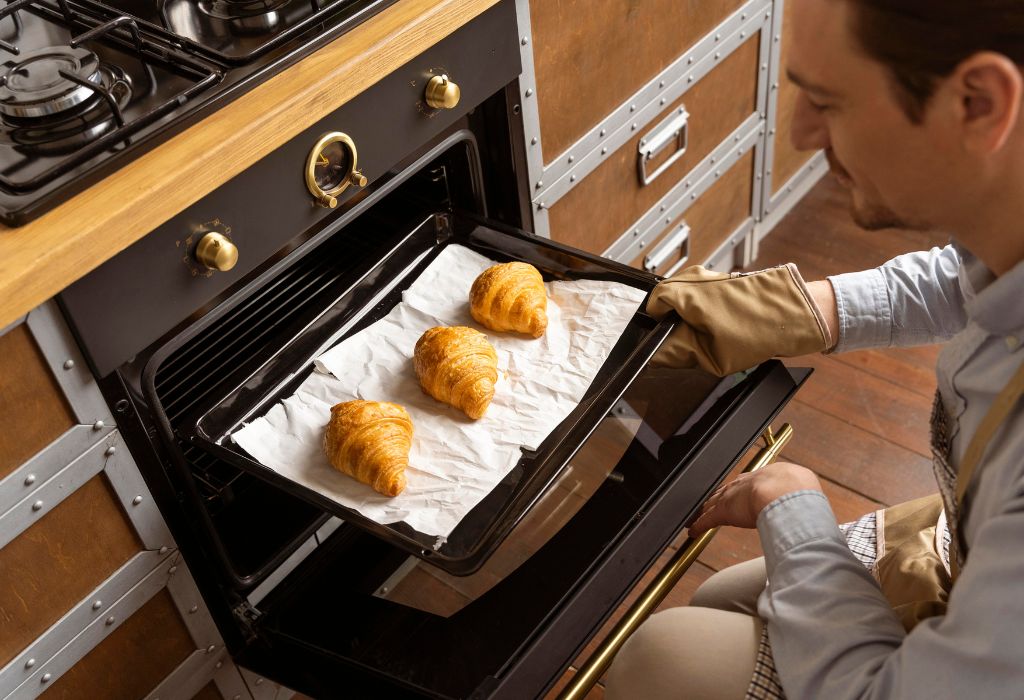
Proper usage and maintenance practices extend the life of stainless steel cookware and ensure safety in the oven.
Avoid placing empty pans in a preheated oven, as sudden exposure to high heat can warp the metal. Always add some food or liquid to help regulate temperature. Preheating gradually on the stovetop before oven transfer can also reduce stress on the pan.
Handles should be treated with care. Even if they are all-metal, they can become extremely hot in the oven. Always use thick oven mitts or pot holders to avoid burns.
Cleaning stainless steel after oven use requires attention. Burnt food residues should be soaked rather than aggressively scrubbed. Baking soda or vinegar solutions can help remove stains and restore shine. Abrasive pads may scratch the surface and should be avoided.
Storage is equally important. Cookware should not be stacked carelessly, as this can cause scratches or dents. Pan protectors or hanging storage offer better preservation.
Regular inspection ensures continued safety. If handles become loose, coatings peel, or the base warps, it may be time to replace the cookware. Preventive maintenance is always more effective than waiting for failure.
Real-World Case Studies and Research Data
Research studies and consumer tests provide valuable insight into the performance of stainless steel cookware in the oven.
In one study published in the Journal of Agricultural and Food Chemistry, researchers tested stainless steel pans with tomato-based sauces. They found that nickel and chromium release was higher in lower-grade steel but remained within safe limits for food-grade alloys. This reinforces the importance of choosing premium stainless steel for oven use.
Consumer Reports testing of premium stainless steel brands like All-Clad and Made In revealed that many pans could withstand temperatures up to 600°F without warping or discoloration. In contrast, cheaper alternatives showed signs of distortion at just 400°F.
Real-world reviews also highlight durability. Many users report that high-quality stainless steel cookware lasts decades, even with daily oven use. Complaints often involve cheaper pans with weak handles or thin bases that fail prematurely.
Manufacturer guidelines provide further clarity. Brands like All-Clad specify oven safety up to 600°F, while others, particularly those with glass lids or silicone handles, limit usage to 350–400°F. Following these guidelines ensures safe performance.
This evidence underscores a clear conclusion: stainless steel cookware is oven safe when built with high-quality materials and used correctly.
Final Words
Stainless steel cookware is among the most reliable and versatile tools in the kitchen, and its oven safety depends largely on construction and usage. High-quality pans with all-metal parts and clear manufacturer specifications provide both safety and performance for baking and roasting.
The main risks—warping, discoloration, and handle or lid failure—are easily avoided with proper care and by selecting cookware made from premium materials. The benefits, including durability, non-reactivity, and high temperature tolerance, make stainless steel a strong investment for any household.
For the best results, choose cookware with food-grade stainless steel, avoid plastic or wood components, and follow recommended temperature guidelines. Proper maintenance ensures long-term safety and performance.

I’m Emma J. Caldwell, the founder, lead writer, and home-cooking enthusiast behind KitchenGuideCo.com. With a background in culinary arts and over a decade of cooking experience in both professional and personal kitchens, I created this platform to demystify recipes, offer smart kitchen gadget reviews, and guide readers through meal prep with confidence and clarity.