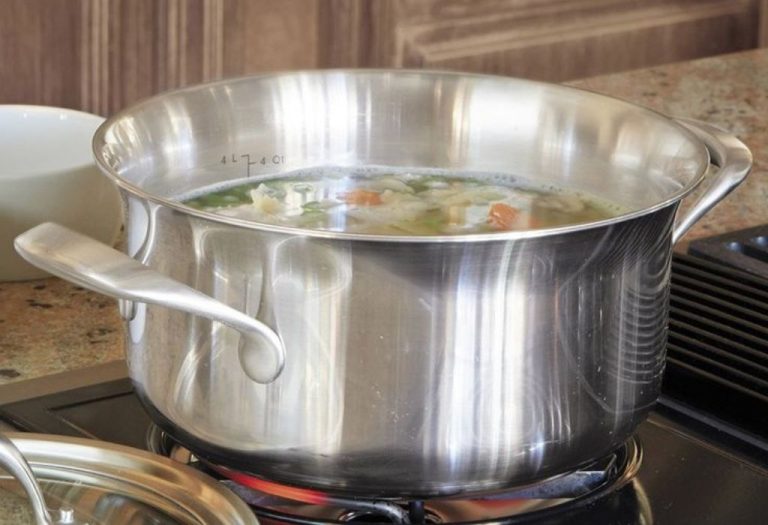
A simple saucepan of tomato sauce can raise a question that lingers in many kitchens: is stainless steel cookware with aluminum core safe for everyday cooking? Families want to know whether the tools they use daily introduce risks or protect their health.
This concern is not new. As nonstick cookware faces scrutiny for PFAS chemicals, more households shift toward stainless steel. The shift sparks curiosity about construction, coatings, and whether an aluminum core can compromise safety.
According to Health.com, stainless steel is among the safest cooking surfaces because it is non-reactive and durable.
Research published in the Journal of Agricultural and Food Chemistry found that nickel and chromium can leach in trace amounts from stainless steel into acidic foods, but the levels decrease after repeated use (study link).
What “Stainless + Aluminum Core” Actually Means
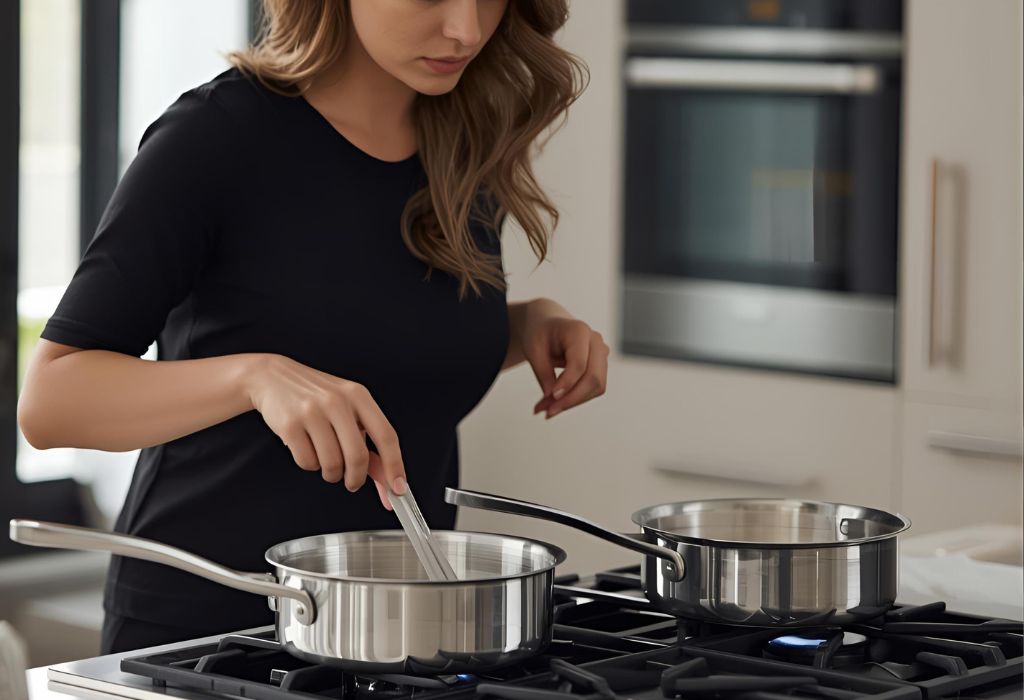
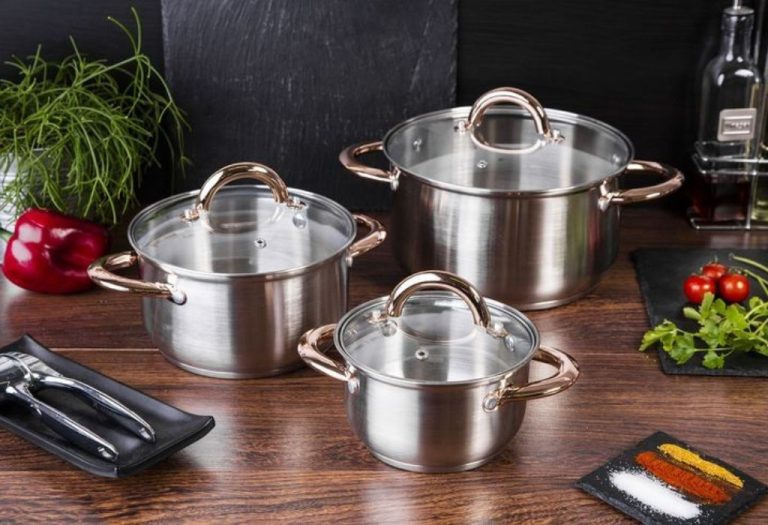
Stainless steel cookware with an aluminum core is often referred to as clad or multi-ply cookware.
In a tri-ply design, a layer of aluminum is sandwiched between two sheets of stainless steel. In a five-ply design, multiple alternating layers add extra stability and heat performance.
The critical point is that the aluminum is completely encased by stainless steel. Food never touches the aluminum layer directly. This construction offers the best of both worlds: aluminum’s excellent heat conductivity and stainless steel’s strength, non-reactivity, and durability.
Without the aluminum core, stainless steel alone tends to heat unevenly and form hot spots.
With aluminum inside, the heat spreads across the pan’s surface quickly and evenly. That’s why professional kitchens and home cooks alike prefer clad stainless cookware for searing, sautéing, and boiling.
Is the Aluminum Core a Risk?
One of the most common concerns about stainless-clad cookware is whether the aluminum core can leach into food. Because the aluminum is sealed inside stainless steel, it does not come into direct contact with ingredients.
Experts emphasize that for aluminum to migrate into food, the stainless shell would need to wear through completely, which is highly unlikely in normal household use. Unlike bare aluminum pans, stainless-clad models remain stable even with scratches on the cooking surface.
It is also important to separate myth from fact. Aluminum has long been linked in public conversation to Alzheimer’s disease.
However, organizations like the Alzheimer’s Society state that everyday aluminum exposure has no proven link to dementia. Bare aluminum cookware can leach small amounts during acidic cooking, but clad cookware avoids that direct exposure entirely.
For this reason, the aluminum core is not considered a health risk when safely encased in stainless steel.
Stainless Steel Composition and Leaching
While the aluminum core is not the primary issue, stainless steel itself can release trace metals into food. The alloys used in cookware typically contain iron, chromium, and nickel.
Grades such as 18/8 or 18/10 indicate the percentage of chromium and nickel. These elements resist rust and corrosion, making cookware durable and long-lasting. In most cooking scenarios, stainless steel is highly stable.
Studies show that new stainless steel cookware may leach nickel and chromium into acidic foods like tomato sauce or lemon-based dishes.
Leaching levels are highest during the first few uses and then decline as the surface stabilizes. For individuals with nickel sensitivity, reactions may occur if trace amounts enter food.
For the general population, however, the levels remain very low and are not considered harmful. This makes stainless steel one of the most reliable surfaces for safe cooking, especially compared to reactive metals like bare copper or aluminum.
Regulations and Safety Standards
Cookware safety is not only about material science but also about compliance with regulations.
The U.S. Food and Drug Administration (FDA) monitors imported cookware and has issued warnings about poorly manufactured aluminum or brass pans that contained lead. These cases underline why buying from reputable brands is essential.
Stainless steel cookware from established companies is manufactured to high safety standards. Brands often highlight third-party testing, including SGS or similar certifications, which verify that their products are free from harmful contaminants.
Unlike nonstick cookware, which may contain PFAS chemicals in coatings, stainless steel with aluminum cores does not rely on such coatings. This means stainless-clad cookware avoids the controversial “forever chemicals” issue altogether.
Choosing cookware from certified, established brands ensures compliance with international safety standards and provides reassurance against hidden risks.
Performance and Everyday Use
Beyond safety, stainless-clad cookware delivers strong performance benefits. Aluminum’s conductivity helps distribute heat evenly, reducing the chance of burning in spots or undercooked areas.
This evenness makes it easier to sear meat, simmer sauces, and boil pasta with predictable results. Stainless steel is also oven-safe, durable against warping, and compatible with induction cooktops when a magnetic layer is included.
Compared to pure stainless steel pans, which can heat unevenly, or bare aluminum, which is reactive, clad cookware offers a reliable balance. While food may stick more easily than on nonstick pans, proper technique—preheating, adding oil, and letting proteins release naturally—minimizes this issue.
From a family perspective, performance and durability contribute to safety. Even heating reduces the chance of burning food, and long-lasting materials mean fewer replacements, lowering environmental impact as well.
Best Practices for Safe Use
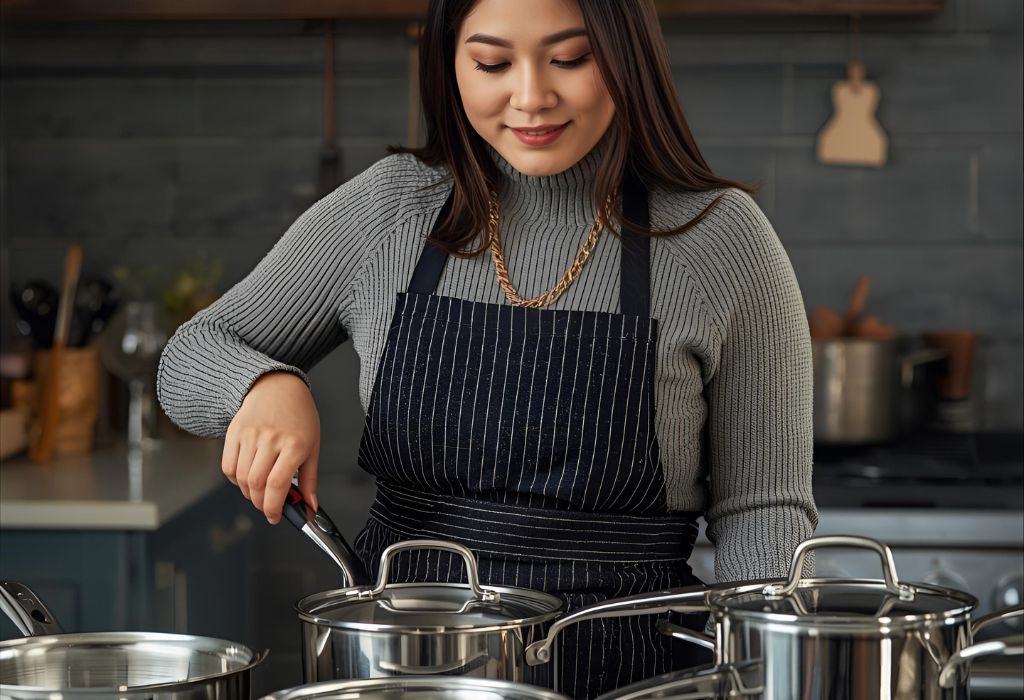
Safe cooking is not only about what cookware is made of but also how it is used. Several habits can minimize any potential leaching and extend cookware life.
New stainless steel pans benefit from a “break-in” period. Cooking a few dishes and washing them helps reduce the initial nickel and chromium release seen in studies. For long acidic braises, enamel or glass bakeware may be preferred in the very first uses.
Heat management is another important step. Cooking on medium heat preserves both food quality and pan longevity. Overheating stainless steel can cause discoloration, though it does not compromise safety.
Cleaning with soft sponges and avoiding harsh abrasives protect the steel surface. Dishwashers can be used for many brands, but hand-washing is often recommended to maintain polish and prevent detergent film.
By following these practices, families can maximize both the safety and performance of stainless-clad cookware for years of use.
Comparing Stainless-Clad to Other Cookware Types
When evaluating safety, it helps to compare stainless-clad cookware with alternatives. Bare aluminum cookware is lightweight and conducts heat well, but it is reactive. Acidic foods can cause visible discoloration and higher leaching. This makes it less desirable for long-term health.
Nonstick cookware coated with PTFE or PFAS-related substances offers convenience but raises chemical concerns. Overheating can release fumes, and scratched coatings may flake into food. While some modern coatings are marketed as PFAS-free, they typically do not last as long as stainless steel.
Cast iron and enamel cookware provide different benefits. Bare cast iron leaches small amounts of iron, which can be beneficial for some people but problematic for those needing to limit iron intake. Enamel cookware avoids metal leaching but can chip if mishandled.
Against these alternatives, stainless steel with an aluminum core emerges as a safe, balanced, and versatile option. It combines the strengths of multiple materials while avoiding many of their weaknesses.
Buying Guide: Choosing the Right Stainless-Clad Cookware
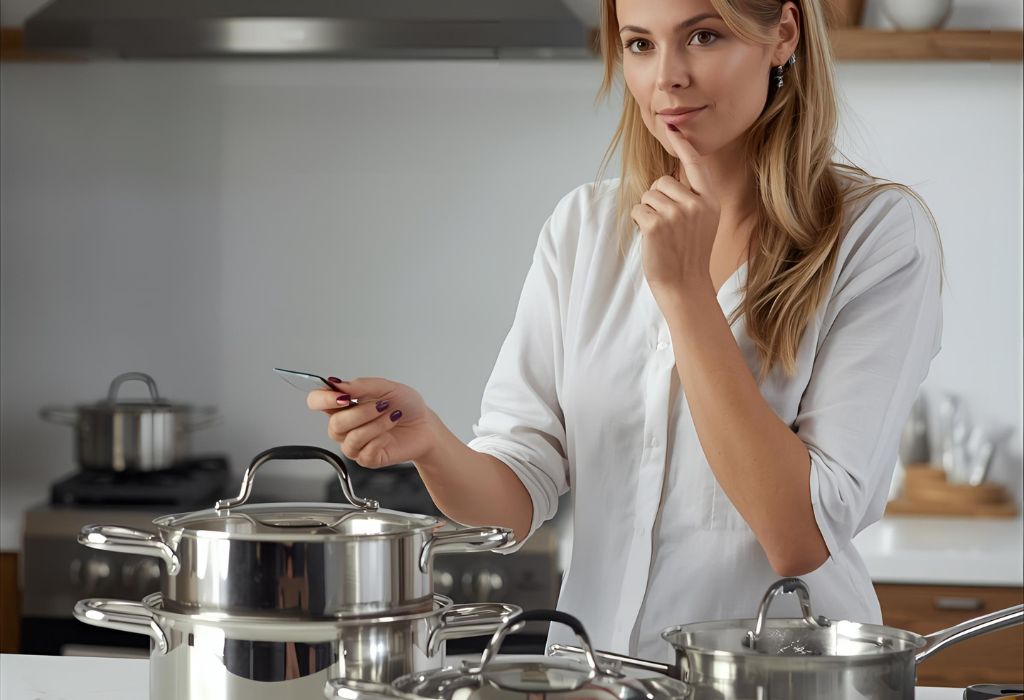
Not all stainless steel cookware is created equal. For the safest and most durable choice, certain specifications matter.
Look for cookware labeled as 304 stainless steel (18/8 or 18/10), which is widely recognized for food safety. Multi-ply construction, ideally tri-ply or five-ply, ensures stable heating and prevents warping. Riveted stainless handles and sturdy lids improve longevity and safety in daily use.
Checking brand transparency is also critical. Reputable companies disclose testing, certifications, and compliance with regulations. Avoid low-cost, uncertified imports where composition may be unclear.
For households with nickel sensitivity, cookware with lower nickel content (such as 18/8 instead of 18/10) may be more suitable. Pairing stainless-clad pans with alternative cookware, such as enamel for acidic dishes, creates a safe and flexible kitchen setup.
Conclusion
So, is stainless steel cookware with aluminum core safe for health? Evidence suggests it is among the safest cookware options available today.
The aluminum core is sealed within stainless steel, preventing direct exposure to food. Stainless interiors may release trace amounts of nickel and chromium, but studies show levels decline quickly with use and remain well below harmful thresholds for most people.
Regulatory compliance and certification further protect consumers when purchasing from trusted brands.
Families seeking a safe, durable, and versatile cookware solution will find stainless-clad pans to be a strong choice.
By using proper cooking techniques, handling with care, and investing in quality products, households can enjoy both health and performance benefits from this popular style of cookware.
Cookware shapes the meals and memories created every day. With stainless steel and aluminum-core designs, families can cook confidently, knowing their tools balance safety, durability, and trusted performance.

I’m Emma J. Caldwell, the founder, lead writer, and home-cooking enthusiast behind KitchenGuideCo.com. With a background in culinary arts and over a decade of cooking experience in both professional and personal kitchens, I created this platform to demystify recipes, offer smart kitchen gadget reviews, and guide readers through meal prep with confidence and clarity.