Stoneware is one of the most popular materials for plates, mugs, bowls and baking dishes because it looks beautiful and feels sturdy. Many people love using stoneware for everyday meals and expect it to survive strong cleaning routines.
But confusion begins the moment someone loads a stoneware mug or plate into the dishwasher and wonders if it can handle high heat and detergent. The care instructions are not always clear and different brands give different recommendations.
Some stoneware pieces feel thick and durable, while others feel lightweight with delicate glazing. This variation makes it difficult to know which ones can safely enter the dishwasher.
Modern dishwashers use intense water pressure, high temperatures and strong detergents that may affect certain finishes. Stoneware reacts differently depending on the glaze and temperature tolerance.
People often worry about fading designs, cracks, chips or dull surfaces after repeated cycles. A single mistake can cause permanent marks on valuable or handmade stoneware.
Understanding whether stoneware is dishwasher safe helps protect both appearance and strength over time.
Is Stoneware Dishwasher Safe
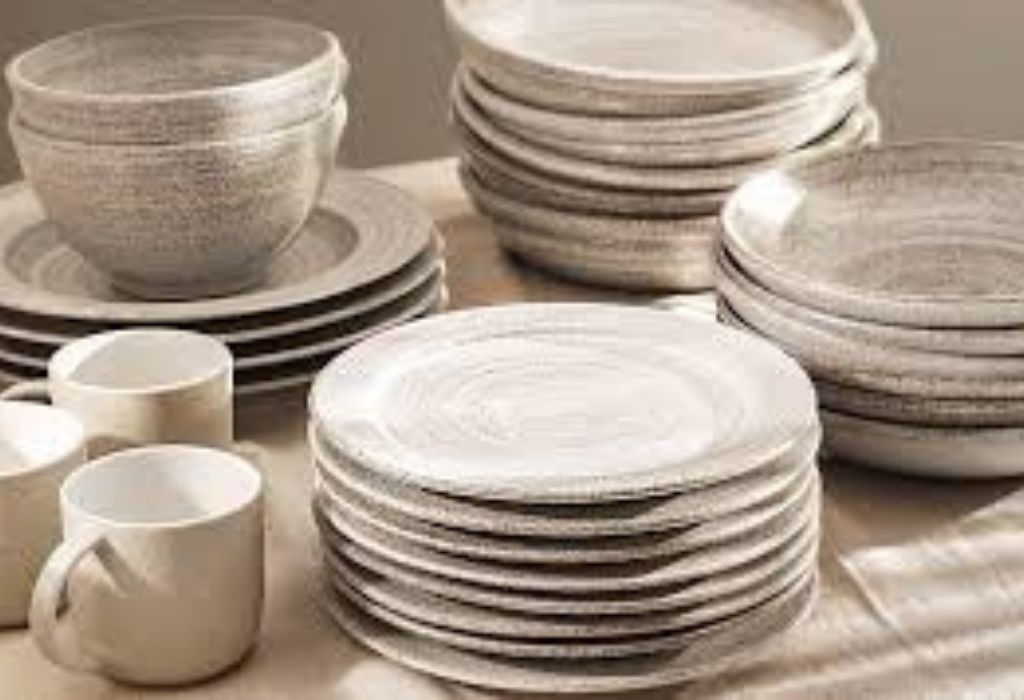
Most modern stoneware is dishwasher safe because manufacturers glaze the surface to resist heat and moisture. These glazes protect the clay body from water absorption.
However, not all stoneware can tolerate strong dishwasher settings. Handmade or artisanal pieces may use delicate glazes that wear down quickly.
Stoneware labeled dishwasher safe tolerates gentle cycles without cracking. Heat and detergent still affect longevity over time.
Stoneware with painted or decorative surfaces needs extra care. Design layers may fade or chip in harsh cycles.
Always check the bottom of the item for cleaning instructions.
Is all stoneware dishwasher safe
No, it depends on glaze and design quality.
Does glazing protect stoneware
Yes, glaze forms a water resistant coating.
Can designs fade in the dishwasher
Heat and detergent may weaken artwork.
Does thickness matter
Thicker stoneware resists stress better.
Do labels provide accurate guidance
Manufacturer labels offer the safest instructions.
How Dishwashers Affect Stoneware
Dishwashers use strong detergent that may erode glaze over long periods. Glaze protects stoneware and keeps water from entering the clay.
High heat cycles cause expansion and contraction. This stress may weaken delicate stoneware surfaces.
Water jets inside dishwashers strike stoneware directly. Forceful spray can cause minor chips on edges.
Stoneware that sits too close together may bang during cycles. Repeated movement causes surface wear.
Gentle dishwashing settings help protect stoneware from long term damage.
Stoneware With Decorative Glazes
Decorative glaze adds color and texture but is more sensitive to dishwasher exposure. Strong detergent can dull or discolor these finishes.
Hand painted designs may fade if washed too often in hot cycles. The detailing loses brightness.
Stoneware with metallic shimmer or matte texture needs careful handling. These coatings may scratch easily.
Dishwasher safe labels on decorative stoneware still recommend top rack placement. Top rack reduces contact with heat sources.
High heat drying cycles may cause glaze instability in some designs.
Can decorative stoneware fade
Strong detergent weakens color over time.
Are metallic finishes safe
Metallic glazes scratch or peel quickly.
Does top rack placement help
Top rack reduces heat and pressure.
Should decorative mugs avoid the dishwasher
Handwashing preserves artwork.
Can textured glazes get damaged
Raised textures trap detergent and dull faster.
Stoneware Absorption And Moisture Risks
Although glaze protects stoneware, tiny pores may still absorb water. Repeated dishwasher cycles increase absorption risk.
Water trapped inside pores expands during heating. Expansion may cause small cracks called crazing.
Crazing weakens stoneware and makes it more vulnerable to breakage. It also affects hygiene because tiny cracks trap residue.
Dishwashers expose stoneware to quick temperature changes. Sudden shifts may stress weak pieces.
Older stoneware is more prone to moisture damage.
Stoneware Cracking And Temperature Shock
Stoneware is strong but vulnerable to thermal shock. Rapid changes between hot and cold temperatures cause stress.
Dishwasher cycles alternate between washing, rinsing and drying phases. These temperature shifts may crack sensitive pieces.
A cracked glaze exposes raw clay to moisture. Moisture absorption weakens structural integrity.
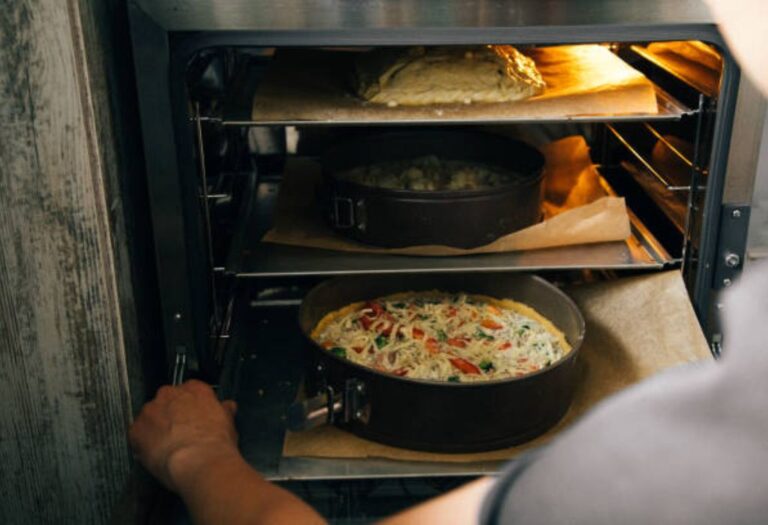
Stoneware used for baking should be handled with extreme care. Heat sensitive baking dishes may crack during dishwasher drying.
Handwashing prevents sudden temperature shock and protects thick ceramic surfaces.
Can stoneware crack in the dishwasher
Temperature changes may cause fractures.
Is thermal shock common
Sensitive pieces break easily under rapid changes.
Do baking dishes need special care
Yes, oven safe items may crack when cooled quickly.
Can cracks weaken durability
Moisture enters and weakens the clay.
Should cracked stoneware be used
No, cracks trap bacteria and cause further damage.
When Stoneware Should Not Go In The Dishwasher
Stoneware with visible cracks should never go into the dishwasher. Water pressure enters cracks and enlarges them.
Pieces with worn or chipped glaze should also be handwashed. Chipped glaze exposes raw clay that absorbs water.
Handmade stoneware often uses natural glazes that are not dishwasher resistant. These items are too delicate for harsh cycles.
Stoneware with decals, stickers or painted artwork requires gentle cleaning. Dishwasher heat may warp or peel designs.
Vintage stoneware pieces often lack strong glaze protection.
How To Safely Wash Stoneware In The Dishwasher
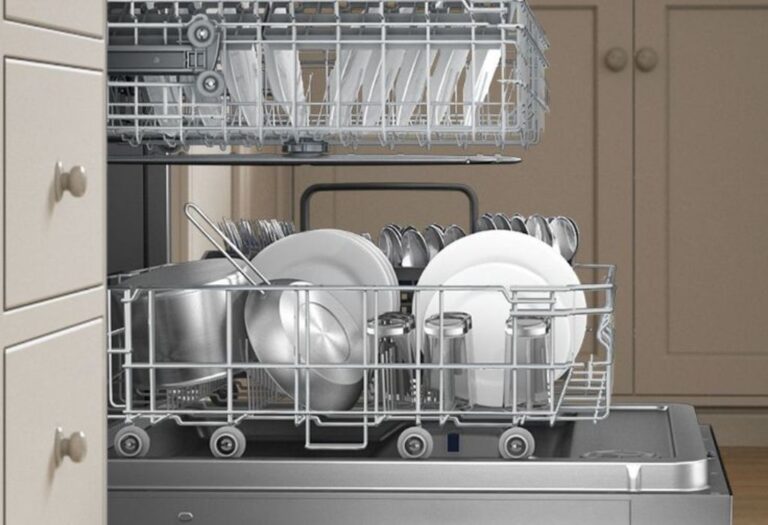
Place stoneware on the top rack to reduce heat exposure. The top rack avoids direct contact with heating elements.
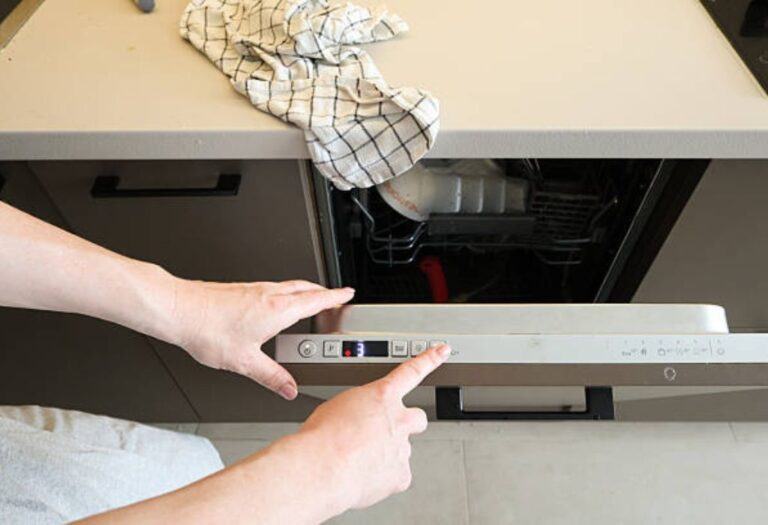
Use gentle or eco cycles instead of heavy duty settings. Lower heat preserves glaze quality.
Avoid overcrowding the dishwasher. Stoneware needs space to prevent movement and collision.
Load stoneware securely so it does not rattle. Rattling causes chips and surface wear.
Skip the heated dry cycle and allow air drying instead.
Is top rack washing safer
Yes, heat intensity is lower on the top rack.
Do eco cycles protect glaze
Lower heat reduces stress on ceramic surfaces.
Should stoneware be spaced apart
Spacing prevents accidental chipping.
Can heat drying damage stoneware
High heat increases cracking risks.
Is air drying recommended
Air drying preserves glaze stability.
How To Handwash Stoneware Safely
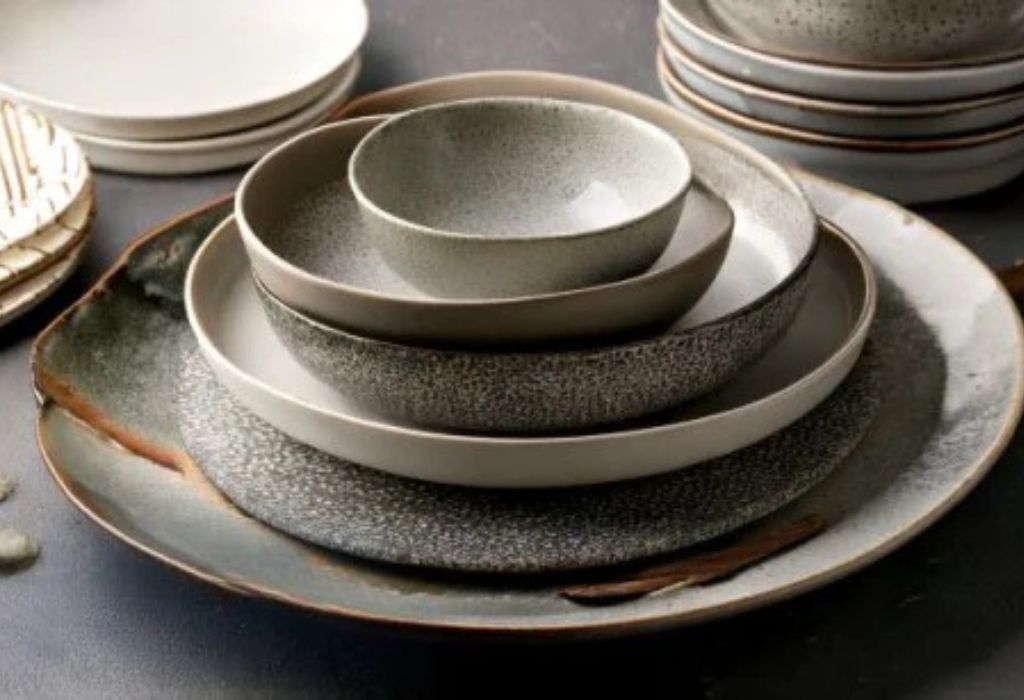
Handwashing protects glaze, artwork and structure better than any dishwasher cycle. It prevents harsh pressure on delicate surfaces.
Use warm water and mild dish soap to clean stoneware. Gentle scrubbing preserves texture and shine.
Avoid scouring pads that scratch glaze. Soft sponges clean safely without abrasion.
Rinse thoroughly to remove soap residue. Leftover soap dulls the surface over time.
Air dry stoneware completely before storing.
How To Prevent Stoneware Damage Over Time
Avoid sudden temperature changes such as placing hot stoneware under cold water. These shocks weaken the glaze.
Store stoneware with padding between pieces. Pads prevent scratches and friction.
Check regularly for hairline cracks. Cracks grow quickly in dishwashers.
Keep stoneware away from metal utensils during washing. Metal contact chips the glaze.
Rotate dishwasher use with handwashing to preserve longevity.
Can long term dishwasher use wear stoneware
Repeated cycles dull glaze and weaken structure.
Do storage habits matter
Proper storage prevents surface scratches.
Should cracked items be retired
Yes, cracks trap food and bacteria.
Do utensils scratch stoneware
Metal utensils cause small chips.
Is alternating washing methods helpful
Yes, it preserves stoneware lifespan.
Conclusion
Stoneware can be dishwasher safe depending on its glaze, thickness and design, but not all pieces tolerate strong heat and detergent. Many modern stoneware dishes work well in gentle dishwasher cycles, yet decorative or handmade items require handwashing for protection.
Dishwashers expose stoneware to high temperatures, pressure and rapid water flow, which may weaken delicate glazes or cause cracking. Placing stoneware on the top rack and avoiding heated drying cycles reduces the risk of damage.
Handwashing remains the safest method for preserving artwork, preventing crazing and protecting structural strength. Understanding how stoneware responds to dishwasher conditions helps you clean it safely and extend its lifespan.
With proper care, stoneware stays beautiful, durable and functional for many years. Treating each piece thoughtfully ensures long term quality and appearance.

I’m Emma J. Caldwell, the founder, lead writer, and home-cooking enthusiast behind KitchenGuideCo.com. With a background in culinary arts and over a decade of cooking experience in both professional and personal kitchens, I created this platform to demystify recipes, offer smart kitchen gadget reviews, and guide readers through meal prep with confidence and clarity.