A pan of tomato sauce simmers on the stove, filling the kitchen with rich aromas. Yet a quiet question lingers in the back of many minds: is tri ply stainless steel cookware safe for daily family cooking?
The concern is understandable. Cookware is not just a tool; it directly touches the meals that nourish families. Choosing the wrong material could mean unnecessary exposure to unwanted chemicals or metals.
As nonstick pans face scrutiny for PFAS-related risks, stainless steel cookware has gained renewed popularity. According to Health.com, stainless steel is considered one of the safest materials in the kitchen because of its durability and non-reactive surface.
Peer-reviewed studies show that stainless steel can release trace amounts of nickel and chromium into acidic foods, particularly when the pans are new. However, research in the Journal of Agricultural and Food Chemistry confirms these levels decline after several uses (study link).
To truly answer the question, it’s important to understand tri-ply construction, leaching science, regulatory oversight, and real-world performance. This article examines each factor in detail to help families make informed choices.
What Tri Ply Stainless Steel Cookware Really Means
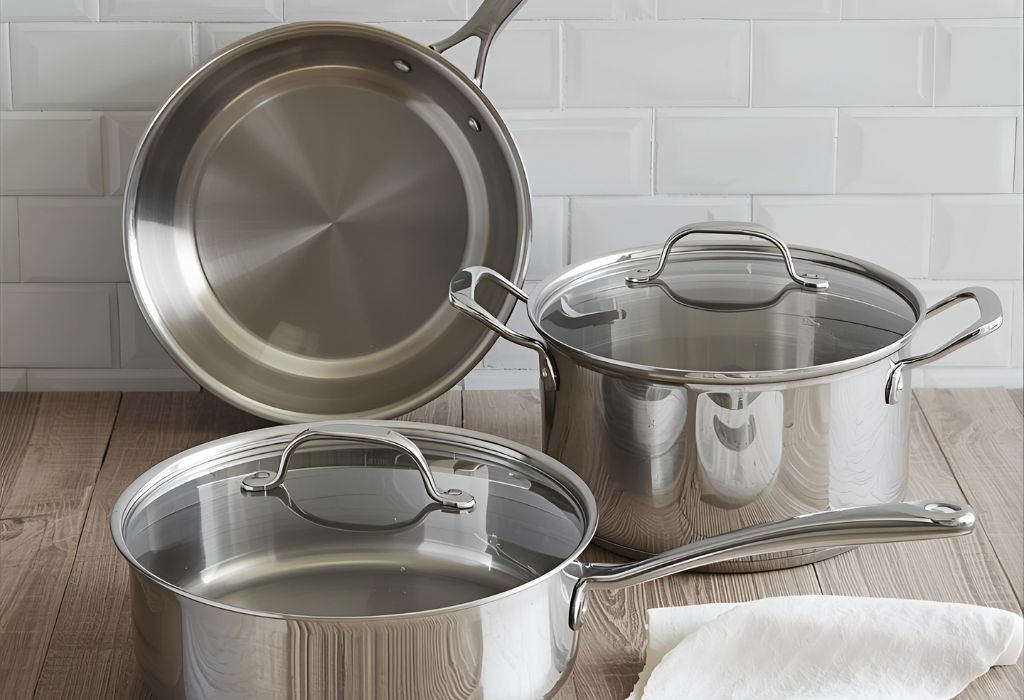
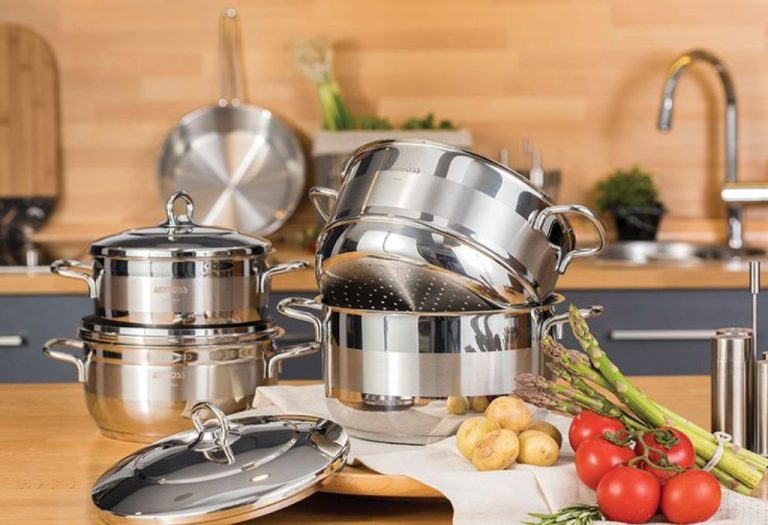
Tri ply, or 3-ply, cookware is a type of clad construction. It layers stainless steel, aluminum, and stainless steel together into a bonded sheet. The food always touches stainless steel, while the aluminum core sits hidden inside.
This design is intentional. Stainless steel is strong and safe, but it doesn’t conduct heat evenly. Aluminum, on the other hand, spreads heat quickly but is reactive with acidic foods. Bonding the two solves both problems—offering even heating without exposing food to aluminum.
Some cookware goes beyond three layers, offering five-ply or even seven-ply designs. These extra layers improve thermal stability and durability, though they make the pans heavier. The essential principle remains the same: aluminum (or copper) is sealed inside, while stainless steel protects the cooking surface.
Understanding this structure is the first step to evaluating safety. Since the aluminum never touches food, the focus shifts to the stainless surface itself.
Is the Aluminum Core a Safety Risk?
The short answer is no. In tri ply construction, the aluminum core is fully encased in stainless steel, meaning it does not come into contact with food. This prevents the leaching that can occur in bare aluminum cookware.
Much of the fear about aluminum cookware stems from historical concerns linking aluminum exposure to Alzheimer’s disease. However, the Alzheimer’s Society states there is no convincing evidence that normal levels of aluminum exposure from cookware cause dementia.
Bare aluminum pans may react with acidic foods like tomato or citrus, leading to metallic flavors and higher leaching. Tri ply avoids this issue entirely by sealing aluminum away. Even if stainless surfaces scratch, the underlying aluminum remains protected.
For this reason, the aluminum core in tri ply cookware is not considered a health risk. The more relevant issue lies in the stainless steel surface itself.
Stainless Steel Composition and Leaching
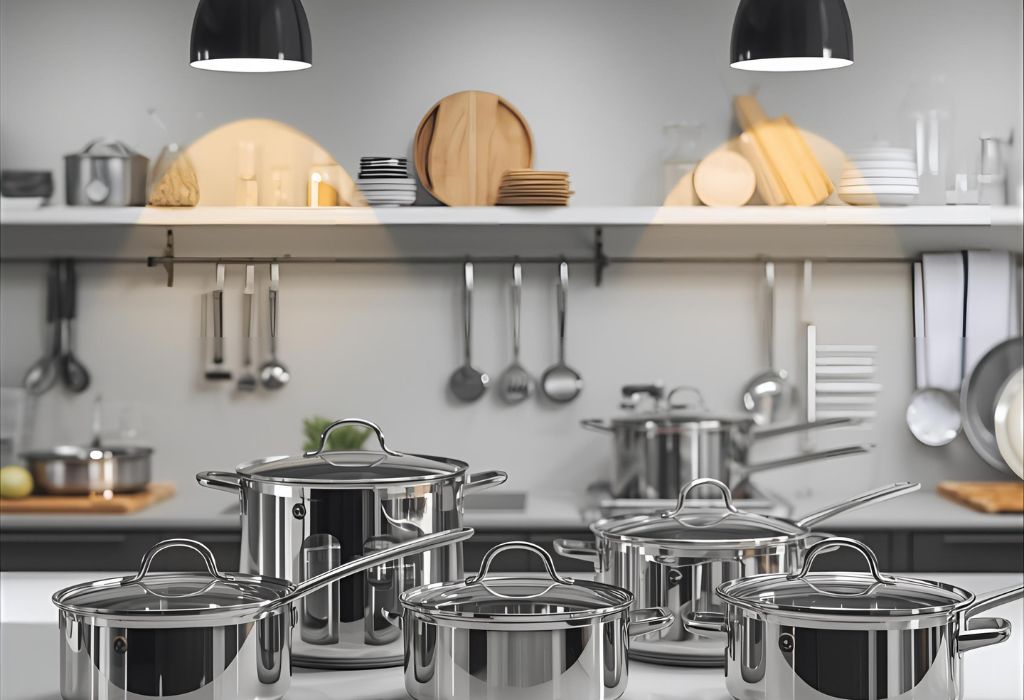
Stainless steel is an alloy made primarily of iron, chromium, and nickel. The numbers “18/8” or “18/10” refer to the percentages of chromium and nickel in the steel. Chromium prevents rust, while nickel improves corrosion resistance and shine.
In most cooking situations, stainless steel is stable and non-reactive. However, studies show that nickel and chromium can leach into food, especially when cooking acidic dishes such as tomato sauce or vinegar-based recipes.
Research published in Food Additives & Contaminants found that leaching levels were highest during the first few uses of new stainless steel cookware, then declined significantly as the surface stabilized (source). This means older pans tend to leach less than brand-new ones.
For most people, the trace amounts are not harmful. But individuals with nickel allergies may experience reactions, particularly if cooking acidic foods for long periods. In such cases, 18/8 stainless steel (with slightly less nickel) may be preferable to 18/10.
Overall, stainless steel remains one of the safest and most durable cookware materials, especially when used properly.
Regulations and Safety Oversight
Cookware safety does not rely only on materials—it also depends on manufacturing standards and regulations.
The U.S. Food and Drug Administration (FDA) monitors cookware safety and has issued warnings about certain imported products. For example, some aluminum and brass cookware imported into the U.S. was found to leach dangerous levels of lead, leading to immediate recalls (FDA source).
Tri ply stainless steel from reputable brands is not associated with such risks. Established companies publish compliance data and submit products for third-party testing. Certifications from labs like SGS confirm that materials are free from lead, cadmium, and other harmful substances.
Unlike nonstick pans, which may use PFAS-based coatings, tri ply stainless steel cookware does not contain these chemicals. This makes it a PFAS-free choice by design.
For families, the takeaway is simple: buy from trusted, compliant brands. Cheap imports with unclear sourcing pose higher risks.
Performance and Everyday Use
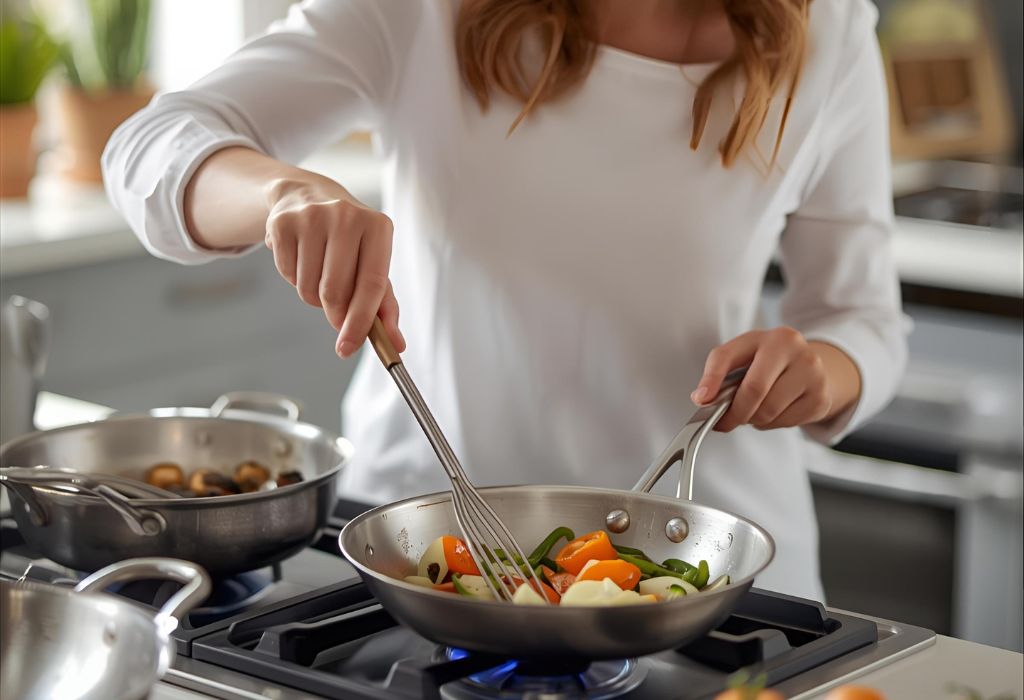
Safety is only part of the story. Performance is the reason many cooks invest in tri ply cookware.
The aluminum core ensures even heat distribution, reducing hot spots that can burn food. This makes searing, sautéing, and simmering more consistent compared to single-layer stainless steel.
Tri ply cookware is also typically induction-compatible when made with magnetic stainless steel. Most lines are oven-safe, though handle and lid materials may set temperature limits.
Compared to nonstick pans, stainless steel requires more technique to prevent sticking. Proper preheating, adding oil, and letting proteins release naturally minimizes frustration. The learning curve pays off with pans that can last decades instead of a few years.
For families cooking multiple meals daily, performance contributes to safety as well. Even heating prevents burning, while durability reduces the need for frequent replacements.
Best Practices for Safe and Long-Lasting Use

To minimize any risk and extend the life of tri ply cookware, safe practices are key.
New pans should go through a break-in period. Cooking a few dishes and washing them helps reduce the initial nickel and chromium release documented in studies. Avoid long acidic braises in brand-new pans until they’ve been used several times.
Cooking on medium heat protects both food and pan. Overheating stainless steel may cause discoloration, though it does not compromise safety.
Cleaning should be gentle. Hand washing with warm water, mild soap, and a soft sponge preserves the surface. While many tri ply pans are dishwasher safe, detergents and high heat may dull the finish.
For utensils, stick to wood, silicone, or nylon. Metal tools may scratch the surface, though scratches rarely affect safety.
By following these practices, families can ensure their cookware remains both safe and high-performing for decades.
How Tri Ply Compares to Other Cookware
Every material has pros and cons, and comparing helps clarify tri ply’s place in the kitchen.
Bare aluminum cookware is lightweight and heats evenly, but it reacts with acidic foods and leaches more metals. Tri ply solves this by encasing aluminum in stainless steel.
Nonstick cookware offers convenience but often relies on chemical coatings. Traditional PTFE coatings raise concerns about PFAS, while ceramic alternatives are safer but less durable. Tri ply is PFAS-free but requires cooking technique.
Cast iron leaches iron into food, which can be beneficial or excessive depending on dietary needs. It requires seasoning and can be heavy for daily use.
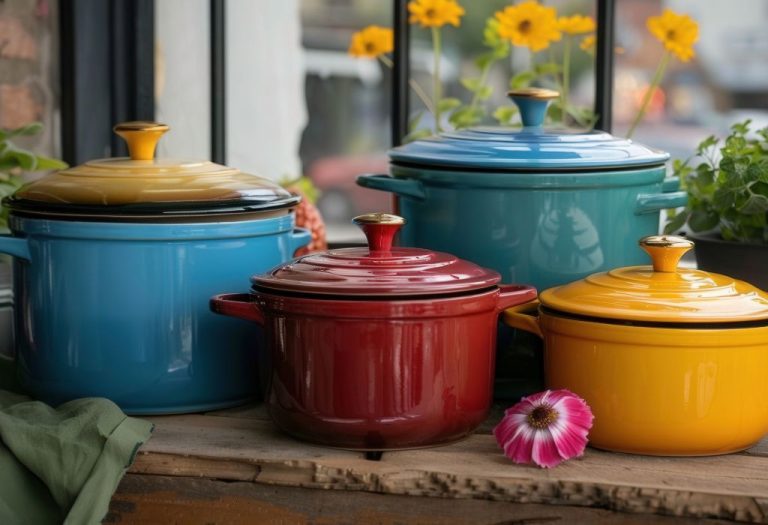
Enamel-coated cast iron is non-reactive and ideal for acidic dishes but may chip if mishandled.
Against these alternatives, tri ply stainless steel balances performance, safety, and durability better than most.
Buying Guide: What to Look For
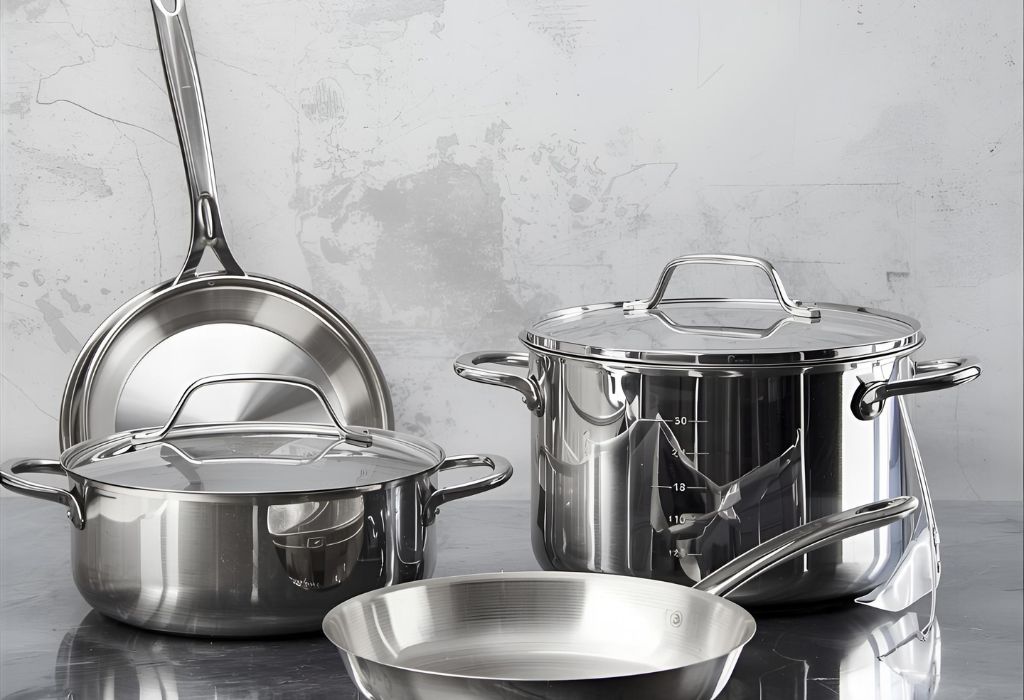
Not all tri ply cookware is equal. To ensure safety and performance, specific features matter.
Look for 304 stainless steel (18/8 or 18/10) interiors, as these grades are widely accepted for food safety. Multi-ply construction, especially true tri ply or five-ply, ensures even heating.
Check for riveted handles and solid lids for durability. Weight should feel balanced—too thin suggests shortcuts in layering, while too heavy may reduce usability.
Brand transparency is essential. Established companies publish test results, certifications, and compliance with FDA or EU safety standards. Avoid low-cost, uncertified imports with unclear materials.
For households with nickel sensitivity, 18/8 interiors may be more suitable. Having a mix of cookware—tri ply for most tasks, enamel for acidic dishes—offers flexibility and safety.
Conclusion
So, is tri ply stainless steel cookware safe to cook with? The evidence points strongly toward yes.
The aluminum core is sealed inside and does not touch food. Stainless steel surfaces may release trace amounts of nickel and chromium, especially during the first few uses, but levels drop quickly and remain low. For most households, this poses no health concern.
By purchasing from reputable brands, practicing safe cooking habits, and maintaining cookware properly, families can rely on tri ply pans for both safety and performance.
Cookware is more than a tool; it is part of everyday health. With tri ply stainless steel, households can enjoy durable, PFAS-free, and reliable cookware that balances safety with culinary excellence.

I’m Emma J. Caldwell, the founder, lead writer, and home-cooking enthusiast behind KitchenGuideCo.com. With a background in culinary arts and over a decade of cooking experience in both professional and personal kitchens, I created this platform to demystify recipes, offer smart kitchen gadget reviews, and guide readers through meal prep with confidence and clarity.