Vintage aluminum cookware evokes nostalgia, recalling decades of home-cooked meals and family gatherings. These lightweight, efficient pans were prized for their heat conductivity and durability, making them a kitchen staple.
Despite their charm, questions about safety have emerged as these pieces age. Studies have shown that older aluminum cookware can leach metals such as lead, cadmium, or nickel into food, particularly when the surface is worn or damaged (pubmed.ncbi.nlm.nih.gov).
The FDA has issued warnings regarding certain aluminum cookware that may release lead during cooking, underscoring the importance of careful use (fda.gov). Home cooks need to be aware of these risks, especially when preparing acidic dishes that can accelerate metal leaching.
Understanding the potential hazards, proper maintenance techniques, and safer alternatives allows consumers to enjoy vintage cookware without compromising health. Recognizing signs of wear and making informed decisions helps balance tradition with modern safety standards.
Understanding Vintage Aluminum Cookware
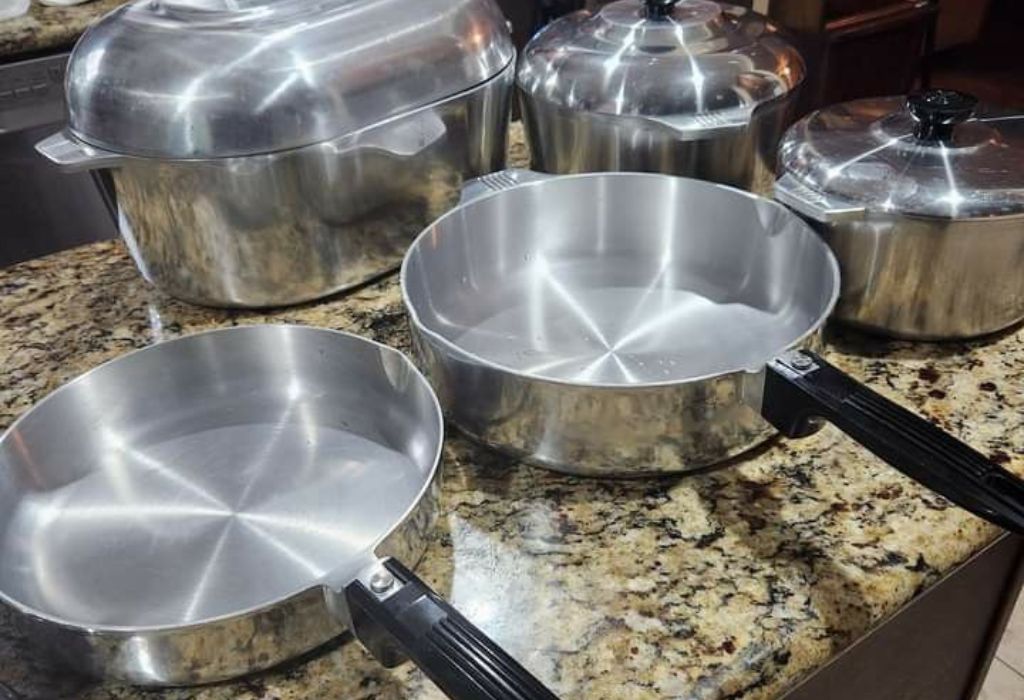
Vintage aluminum cookware refers to pots, pans, and bakeware produced several decades ago, often using cast or pressed aluminum alloys. These pieces are cherished for their lightweight design, efficient heat distribution, and durability, making them staples in many kitchens.
Over time, the surfaces of these pans may develop wear such as scratches, pitting, or discoloration. These changes can affect both the functionality and safety of the cookware, particularly in older items where protective coatings may have worn off.
The manufacturing standards for aluminum cookware have evolved over the years. Older cookware may contain higher levels of metals such as lead, nickel, or cadmium, especially in imported pieces or those produced before current safety regulations were established.
Recognizing the characteristics of vintage aluminum cookware helps consumers identify which pieces are safe for continued use. Awareness of potential risks allows for informed decisions regarding maintenance, safe cooking practices, or replacement.
By understanding the composition, history, and common signs of wear, home cooks can balance the nostalgic appeal of vintage cookware with modern health and safety considerations. Proper knowledge empowers users to enjoy these classic pieces while minimizing potential health hazards.
Health Risks Associated with Vintage Aluminum Cookware
Vintage aluminum cookware can pose health risks when the surface is damaged or worn. Metals such as lead, cadmium, and nickel may leach into food, particularly during the cooking of acidic dishes like tomatoes, citrus, or vinegar-based sauces.
Lead exposure is particularly concerning, as it can accumulate in the body over time, affecting neurological development in children and causing health issues in adults. Studies have found that some older aluminum cookware may release significant amounts of lead during cooking (pubmed.ncbi.nlm.nih.gov).
Other metals, including cadmium and nickel, may also be present in vintage cookware depending on the alloy composition. These metals can be toxic if ingested over long periods, increasing the importance of careful use and inspection.
Health authorities, including the FDA, have issued warnings about certain aluminum cookware that may leach metals into food (fda.gov). Users of vintage cookware should remain vigilant about these risks to protect themselves and their families.
Understanding these health risks is crucial for anyone using vintage aluminum cookware. Regular inspection, careful use, and consideration of safer alternatives help ensure that cooking remains both enjoyable and safe.
Expert Recommendations for Safe Use
To safely use vintage aluminum cookware, experts advise regular inspection for wear such as scratches, pitting, or discoloration. Cookware showing significant damage should be retired to reduce the risk of metal leaching.
Avoid cooking highly acidic foods like tomatoes, citrus, or vinegar in vintage aluminum cookware. Acidic ingredients can accelerate metal migration from worn surfaces into food.
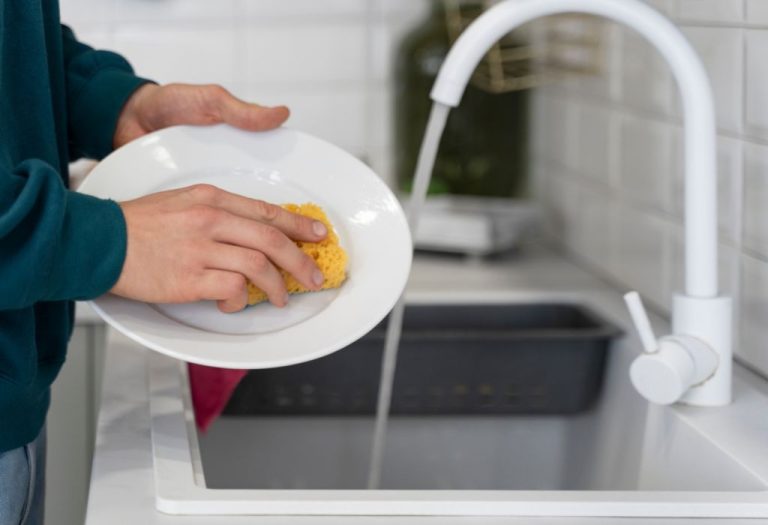
Use non-abrasive cleaning methods with mild detergents and soft sponges. Harsh scrubbing can damage protective coatings and worsen surface pitting, increasing exposure to metals.
Select certified or tested cookware whenever possible, especially when purchasing vintage pieces. Labels indicating compliance with safety standards help ensure that the cookware meets health and regulatory requirements.
Occasional light seasoning with cooking oil can protect the surface and reduce further wear. Proper maintenance extends the lifespan of vintage cookware while mitigating potential health hazards.
By adhering to these expert guidelines, home cooks can continue using vintage aluminum cookware safely. Awareness, careful handling, and proper maintenance are key to balancing the charm of these classic pieces with modern safety standards.
Alternatives to Vintage Aluminum Cookware
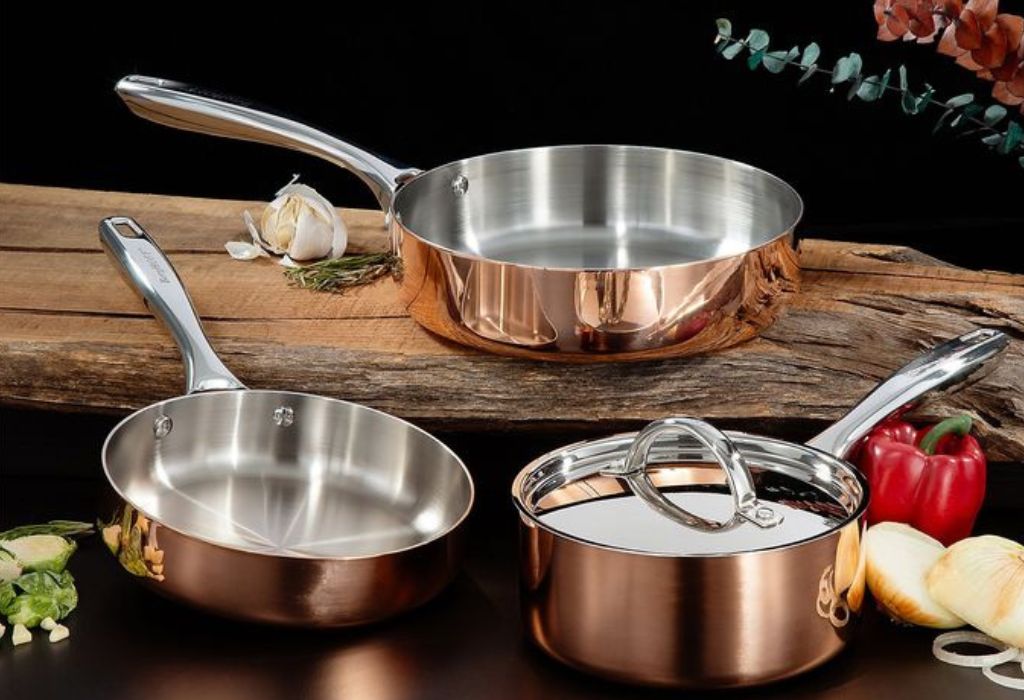
For home cooks concerned about the safety of vintage aluminum cookware, several alternative materials provide both durability and peace of mind. Stainless steel is a top choice because it is non-reactive, resists corrosion, and does not leach harmful metals into food.
Cast iron cookware offers excellent heat retention and, when properly seasoned, provides a natural non-stick surface. While heavier than aluminum, cast iron is long-lasting and safe for a variety of cooking methods.
Ceramic-coated cookware is another safe option. Modern ceramic coatings are non-toxic, non-reactive, and resistant to scratching, ensuring that metals do not leach into food during cooking.
Enamel-coated cast iron combines the benefits of cast iron with a protective enamel layer. This type of cookware offers durability and safety, allowing cooks to enjoy consistent performance while minimizing metal exposure.
Switching to these safer materials offers multiple advantages, including improved health safety, durability, even heat distribution, and easier maintenance. Choosing certified, non-toxic alternatives ensures peace of mind while cooking and eliminates the risks associated with vintage aluminum cookware.
By selecting safer cookware, home cooks can maintain high cooking performance, protect their health, and enjoy long-lasting kitchen tools without the concerns linked to older aluminum pans.
Restoring and Maintaining Vintage Aluminum Cookware
Even vintage aluminum cookware showing signs of wear can often be restored and safely maintained with proper care. Correct cleaning and maintenance techniques help preserve functionality while minimizing health risks.
A gentle abrasive, such as a mixture of baking soda and warm water, can remove minor stains and discoloration without damaging the aluminum surface. This method cleans the cookware effectively while preserving its protective layer.
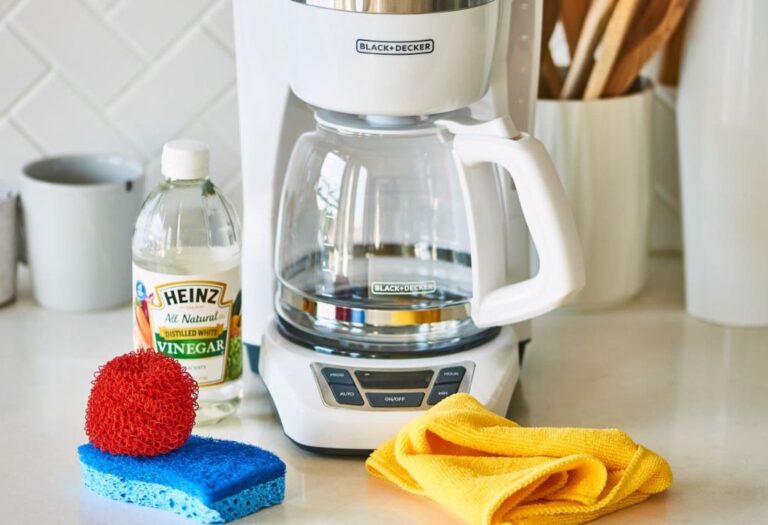
White vinegar can also be used to dissolve mineral deposits and oxidation. Soaking the cookware in a water-and-vinegar solution helps loosen residues, making it easier to clean pitted or stained areas.
For stubborn stains, commercial aluminum cleaners may be used. It is important to follow manufacturer instructions carefully to avoid leaving residues or damaging the surface.
Avoid harsh abrasives, steel scouring pads, or bleach, as these can scratch or corrode the aluminum. Damaging the surface increases the risk of metal leaching and shortens the cookware’s lifespan.
After cleaning, thoroughly rinse and dry the cookware. Occasional light seasoning with a thin layer of cooking oil helps maintain the protective surface, reducing further wear and ensuring safer cooking.
By following these restoration and maintenance practices, home cooks can safely extend the life of vintage aluminum cookware. Proper care preserves both functionality and safety, allowing these classic kitchen tools to remain usable for years.
Signs You Should Replace Vintage Aluminum Cookware
Even with careful maintenance, vintage aluminum cookware has a limited lifespan. Recognizing when to replace it is essential for safe cooking and preventing exposure to harmful metals.
Deep or extensive pitting is a clear indicator that the cookware may no longer be safe. Pits can harbor bacteria and increase the risk of metal leaching, particularly during cooking acidic foods.
Persistent discoloration that cannot be removed through cleaning is another warning sign. While minor discoloration is often cosmetic, stubborn stains may indicate structural degradation of the cookware.
Warped or misshapen pans affect heat distribution, leading to uneven cooking and reduced performance. This deformation can also accelerate further pitting or surface damage.
Peeling, flaking coatings, or visible cracks are definitive reasons to replace the cookware. Damaged coatings can release harmful substances, and cracks compromise the structural integrity of the pan.
By paying attention to these warning signs and acting promptly, consumers ensure their cooking remains safe. Timely replacement of compromised vintage aluminum cookware protects both health and food quality.
Environmental Benefits and Responsible Disposal of Vintage Aluminum Cookware
Aluminum cookware offers environmental advantages due to the metal’s recyclability and long lifespan. Using and maintaining aluminum cookware reduces the need for frequent replacements, conserving energy and raw materials.
Recycling aluminum requires significantly less energy than producing new aluminum, lowering carbon emissions and supporting sustainable manufacturing practices. Choosing recycled or responsibly sourced aluminum cookware contributes to a smaller environmental footprint.
Even when vintage cookware reaches the end of its usable life, responsible disposal or recycling minimizes waste. Many recycling programs accept old aluminum cookware, allowing it to be melted down and reused in new products, further reducing environmental impact.
Choosing durable, high-quality aluminum cookware reduces the frequency of replacements, conserving resources over time. Combining proper maintenance with environmentally conscious disposal ensures that kitchens remain both safe and sustainable.
Understanding the environmental benefits allows consumers to make informed decisions that balance safety, performance, and eco-friendliness. Responsible use and disposal of vintage aluminum cookware enable sustainable cooking practices without compromising health or efficiency.
Is vintage aluminum cookware safe for everyday cooking?
Yes, it can be safe if the cookware is in good condition. However, old uncoated aluminum can react with acidic foods, so it’s important to inspect it before use.
Can vintage aluminum cookware leach metal into food?
Yes, bare aluminum can leach small amounts into food, especially when cooking acidic dishes like tomato sauce or lemon-based recipes.
Does aluminum cookware become more dangerous with age?
Not necessarily, but older pans may lack modern coatings or anodizing, making them more likely to react with certain foods over time.
Is it safe to cook acidic foods in vintage aluminum cookware?
It’s better to avoid cooking acidic or salty foods, as these can increase aluminum leaching and alter food flavor.
Can I restore old aluminum cookware for safe use?
Yes, you can clean it with a mix of vinegar or lemon juice and water, then polish it gently. Avoid abrasive cleaners that may expose raw metal.
Is anodized vintage aluminum cookware safer?
Yes, anodized vintage aluminum is non-reactive and more durable, providing better protection against leaching and corrosion.
What signs show that vintage aluminum cookware should be replaced?
If the pan is heavily pitted, warped, or gives food a metallic taste, it’s best to stop using it.
Can I use vintage aluminum cookware on modern stoves?
Yes, it works well on gas and electric stoves, but it’s not suitable for induction cooktops unless it has a magnetic base.
Is discolored vintage aluminum dangerous?
No, mild discoloration is harmless oxidation. However, deep corrosion or dark spots can indicate surface damage that needs attention.
How can I use vintage aluminum cookware safely every day?
Avoid acidic foods, cook on medium heat, hand-wash gently, and dry thoroughly. With proper care, vintage aluminum cookware can still be safe and long-lasting.
Conclusion
Vintage aluminum cookware remains popular due to its nostalgic value, lightweight design, and efficient heat distribution. Over time, however, regular use, exposure to acidic foods, and improper cleaning can lead to surface wear, pitting, corrosion, and discoloration.
While minor wear may be cosmetic, extensive damage increases the risk of metal leaching, including potentially harmful metals such as lead, cadmium, and nickel. Recognizing signs of deterioration is crucial for maintaining safe cooking practices.
Health risks associated with vintage aluminum cookware primarily relate to metal exposure. Lead contamination, in particular, can have serious neurological and developmental effects, especially in children and other vulnerable populations.
Using acidic foods, damaged cookware, or low-quality aluminum increases the likelihood of harmful substances entering food. Following expert guidelines, such as inspecting cookware regularly, avoiding acidic ingredients, and using certified products, helps mitigate these risks.
Proper restoration and maintenance techniques, including gentle cleaning, occasional seasoning, and avoiding abrasive tools, can extend the lifespan of vintage aluminum cookware.
Nevertheless, cookware that shows deep pitting, warped surfaces, flaking coatings, or cracks should be replaced to ensure safety and maintain cooking performance.
For those prioritizing health, alternative materials such as stainless steel, cast iron, ceramic-coated, or enamel-coated cookware provide non-reactive, durable, and safe options. These materials minimize metal exposure while offering excellent heat distribution and easy maintenance.
Additionally, understanding the environmental benefits of aluminum cookware supports sustainable kitchen practices. Choosing recycled aluminum, maintaining cookware responsibly, and recycling old pans reduce energy use and waste, balancing eco-friendliness with safety.
By combining awareness, proper care, timely replacement, and consideration of safer alternatives, home cooks can enjoy the benefits of vintage aluminum cookware without compromising health.
Safe, efficient, and environmentally responsible cooking is achievable with informed choices and mindful kitchen practices.

I’m Emma J. Caldwell, the founder, lead writer, and home-cooking enthusiast behind KitchenGuideCo.com. With a background in culinary arts and over a decade of cooking experience in both professional and personal kitchens, I created this platform to demystify recipes, offer smart kitchen gadget reviews, and guide readers through meal prep with confidence and clarity.