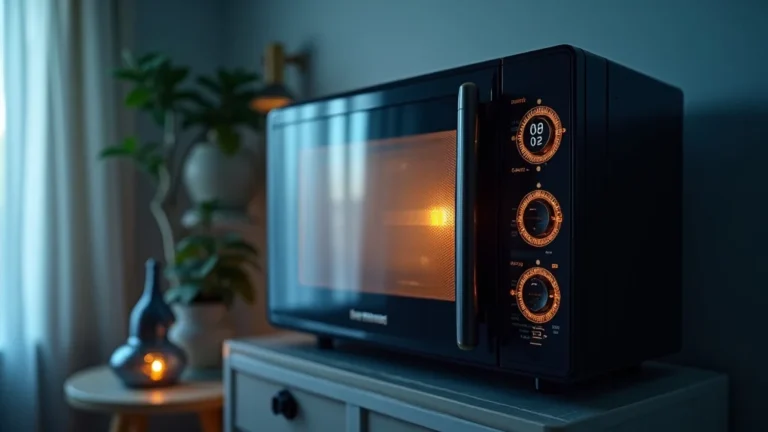
The smell of fresh bread baking in the oven fills the home as sunlight passes through the kitchen window. The cook moves effortlessly between the countertop, sink, and oven without bumping into cabinets or walking around obstacles.
Everything feels natural, smooth, and perfectly placed. This smooth experience is not an accident. It is the result of a well-planned kitchen layout with proper oven placement.
Many homeowners focus only on cabinet color, countertop material, or appliance brand when designing a kitchen. But the true comfort of a kitchen depends on how the space is laid out and where the oven is positioned.
A poorly placed oven can make daily cooking tiring, unsafe, and inefficient. A well-placed oven creates a natural cooking flow and improves storage, safety, and comfort.
Ovens are heavy, hot, and used frequently. Their placement affects walkways, traffic flow, storage access, and even ventilation. Whether the kitchen is small, medium, or large, oven layout planning plays a central role in making the space functional.
This guide explores the best kitchen layout ideas with oven for different home sizes and styles. From wall kitchens and galley setups to island designs and luxury layouts, every major option is explained clearly so that homeowners can choose the most practical and stylish configuration.
Why Oven Placement Matters in Kitchen Layout Design
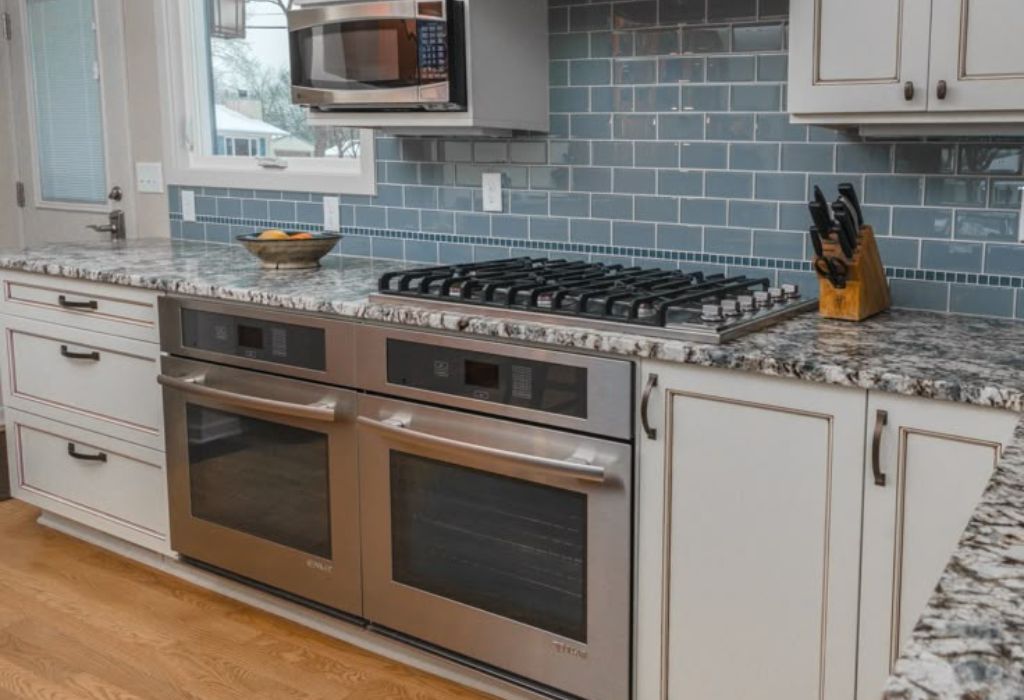
Oven placement is one of the most important decisions in kitchen design because it directly affects safety, comfort, and workflow.
The oven generates intense heat and requires safe clearance around it. If it is placed too close to walkways or seating areas, it increases the risk of accidental burns and injuries.
Proper oven placement also improves cooking efficiency. A well-positioned oven allows the cook to move smoothly between preparation areas, sink, and cooking zone. This arrangement reduces unnecessary steps and prevents crossing hot zones repeatedly.
Heat and ventilation are also influenced by oven location. If the oven is installed in a tight corner without proper airflow, heat buildup can damage cabinets and reduce appliance lifespan. Proper placement ensures heat dissipates safely and ventilation systems work effectively.
Storage planning is another major factor. Ovens require nearby storage for baking trays, pans, and cookware. Poor placement causes frequent bending, awkward reaching, or repeated trips across the kitchen.
Height matters as well. Built-in wall ovens placed at comfortable eye and waist level reduce bending and make heavy tray handling easier and safer.
In both small and large kitchens, thoughtful oven placement transforms cooking from a tiring task into a smooth daily experience.
Single Wall Kitchen Layout Ideas with Oven
A single wall kitchen layout arranges all cabinets, appliances, and workspace along one straight wall. This layout is common in studio apartments, compact homes, and open-plan living spaces.
The oven placement in this layout must be especially precise because everything happens in one continuous line.
In a single wall kitchen, ovens are often positioned under the cooktop to save space. This stacked alignment allows both appliances to share one vertical zone and keeps the rest of the wall free for storage and workspace.
Built-in wall ovens are also popular in single wall kitchens when vertical space is available. Placing the oven at chest height makes baking safer and more comfortable. It also frees up lower cabinets for drawers and storage.
To maintain proper flow, the oven should be placed between the preparation area and the refrigerator. This allows ingredients to move naturally from storage to prep to cooking without crossing paths.
Because single wall kitchens lack depth, proper ventilation is critical. Ovens should be paired with strong range hoods or built-in ventilation systems to prevent heat buildup in the open living space.
Lighting also plays an important role. Proper task lighting near the oven ensures safe tray handling and clear visibility during baking and roasting.
Galley Kitchen Layout Ideas with Oven
The galley kitchen layout features two parallel walls with a central walking aisle. This design is highly efficient and common in apartments and narrow homes. The challenge lies in balancing oven placement without disrupting traffic flow.
In galley kitchens, the oven is usually positioned on one side, often beneath the cooktop. This keeps the main cooking zone compact and avoids blocking movement across the aisle.
For larger galley kitchens, a built-in oven can be placed in a tall cabinet on one of the walls. This placement creates a dedicated baking zone while keeping the opposite wall free for sink and storage.
Clear aisle width is essential. The minimum recommended aisle width is around 42 inches. This ensures that oven doors can open fully without blocking movement or causing safety hazards.
Proper symmetry also improves functionality. When the oven is placed directly opposite a prep counter, it creates a smooth cooking rhythm where trays can be transferred easily without long sideways movement.
Galley kitchens benefit from strong vertical storage. Cabinets above and below the oven help maximize space efficiency while keeping essential tools within arm’s reach.
L-Shaped Kitchen Layout Ideas with Oven
The L-shaped kitchen layout uses two adjacent walls connected at a right angle. This design is extremely versatile and works well in both small and medium-sized homes. Oven placement in an L-shaped kitchen creates multiple workable zones.
One common layout places the oven along one leg of the L while the sink and preparation area occupy the other leg. This separation prevents crowding and allows multiple people to work comfortably at the same time.
Built-in wall ovens work exceptionally well in L-shaped kitchens. Placing the oven near the corner but not directly in the corner avoids wasted space and improves accessibility.
When using a freestanding oven with cooktop, positioning it near the junction of the two walls creates a central cooking zone that is easily accessible from both sides.
L-shaped kitchens also allow island additions. In such cases, the oven can either remain on the main wall or be relocated into the island for a more open cooking experience.
Cabinet layout must be carefully planned around the oven to avoid awkward corner storage. Lazy Susan cabinets and pull-out racks help maintain smooth flow around tight angles.
U-Shaped Kitchen Layout Ideas with Oven
The U-shaped kitchen layout is one of the most functional designs for serious home cooks. It uses three connected walls to form a U, surrounding the user with cabinets, countertops, and appliances. This layout creates a highly efficient cooking zone where everything is within easy reach.
In a U-shaped kitchen, the oven is typically placed along the base of one wall, often under the cooktop. This creates a centralized cooking station with prep space available on both sides.
This setup allows easy movement between chopping, cooking, and plating without turning around constantly.
For larger U-shaped kitchens, a built-in wall oven placed on one of the side walls works beautifully. This placement keeps hot trays away from main walkways and improves safety. It also frees up base cabinets for drawer storage and pull-out organizers.
Because U-shaped kitchens enclose the workspace, ventilation becomes very important. The oven should be placed where strong exhaust ventilation is available to remove heat and cooking odors efficiently.
Storage planning is also easier in this layout. Drawers under the oven can hold baking trays and cookware. Upper cabinets near the oven can store spices, gloves, and baking tools for fast access.
The U-shaped layout with a properly placed oven delivers excellent efficiency, safety, and comfort for both daily cooking and entertaining.
Island Kitchen Layout Ideas with Built-In Oven
An island kitchen layout adds a central workspace that can serve as a prep area, serving station, or main cooking zone. When designed correctly, built-in ovens in islands create a luxurious and highly functional cooking environment.
In many modern kitchens, the oven is installed directly into the island. This allows the cook to face guests while baking or roasting instead of turning toward a wall. It creates an open, social cooking experience that works beautifully in open-plan homes.
Proper clearance is critical when placing an oven in an island. The oven door must open fully without blocking walkways. A minimum clearance of 42 to 48 inches around the island is recommended for safe movement.
Heat management is another major factor. Island ovens must be paired with strong ventilation systems, especially if the cooktop is also built into the island. Downdraft ventilation or ceiling-mounted range hoods work best.
Storage around the island oven is also important. Deep drawers below the oven can hold roasting pans and bakeware. Side cabinets can store spices and utensils.
Island ovens create a professional, modern kitchen look while maximizing interaction, efficiency, and visual appeal.
Peninsula Kitchen Layout Ideas with Oven
A peninsula kitchen layout is similar to an island layout, but the additional counter extends from an existing wall rather than standing alone. This design is ideal for kitchens that want the functionality of an island without the space requirement.
Ovens are often placed in the main wall section of a peninsula kitchen rather than inside the peninsula itself. This keeps heat away from seating areas and prevents congestion where people gather to eat or socialize.
However, in larger kitchens, installing a wall oven at the end of the peninsula can work well. This creates a dedicated baking zone while preserving the main cooking wall for stove and sink.
The peninsula acts as a natural divider between kitchen and dining areas. Proper oven placement ensures that hot trays do not pass near bar seating or children’s areas.
Storage planning is flexible in peninsula kitchens. Base cabinets near the oven can store heavy cookware while upper cabinets keep baking tools within easy reach.
This layout works especially well in medium-sized homes where an open feel is desired without sacrificing storage and cooking efficiency.
Small Kitchen Layout Ideas with Space-Saving Oven Design
Small kitchens require smart oven placement to maximize every inch of space. The goal is to maintain full oven function without blocking movement or reducing essential storage.
In compact kitchens, under-counter ovens paired with cooktops remain the most popular option. This vertical stacking conserves wall space and keeps the cooking zone efficient.
Built-in compact wall ovens are also excellent for small kitchens. These can be installed at chest height while using the lower cabinets for drawers and storage.
Combination ovens that include microwave and convection functions in one appliance are very useful in small spaces. They reduce the need for multiple appliances while maintaining versatility.
In narrow kitchens, oven doors should open away from main walkways to avoid blocking movement. Slide-out racks and soft-close doors improve safety and usability.
Small kitchens benefit greatly from light-colored cabinetry, reflective surfaces, and good lighting around the oven. This prevents the space from feeling cramped and improves visibility during cooking.
With proper layout planning, even the smallest kitchen can feel spacious, functional, and comfortable with a well-placed oven.
Open Concept Kitchen Layout Ideas with Oven
Open-concept kitchens blend seamlessly into living and dining areas. In these layouts, oven placement affects not just functionality but also visual balance and overall home flow.
Wall ovens placed along a tall cabinet wall work best in open kitchens. This keeps the oven visually integrated with storage and prevents it from dominating the main living view.
When ovens are placed in islands within open kitchens, special attention must be given to heat control and airflow. Without proper ventilation, cooking odors and heat can spread throughout the entire home.
Noise is another factor. Open kitchens expose cooling fans and door operations directly to living spaces. High-quality, quiet oven models work best in such environments.
Open layouts also demand clean design lines. Built-in ovens with flush cabinet integration look far more refined than freestanding units.
Safety is especially important in open kitchens with children or pets. The oven should be positioned away from play areas and main walkways.
Properly planned oven placement in open kitchens enhances both beauty and functionality without disturbing daily household flow.
Ergonomic Kitchen Layout Ideas with Oven Height and Flow
Ergonomic oven placement reduces physical strain and improves cooking comfort. Poor oven height causes back pain, awkward lifting, and unsafe tray handling.
The ideal built-in oven height places the center of the oven at waist to chest level. This allows users to slide trays in and out without bending or stretching.
Base-mounted ovens require more bending and are less ideal for daily baking. However, they remain common in traditional layouts due to budget and cabinet constraints.
The oven should be located close to preparation counters. This reduces the need to carry heavy hot dishes across long distances.
Clear counter landing space on both sides of the oven is essential. This allows safe placement of hot trays immediately after removal.
Ergonomic placement is not only about comfort. It also significantly improves safety, especially for older adults and frequent home bakers.
Best Storage Planning Around Oven in Kitchen Layouts
Storage planning around the oven improves cooking efficiency and keeps the kitchen organized. Poor storage design leads to clutter, unnecessary movement, and safety hazards.
Deep drawers below the oven work best for baking trays, roasting pans, and heavy cookware. These drawers prevent awkward bending compared to traditional cabinets.
Pull-out spice racks near the oven allow quick access during cooking without searching through distant cabinets.
Heat-resistant cabinets should be used near ovens to prevent warping and long-term damage.
Upper cabinets near wall ovens should store oven mitts, baking sheets, and cooking utensils. This keeps everything within arm’s reach.
Well-designed oven storage reduces cooking time, improves organization, and enhances kitchen workflow dramatically.
Luxury Kitchen Layout Ideas with Double Ovens
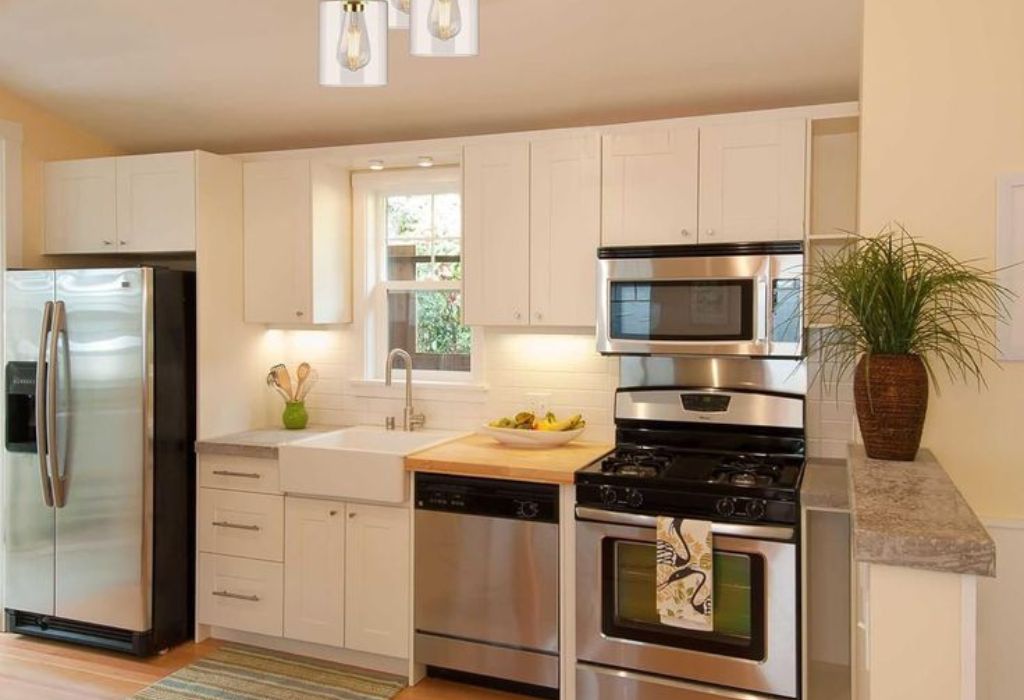
Luxury kitchens often feature double ovens for high-volume cooking and entertaining. These layouts offer unmatched flexibility and performance.
Double wall ovens are usually stacked vertically within a tall cabinet unit. This creates a dedicated baking and roasting zone without occupying base cabinet space.
One oven can be used for high-temperature roasting while the other handles slow baking or warming. This is ideal for holiday meals and large families.
In large island kitchens, one oven may be built into the island while the second remains on the main wall. This distributes workload and reduces congestion.
Double ovens require strong electrical capacity and proper ventilation planning. Cabinet insulation becomes especially important.
Luxury layouts with double ovens represent the highest level of kitchen convenience, efficiency, and visual impact.
Common Mistakes in Kitchen Layout Design with Oven
One of the most common mistakes is placing the oven too close to walkways where people pass frequently. This creates safety hazards and workflow disruptions.
Another mistake is ignoring ventilation needs. Poor airflow leads to heat damage, odor buildup, and discomfort.
Improper height placement causes daily discomfort and increases injury risk. Lack of landing space next to the oven makes it difficult to safely manage hot trays.
Overcrowding appliances around the oven reduces efficiency and creates clutter. Avoiding these mistakes ensures a kitchen that is safe, comfortable, and enjoyable to use.
Kitchen Design with Oven Frequently Asked Questions
Where is the best place to put an oven in a kitchen layout?
The best place for an oven is near the main preparation area with enough landing space on both sides for safe tray handling.
Is it better to have the oven under the cooktop or in a wall unit?
A wall-mounted oven is more ergonomic and reduces bending, while under-counter ovens save space in small kitchens.
Can I place an oven inside a kitchen island?
Yes, an oven can be installed in an island if there is enough clearance, proper ventilation, and safe walkway space.
What is the safest oven placement for homes with children?
Wall ovens placed at chest height and away from main walkways are the safest option for homes with children.
Does oven placement affect kitchen ventilation?
Yes, poor oven placement without proper ventilation can cause heat buildup, odors, and cabinet damage.
Which kitchen layout works best with a built-in wall oven?
L-shaped, U-shaped, and open-concept kitchens work especially well with built-in wall ovens.
How much space should be left in front of an oven?
At least 42 to 48 inches of clear space should be left in front of an oven for safe movement and door opening.
Is a double oven suitable for small kitchens?
Double ovens usually require larger kitchens, but compact double-oven units can work in some medium-sized layouts.
Does oven height really matter for daily cooking?
Yes, proper oven height reduces back strain, improves safety, and makes baking more comfortable.
What is the most common mistake in kitchen layout design with ovens?
The most common mistake is placing the oven too close to walkways without enough landing space nearby.
Conclusion
Kitchen layout ideas with oven placement are not just about looks. They directly impact safety, efficiency, comfort, and daily usability. Whether the kitchen is large or small, modern or traditional, the oven plays a central role in how the entire space functions.
From single wall and galley kitchens to U-shaped, island, and open-concept designs, every layout offers unique opportunities for smart oven placement. Ergonomic height, proper ventilation, nearby storage, and clear traffic flow determine how successful the design will be.
Luxury layouts with double ovens elevate convenience, while compact kitchens benefit from space-saving built-in designs. Across all styles, thoughtful planning prevents costly mistakes and improves long-term satisfaction.
When oven placement is done correctly, the kitchen becomes a smooth, safe, and inspiring place to cook every day. A well-planned oven layout transforms a simple kitchen into a truly functional heart of the home.

I’m Emma J. Caldwell, the founder, lead writer, and home-cooking enthusiast behind KitchenGuideCo.com. With a background in culinary arts and over a decade of cooking experience in both professional and personal kitchens, I created this platform to demystify recipes, offer smart kitchen gadget reviews, and guide readers through meal prep with confidence and clarity.