A dishwasher that suddenly stops responding, changes cycles on its own or refuses to start leaves most people confused about where the real problem lies.
At first, it may seem like a simple door latch issue, a faulty button or a loose wire behind the panel. But when symptoms begin appearing inconsistently, the dishwasher control board becomes one of the most likely suspects.
The control board acts as the brain of the appliance, sending commands to pumps, motors, valves and heating elements. When it starts failing, the entire machine behaves unpredictably because it no longer receives clear signals.
This creates a mix of electrical and mechanical symptoms that often mislead homeowners during early troubleshooting.
Understanding how to identify control board failure helps avoid unnecessary part replacements and saves time during diagnosis.
By learning the warning signs, checking electrical connections and observing behavior during each cycle, you can tell whether the control board is malfunctioning.
A careful approach allows you to pinpoint the issue and restore your dishwasher to reliable performance.
What the Dishwasher Control Board Actually Does
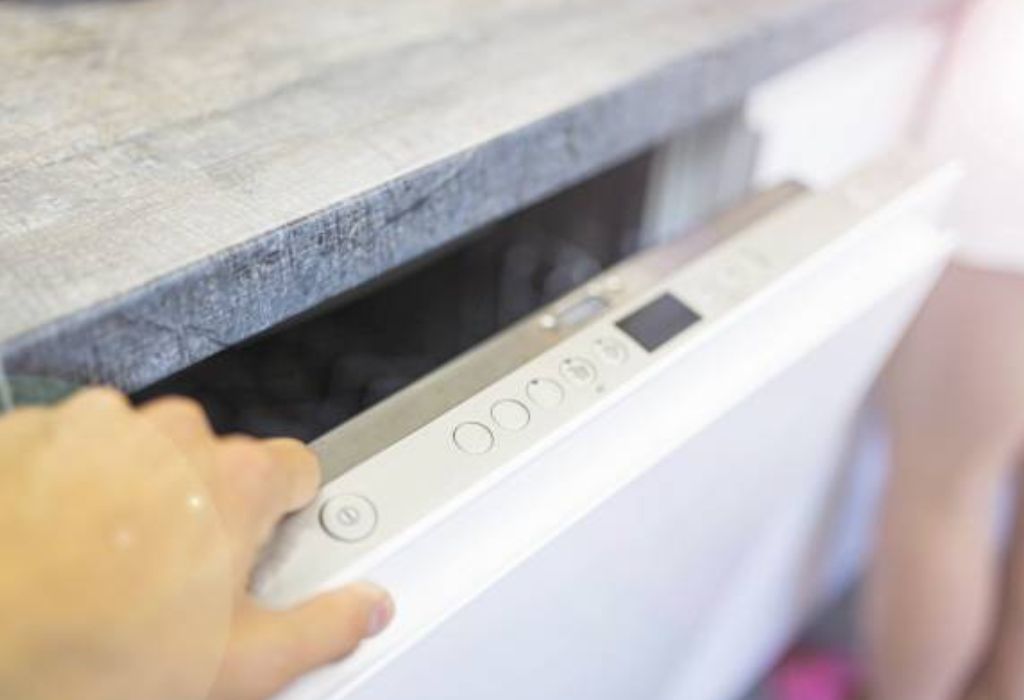
The control board manages every major function inside the dishwasher. It sends power to the circulation pump, drain pump and diverter motor at precise moments during the cycle. This timing ensures water flows correctly and dishes receive proper cleaning.
It also communicates with sensors that monitor water temperature, water level and door position. These sensors send data back to the board so it can adjust cycle behavior. A failing board may misread these signals and cause the dishwasher to stop unexpectedly.
The board controls the heating element during the wash and dry cycles. If it cannot activate the heater properly, dishes may remain cold or come out wet. This symptom often appears even when all components are working correctly.
Modern dishwashers rely on the board to switch between wash zones. When the diverter or spray arms need to change direction, the control board sends the necessary signals. A malfunctioning board may freeze the spray pattern in one position.
Some control boards track cycle duration and energy usage. If the timing circuits fail, the dishwasher may run longer or shorter than expected. This inconsistency points to internal damage on the board.
Understanding these roles makes troubleshooting more accurate. When multiple unrelated components fail at the same time, the control board becomes a primary suspect. Identifying its behavior helps determine whether replacement is needed.
Common Symptoms of a Bad Control Board
One of the most common signs of a failing control board is a dishwasher that will not start even when power is present. The lights may turn on, but the machine refuses to run a cycle. This usually means the board cannot send the start signal to internal components.
Another symptom is a dishwasher that stops mid cycle without explanation. When the board loses control over pumps or sensors, it shuts down abruptly. This unpredictable behavior often indicates internal board damage.
Buttons on the control panel may also stop responding. If the board fails to recognize user input, it cannot activate selected cycles. The dishwasher may beep, flash lights or show no reaction at all.
Erratic behavior is another indicator. The machine may skip cycles, switch to the wrong settings or drain when it should be washing. This confusion happens when the board cannot process signals properly.
A dishwasher that fills with water but never washes often points to a failing relay on the board. These relays control high energy components such as pumps. When they burn out, the machine loses the ability to run critical functions.
Sometimes the dishwasher displays random error codes. If these codes appear inconsistently and do not match actual component issues, the board may be sending false signals. This leads to misdiagnosis unless the board is checked first.
Bad smells or small popping sounds from behind the panel also hint at electrical failure. These noises come from burnt components on the board. Any of these symptoms suggest the board needs immediate inspection.
Electrical Problems That Mimic Control Board Failure
Many issues that look like control board failure actually come from simpler electrical problems. Loose wires behind the panel can interrupt signals and prevent cycles from starting. These problems appear identical to a failing board unless inspected closely.
A faulty door switch is one of the most common culprits. If the dishwasher believes the door is open, it will not run a cycle. This lockout behavior often makes homeowners think the board is malfunctioning.
Tripped breakers or weak power supply can also disrupt operation. A dishwasher receiving low voltage may flicker, shut off or behave erratically. This unstable power flow confuses the board and mimics internal failure.
Corroded connectors create inconsistent communication between the board and sensors. Moisture or age weakens these connections and causes intermittent faults. Cleaning or replacing connectors often restores normal function.
Faulty control panel buttons can also cause false symptoms. If the panel cannot send correct signals to the board, the dishwasher will not respond. Replacing the panel solves the issue without touching the board.
A failing thermal fuse stops power from reaching the control board. When the fuse blows, the dishwasher appears dead even though the board is intact. Testing the fuse prevents unnecessary board replacement.
These electrical problems must be checked before assuming the control board is bad. Ruling out simple faults ensures an accurate diagnosis. It also prevents spending money on a new board when the issue is minor.
Safety Steps Before Inspecting the Control Board
Before examining any control board, the first priority is safety because dishwashers combine water and electricity in a small space. Always begin by switching off the circuit breaker that supplies power to the appliance. This ensures the control board cannot receive voltage during inspection.
After turning off the breaker, unplug the dishwasher if the plug is accessible. Some dishwashers are hardwired, so the breaker becomes the only power cutoff. Ensuring both power sources are disconnected protects you from accidental shock.
It is also important to turn off the water supply valve. Although the water supply does not directly affect the control board, leaks can drip into the electrical compartment. Keeping water off prevents moisture damage and creates a safer environment for troubleshooting.
Remove all dishes and racks from the inside of the dishwasher. This gives you more room to test components and prevents loose items from pressing against internal wires. A clear workspace helps avoid mistakes during disassembly.
Protective gloves are useful when working behind the panel. Control boards sit inside sharp metal housings that can cause cuts. Gloves make it easier to handle wiring harnesses and connectors without injury.
A flashlight provides better visibility inside the upper control area. The board contains small circuits and connectors that must be inspected closely. Good lighting helps you spot corrosion, burn marks or moisture.
Following these safety steps prepares the dishwasher for proper inspection. It reduces risks and ensures each test can be performed accurately. Safe preparation leads to better results during troubleshooting.
Checking for Error Codes and Diagnostic Indicators
Many modern dishwashers include built-in diagnostic systems that help detect control board issues. These systems use error codes to signal specific failures within the appliance.
Understanding these codes helps identify whether the board is malfunctioning or receiving incorrect signals.
Error codes may appear on the digital display as letters and numbers. Each code corresponds to a sensor, motor or internal process monitored by the control board. When the board cannot interpret a signal, it generates an error message.
Some dishwashers use blinking lights instead of codes. These lights follow a repeating pattern that indicates a specific issue. Counting the blinks helps determine which part the control board is struggling to operate.
Running diagnostic mode tests components automatically. During the test, the dishwasher activates pumps, heaters and sensors while the board evaluates the responses. If the board cannot control a component properly, the diagnostic cycle identifies the area of failure.
Diagnostic mode is especially useful when the dishwasher stops mid cycle. It confirms whether the control board relays and timing circuits are functioning correctly. Inconsistent signals during diagnostics point to internal control board damage.
Certain brands record historical error codes. Reviewing the history shows repeated failures related to control board communication. These patterns help distinguish random glitches from genuine board issues.
Understanding diagnostic indicators makes troubleshooting more efficient. It provides a direct view of how the control board processes signals during operation. Accurate interpretation brings you closer to identifying the real fault.
Inspecting the Touchpad and User Interface Signals
The touchpad or user interface panel sends commands to the control board. When the panel develops problems, it creates symptoms similar to control board failure. Determining which part is faulty requires careful inspection of how the two components communicate.
A non-responsive touchpad is often mistaken for a defective control board. When buttons do not react, the panel may be failing to send signals to the board. Testing the touchpad ensures you do not replace the wrong part.
Sometimes only specific buttons stop working. If certain keys function while others do not, the touchpad membrane may be damaged. This selective failure rarely points to the control board itself.
Loose ribbon cables also cause communication problems. These flat cables carry touchpad signals directly to the control board. When they loosen or corrode, the dishwasher ignores user input.
Moisture buildup behind the control panel can cause false touches. Condensation or leaks may trigger unintentional commands that confuse the board. Drying the panel and sealing leaks resolves these issues.
Inspecting the interface requires removing the front panel. Once exposed, you can check the ribbon cable connection, look for corrosion and examine the touchpad surface. Any damage here must be addressed before replacing the control board.
Testing the interface ensures accurate diagnosis. It helps confirm whether the board is failing or simply receiving incorrect signals. This step prevents unnecessary part replacements and saves repair costs.
Testing Voltage Supply to the Control Board
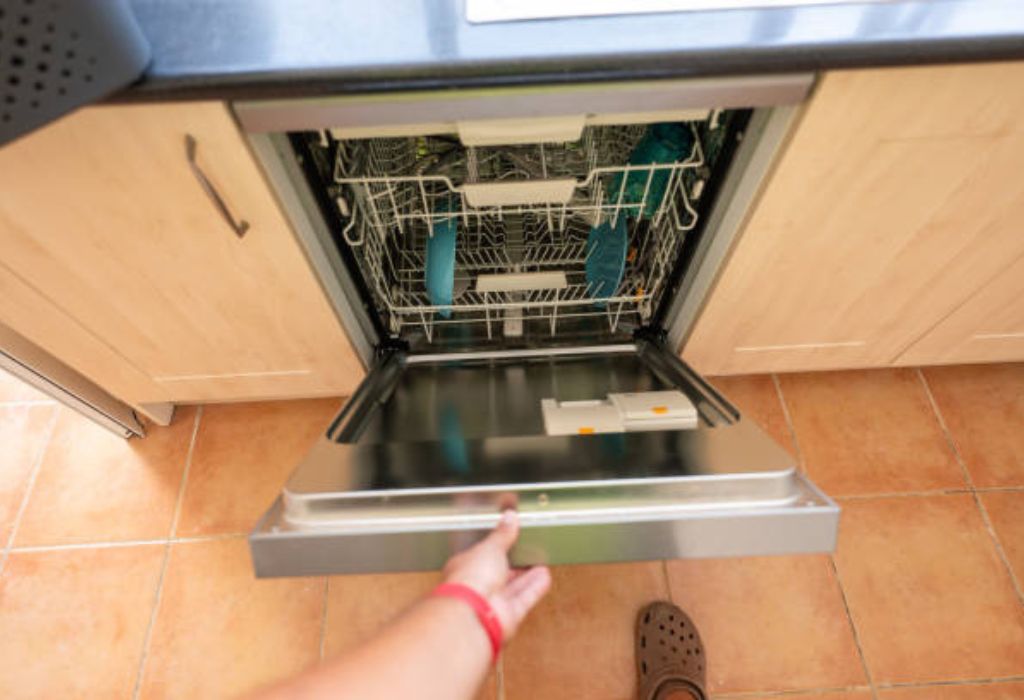
The control board cannot function properly unless it receives the correct voltage from the power source. When voltage is too low, unstable or completely interrupted, the board reacts unpredictably and creates symptoms that look like internal failure. Using a multimeter helps determine whether the board is getting the power it needs.
The first step is checking the terminal block where the power line enters the dishwasher. Loose screws or burnt connectors can interrupt the voltage supply. Tightening these connections restores consistent power and prevents false control board symptoms.
Some dishwashers include a line fuse that protects the board from electrical surges. When this fuse blows, no power reaches the board, making the dishwasher appear dead. Replacing the fuse restores full operation if the board is still healthy.
Measuring voltage at the board’s input pins confirms whether electricity reaches the correct pathways. If the reading is significantly lower than the manufacturer’s requirement, the issue lies in the home wiring or dishwasher harness. Correcting the source of the voltage drop prevents further damage to the board.
Voltage interruptions also occur when wires develop cracks or heat damage. These wires may function intermittently, causing the dishwasher to shut down at random times. Replacing damaged wiring creates reliable power delivery.
Power fluctuations caused by faulty outlets or shared circuits can confuse the control board. The board may reset during cycles or misinterpret signals coming from sensors. Ensuring the dishwasher uses a dedicated, stable circuit prevents this issue.
Testing the voltage supply is essential before replacing the control board. It eliminates guesswork and confirms whether the board is truly defective or simply receiving poor power. Accurate testing leads to correct diagnosis and repair.
How to Inspect Burn Marks, Corrosion and Loose Components
When a control board begins to fail, physical damage often appears on the board itself. Burn marks, melted areas or darkened spots indicate overheating or electrical shorting. These signs show that internal components have failed or are close to failure.
Corrosion is another visible indicator of board problems. Moisture from leaks or condensation can settle on the board and create rust around metal contacts. This corrosion interrupts signals and causes unpredictable behavior during cycles.
Loose components may also create significant problems. Small relays, resistors or capacitors can loosen from heat expansion and vibration. When these parts shift, they break electrical pathways and prevent the dishwasher from functioning.
Inspecting the board requires removing its protective cover. Once exposed, each area should be checked carefully with strong lighting. A magnifying glass helps identify small cracks or lifted solder joints.
Burnt relays are especially common in older dishwashers. These relays control high energy components such as pumps and heaters. When they burn, the board cannot complete commands even if the rest of the dishwasher is healthy.
A board that smells burnt is another strong sign of failure. This smell indicates melted insulation or overheated circuits. Any board with this odor typically needs full replacement.
Physical inspection helps confirm whether the problem is internal or caused by external wiring. Clear damage on the board proves that it cannot be repaired easily. Identifying these issues ensures correct decisions during troubleshooting.
When Relays, Fuses or Tracks on the Board Fail
Relays act as switches that allow the control board to activate major components. When a relay sticks, burns out or stops responding, the dishwasher loses the ability to run pumps or heaters. This failure causes incomplete cycles and poor cleaning results.
The thermal fuse protects the board from overheating. If the fuse blows, the board loses power and the dishwasher appears completely dead. Replacing the fuse restores function only if the board itself is not damaged.
Printed circuit board tracks guide electricity between components. When these tracks burn or crack, the electrical pathway breaks. This interruption causes symptoms that look like relay or sensor failure.
Some relays fail partially rather than fully. They may click but fail to deliver power consistently. This creates inconsistent operation such as heaters working one cycle and failing the next.
A failed track sometimes appears as a thin dark line across the board. These damaged sections prevent components from receiving the signals they need. Repairing these tracks requires soldering skills and careful precision.
Fuses on the board may also weaken from age. Weak fuses allow power to pass intermittently, confusing the control circuits. Replacing them restores steady current to the control board.
Understanding how relays, fuses and tracks fail helps diagnose deeper board issues. These components reveal whether repair is possible or if replacement is the better option. Correct identification saves time and ensures the dishwasher runs reliably again.
How to Test Output Signals from the Control Board
The control board sends power and commands to pumps, valves and motors, and testing these output signals helps determine whether the board is functioning properly.
Using a multimeter, you can measure whether voltage is reaching each component at the correct time during the cycle. If voltage is missing or unstable, the control board may not be sending proper signals.
Start by locating the wiring harnesses connected to the board. Each harness leads to a different component such as the circulation pump, drain pump or heating element. Testing these connectors during the wash cycle reveals whether commands are being delivered.
If the dishwasher fills but never washes, the output line to the circulation pump may not be energized. This usually points to a failed pump relay or burned output trace on the board. Identifying this failure saves time during troubleshooting.
Intermittent voltage is another signal of board failure. Voltage that flickers on and off confuses motors and causes the dishwasher to stop mid cycle. Stable and continuous output is required for proper operation.
The control board also sends signals to sensors such as the float switch and temperature sensor. If these sensors receive inconsistent signals, the dishwasher misreads conditions inside the tub. This may cause the machine to stop or switch cycles unexpectedly.
Some dishwashers rely on pulse signals rather than steady voltage. If the pulses are missing, delayed or irregular, the component will not activate correctly. This behavior almost always points to internal board failure.
Testing output signals confirms whether the board is completing its job. It narrows the diagnosis and ensures you only replace the board when truly necessary. Accurate testing avoids unnecessary component replacements.
When the Dishwasher Stops Mid Cycle Due to Board Issues
A dishwasher that stops mid cycle is one of the strongest signs of control board trouble. The board controls cycle timing, and when timing circuits fail, the machine cannot continue running normally. This causes sudden pauses or complete shutdowns.
The dishwasher may stop during draining, washing or drying. Each stage requires specific power signals from the board. When the board loses control over a component, the cycle ends abruptly.
A faulty relay on the board is a common cause of mid cycle shutdowns. If the relay responsible for powering the pump or heater fails, the dishwasher cannot continue. The control board reacts by stopping the cycle to prevent damage.
Temperature sensors also rely on accurate readings from the board. If the board misinterprets the temperature, it may think the water is too hot or too cold. This confusion triggers safety shutdowns during the cycle.
Electrical noise can interfere with control board communication. When signals become scrambled, the board stops the cycle to reset its internal logic. This rebooting behavior is another sign of control board failure.
Some dishwashers attempt to restart after stopping mid cycle. When they cannot resume, the issue becomes more obvious. This cycle interruption pattern is typical of failing control circuits.
Mid cycle failures are frustrating but highly informative. They reveal timing and control problems that often originate inside the board. Identifying this behavior helps confirm a failing control board.
When to Replace the Control Board
A control board should be replaced when repeated tests show missing voltage, burnt circuitry or damaged relays. If multiple unrelated components fail at the same time, the board is usually the root cause. Replacing the board restores proper coordination between all dishwasher systems.
A dishwasher that behaves unpredictably despite working sensors and motors also points to a failing board.
When the machine fills but does not wash, or washes but never drains, the board is no longer sending the correct signals. This pattern becomes more frequent as the board deteriorates.
Boards with burn marks or melted sections must always be replaced. These signs indicate electrical overheating that cannot be repaired safely. Installing a new board prevents further damage to the appliance.
If error codes appear repeatedly even after repairing related components, the board is likely misinterpreting sensor data. This miscommunication disrupts the entire wash cycle. Replacing the board restores accurate readings.
A dishwasher that does not respond to user input also suggests board failure. When buttons and cycles work intermittently, the board may be losing communication with the interface panel. A new control board resolves this communication gap.
Replacing the board becomes more cost effective than repairing other parts repeatedly. A fresh board restores full dishwasher performance and extends the life of the appliance. Replacement is the best option when tests clearly show internal board failure.
Preventing Future Control Board Failures
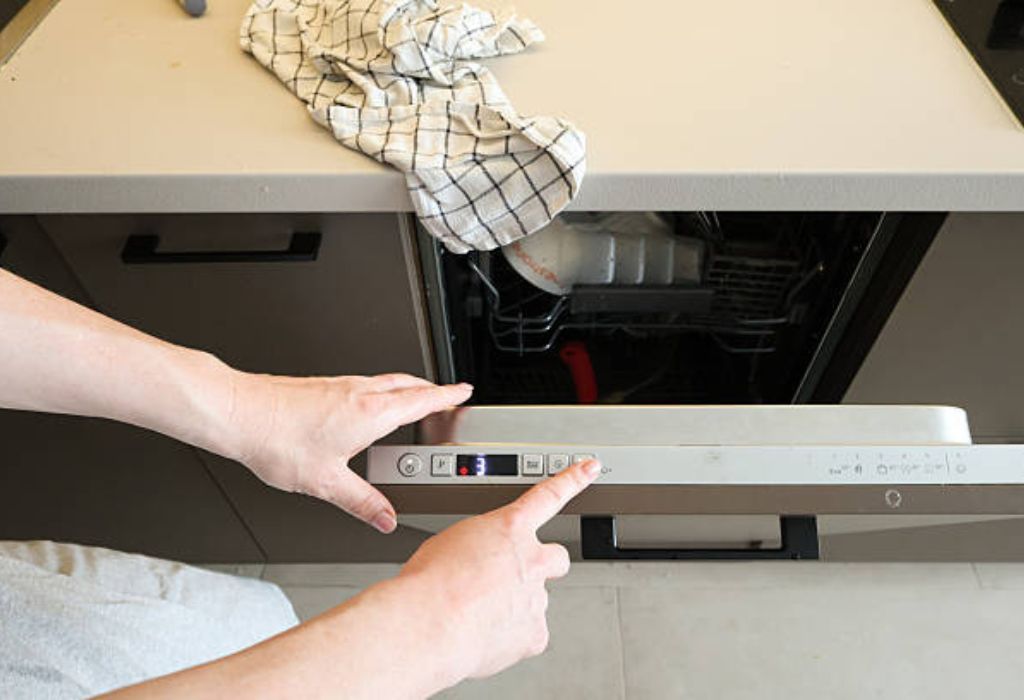
Preventing control board failure begins with protecting the dishwasher from moisture. Water leaks near the control panel can drip onto the board and cause corrosion. Fixing leaks early dramatically reduces the risk of electrical damage.
Using high quality detergent prevents excessive suds that may rise into the control area. Excess foam increases moisture inside the dishwasher and stresses components. A cleaner environment keeps the electrical system stable.
Ensuring the dishwasher receives stable voltage prevents relay and fuse damage. Power fluctuations from shared circuits weaken internal solder joints. Using a dedicated circuit helps keep voltage consistent.
Regularly cleaning filters and the sump area keeps the machine working efficiently. When pumps and motors run smoothly, the control board is not forced to compensate. This reduces electrical stress during operation.
Avoiding overloading also protects the board. Heavy loads force the dishwasher to run longer and strain control circuits. Balanced loading supports cleaner cycles and better board performance.
Inspecting wiring harnesses every few months prevents loose connections. Tight and secure wiring ensures the control board receives reliable signals. This prevents miscommunication between the board and internal components.
Preventive maintenance keeps your dishwasher running smoothly. By protecting the control board from moisture, voltage issues and debris buildup, you extend its lifespan significantly. A well maintained board supports reliable performance cycle after cycle.
Frequently Asked Questions
What are the most common signs of a bad dishwasher control board?
The most common signs include the dishwasher not starting, stopping mid cycle or switching cycles on its own. Buttons may become unresponsive and random error codes may appear. These symptoms often indicate the control board is failing to send proper signals.
Can a dishwasher control board fail without showing error codes?
Yes, many dishwashers develop control board issues long before an error code appears. Some older models do not detect board failures at all. In these cases, inconsistent behavior becomes the main clue.
Why does my dishwasher keep shutting off in the middle of a wash?
Mid cycle shutdowns often mean the timing circuits or relays on the control board are failing. When these circuits cannot maintain stable power, the dishwasher stops to protect internal components. This is one of the strongest indicators of control board failure.
Can a bad touchpad make it seem like the control board is faulty?
Yes, a damaged touchpad or ribbon cable can prevent signals from reaching the board. This creates symptoms that look identical to board failure. Testing the user interface first prevents misdiagnosis.
Why do some buttons stop working even though others respond normally?
This usually means the touchpad membrane is damaged, not the control board. Selective button failure happens when certain circuits inside the panel wear out. Replacing the touchpad solves the issue.
Can moisture damage the dishwasher control board?
Yes, moisture is one of the most common reasons control boards fail. Leaks or condensation create corrosion that interrupts electrical pathways. Addressing moisture early prevents long term damage.
Why does my dishwasher run but never heat the water?
A failing control board may not send proper signals to the heating element. Burnt relays or damaged tracks prevent power from reaching the heater. This results in cold cycles even when the heater itself is good.
Can a blown thermal fuse make the control board look dead?
Yes, the thermal fuse protects the board from overheating and cuts off power when it blows. When this happens, the dishwasher appears completely unresponsive. Replacing the fuse restores power if the board is still functional.
Should I replace the control board if multiple components stop working together?
Yes, when unrelated components fail at the same time, the board is usually the cause. Pumps, heaters and sensors relying on the same board circuits stop receiving proper commands. This pattern is a clear sign of internal board failure.
How do I know when it is time to replace the dishwasher control board?
If the board has burn marks, sends inconsistent signals or repeatedly causes cycle failures, replacement is necessary. Tests confirming missing voltage also point to internal failure. Installing a new board restores full operation.
Conclusion
Identifying a failing dishwasher control board becomes much easier once you understand the symptoms and the role the board plays in every cycle.
The control board serves as the communication center of the appliance, directing pumps, heaters, sensors and motors at precise moments.
When it begins malfunctioning, the dishwasher behaves unpredictably and creates problems that affect cleaning performance, cycle timing and user control.
Many signs of board failure can be mistaken for simpler issues like loose wiring, faulty buttons or blown fuses. This is why careful inspection, voltage testing and diagnostic mode checks are essential before replacing any parts.
By ruling out these smaller issues first, you can confirm whether the control board is truly the source of the problem.
A failing control board may cause mid cycle shutdowns, unresponsive buttons, false error codes or components that never receive power. These symptoms grow more frequent over time as internal circuits wear out or relays stop functioning correctly.
When multiple components fail together or power signals become inconsistent, replacement becomes the most dependable solution.
Installing a new control board restores accurate water heating, proper pump operation and stable communication with all sensors. It brings back consistent cleaning results and ensures the dishwasher runs smoothly through each stage of the wash cycle.
With regular maintenance, stable power supply and protection from moisture, the new board can last many years and keep the dishwasher performing reliably.

I’m Emma J. Caldwell, the founder, lead writer, and home-cooking enthusiast behind KitchenGuideCo.com. With a background in culinary arts and over a decade of cooking experience in both professional and personal kitchens, I created this platform to demystify recipes, offer smart kitchen gadget reviews, and guide readers through meal prep with confidence and clarity.