You’ve just finished cooking a big family meal, and your kitchen tells the story. Pots with sauce residue, pans coated in oil, and utensils scattered across the counter beg for cleanup. The dishwasher seems like salvation, but loading those bulky items can be confusing.
Should the pots face down or up? Can non-stick pans go in, or will the heat ruin their surface? Many people make the mistake of loading cookware like plates, only to find baked-on food still clinging after a full cycle.
Your dishwasher is a powerful cleaning tool, but it works best when every item is placed strategically. Pots and pans have unique shapes that can block spray arms, trap water, or prevent detergent from reaching corners. Understanding their placement is the key to sparkling, sanitized results.
This guide will teach you everything you need to know about loading pots and pans correctly. From understanding dishwasher mechanics to arranging heavy cookware safely, each step ensures efficient washing and long-term durability. By the end, your dishwasher won’t just clean, it’ll perform like a pro.
How Dishwashers Clean Heavy Cookware
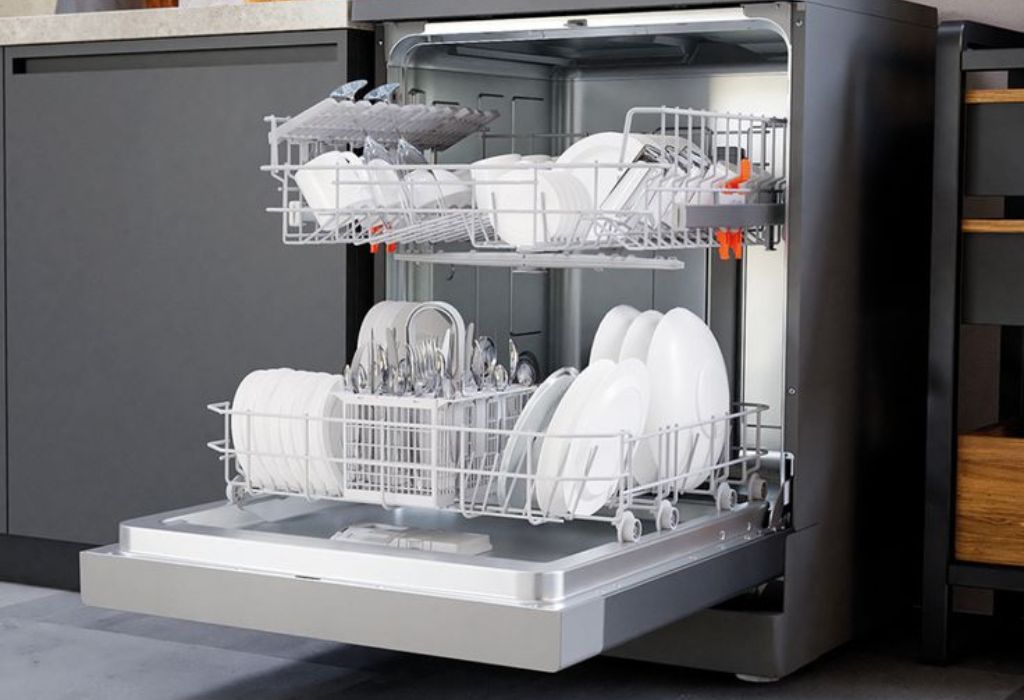
A dishwasher doesn’t just spray water randomly. Inside, powerful jets blast heated water mixed with detergent at precise angles, cycling through wash, rinse, and dry stages. The pattern of that spray is carefully designed to reach flat plates and open surfaces first.
Pots and pans challenge that design because of their depth and shape. Their tall sides and handles can block the flow of water, keeping food residue stuck inside. That’s why loading technique matters even more for cookware than for utensils or cups.
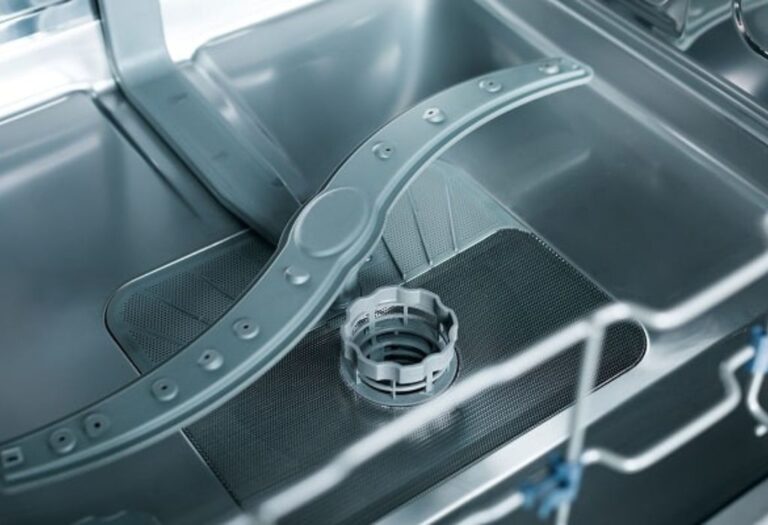
Most dishwashers use two or three rotating spray arms positioned below each rack. The lower arm handles the dirtiest items — usually pots, pans, and large dishes. When these items are placed correctly, the jets reach every inner surface and rinse efficiently.
Water temperature also plays a role in cleaning success. At around 140–150 °F, grease softens, detergent activates, and residue lifts away. A full cycle combines pressure, heat, and chemistry — but only if cookware placement allows the water to move freely.
By understanding how your dishwasher circulates water, you can position cookware to take full advantage of that design. This transforms every wash from guesswork into a reliable cleaning routine.
Choosing Which Pots and Pans Are Dishwasher Safe
Before loading, check if your cookware is truly dishwasher safe. Not every pot or pan is designed to withstand high heat, detergent strength, or long exposure to moisture. Ignoring labels can lead to discoloration, peeling, or warping.
Stainless-steel pots and pans are generally safe for dishwashers. They tolerate heat and detergent well, though occasional water spots may appear without rinse aid. For best results, avoid harsh cycles or high heat drying to preserve shine.
Non-stick pans require more caution. Many modern non-stick coatings claim dishwasher safety, but repeated washing can still weaken the surface. Hand washing is always gentler, especially for expensive or ceramic-coated pieces.
Cast iron and carbon-steel pans should never enter the dishwasher. Their seasoning layer, which gives them non-stick power, will strip away instantly. Exposure to detergent and moisture also causes rust that’s hard to remove.
Copper and aluminum cookware may also react poorly to detergent, causing dulling or white film. Unless labeled dishwasher safe, these are best washed by hand. Always read manufacturer instructions before loading any specialty pan.
Choosing dishwasher-safe cookware ensures your cleaning routine improves performance rather than causing damage. Once you know which pieces qualify, you can load confidently every time.
Positioning Pots and Pans for Maximum Cleaning
The lower rack is the powerhouse of your dishwasher. It receives the strongest water pressure and the highest temperature, making it the perfect spot for pots and pans. Positioning them correctly here is the secret to spotless results.
Always load pots and pans facing downward so the dirty interior faces the spray arm. This allows detergent and water to reach the base directly. Facing them upward traps water and detergent inside, leaving greasy puddles behind.
Tilt each pot slightly toward the center of the dishwasher. This tilt ensures that water flows freely during the rinse and drains effectively during drying. When cookware sits flat, pools of water collect and create water spots.
Avoid overlapping or stacking. Large pans can easily block spray arms from spinning, which reduces cleaning across the entire load. If your cookware is too large, wash it separately in a lighter cycle to allow better circulation.
Handles should point inward or sideways to avoid interfering with spray rotation. Metal handles can also conduct heat, so spacing them apart prevents them from drying unevenly. Secure lightweight lids separately to avoid rattling or blocking jets.
When every item faces the right direction and has room to breathe, your dishwasher’s performance improves dramatically. Clean water, smooth drainage, and perfect drying start with smart positioning.
Balancing Weight and Preventing Damage
Heavy cookware can strain both your dishwasher’s racks and its internal spray mechanism. Distributing weight evenly across the lower rack prevents bending and ensures smooth rotation of the spray arms. Balance isn’t just for cleanliness — it’s for machine health.
Never cluster all the heaviest pots on one side. Spread them across the bottom so the rack glides easily when pushed in or out. Uneven loading can cause wear on the track wheels and damage to the rack supports.
Avoid placing heavy pots directly on top of lighter dishes or utensils. The weight can crack delicate items during the wash cycle’s vibrations. Always dedicate the lower rack to cookware only, keeping smaller dishes on the upper rack.
Use the rack tines wisely. Most lower racks have angled prongs designed to hold deep dishes or bowls. Position pot rims between these tines for stability so they don’t flip or slide during the wash.
If your dishwasher includes adjustable rack levels, lower the bottom rack to make space for taller cookware. This prevents scratching the upper spray arm and allows pots to sit deeper. Leaving vertical clearance improves water flow for both racks.
Inspect cookware edges and lids before loading. Sharp metal rims can scratch the dishwasher’s interior coating, leading to rust spots over time. Padding large items with space and proper alignment keeps both machine and cookware in perfect shape.
Balanced weight and careful placement protect your investment — both your pots and your appliance. Every load runs smoother, quieter, and with far better results.
Loading Non-Stick and Specialty Cookware
Non-stick and specialty cookware need extra attention to avoid coating damage. Although many brands claim dishwasher safety, exposure to harsh detergent and high heat weakens the protective layer. If you must wash them in the dishwasher, placement is crucial.
Always position non-stick pans on the top rack if they fit. The top rack experiences gentler heat and water pressure, reducing wear. This also prevents other metal items from scratching the surface during washing.
Avoid using heavy cycles or high-temperature drying settings. Prolonged exposure can cause micro-cracks in the coating, reducing the pan’s lifespan. A normal or eco cycle is safer for preserving non-stick performance.
If your cookware has silicone or plastic handles, ensure they’re away from the heating element. Excessive heat can melt or warp them permanently. The top rack again provides a safer distance from direct heat.
For glass-lid pots or ceramic-coated pans, arrange them so the smooth surfaces face downward toward the spray arms. This positioning removes streaks and keeps glass crystal clear. Always dry lids separately to prevent trapped moisture under handles.
Avoid loading sharp utensils or knives near non-stick cookware. The motion of water jets can cause accidental contact that leaves scratches. Keeping delicate items separated protects both the coating and the finish.
By treating specialty cookware with care and understanding its unique needs, you ensure every load delivers clean results without compromising quality.
Avoiding Common Loading Mistakes
Even experienced users sometimes load cookware incorrectly. The most frequent error is stacking pans inside one another to save space. Unfortunately, this blocks water and detergent from reaching every surface and leaves baked-on stains.
Another mistake is overloading the lower rack with too many large items. When pots overlap or touch, spray arms can’t rotate properly. This reduces water pressure and results in greasy residue across the load.
Placing cookware flat without tilting also leads to poor drainage. Water pools at the bottom of each pan, causing streaks and slow drying. A slight angle allows water to flow off during the rinse and drying cycles.
Ignoring residue before washing is another issue. Burnt or sticky food can harden further under heat, making it impossible to remove later. Lightly scraping or soaking stubborn areas before loading ensures a cleaner result.
Using the wrong detergent type can dull your cookware. Some powders are too abrasive for delicate finishes. Choose high-quality dishwasher pods or gels labeled safe for stainless steel and non-stick surfaces.
Finally, don’t forget to secure lids, spatulas, and small items separately. Loose accessories can fly around and scratch cookware during the cycle. Keeping the load organized is key to achieving spotless, damage-free results.
Maximizing Space Efficiency When Loading Cookware
Dishwashers have limited space, and large cookware pieces can easily take up the majority of it. Learning to use every inch effectively allows you to clean more items in a single cycle. Efficient loading saves water, energy, and time while maintaining spotless results.
Start by loading the largest pans and pots first. Their position defines how much room is left for smaller pieces. Once you secure them properly, fill the remaining spaces with medium and small cookware items.
Stacking is not recommended, but layering smartly is possible when space is tight. For example, place a shallow baking tray beneath a tilted saucepan so water can still reach both. The goal is to maintain exposure to spray arms without overcrowding.
If your dishwasher has foldable tines, adjust them to fit deep cookware. Lowering or moving these prongs lets you accommodate bulky pans without forcing them into awkward angles. Customizing the rack layout every time helps you fit more without blocking jets.
Consider alternating the direction of handles to save space. Handles facing different ways prevent collision and improve airflow. Balanced spacing also minimizes rattling noise during the wash cycle.
For kitchens that handle frequent heavy cooking, load in batches by cookware type. Clean large pots first, then run a second, lighter cycle for smaller pans and utensils. This method protects delicate items while keeping your dishwasher performing efficiently.
Efficient use of space transforms how your dishwasher operates. With practice, you’ll be able to fit an entire meal’s cleanup — from stockpots to sauté pans — in just one well-organized load.
Maintaining Your Dishwasher for Better Cookware Cleaning

Even the best loading technique can’t overcome poor appliance maintenance. Over time, mineral deposits, grease, and food particles build up inside your dishwasher. This buildup reduces water pressure, weakens heat output, and leaves residue on cookware.
Begin by cleaning the filter and spray arms every few weeks. Remove the lower rack, unscrew the filter, and rinse it under warm water to remove trapped debris. Use a soft brush or toothpick to unclog spray holes for maximum water flow.
Run a cleaning cycle with vinegar or a dishwasher cleaner once a month. Fill a cup with white vinegar, place it on the top rack, and run a hot cycle with no dishes inside. This dissolves grease and kills bacteria without damaging internal components.
Hard water can cause white film or streaks on stainless steel cookware. To prevent this, use a rinse aid regularly and check your home’s water hardness level. Installing a softener may dramatically improve long-term cleaning performance.
Inspect door seals and gaskets for residue buildup. Wipe them with a damp cloth mixed with a little baking soda to remove grime. Keeping these seals clean prevents leaks and maintains consistent water pressure.
Also, ensure that your heating element is working properly. If dishes come out cold or damp, the heater may need service or descaling. Consistent heat ensures cookware dries completely and remains free of rust.
A well-maintained dishwasher not only lasts longer but also delivers spotless cookware every time. Regular cleaning keeps it running efficiently, allowing all your careful loading efforts to pay off in perfect, gleaming results.
Cleaning and Maintaining Cookware After Washing
Even after a perfect wash, a little post-care goes a long way. Removing pots and pans while they’re still warm allows water to evaporate quickly. Leaving them inside too long can trap steam and create mineral spots.
Wipe away any lingering moisture with a soft microfiber towel. This final step enhances shine and prevents streaks, especially on stainless steel surfaces. Drying also protects handles and rivets from rust.
Inspect each piece after unloading. If any residue remains, it usually means the item was shielded from spray jets or overloaded. Adjust placement next time and consider running a short rinse cycle for heavily soiled cookware.
Occasionally polish stainless steel cookware using vinegar or a stainless cleaner. This removes detergent film and restores luster. Avoid abrasive pads that can scratch the metal’s protective layer.
For non-stick pans, avoid stacking them directly after drying. Place a paper towel between them to prevent surface scratches. Storing them separately preserves the coating and ensures smooth performance.
Maintenance also includes checking your dishwasher’s filter and spray arms regularly. Food buildup there can re-circulate debris and reduce cleaning power. Keeping these parts clear ensures consistently spotless cookware.
Taking a few extra moments after each wash keeps both your pots and your appliance in prime condition. Clean cookware begins and ends with mindful care.
Common Questions About Loading Pots and Pans
Can I put cast-iron pans in the dishwasher?
No. Dishwashers strip away the protective seasoning and cause instant rust. Always hand wash cast iron using warm water and a soft brush.
Why do my stainless-steel pots come out dull?
High heat and hard water can cause spotting. Use a rinse aid and polish occasionally with vinegar for a brilliant shine.
Should I remove burnt food before washing?
Yes. Scrape or soak heavily burnt residue first so detergent can reach the surface. Dishwashers aren’t designed to handle thick layers of carbonized food.
Can I stack pans to save space?
Avoid stacking whenever possible. Overlapping cookware blocks spray jets and leads to poor cleaning results.
Is it okay to wash non-stick pans in the dishwasher?
Only if labeled dishwasher safe. Even then, use the top rack and mild cycles to protect the coating.
Where should lids go in the dishwasher?
Place them along the sides or on the top rack at an angle. This allows water to drain and prevents rattling during the cycle.
Why do my pots fill with water after washing?
They were loaded facing upward or completely flat. Always angle or invert pots so water drains instead of pooling inside.
Can aluminum pans go in the dishwasher?
Not usually. Dishwasher detergent reacts with aluminum and can leave a white film or dark spots. Hand washing is safer.
What’s the best cycle for cleaning pots and pans?
Use the heavy or “pots and pans” cycle when available. It combines high temperature and extended wash time for thorough cleaning.
How do I prevent rust on cookware edges or handles?
Dry immediately after washing and open the dishwasher door to release steam. Keep items spaced apart so moisture doesn’t collect between them.
Conclusion
Loading pots and pans isn’t just about fitting everything inside, it’s about giving your dishwasher room to work. Proper positioning, spacing, and awareness of what’s dishwasher safe make all the difference. With these techniques, you’ll never face stubborn grease or dull finishes again.
Always remember the golden rules: place pots upside down, tilt them toward the center, and avoid stacking. Keep handles clear of spray arms and separate different metals to prevent corrosion. A few small habits create huge improvements in cleaning quality.
Cleaning cookware is no longer the chore it once was. A well-loaded dishwasher saves time, energy, and water while delivering spotless results. The more consistently you follow these steps, the better your dishwasher performs.
Maintenance completes the process. Cleaning filters, checking spray arms, and caring for cookware surfaces ensures long-term efficiency. The result is cleaner dishes, a longer-lasting appliance, and cookware that always shines like new.
By mastering how to load your dishwasher with pots and pans, you’re mastering kitchen efficiency itself. Every cycle becomes smoother, faster, and more effective. With a little attention to detail, you’ll enjoy spotless cookware and a cleaner kitchen every single day.

I’m Emma J. Caldwell, the founder, lead writer, and home-cooking enthusiast behind KitchenGuideCo.com. With a background in culinary arts and over a decade of cooking experience in both professional and personal kitchens, I created this platform to demystify recipes, offer smart kitchen gadget reviews, and guide readers through meal prep with confidence and clarity.