You’ve finally decided to upgrade your old dishwasher, but there’s one big question before you buy a new one. Will the new model fit perfectly under your kitchen counter? Measuring the space correctly is the key to avoiding costly installation mistakes.
A dishwasher that doesn’t fit can cause cabinet damage or block drawers and doors. It can also lead to leaks or uneven operation if it’s forced into a tight space. Taking a few accurate measurements in advance can save time and frustration.
Most dishwashers are built for standard under counter spaces, but every kitchen layout is slightly different. The height of the countertop, the width of the cabinet opening, and even flooring thickness all affect the final fit. Precision matters more than most homeowners realize.
Measuring your space correctly also helps you choose the right model. Some dishwashers are taller or deeper than others, depending on design and capacity. Knowing your exact dimensions ensures a seamless, professional look.
In this guide, you’ll learn how to measure your under counter space step by step. Whether you’re replacing an old dishwasher or installing one for the first time, these simple techniques will help you get it right the first time.
Understanding Standard Dishwasher Dimensions
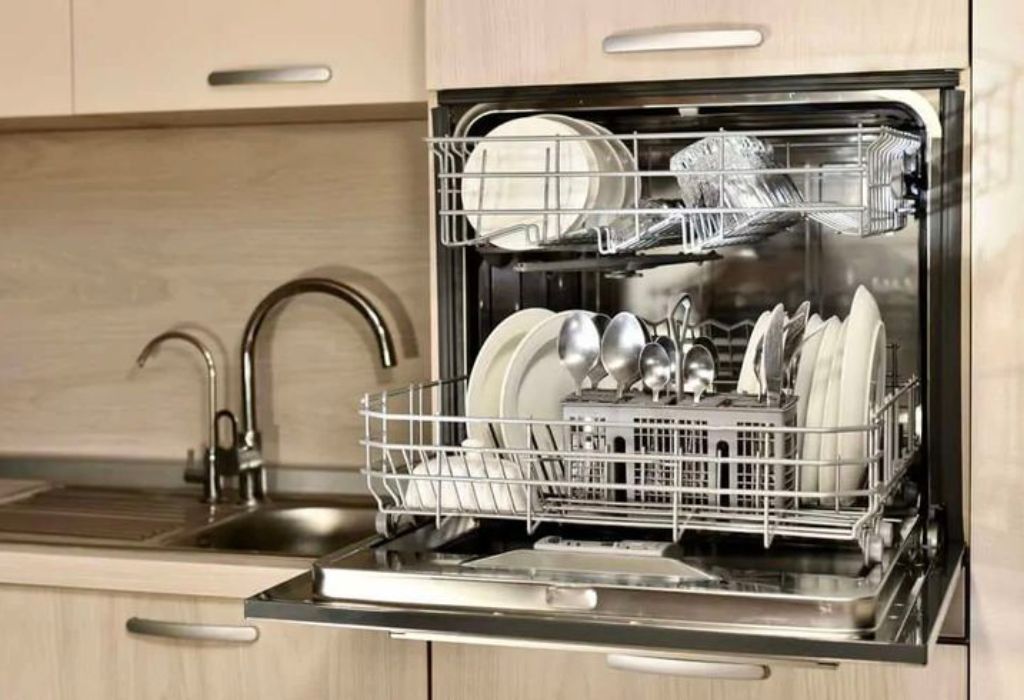
Before you start measuring your under counter space, it helps to know the standard dishwasher dimensions. Most built in dishwashers are designed to fit under standard kitchen counters. This allows manufacturers to create models that match common cabinet and countertop heights.
The typical standard dishwasher measures 24 inches wide, 24 inches deep, and 34 to 35 inches high. These dimensions ensure that most units slide easily between cabinets without modification. Compact models are slightly smaller for tighter kitchens or apartments.
Compact dishwashers are usually 18 inches wide and around 32 inches high. They are ideal for smaller kitchens or spaces with limited cabinet width. While they hold fewer dishes, they perform just as efficiently as larger models.
If your kitchen has custom cabinetry or countertops, you might have a non standard opening. Some homes built before the 1990s feature smaller spaces under the counter. Always measure carefully before assuming your space fits the standard range.
Dishwasher dimensions also include small adjustable feet that help level the unit. These allow installers to raise or lower the height slightly for a perfect fit. Knowing this detail prevents overestimating the available height.
Understanding these standard measurements is the foundation of a successful installation. It gives you a reference point to compare with your actual kitchen layout. Once you know the general range, you can start measuring your exact under counter space.
Tools You Need for Measuring the Space
Before measuring your under counter space for a dishwasher, gather all the right tools. Having proper equipment ensures accuracy and saves time during installation. You don’t need anything fancy, just a few simple household tools.
The most important tool is a tape measure with clear inch and centimeter markings. A standard 25 foot retractable tape works perfectly for kitchen measurements. It helps you record width, height, and depth precisely.
Keep a level handy to check if your floor and countertop are even. An uneven surface can cause the dishwasher to tilt or leak. Ensuring everything is level guarantees a smooth and secure fit.
A notepad and pencil are also essential for noting down your measurements. Record each dimension clearly and label them correctly to avoid confusion later. Writing them down helps when comparing different models online or in stores.
It’s also useful to have a flashlight or phone light to see under the counter. Dark spaces behind cabinets can make it difficult to measure depth accurately. Proper lighting ensures no mistakes when taking final readings.
Lastly, use a straight edge or ruler to check for any bumps or obstructions in the cabinet space. Pipes, wires, or uneven flooring can affect installation depth. Knowing these obstacles early helps you choose the right dishwasher style and avoid fitting problems.
Measuring the Width of the Under Counter Space
The width of your cabinet opening is the most important measurement for fitting a dishwasher. Most standard dishwashers require a 24 inch width, but older or custom kitchens may vary. Always measure carefully from side to side inside the opening.
Start by placing your tape measure across the bottom of the cabinet opening. Note the measurement in inches and record it on your notepad. This gives you the base reference for your dishwasher width.
Next, measure the width across the top of the opening. Cabinet walls can sometimes bow slightly outward or inward, especially in older kitchens. Taking both top and bottom measurements ensures the space is even from edge to edge.
If you notice a difference of more than one eighth of an inch between the two sides, check for warping. Uneven cabinets may require minor adjustments before installation. Fixing these issues early helps the dishwasher slide in perfectly.
Also measure across the middle section of the opening to confirm consistency. This prevents surprises during installation when the unit doesn’t fit tightly. Always choose a dishwasher slightly smaller than your narrowest measurement for a smooth fit.
If your space measures less than 24 inches, you’ll need a compact model. Compact dishwashers are usually 18 inches wide, designed for smaller kitchens or tight spaces.
Choosing the right width ensures your appliance operates efficiently and looks professionally installed.
What is the standard width for a built in dishwasher?
The standard width is 24 inches, designed to fit most modern under counter kitchen spaces.
Can I install a 24 inch dishwasher in an 18 inch opening?
No, you would need to either widen the opening or buy an 18 inch compact model.
Should I measure at multiple points across the width?
Yes, measure at the top, middle, and bottom to check for uneven or warped cabinets.
What if my space is slightly smaller than 24 inches?
You can remove small cabinet trim pieces or choose a compact model to fit comfortably.
Can cabinet walls bow inward over time?
Yes, wood or moisture exposure can cause slight warping that affects the fit.
How much clearance should I leave on each side?
Leave at least a quarter inch of clearance on both sides for smooth installation.
Is it better if the dishwasher fits tightly?
No, it should have a little space for ventilation and easy sliding during installation.
Measuring the Height Under the Counter
Height measurement is one of the most critical parts of preparing your under counter dishwasher space. It ensures that the appliance slides in smoothly without hitting the countertop. Accurate height measurement also prevents installation gaps or uneven alignment.
Start by measuring from the floor to the underside of the countertop. Place your tape measure at the back wall of the opening for the most precise result. Record the height in inches and round down slightly for safety.
Measure again from the front edge of the opening to check for level flooring. Sometimes, kitchen floors are not perfectly even, especially if new tiles were added. A small difference between front and back can affect how the dishwasher sits.
If your floor has been recently replaced, keep in mind that added height can reduce the available space. New flooring such as vinyl, tile, or hardwood may raise the surface by half an inch or more. This is enough to prevent some dishwashers from fitting correctly.
Most standard dishwashers fit in spaces between 34 and 35 inches high. Adjustable leveling legs on the appliance allow small height adjustments for a snug fit. However, the total space must still meet the manufacturer’s minimum requirement.
Always check the height at both sides and the middle of the opening. Kitchens with older cabinetry often have slight variations in height. Taking multiple readings ensures your new dishwasher sits level and flush with your countertops.
Measuring the Depth and Checking Connections
Depth measurement is just as important as height and width when preparing for a dishwasher installation. It ensures the unit fits flush with the cabinets and doesn’t stick out past the countertop edge. Accurate depth measurement also prevents blocking of doors or drawers nearby.
Start by measuring from the back wall of the cabinet to the front edge of the counter. Standard dishwashers need about 24 inches of depth for proper fit. Record the exact number and check for any pipes, hoses, or wires behind the space.
If your kitchen has water lines or electrical outlets positioned behind the dishwasher, factor them into your measurement. These can take up an inch or two of space and affect how far the appliance can slide in. Plan for that clearance before buying a model.
Make sure the depth measurement includes the dishwasher door when it opens. Most doors extend a few inches beyond the front of the counter. This ensures the door can open fully without hitting nearby cabinets or handles.
If your counter has thick decorative trim or uneven tiles, account for that as well. These features can slightly reduce the available depth. Double checking prevents alignment issues after installation.
A properly measured depth keeps your dishwasher secure, balanced, and neatly aligned with the rest of your kitchen design. Taking time to measure carefully ensures smooth installation and professional looking results.
What is the standard depth for an under counter dishwasher?
The standard depth is about 24 inches, which fits most kitchen layouts perfectly.
Should I include the door handle in the depth measurement?
No, measure only the cabinet space, but leave a few inches clearance for the open door.
How much space should I leave behind the dishwasher?
At least one inch for water lines, drain hoses, and electrical cords.
What if there are pipes or outlets behind the space?
Account for them in your depth measurement so the dishwasher doesn’t stick out.
Can I push the dishwasher completely against the wall?
No, leave a small gap to prevent hose crimping and allow ventilation.
Does a deeper countertop affect dishwasher fitting?
Yes, deeper counters may require adjusting the appliance position or choosing a shallow model.
How far should the dishwasher door open freely?
It should open at least 90 degrees without touching adjacent drawers or cabinet handles.
How to Check Leveling and Floor Slope Before Installation
Before setting your dishwasher in place, it’s important to check the floor level under the counter. Even a small slope can affect how the door closes or how water drains. Measuring and adjusting the floor slope ensures perfect alignment and performance.
Start by placing a carpenter’s level across the front and back of the cabinet opening. If the bubble moves off center, the floor has a slight tilt. Mark the direction of the slope so you can adjust it later during installation.
Uneven flooring can occur from old subfloors, tile grout, or water damage over time. Using shims or adjusting the dishwasher’s legs can easily fix this issue. Leveling keeps the appliance stable and quiet during operation.
A tilted dishwasher may cause water pooling or leaks along the door edges. It can also affect how the spray arms distribute water inside. Proper leveling helps the machine clean efficiently and prevents wear on moving parts.
Always check leveling before connecting the water line or drain hose. Making adjustments after installation is much more difficult. Taking a few minutes to correct the slope early saves you from future problems.
A level base ensures a professional finish and long term reliability. Once your floor and cabinets are properly aligned, installation becomes faster and smoother.
Final Fitting and Installation Tips
Once all your measurements are complete, it’s time to prepare for installation. Double check every dimension to confirm that your dishwasher will fit properly under the counter. Even a small mistake can make installation difficult or lead to long term issues.
Before sliding in the dishwasher, make sure the water line, drain hose, and electrical outlet are positioned correctly. They should all be easily accessible from the front opening. This prevents the need to pull the unit out again after it’s installed.
Place a thin layer of cardboard or an old towel on the floor while inserting the appliance. It helps protect both the floor and the dishwasher’s base from scratches. Slide the unit in slowly, making sure no hoses or wires get trapped underneath.
Use a level to ensure the dishwasher sits straight once it’s in place. Adjust the front and rear leveling legs until it aligns evenly with the countertop. A level installation prevents leaks and keeps the door sealing properly.
Connect the water supply and drain hose according to the manufacturer’s guide. Tighten all fittings securely but avoid over tightening to prevent leaks. Once connected, plug in the power cord and test the unit briefly to confirm everything works.
Finally, secure the dishwasher to the underside of the countertop with mounting brackets. This keeps it stable during operation and prevents vibrations or movement. A proper final fit ensures your dishwasher runs smoothly, quietly, and efficiently.
How to Measure Water Line and Electrical Connection Placement
Dishwashers require precise placement for both water supply and electrical outlets. Measuring these connections ensures that the hoses and cords fit comfortably behind the appliance. Incorrect positioning can make installation difficult or cause safety issues later.
Start by checking where the hot water line enters the cabinet space. It should ideally be located at the lower left side of the opening, about three inches from the back wall. This position allows easy access without bending or crimping the hose.
Next, measure the distance from the floor to the electrical outlet or junction box. Most dishwashers need a power source located six to twelve inches above the floor. This keeps wires clear of moisture and prevents accidental damage.
Check that the water valve and electrical box do not overlap or block each other. Both should have enough space for safe access. If they are too close, consider repositioning them before the installation day.
When measuring, allow extra space for the drain hose to loop upward before connecting to the sink drain. This prevents backflow and keeps dirty water from entering the dishwasher. Following this layout ensures a clean, secure installation every time.
If your plumbing or wiring setup is not standard, consult a professional installer. They can relocate connections to meet safety codes and appliance requirements. Proper placement guarantees smooth operation and long term reliability.
Where should the dishwasher water line be located?
It should be on the lower left side of the cabinet opening, about three inches from the back wall.
How far should the electrical outlet be from the floor?
Six to twelve inches above the floor is ideal for easy connection and safety.
Can the water line and electrical outlet be on the same side?
Yes, but they should have enough distance to avoid contact or moisture exposure.
What happens if the drain hose is too short?
A short hose can restrict movement or leak; always measure and use the correct length.
Should the water valve remain open during installation?
No, always close the valve before connecting the dishwasher line to avoid leaks.
Can I use an extension cord for the dishwasher?
No, it should connect directly to a grounded outlet or junction box for safety.
How do I measure for hose clearance behind the dishwasher?
Leave at least one inch of space for hoses and cords to pass freely without bending.
Common Measurement Mistakes to Avoid
Many homeowners rush through the measuring process and end up with dishwashers that don’t fit. Measuring accurately is essential for both appearance and function. Avoiding a few common mistakes can save you time and money.
One of the most common errors is not measuring all three dimensions properly. Some people only measure the width, forgetting the height and depth. Each dimension plays an important role in ensuring the dishwasher fits correctly.
Another mistake is forgetting to account for flooring thickness. If new tiles or wood flooring were added after the previous dishwasher, the available height may be reduced. This can prevent the new unit from sliding in all the way.
Some people also ignore uneven floors or countertops. Even small slopes can make the dishwasher door misalign or not close fully. Using a level helps identify these issues before installation.
Not checking for pipes, cords, or insulation at the back wall is another overlooked step. These obstructions reduce usable space and may force the dishwasher forward. Measuring the full depth including these features ensures a cleaner, more accurate fit.
Finally, avoid estimating or rounding your measurements. Always measure twice to be certain, using precise readings in inches. Accuracy during this step guarantees a perfect, professional installation result.
Should I measure after removing the old dishwasher?
Yes, removing the old one gives the most accurate space measurements without obstructions.
Can I trust my old dishwasher’s dimensions when buying a new one?
No, always remeasure the space since flooring or counters might have changed.
What if I measure the countertop height from the wrong spot?
It could cause installation issues, so always measure from the floor to the underside of the countertop.
Do I need to include the cabinet trim in my measurements?
Yes, include it if it reduces available width or height inside the opening.
Can measuring with a flexible cloth tape cause errors?
Yes, use a solid metal measuring tape for straight, precise results.
Is it okay to round up or down the numbers slightly?
No, record exact measurements in inches to avoid sizing mistakes.
Should I measure in centimeters or inches?
Use inches, since most dishwasher manufacturers list dimensions in inches for standard sizing.
Tips for Choosing the Right Dishwasher Size
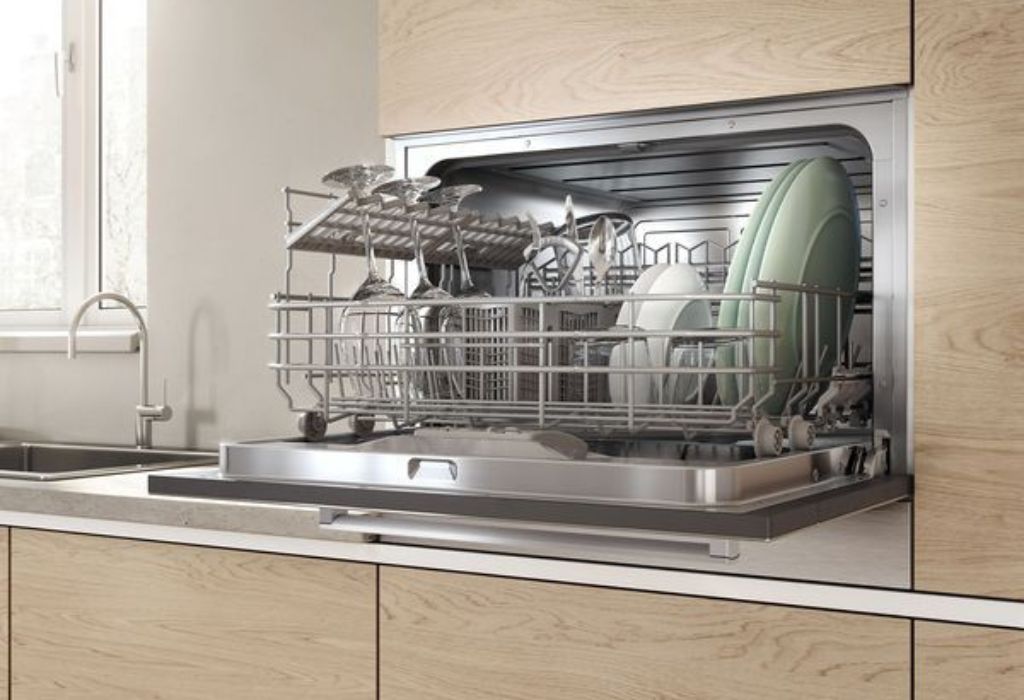
Choosing the correct dishwasher size is just as important as measuring the space. The right fit ensures that your appliance performs efficiently and blends seamlessly with your kitchen design. It also makes installation easier and prevents costly modifications later.
If your cabinet opening measures around 24 inches wide, a standard dishwasher will fit perfectly. These models offer the largest capacity and are ideal for families or frequent users. For smaller kitchens or apartments, compact dishwashers that measure about 18 inches wide are a great alternative.
Consider the depth of your counters when selecting a model. Some premium dishwashers have extra insulation or internal features that make them slightly deeper. Always compare the manufacturer’s listed dimensions with your measured space before buying.
Check the door clearance as well, especially if your kitchen has tight walkways or nearby drawers. The dishwasher door should open fully without hitting cabinets or handles. This small detail ensures convenience and accessibility.
If your kitchen has uneven flooring or older cabinets, look for models with adjustable legs. These allow minor height changes and help align the dishwasher perfectly under the counter. Adjustable feet are especially useful in older homes.
Lastly, choose a model that suits your lifestyle and usage. Energy efficient models save water and electricity, while quieter designs create a more comfortable kitchen environment. Matching the size and features to your needs guarantees long term satisfaction.
How to Double Check Measurements Before Buying the Dishwasher
After taking all your measurements, it’s smart to double check before purchasing your appliance. Confirming accuracy ensures that the model you choose will slide in perfectly under the counter. A few minutes of review can prevent expensive installation errors.
Compare your recorded measurements with the manufacturer’s listed dimensions. Focus on width, height, and depth to confirm compatibility. Pay attention to additional space needed for hoses, wires, and ventilation.
If your measurements are slightly smaller than the dishwasher’s listed dimensions, don’t assume it will fit. Always leave a little extra room for movement and leveling. This avoids scratching cabinets and makes installation smoother.
Double checking also helps if you plan to order the appliance online. Product pages often list exact fitting requirements and installation diagrams. Reviewing these details helps you choose confidently.
If possible, visit a local store with your notes to confirm the fit with a physical model. Seeing the appliance in person helps you visualize its placement under your counter. It also allows you to discuss potential adjustments with a salesperson.
After verification, store your measurements safely for the installer. Having them on hand ensures everyone follows the same reference during setup. Accurate measurements guarantee a stress free and perfectly aligned dishwasher installation.
Conclusion
Measuring your under counter space for a dishwasher might seem simple, but precision makes all the difference.
A few extra minutes spent checking width, height, and depth can prevent major installation problems later. Accurate measurements ensure that your appliance fits perfectly, looks seamless, and performs efficiently for years.
Understanding standard sizes and preparing your space correctly helps you choose the right model. Whether your kitchen requires a full size 24 inch unit or a compact 18 inch design, the process begins with careful measurement.
Checking every angle and confirming cabinet alignment guarantees a professional result without stress.
Small factors like flooring height, countertop trim, and back wall obstructions often go unnoticed. Including these details in your measurements keeps your dishwasher level and properly ventilated. This attention to detail also extends the lifespan of both your appliance and surrounding cabinetry.
With the right tools, accurate notes, and a patient approach, anyone can measure for a perfect under counter fit.
Once the numbers are correct, installation becomes smoother, faster, and more secure. A well measured space not only improves kitchen function but also adds lasting value to your home.

I’m Emma J. Caldwell, the founder, lead writer, and home-cooking enthusiast behind KitchenGuideCo.com. With a background in culinary arts and over a decade of cooking experience in both professional and personal kitchens, I created this platform to demystify recipes, offer smart kitchen gadget reviews, and guide readers through meal prep with confidence and clarity.