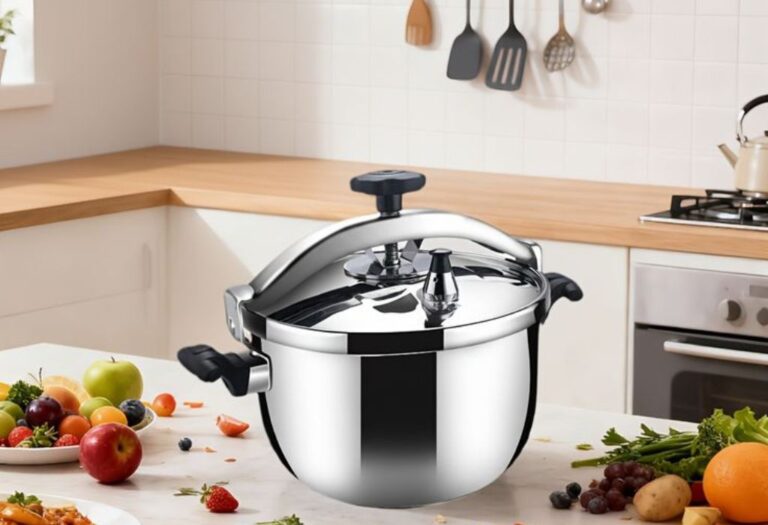
Choosing between natural release and quick release isn’t about one being inherently better, but rather selecting the right method for your specific food to achieve optimal results. Natural release gently concludes cooking and prevents foaming, ideal for soups, stews, and grains, while quick release rapidly halts the cooking process, perfect for delicate vegetables, fish, and dairy to avoid overcooking.
Natural Release vs Quick Release: What’s Best For Your Food?
Hey there, fellow home cooks! Ever stood by your pressure cooker, steam hissing, wondering if you should let it do its thing naturally or quickly vent that pressure? You’re definitely not alone! It’s a classic kitchen question: natural release vs quick release. And honestly, there’s no single “best” option. The right choice truly depends on what amazing dish you’ve got bubbling inside. Understanding the difference can totally change your results, making your food go from “good” to “oh my goodness!”
I’ve been there, making the wrong choice and ending up with mushy veggies or tough meat. But through a little trial and error (and a lot of delicious meals), I’ve learned that each method has its moment to shine. Let’s dive into when and why you’d pick one over the other for your pressure cooking adventures.
So, what’s the real scoop on Natural Release vs Quick Release, and when should I use which one for the best results?
Great question! Deciding between natural release vs quick release is all about how you want your food to finish cooking. Think of it like a gentle cool-down versus an abrupt stop.
Let’s start with Natural Release (NR). This method means you simply turn off the heat and let the pressure cooker slowly depressurize on its own. The pressure gradually drops, and the internal temperature slowly comes down. It’s a very gentle process that often takes 10 to 20 minutes, sometimes even longer, depending on what you’re cooking and how full the pot is.
I always think of natural release as an extension of the cooking process. Foods continue to cook in the residual heat, which is fantastic for several reasons. For instance, if you’re making something foamy or starchy like beans, rice, or oatmeal, natural release is your best friend. Quick releasing these can lead to a messy geyser of food erupting from the vent – trust me, I learned that one the hard way! NR also works wonders for larger cuts of meat, stews, and soups. It allows the fibers to relax, making the meat incredibly tender and juicy, and lets flavors meld beautifully. I remember making a pot roast once and using natural release; the meat just shredded with a fork, and the gravy was perfectly smooth. It prevents delicate ingredients from breaking apart, too, helping them keep their shape.
Now, let’s talk about Quick Release (QR). This is when you manually open the steam release valve, letting all that pressure escape rapidly. You’ll hear a whoosh of steam, and within a minute or two (again, depending on volume), the pressure is gone.
Quick release is like hitting the brakes immediately on your cooking. This method is ideal when you want to stop the cooking process as soon as possible. It’s perfect for delicate foods that you don’t want to overcook. Think about fresh or frozen vegetables like broccoli, asparagus, or corn. Using QR helps them retain their vibrant color, crisp texture, and nutrients. When I cook hard-boiled eggs in the pressure cooker, quick release is essential. It prevents that greenish-gray ring around the yolk, giving you perfectly cooked eggs every time. Seafood, like shrimp or fish, also benefits hugely from quick release to avoid becoming rubbery. If you want a perfectly crisp-tender texture for something, QR is the way to go.
Sometimes, a hybrid approach is actually best! For some dishes, like a dense casserole or a slightly larger chicken breast, I might let it naturally release for 5-10 minutes, then manually quick release the rest of the pressure. This gives a little extra gentle cooking time without the risk of overdoing it. It’s a nice balance, especially when you’re short on time but still want some of the benefits of natural release.
Ultimately, choosing between natural release vs quick release is about understanding your ingredients and what you want the final texture to be. There’s no right or wrong, just what’s right for *your* food.
So, the next time your pressure cooker timer beeps, take a moment to think about your ingredients. Are they delicate veggies that need to stop cooking immediately? Go for quick release. Or is it a hearty stew that could use a little extra tenderizing and flavor development? Natural release is your friend. Experiment a little, pay attention to the results, and you’ll quickly become a pro at deciding between natural release vs quick release, ensuring every meal is a triumph! Happy cooking!