Figuring out the nutritional value of juiced pulp can seem tricky, especially if you’re just starting to juice. You might wonder if you’re losing important nutrients by tossing out the pulp. Don’t worry, it’s simpler than you think! We’ll explore exactly what pulp is, what you might miss out on, and, most importantly, how to get the most out of your fruits and veggies. This guide will give you a step-by-step approach to make sure your juicing habits are healthy and effective.
What Is Juiced Pulp and Why Does It Matter?
Juiced pulp is the solid leftover material after you extract juice from fruits and vegetables. It’s what your juicer separates out during the process. This pulp is packed with fiber, which is important for your gut health and overall well-being. Knowing the nutritional value of juiced pulp helps you make informed choices about your juicing habits. You can use it in creative ways to make sure you use all the nutrients your produce has to offer. Understanding pulp is vital for anyone who wants to create a healthy diet with juicing.
The Composition of Juiced Pulp
Juiced pulp is a mixture of various components, with the most prominent being fiber. Fiber comes in two main types: soluble and insoluble. Soluble fiber dissolves in water and helps to lower cholesterol and regulate blood sugar levels. Insoluble fiber doesn’t dissolve and helps with digestion and keeps things moving smoothly in your digestive system. Besides fiber, pulp also contains a variety of vitamins, minerals, and phytonutrients. These nutrients vary based on the type of fruit or vegetable being juiced. For example, the pulp from leafy greens might be rich in iron and Vitamin K, while citrus pulp could provide Vitamin C.
The amount of each nutrient in the pulp will vary based on the juicing method used. Different juicers extract nutrients in different ways. Furthermore, the freshness of the produce also affects the nutritional content. Fresh produce contains more nutrients than produce that has been stored for a long time. Knowing the ingredients of the pulp is essential when incorporating it into other foods. By using the pulp, you’re not wasting anything. Instead, you’re expanding your nutritional intake.
- Fiber Content: Pulp is mainly made of fiber, both soluble and insoluble. These fibers assist in digestion and keeping you full, which can help with weight management. The fiber helps to feed the good bacteria in your gut, leading to a healthy gut microbiome, which is essential for overall health.
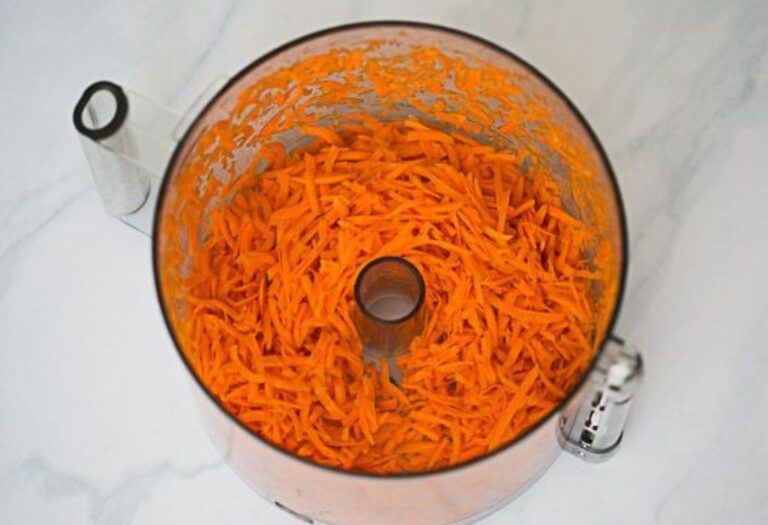
- Vitamins and Minerals: While the juice takes most of the water-soluble vitamins, pulp still has many fat-soluble vitamins, minerals, and antioxidants. For example, the pulp of carrots contains beta-carotene, which is converted into Vitamin A. You will also find potassium, magnesium, and other important nutrients in the pulp.
- Phytonutrients: Phytonutrients are compounds found in plants that have many health benefits, like reducing the risk of chronic diseases. Pulp holds many of these beneficial compounds. These phytonutrients offer anti-inflammatory and antioxidant benefits. They are particularly abundant in the skin and seeds of fruits and vegetables, which often end up in the pulp.
Fiber’s Role in Health
Fiber is an important part of a healthy diet because it helps with digestion, lowers cholesterol, and keeps you feeling full. There are two main types of fiber: soluble and insoluble. Soluble fiber dissolves in water and can help with reducing cholesterol and controlling blood sugar levels. Insoluble fiber doesn’t dissolve and helps food move through your digestive system, which can prevent constipation. Getting enough fiber helps with digestion, reduces the risk of heart disease, and helps with weight control.
Fiber also feeds the healthy bacteria in your gut, which is very important for your overall health. When you eat fiber, these bacteria produce short-chain fatty acids (SCFAs). SCFAs have anti-inflammatory effects and promote gut health. Adding pulp to your diet is a simple way to increase your fiber intake and improve your overall health. By keeping fiber in your diet, you’re taking a big step toward a healthier lifestyle. The benefits of consuming fiber go beyond good digestion.
According to a study published in the American Journal of Clinical Nutrition, increased fiber intake is linked to a 30% reduction in the risk of type 2 diabetes. (Source: American Journal of Clinical Nutrition)
- Improved Digestion: Fiber helps food move through your digestive system smoothly. This reduces the chance of constipation, bloating, and other digestive problems. Fiber absorbs water, which makes stools softer and easier to pass.
- Heart Health: Soluble fiber helps lower LDL (bad) cholesterol levels. This reduces your risk of heart disease. Fiber binds to cholesterol in your digestive system and prevents it from being absorbed into your bloodstream.
- Weight Management: Fiber makes you feel full, which can help you eat less and control your weight. Fiber takes longer to digest, which helps you feel satisfied for a longer period. This means you’re less likely to snack between meals.
Ways to Use Juiced Pulp to Boost Your Nutrition
Don’t throw away that pulp! There are many creative ways to include the nutritional value of juiced pulp in your diet. Rather than just tossing it, you can transform it into tasty and healthy additions to your meals. From adding it to baked goods to including it in soups or smoothies, there are plenty of options. This method reduces food waste and makes your diet more nutrient-dense. Your body will thank you for taking advantage of every bit of goodness the fruits and vegetables provide.
Incorporating Pulp into Recipes
You can easily add pulp into many meals, such as baked goods or sauces, without changing the taste. For example, pulp from carrots and apples can add moisture and fiber to muffins or bread. You can make veggie burgers, using pulp as a binding ingredient. Pulp also works well in soups and stews, thickening the broth and adding extra nutrients. Experiment with different fruits and vegetables to see which combinations you like best. Remember to adjust the amount of pulp based on the recipe and your preferences. Using pulp enhances both the flavor and nutritional value of your meals.
Consider the types of fruits and vegetables that work well together. Pulp from citrus fruits can enhance the flavor of marinades. Green vegetable pulp can be a great addition to sauces and dips. When using pulp, the key is balance. You don’t want to add too much, which could impact the texture. Instead, it should complement the other ingredients. Be creative and have fun exploring ways to use pulp to enrich your favorite recipes. Making the most of pulp is both smart and delicious.
- Add to Baked Goods: Mix pulp into muffins, cakes, and bread. Use carrot pulp in carrot cake or apple pulp in apple muffins for extra fiber and flavor. The pulp adds moisture and nutrients, and you can reduce the amount of other ingredients, like oil.
- Use in Soups and Stews: Stir pulp into soups and stews. This will help thicken the broth and add more vegetables. Vegetable pulp is especially good in soups, while fruit pulp can add a touch of sweetness.
- Make Veggie Burgers or Patties: Blend the pulp with grains, spices, and a binding agent, like eggs or flaxseed. Shape the mixture into patties and cook them. This is a great way to use pulp and make a meatless meal.
Pulp and Smoothies: A Perfect Match
Smoothies are another great place to include pulp. By adding pulp to your smoothie, you increase the fiber content and add extra nutrients. You can blend the pulp directly into your smoothie for a boost of vitamins and minerals. The key is to make sure the texture is right, which may require you to add more liquid or adjust the amount of pulp. Start with a small amount of pulp and increase as needed until you achieve the desired consistency. Doing this will also reduce food waste and help you get all the benefits from your produce. Using pulp in smoothies is a quick, easy, and healthy way to enrich your daily routine.
Be aware that the pulp will affect the taste and texture of your smoothie. You can use a mix of fruits and vegetables in your smoothies. Experiment to see which combinations you prefer and enjoy. Adding a small amount of pulp won’t change the flavor very much. But it can make your smoothies more filling. This will help you stay full for a longer time. For example, the pulp from leafy greens might add a slightly bitter taste. But it can be balanced by fruits. Blending pulp into smoothies is a simple way to take advantage of the nutritional value of juiced pulp and create a tasty meal.
- Add to a Base: Combine pulp with your favorite smoothie base. This can include water, milk, or yogurt. Adding pulp adds fiber and nutrients. It can also help make the smoothie thicker and more filling.
- Adjust Texture: Consider that the pulp will affect your smoothie’s texture. You might need to add more liquid or ice. You can add more liquid to get the right consistency.
- Flavor Combinations: Experiment with different pulp combinations. For example, carrot pulp pairs well with oranges and ginger. Green vegetable pulp can be mixed with fruits like apples and bananas.
Understanding the Impact on Nutrient Absorption
When you juice, some of the nutrients are altered. While juicing extracts nutrients, it also changes how your body absorbs them. Knowing the effect on nutrient absorption is essential to fully realize the nutritional value of juiced pulp. Juicing changes the physical form of the nutrients, which impacts your body’s ability to digest and use them. Consider that when you add pulp back into your diet, it can have an effect on this process. It affects how you benefit from the nutrients in your meals.
Fiber’s Effect on Nutrient Absorption
Fiber can both help and hurt how your body absorbs nutrients. Fiber can slow down how fast your body absorbs sugar. This helps to prevent blood sugar spikes. However, fiber can also bind to some nutrients, such as minerals, reducing their absorption. The type of fiber matters here. Soluble fiber can slow down the absorption of nutrients. Insoluble fiber can help food move through your digestive system, which can help some nutrients be absorbed faster. You can manage this effect by eating a balanced diet and varying your food sources. Understanding how fiber affects nutrient absorption is vital. This knowledge can help you make the best choices to meet your nutritional needs.
When adding pulp back into your diet, think about how it affects the nutrient absorption. You can mix your juice with the pulp to retain some of the fiber. This gives you a balance of nutrients and fiber. Also, preparing your meals in different ways can help. For example, when you are eating foods that are high in iron, add Vitamin C to boost absorption. This will allow you to get the most benefits. Using a range of foods can ensure you get the right balance of nutrients and fiber.
Studies show that consuming fiber-rich foods can improve the absorption of certain nutrients, such as calcium and magnesium, due to the beneficial effects on gut health. (Source: Journal of Nutrition)
- Slowing Absorption: Fiber, particularly soluble fiber, can slow down the absorption of sugars and fats. This can be beneficial for blood sugar control and heart health. This slower absorption can provide more consistent energy levels.
- Binding Minerals: Fiber can bind to certain minerals, like iron, zinc, and calcium, which may decrease how much your body absorbs. Eating these foods in balance with other foods is important.
- Impact of Fiber Type: Different types of fiber affect nutrient absorption in various ways. Soluble fiber can slow down absorption, while insoluble fiber may speed up transit time. A mix of fiber types is usually the best approach.
Comparing Juicing with and Without Pulp
Juicing offers you different benefits depending on if you use pulp. When you juice without pulp, you get a quick hit of vitamins and minerals in an easily digestible form. This is especially useful for people who have digestive issues or those who want a quick nutrient boost. However, juicing removes most of the fiber, which is important for gut health and feeling full. By contrast, when you juice with the pulp, you get the advantages of both juice and fiber. By incorporating pulp, you get more fiber. This means you will also benefit from its many health advantages.
The best way to juice will depend on your own preferences and health needs. If you want a quick hit of nutrients without much fiber, juicing without pulp is fine. However, if you are looking for more fiber, more satiety, and overall gut health, then including the pulp is a good option. Blending is another option, where you combine the entire fruit or vegetable to keep all the fiber intact. This gives you the whole package of fiber, nutrients, and pulp. Each approach provides different benefits, so choose the method that best aligns with your health goals.
| Feature | Juicing Without Pulp | Juicing With Pulp | Blending |
|---|---|---|---|
| Fiber Content | Low to None | Moderate | High |
| Nutrient Absorption | Faster, easily digestible | Good balance | Good, with fiber’s influence |
| Taste and Texture | Smooth, pure juice | Varies, may have a thicker texture | Thick and pulpy |
Frequently Asked Questions
Question: Does juicing with pulp taste different?
Answer: Yes, juicing with pulp can affect the taste. The pulp adds fiber and other solids, which can make the juice thicker and change the flavor. You might notice a bit of a more earthy or robust flavor, depending on the type of produce. Some people enjoy this difference, while others might prefer to start with a little pulp and add more later.
Question: Can I freeze juiced pulp for later use?
Answer: Absolutely! Juiced pulp freezes really well. You can freeze it in small batches, like in ice cube trays or muffin tins, for easy portions. This helps you to have pulp ready to go whenever you want to add it to your smoothies or recipes. Just be sure to thaw it out before you use it.
Question: Are all types of juiced pulp safe to eat?
Answer: Most juiced pulp is safe to eat, especially if it comes from fresh, washed produce. However, if you’re using pulp from fruits or vegetables that might have pesticides, it’s a good idea to wash them well before juicing. It’s also important to note that the pulp from some vegetables, like cruciferous vegetables, may cause some people to experience bloating.
Question: How much juiced pulp should I use in my recipes?
Answer: It depends on the recipe and your preference! Start with a small amount of pulp, like a tablespoon or two, and then adjust as needed. When you add it to baked goods, you can usually use more. When adding it to drinks, you might want to use less, as too much pulp can change the texture.
Question: Does juicing remove all the nutrients?
Answer: No, juicing does not remove all the nutrients. While juicing separates the pulp (which is high in fiber), it still extracts vitamins, minerals, and phytonutrients. However, it’s important to remember that some nutrients are lost in the process. Some nutrients are in the pulp that does not make it into the juice. The best way to make sure you get all the nutrients is to include the pulp in your diet.
Final Thoughts
Understanding the nutritional value of juiced pulp is key to healthy eating habits. The pulp is a treasure trove of fiber, vitamins, and phytonutrients. Don’t let it go to waste! You can add it to recipes or smoothies to make the most of your fruits and vegetables. By incorporating pulp into your routine, you can boost your fiber intake and improve digestion. This also ensures you benefit from all the nutrients your produce provides. It’s a simple change with big health benefits, reducing food waste, and making your diet even more nutrient-rich. Try experimenting with different recipes, finding your favorite ways to use pulp, and feel the difference in your overall well-being. So, start juicing smarter and make every drop count!

I’m Emma J. Caldwell, the founder, lead writer, and home-cooking enthusiast behind KitchenGuideCo.com. With a background in culinary arts and over a decade of cooking experience in both professional and personal kitchens, I created this platform to demystify recipes, offer smart kitchen gadget reviews, and guide readers through meal prep with confidence and clarity.