It was a busy evening when Sara placed her lasagna inside the oven expecting dinner to be ready in an hour.
She checked back later only to find the cheese still unmelted and the kitchen filled with lukewarm air instead of heat. Confused and frustrated she realized the oven had stopped heating without giving any clear warning.
Many people face the same situation when an oven appears to work normally but refuses to reach the right temperature.
The lights turn on and the timer functions correctly yet the food remains undercooked no matter how long it stays inside. This problem can happen to both electric and gas ovens and often begins with small unnoticed symptoms.
Understanding why an oven stops heating helps prevent wasted ingredients and unnecessary repair costs. Some causes are simple and can be fixed at home with safe troubleshooting steps. Others require professional attention to avoid safety risks and further damage to the appliance.
Why Your Oven Is Not Heating Up
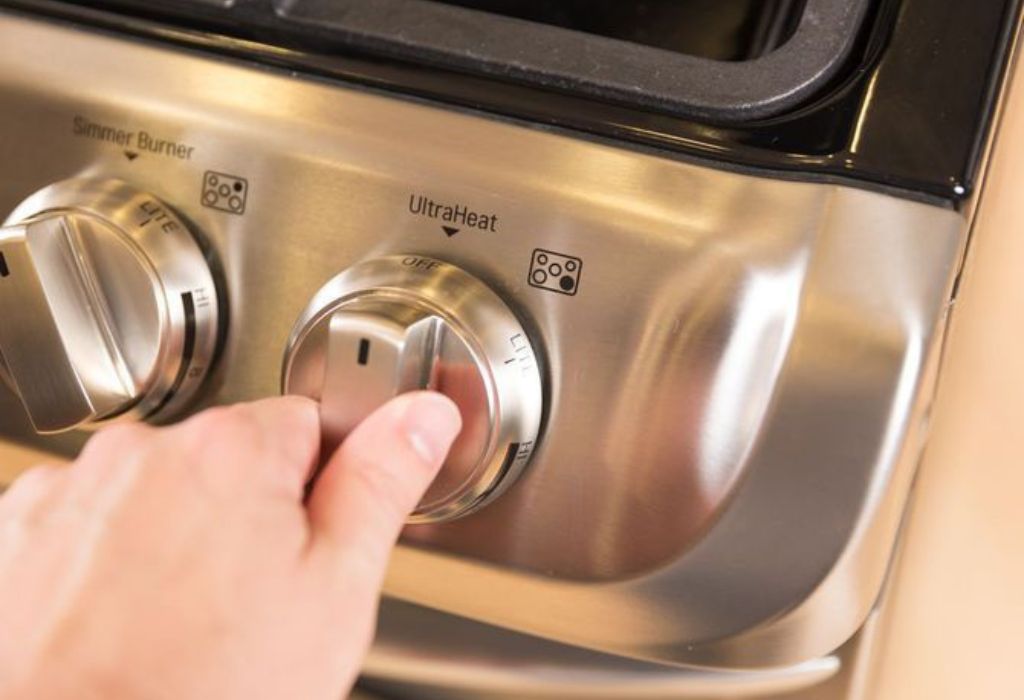
Many homeowners discover the problem only after placing food inside and waiting longer than expected. The oven stays warm but never reaches the right temperature which leads to undercooked meals. This issue can come from minor settings or serious mechanical faults.
Most ovens rely on multiple components working together to produce heat properly. When even one part stops functioning the entire heating process fails. Understanding these parts helps identify the real cause quickly at home.
Temperature settings may be incorrect without the user noticing. Timer modes, delayed start functions, or wrong cooking modes can prevent heating. Resetting the controls often solves these simple mistakes immediately.
Door issues can also stop heating from starting. If the door does not close tightly the safety lock prevents the oven from turning on. A damaged gasket allows heat to escape and keeps the interior from reaching temperature.
Electrical or gas supply problems may interrupt normal operation. Power surges, tripped breakers, or blocked gas flow prevent the oven from heating correctly. Checking the source before opening the appliance keeps troubleshooting safe.
Regular use causes gradual wear which affects performance. Components like igniters, sensors, and elements weaken over time. Early signs include longer preheating and uneven cooking results.
Understanding the possible causes prevents unnecessary panic. Some faults require simple adjustments while others need professional repair. Identifying symptoms early saves time and protects food quality.
Common Causes in Electric Ovens
Electric ovens depend on heating elements located at the top and bottom. When one of these elements burns out the oven may heat partially or not at all. Visible damage such as bubbling or dark spots often confirms the problem.
A faulty temperature sensor can send incorrect readings to the control board. The oven shuts off early because it thinks it has reached the correct temperature. Replacing the sensor usually restores accurate heating.
The thermal fuse protects the oven from overheating during malfunction. When it blows the oven stops heating completely. This part cannot be reset and must be replaced to restore function.
The control board manages power distribution throughout the appliance. If the board is damaged the heating elements will not receive electricity. Burn marks or unresponsive buttons indicate internal failure.
Loose wiring connections can interrupt electrical flow inside the oven. Vibrations and heat expansion may cause connectors to shift over time. Inspecting wires should only be done with the power supply turned off.
Tripped circuit breakers can shut down the oven suddenly. Large power loads from other appliances contribute to overload. Resetting the breaker may solve the issue instantly.
Electric ovens may also fail due to aging components. After many years internal parts weaken and lose efficiency. Replacement becomes more cost effective than repair in extremely old units.
Common Causes in Gas Ovens
Gas ovens rely on an igniter to light the burner flame. When the igniter becomes weak it cannot open the gas valve properly. The oven remains cold even though the control panel appears normal.
A clogged burner prevents gas from flowing evenly. Dirt and food particles can block the ports over time. Cleaning the burner improves flame strength and restores heating.
The pilot light may go out in older gas models. Without a steady flame the oven cannot ignite when switched on. Relighting must be done carefully following manufacturer instructions.
Gas supply lines can develop blockages or leaks. Kinks in the hose restrict flow and stop heating entirely. Detecting gas smell requires immediate professional assistance for safety.
Faulty gas valves may not open when the oven is turned on. This prevents fuel from reaching the burner. The valve must be replaced by a trained technician to avoid hazards.
Thermocouples act as safety sensors inside the oven. When they malfunction the gas supply shuts off automatically. Replacing the thermocouple restores safe operation.
Gas pressure from the home supply can also affect heating. Low pressure reduces flame strength and increases cooking time. Contacting the gas provider may be necessary when the issue affects multiple appliances.
How to Troubleshoot Heating Problems Safely
Always begin with the simplest checks before opening the appliance. Confirm that the oven is plugged in and that the outlet is working correctly. Test another device in the same socket to rule out power issues.
Look at the control settings to ensure proper mode selection. Bake mode should be chosen instead of warm or timer functions. Resetting the oven by turning it off and back on may clear minor errors.
Inspect the oven door for proper sealing during use. If the door does not close completely heat escapes rapidly. A damaged gasket must be replaced to maintain internal temperature.
Preheating tests help determine whether the oven is heating gradually or not at all. Place an oven thermometer on the center rack to track temperature changes. If the reading remains low after fifteen minutes a fault is likely.
Avoid touching internal components while the oven is connected to power. Electric shocks and burns can occur easily inside tight spaces. Always disconnect the appliance before continuing inspection.
Do not attempt to repair gas parts without expertise. Improper handling increases the risk of leaks and fire. If the oven produces a gas smell stop immediately and seek professional support.
Documenting symptoms helps technicians diagnose accurately. Note any unusual noises or error codes on the display. Keeping this information speeds up repair and reduces guesswork.
Checking Heating Elements
The bake element at the bottom does most of the cooking work. When it fails the oven may still heat slightly from the broil element above. This creates uneven results and longer cooking times.
Turn off power before inspecting the element visually. Look for cracks, burn marks, or melted spots along the surface. Any visible damage indicates the need for replacement.
Use a multimeter to test electrical continuity through the element. A reading showing no continuity means the part is defective. Only trained individuals should perform this test for safety.
Sometimes the element appears normal but still fails internally. Replacing the part based on performance symptoms is common. New elements restore full heating quickly.
Loose connectors can prevent the element from receiving electricity. Heat expansion may cause wiring to shift out of position. Securing the connection solves the issue without replacing the component.
After installing a new element retest the oven temperature. Preheat for fifteen minutes and check the thermometer reading. Consistent heat confirms successful repair.
Never operate the oven with a damaged heating element. Sparks or smoke may occur leading to fire hazards. Replacement should happen before using the appliance again.
Testing the Igniter in Gas Ovens
The igniter is responsible for opening the gas valve and lighting the burner. A weak igniter glows but cannot reach the right temperature. The oven remains cold even though light is visible.
Listen for the sound of gas ignition during startup. If the burner does not light within a few seconds the igniter may be failing. Repeated attempts should be avoided to prevent gas buildup.
Checking the igniter requires disconnecting the oven from power and gas. This step ensures safe handling while removing the part. Never test the igniter by bypassing safety components.
A multimeter can measure current levels passing through the igniter. Low readings confirm that the part is too weak to function properly. Replacement usually restores heating immediately.
Some igniters crack or break due to heat stress over time. Physical inspection reveals chips or discoloration around the base. These signs indicate the need for immediate replacement.
Always use an igniter model compatible with your oven brand. Incorrect parts may cause improper heating or ignition failure. Following manufacturer specifications prevents long term issues.
If the igniter replacement does not solve the problem contact a technician. The gas valve or control board may be defective. Professional diagnosis prevents unsafe repair attempts.
When the Oven Heats Unevenly or Partially
Uneven heating may occur even when the oven turns on normally. Food cooks faster on one side while remaining raw on the other. This indicates internal airflow or component issues.
Convection fans distribute heat evenly across the oven interior. When the fan motor fails hot spots begin to form. Replacing or repairing the fan restores proper circulation.
Rack placement affects heat distribution during cooking. Items placed too close to heating elements brown too quickly. Adjusting shelf height often improves results instantly.
Dirty interior surfaces reduce heat reflection and efficiency. Grease and residue absorb heat instead of distributing it. Cleaning the oven improves heating performance noticeably.
Temperature sensors may send incorrect data to the control board. The oven cycles on and off at the wrong times during baking. Replacing the sensor ensures consistent temperature regulation.
Damaged door seals allow heat to escape during operation. The oven struggles to maintain the required temperature. Installing a new gasket prevents heat loss and improves results.
Always test heating performance after making adjustments. Using an oven thermometer helps confirm temperature stability. Gradual improvement shows that the issue has been resolved.
Control Board and Temperature Sensor Issues
The control board manages communication between all oven components. When it fails the oven may not heat despite working lights and display. Error codes sometimes appear to indicate malfunction.
A failing board may cause random temperature changes during use. The oven shuts off early or does not respond to settings. These symptoms become more frequent over time.
Power surges can damage electronic circuits inside the board. Using a surge protector helps prevent future failures. Replacement is necessary when internal damage occurs.
The temperature sensor monitors internal heat levels. A faulty sensor sends false readings to the control board. The oven turns off before reaching the correct temperature.
Testing the sensor requires using a multimeter to measure resistance. Incorrect readings confirm that the part is defective. Installing a new sensor restores accurate temperature control.
Wiring between the control board and sensor may loosen. Heat and vibration gradually weaken the connection. Securing the wires solves the issue without replacing components.
Control board repair should be handled by trained technicians only. Attempting to fix internal circuits without experience is unsafe. Professional service ensures long lasting results.
When You Should Not Repair the Oven Yourself
Strong burning smells during operation indicate serious internal damage. Continuing to use the oven may create fire risks. Turn off power immediately and schedule professional inspection.
Electrical sparks or smoke from the control panel require emergency attention. These symptoms suggest short circuits inside the appliance. Do not attempt to restart the oven after such events.
Gas smell around the oven signals a potential leak. Open windows and exit the area for safety. Contact emergency services or your gas provider without delay.
If the oven temperature swings more than fifty degrees stop using it. Extreme fluctuations indicate major faults in sensors or control boards. Repairs must be handled by a specialist.
Broken control knobs or unresponsive buttons complicate troubleshooting. Manual adjustments cannot be made accurately. Replacement parts should be installed by a trained technician.
New ovens still under warranty should not be opened. Unauthorized repairs may void coverage and increase costs. Always contact the manufacturer first for approved service.
Melted components or visible burn marks inside the oven signal danger. These issues indicate overheating or electrical failure. Discontinue use until a professional confirms safety.
Preventing Oven Heating Problems in the Future
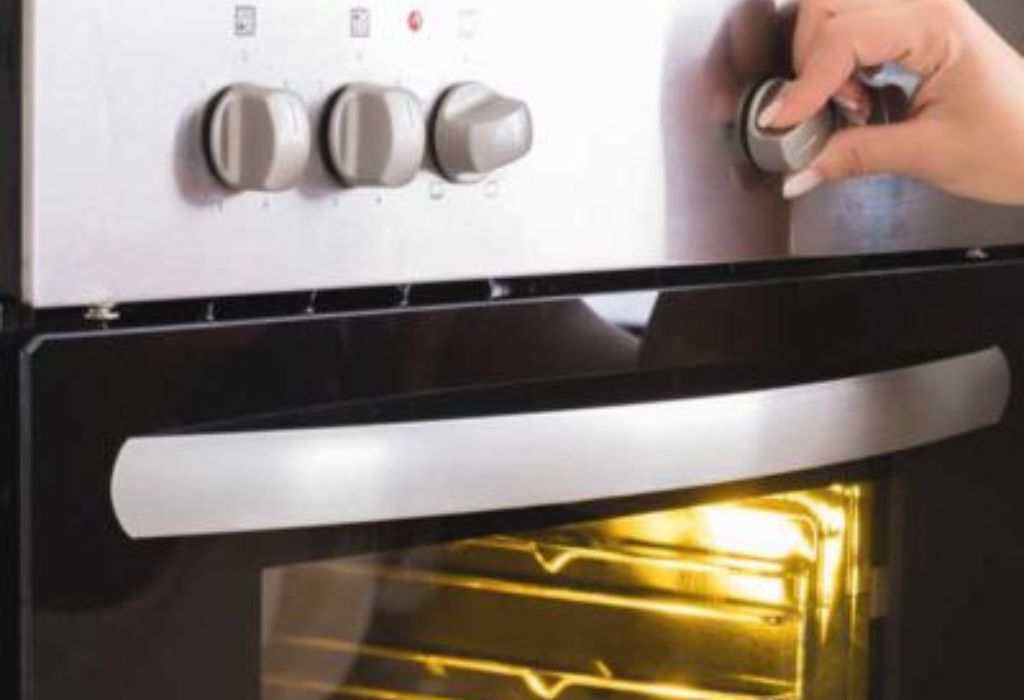
Regular cleaning helps maintain proper heat distribution. Residue buildup interferes with airflow and temperature accuracy. Wiping spills immediately prevents long term damage.
Avoid slamming the oven door during everyday use. Repeated impact weakens hinges and door seals. A secure door ensures consistent heating and energy efficiency.
Check the condition of the gasket around the door periodically. Cracks and gaps allow heat to escape during cooking. Replacing the gasket restores proper insulation instantly.
Use the correct bakeware recommended for your oven type. Dark pans absorb more heat and may cause uneven baking. Choosing the right material supports balanced temperature control.
Do not overcrowd the oven with multiple dishes. Blocking airflow increases cooking time and reduces performance. Leaving space between items improves heat circulation.
Preheat the oven properly before placing food inside. This ensures that the temperature remains stable throughout the cooking cycle. Skipping preheating leads to unpredictable results.
Schedule annual professional servicing for older ovens. Technicians identify worn parts before they fail completely. Preventive maintenance extends the appliance lifespan.
Practical Questions People Ask When Ovens Do Not Heat Up
Why is my oven not heating up at all
A complete lack of heat often indicates a burned out element, faulty igniter, blown fuse, or power supply issue depending on the oven type.
Why does my oven turn on but not get hot enough
This usually happens when the temperature sensor is faulty or the control board shuts off early due to incorrect readings.
Why does my electric oven heat only on broil mode
The bake element may be burned out which leaves only the top broil element working and causes uneven or slow cooking.
Why does my gas oven glow but not ignite
A weak igniter may glow without reaching the required temperature to open the gas valve and light the burner.
Why does my oven take too long to preheat
Worn elements, failing igniters, or damaged door seals can cause long preheating times and unstable temperature.
Why is my oven heating unevenly
Faulty convection fans, damaged gaskets, and improper rack placement often lead to hot spots and inconsistent cooking results.
Why does my oven smell like gas when heating
A gas smell can indicate a leak or delayed ignition and requires immediate professional inspection for safety.
Why does my oven shut off during cooking
Overheating sensors, faulty thermostats, or control board failure can cause the oven to turn off before completing the cycle.
Why is my oven display working but no heat coming
The control board may not be sending power to the heating element or the thermal fuse may have blown completely.
Why does my oven make clicking sounds without heating
A clicking igniter that never lights the burner suggests ignition failure and requires replacement to restore heating.
Conclusion
An oven that is not heating up can be frustrating but most causes are easy to identify with simple checks.
Electric ovens commonly fail due to burned heating elements or faulty temperature sensors while gas ovens struggle when igniters weaken or burners become blocked. Understanding these differences makes troubleshooting safer and more effective at home.
Some problems only require quick adjustments like resetting controls, cleaning components, or tightening door seals.
More serious issues such as control board failure, gas leaks, or electrical damage should never be handled without professional support. Knowing when to stop and call a technician prevents accidents and protects your appliance from further harm.
By recognizing early warning signs and following regular maintenance habits your oven can remain reliable for many years.
Preventive care reduces repair costs and ensures consistent cooking performance. With the right approach you can restore heat safely and enjoy predictable results every time you cook.

I’m Emma J. Caldwell, the founder, lead writer, and home-cooking enthusiast behind KitchenGuideCo.com. With a background in culinary arts and over a decade of cooking experience in both professional and personal kitchens, I created this platform to demystify recipes, offer smart kitchen gadget reviews, and guide readers through meal prep with confidence and clarity.