It was a busy weeknight when Ayesha stood in her kitchen staring at two appliances that looked similar but worked completely differently. She needed to heat leftover pasta quickly, yet she also wanted the crispy golden edges she remembered from the restaurant.
The microwave promised speed, while the oven offered flavor, leaving her unsure which one to trust for the best result.
Many people face the same confusion because both machines are common in modern homes, yet their purposes are not identical. The difference becomes clearer only when we understand how each one heats food and what results they deliver in taste, texture, and cooking time.
Whether someone is preparing a full family dinner or simply warming a cup of soup, choosing the right appliance can completely change the outcome.
This guide explains the real difference between an oven and a microwave so anyone can make confident decisions in their daily cooking routine. It breaks down how they work, when to use each, and which situations benefit the most from their unique strengths.
What Is an Oven and How It Works
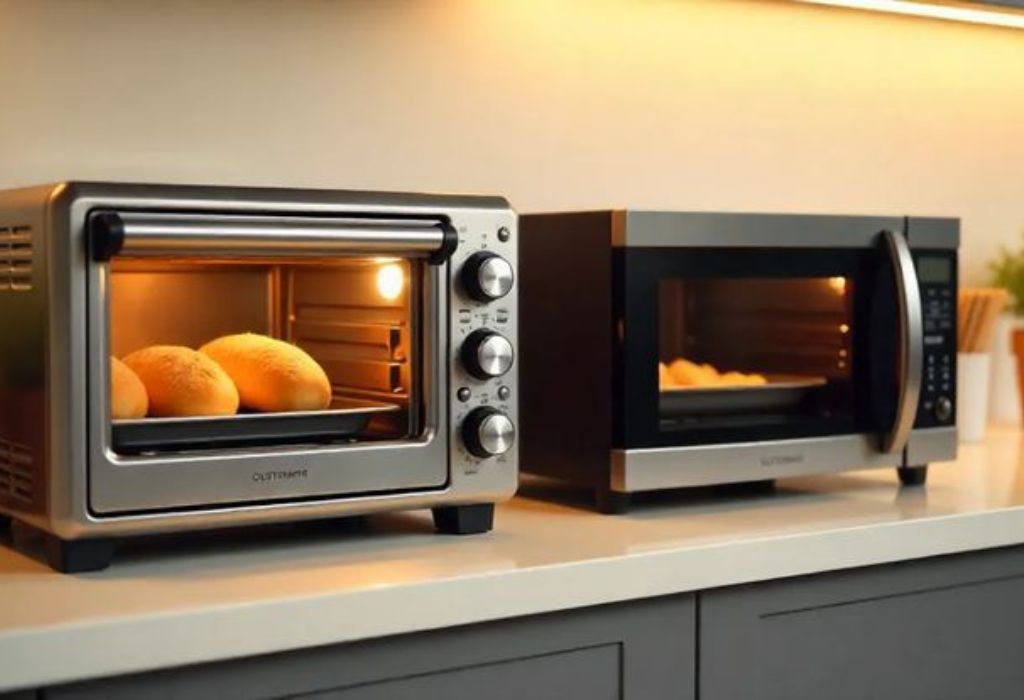
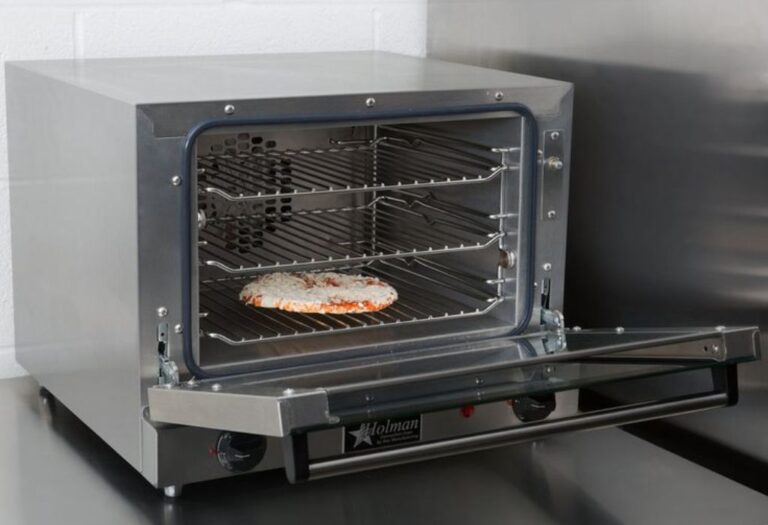
An oven is a cooking appliance that uses dry heat to cook food slowly and evenly. It works by heating air inside a sealed chamber and circulating it around the food. This consistent heat allows ingredients to develop deeper flavors and textures.
Traditional ovens come in gas, electric, and convection varieties that operate at different temperature ranges.
Gas ovens heat using an open flame while electric ovens use coil elements for temperature control. Convection ovens include a fan that moves hot air to speed up cooking and create more even browning.
Ovens can bake, roast, and grill depending on temperature and time adjustments. Baking is ideal for dough-based foods while roasting works best for meats and vegetables. Grilling inside an oven involves using the top heating element to create charred surfaces.
Because ovens heat gradually, they require preheating before use. This helps maintain accurate cooking results and prevents raw centers in thick foods. Most ovens reach temperatures between 90 and 250 degrees Celsius based on recipe needs.
The dry heat of an oven removes surface moisture which leads to crisp textures. Foods like bread crusts, roasted potatoes, and baked chicken skin rely on this effect. As a result, recipes that demand browning perform best in an oven.
Safety with ovens involves using heat-resistant cookware and avoiding direct contact with hot surfaces. Proper ventilation prevents heat buildup in the kitchen and reduces fire risks. Regular cleaning keeps grease from collecting and lowers smoke production during cooking.
Real life examples of oven use include baking cakes, roasting whole chickens, grilling fish, and preparing lasagna. Families often rely on ovens for holiday meals and large batch cooking. The appliance supports versatile cooking styles for both beginners and professionals.
What Is a Microwave and How It Works
A microwave is designed to heat food quickly using electromagnetic waves. These waves cause water molecules inside the food to vibrate and create heat from within. This process warms meals much faster than traditional heating methods.
Microwaves do not brown or crisp the surface of food. The heating focuses on moisture content which keeps textures soft and moist. This makes microwaves suitable for reheating rather than baking or grilling.
Most microwaves operate between 600 and 1200 watts depending on size and model. Higher wattage cooks food faster and more evenly. Users can adjust power levels to prevent overheating delicate items.
Microwaves excel at defrosting frozen foods without fully cooking them. The appliance distributes heat gradually which loosens ice particles safely. This reduces preparation time for meats and vegetables during meal preparation.
Because microwaves heat only certain materials, cookware safety is important. Glass, ceramic, and microwave safe plastic are appropriate options. Metal objects should never be placed inside because they reflect waves and create sparks.
Modern microwaves include smart sensors that detect moisture levels. These features adjust cooking time automatically to prevent burning or drying. Many models offer presets for popcorn, beverages, and reheating leftovers.
Microwaves are commonly used in homes, offices, hostels, and dorm rooms. Their compact size and fast performance make them ideal for small living spaces. People rely on them for quick meals, baby food warming, and late night snacks.
Limitations include uneven heating for dense foods and inability to brown surfaces. Thick items may require stirring or rearranging during heating cycles. Despite these limits, microwaves remain one of the most convenient appliances available.
Key Differences Between Oven and Microwave
The first major difference is the heating method each appliance uses. Ovens rely on dry heat surrounding the food from the outside. Microwaves heat from the inside by vibrating water molecules rapidly.
Cooking speed also separates the two appliances clearly. Microwaves warm food within minutes while ovens require longer times. Preheating adds even more time to oven based recipes.
Texture results vary significantly between them. Ovens create crispy and browned surfaces that enhance flavor. Microwaves retain moisture and produce softer outcomes.
Temperature levels work differently for each appliance type. Ovens use adjustable heat ranging across wide temperature settings. Microwaves rely on power levels rather than precise temperature readings.
Capacity and size considerations influence cooking decisions. Ovens accommodate larger dishes and multiple trays at once. Microwaves work best for single portions or small containers.
Safety differences include handling risks and utensil compatibility. Ovens involve hot trays and potential burn hazards. Microwaves require strict avoidance of metal objects.
Nutrient impact also varies based on cooking method. Microwaves preserve more vitamins due to shorter exposure times. Ovens may reduce water soluble nutrients through prolonged heating.
Versatility is another contrast between both appliances. Ovens support baking, roasting, and grilling across many recipes. Microwaves specialize in reheating, defrosting, and simple cooking tasks.
When You Should Use an Oven
Use an oven when a recipe requires browning or crisping. Foods like pizza, cookies, pastries, and roasted vegetables need dry heat. The texture and flavor improve as moisture evaporates during cooking.
Baking bread depends on gradual and controlled temperature. Dough rises evenly and forms a golden crust in the oven. Microwave heating cannot replicate this structural change.
Roasting meats in an oven helps develop caramelized surfaces. Low and slow cooking keeps the interior tender and juicy. The process enhances flavor depth for large meal preparations.
Grilling inside an oven creates charred lines using the top heating element. This works well for fish fillets, kebabs, and cheesy dishes. The high heat melts and browns toppings evenly.
Ovens are ideal for large families and gatherings. Multiple dishes can cook at the same time using different racks. This helps save time during holiday and weekend meals.
Cookware compatibility is wider inside ovens. Users can place metal trays, cast iron pans, and ceramic dishes safely. Heat resistant materials improve cooking flexibility.
Preheating is important for accuracy in oven results. Starting with the correct temperature ensures consistent baking. Skipping this step can lead to uneven or undercooked food.
Examples of ideal oven recipes include lasagna, cakes, casseroles, roasted turkey, and baked potatoes. These dishes rely on gradual heat to achieve proper structure and flavor. The oven remains a key appliance for traditional cooking styles.
When You Should Use a Microwave
Use a microwave when speed is the main priority. Reheating leftovers becomes quick and convenient without drying food. This helps maintain moisture and prevents waste.
Defrosting frozen food is safer in a microwave than leaving it at room temperature. Controlled power prevents bacterial growth during thawing. The process prepares ingredients faster for immediate cooking.
Microwaves benefit students and office workers with limited time. Heating ready meals takes only a few minutes. This supports busy schedules and small kitchens.
Steaming vegetables inside a microwave preserves nutrients. Using a covered container helps trap moisture naturally. The result is soft and evenly cooked produce.
Energy efficiency is another advantage of microwave use. Short cooking times consume less electricity than ovens. This makes them economical for daily reheating.
Users should avoid overheating liquids which may cause sudden boiling. Stirring between intervals improves heat distribution. Proper microwave safe containers prevent melting or chemical release.
Microwaves do not replace traditional cooking methods completely. They are best suited for warming, steaming, and defrosting. Complex dishes require ovens or stovetop techniques.
Common microwave foods include oatmeal, tea, noodles, soups, baby food, and leftovers. The appliance offers convenience that fits modern lifestyles. Its simplicity makes it valuable in quick meal routines.
Cooking Results Comparison
Ovens produce rich flavors due to caramelization and browning. These chemical reactions enhance color and taste. Foods become crisp on the outside while remaining tender inside.
Microwaves maintain moisture levels and prevent dryness. The heating focuses on internal water molecules. This results in soft and evenly warmed textures.
Browning does not occur inside microwaves without special accessories. Surface appearance remains pale and smooth. Recipes that require crusts do not achieve their expected results.
Heat distribution varies across both appliances. Ovens heat gradually from all sides for even cooking. Microwaves may leave cold spots in thick dishes.
Different food groups respond uniquely to each appliance. Bread and pastries rise properly only in ovens. Soups and beverages heat best inside microwaves.
Reheating performance also differs in outcome. Ovens reheat slowly but maintain crispiness in fried foods. Microwaves reheat quickly but may soften crunchy textures.
Practical examples help clarify these differences easily. A slice of pizza stays crispy when reheated in an oven. The same slice becomes soft when warmed in a microwave.
Choosing the right appliance depends on texture expectations. Crispy, browned, and grilled outcomes require oven use. Soft, moist, and fast results suit microwave heating.
Safety Considerations for Both Appliances
Ovens reach high temperatures that can burn skin on contact. Users should wear heat resistant gloves when handling trays. Keeping children away prevents accidental injuries.
Microwave safety focuses on radiation awareness and utensil choice. Food heats but the appliance exterior remains cooler. Only microwave safe containers should be used to avoid hazards.
Metal items should never enter a microwave interior. Sparks may occur and damage internal components. Even small foil pieces can cause electrical reactions.
Ovens require proper ventilation inside the kitchen. Enclosed spaces may trap heat and create fire risks. Regular cleaning avoids grease buildup and smoke.
Microwaves should be cleaned frequently to prevent food splatter buildup. This prevents odors and uneven heating. Covering food reduces spills and helps retain moisture.
Electrical load management is important for both appliances. Plugging multiple high wattage devices into one outlet may overload circuits. Using dedicated outlets improves safety and performance.
Children should not operate ovens without supervision. The risk of burns increases when removing hot dishes. Microwaves are safer but still require caution with liquids.
Following manufacturer guidelines ensures safe operation. Reading the manual helps understand correct usage. Maintenance checks extend the life and efficiency of each appliance.
Energy Consumption and Cost Differences
Ovens consume more energy because they operate for longer durations. Preheating adds extra electricity usage before cooking begins. Larger models require more power to maintain temperature.
Microwaves use less energy due to shorter cooking cycles. They heat only the food rather than the surrounding air. This makes them efficient for daily reheating tasks.
Electricity bills may decrease when using microwaves frequently. Choosing the right appliance for each task helps reduce waste. Cooking smaller portions in ovens leads to unnecessary consumption.
Eco friendly usage habits include planning meals efficiently. Cooking multiple dishes together in an oven saves heat. Using microwave reheating prevents excessive stove use.
Smart energy monitoring features are available in modern appliances. These systems track power consumption in real time. Users can adjust cooking habits based on data feedback.
Heat loss differs across ovens depending on insulation quality. Older units may lose heat quickly and strain electricity. Newer models improve efficiency with better sealing.
Microwaves do not require preheating which saves additional power. This makes them cost effective for quick snacks and beverages. Their compact size also reduces overall energy footprint.
Considering cost differences helps families make informed choices. Using both appliances strategically ensures balanced energy use. The right combination lowers monthly expenses while maintaining cooking flexibility.
Choosing the Right Appliance for Your Lifestyle
Lifestyle needs influence which appliance suits a household better. Families who cook large meals regularly benefit from ovens. Busy individuals prefer microwaves for fast preparation.
Cooking habits play a significant role in decision making. If baking is a frequent activity then an oven is essential. People who reheat leftovers daily rely more on microwaves.
Kitchen space may limit appliance selection for some users. Small apartments may not accommodate full sized ovens. Compact microwaves fit easily on countertops.
Budget considerations also affect which appliance to buy. Ovens require higher upfront investment for installation. Microwaves are affordable and widely available.
Meal frequency determines which appliance gets more usage. Daily meal preparation favors ovens for variety. Occasional quick snacks favor microwaves for simplicity.
Diet goals can shape appliance choice as well. Healthy cooking often involves baking and roasting. Convenience driven diets fit microwaving better.
Some households choose a multi appliance strategy. Using both appliances offers maximum flexibility. This supports diverse cooking needs across different situations.
Understanding personal requirements makes selection easier. Evaluating space, time, and cooking preferences guides decisions. The right appliance improves daily efficiency and meal satisfaction.
Final Comparison Table for Quick Decision Making

A comparison table helps summarize the differences clearly. Ovens excel at baking, roasting, and crisping foods. Microwaves perform best for reheating and defrosting tasks.
Feature lists help users choose quickly based on needs. Cooking speed favors microwaves for short time use. Texture quality favors ovens for improved flavor results.
Pros and cons also influence purchase decisions. Ovens deliver superior results but require longer cooking time. Microwaves save time but cannot brown food surfaces.
A simple yes or no guide can support beginners confidently. Choose an oven if crispy texture is required for the recipe. Choose a microwave if the goal is fast meal warming.
Cost and time savings differ based on cooking style. Ovens use more power and require planning ahead. Microwaves reduce electricity and operate instantly.
A feature checklist ensures the right match for each home. Families who cook large dishes choose ovens for capacity. Students and office workers select microwaves for convenience.
This final section wraps up the comparison in a clear format. Both appliances serve useful purposes depending on the scenario. Making the right choice improves results and saves time daily.
Helpful FAQs to Guide Your Oven and Microwave Decisions
What is the main difference between an oven and a microwave?
An oven uses dry heat to cook food slowly from the outside, while a microwave heats food quickly from the inside using electromagnetic waves.
Can a microwave replace an oven for baking?
No, a microwave cannot create browning or crusts, so it cannot replace an oven for baking items like bread, cakes, or cookies.
Which appliance is better for reheating food?
A microwave is better for reheating because it works faster and keeps food moist, making it ideal for everyday warming.
Is it safe to put metal inside a microwave?
No, metal should never be used in a microwave because it can cause sparks and damage the appliance.
Do ovens consume more electricity than microwaves?
Yes, ovens use more energy due to longer cooking times and preheating, while microwaves are more energy efficient for quick tasks.
Which appliance is better for roasting and grilling?
An oven is better for roasting and grilling since it produces crispy, browned textures that microwaves cannot achieve.
Can microwaving food destroy nutrients?
Microwaving can actually preserve more nutrients because of shorter cooking times, especially for vegetables.
What type of cookware should be used in an oven?
Heat resistant materials like metal trays, cast iron, ceramic, and oven safe glass are suitable for oven cooking.
Is a microwave good for defrosting frozen food?
Yes, microwaves defrost food quickly and safely when using the proper power settings, reducing preparation time.
Which appliance is better for large family meals?
An oven is better for large meals because it can hold multiple dishes at once and cook larger portions evenly.
Conclusion
Choosing between an oven and a microwave depends on what result you want from your food. Ovens use dry heat to create rich flavors, crispy textures, and slow cooked results that transform ingredients.
Microwaves focus on speed and moisture, warming food from the inside for quick and convenient everyday use.
Both appliances serve completely different purposes in the kitchen. Ovens are ideal for baking, roasting, and grilling when texture and browning matter most. Microwaves are better for reheating, defrosting, and preparing small meals without using much time or energy.
Understanding these differences helps avoid frustration and improves cooking confidence. Instead of guessing which appliance to use, you can make decisions based on texture, time, and meal style.
Using each tool for what it does best ensures better flavor, efficiency, and results in every home kitchen.

I’m Emma J. Caldwell, the founder, lead writer, and home-cooking enthusiast behind KitchenGuideCo.com. With a background in culinary arts and over a decade of cooking experience in both professional and personal kitchens, I created this platform to demystify recipes, offer smart kitchen gadget reviews, and guide readers through meal prep with confidence and clarity.