The smell of freshly baked pizza drifting through a neighborhood has a way of stopping people in their tracks. The crackling crust, bubbling cheese, and smoky aroma create expectations long before the first bite is taken.
Behind that experience stands one big question that many home cooks now face, pizza oven or conventional oven.
Both ovens promise delicious results, yet they work in very different ways. Pizza ovens focus on extreme heat and lightning fast cooking, while conventional ovens rely on steady, controlled temperatures for everyday meals.
These differences affect everything from crust texture and moisture control to flavor depth and overall cooking time.
As more homeowners explore outdoor cooking and restaurant-style recipes at home, the debate between pizza ovens and conventional ovens continues to grow.
Understanding how each oven performs, what it costs to run, and which one suits your cooking habits can prevent expensive mistakes. This comparison breaks down every major difference so the right choice becomes clear before you invest.
Understanding What a Pizza Oven Is and How It Works

A pizza oven is a specialized cooking appliance designed specifically to reach very high temperatures needed for authentic pizza baking. These ovens commonly operate between 700°F and 950°F, allowing pizzas to cook in under two minutes.
This intense heat creates the blistered crust, airy interior, and smoky flavor that many people associate with restaurant quality pizza.
Pizza ovens use different heat sources depending on the model. Some are wood fired, producing natural smoke flavor and radiant heat from burning logs. Others run on gas, electricity, or pellets for more controlled temperature settings.
Regardless of fuel type, the key feature is the ability to maintain extremely high, consistent heat across a stone or steel cooking surface.
Another important design element is airflow. Pizza ovens circulate heat rapidly around the dome interior.
This surrounds the pizza with radiant, conductive, and convective heat at the same time. This combination is what allows the crust to puff instantly while the toppings cook evenly in seconds.
Because of this focused purpose, pizza ovens are commonly used in pizzerias, food trucks, outdoor kitchens, and homes where pizza making is a frequent activity.
Their entire design is optimized for speed, crust texture, and high-heat performance that is difficult to replicate in standard kitchen appliances.
Understanding What a Conventional Oven Is and How It Works
A conventional oven is the most common oven type found in homes worldwide. It uses lower, slower heat compared to pizza ovens and typically operates in a temperature range of 200°F to 500°F.
Heat is generated from bottom heating elements in electric models or gas burners underneath in gas ovens.
In a conventional oven, heat rises naturally and distributes through the oven cavity. Unlike convection ovens, traditional conventional ovens rely mostly on static heat with minimal airflow.
This makes them ideal for baking cakes, roasting meats, cooking casseroles, and preparing everyday meals that require steady temperature control rather than intense heat.
Most conventional ovens come with adjustable racks so different foods can be cooked at different heights.
They offer precise temperature controls and often include multiple cooking modes like bake, broil, and warm. These ovens are built for versatility rather than speed or specialization.
Because they are part of a full kitchen range or built into cabinetry, conventional ovens serve as all purpose cooking tools. They are used daily for baking bread, roasting vegetables, reheating food, and preparing family meals. Their value lies in flexibility rather than specialization.
Heat Temperature Differences Between Pizza Ovens and Conventional Ovens
The most significant difference between pizza ovens and conventional ovens is maximum heat output.
Pizza ovens are designed to operate at temperatures far above what standard home ovens can safely reach. This extreme heat is essential for achieving fast bake times and signature charred crusts.
Conventional ovens typically max out between 450°F and 500°F. While some premium models reach slightly higher, they still fall far short of true pizza oven temperatures.
At these lower temperatures, pizza takes anywhere from 10 to 18 minutes to fully bake, which alters moisture, crust texture, and cheese melt behavior.
High heat affects the way dough reacts during cooking. In a pizza oven, the intense floor heat causes rapid oven spring, where trapped gas in the dough expands instantly.
This creates airy, leopard-spotted crusts with crisp outer shells and soft centers. Conventional ovens produce slower rise and firmer crusts due to extended bake times.
The temperature difference also changes how toppings behave. In pizza ovens, moisture evaporates quickly before toppings become soggy.
Cheese bubbles and browns perfectly within seconds. In conventional ovens, prolonged exposure can dry out cheese or overcook toppings before the crust fully crisps.
Cooking Speed Comparison for Pizza and Other Foods
Pizza ovens excel in speed. Most pizzas cook in 60 to 120 seconds depending on thickness and toppings. This rapid cooking preserves internal moisture while crisping the exterior instantly. The high turnover makes pizza ovens ideal for entertaining, parties, and commercial use.
Conventional ovens require significant preheat time and much longer bake periods. Standard thin crust pizzas usually take 12 to 15 minutes.
Deep dish and thick crust pizzas can take 20 minutes or more. This slower process affects texture and often requires rotating pans for even baking.
Speed also impacts energy efficiency during active cooking. Although pizza ovens use high fuel output, the total cooking time per pizza is extremely short. Conventional ovens consume less power per minute but operate much longer, balancing energy usage differently.
For foods beyond pizza, conventional ovens win in controlled slow cooking. They handle roasts, baked desserts, casseroles, and bread with steady heat that pizza ovens struggle to match due to their aggressive temperature profiles.
Flavor Differences Created by Pizza Ovens vs Conventional Ovens
Flavor development differs significantly depending on the oven used. Wood fired pizza ovens impart smoky, slightly charred flavors into the crust. The rapid heat caramelizes sugars in the dough almost instantly, creating deep, complex flavor layers.
Gas and pellet pizza ovens also produce high heat but with cleaner combustion. While they lack heavy smoke, they still create fast Maillard browning on crust surfaces. This gives pizza its signature toasted aroma and crisp finish.
Conventional ovens produce more uniform but milder browning. The slower cooking process allows flavors to develop evenly but without intense surface caramelization. This is why conventional oven pizzas tend to taste softer, bread-like, and less smoky.
Cheese flavor also changes. In pizza ovens, cheese blisters and browns quickly while maintaining creamy interiors. In conventional ovens, cheese melts more slowly and can separate oils if overheated during long bake times.
Versatility for Cooking Beyond Pizza
Pizza ovens are highly specialized tools. While some models can bake bread, roast vegetables, sear meat, and cook flatbreads, their extreme heat can make delicate foods difficult to control. Users must manage temperature carefully to prevent burning.
Conventional ovens are designed for versatility. They cook everything from cookies and cakes to Thanksgiving turkeys and slow roasted meats. They offer predictable, steady baking conditions that suit a wide variety of recipes.
For families that cook daily meals, a conventional oven remains essential. It supports long cooking times, multi rack baking, broiling, and warming functions that pizza ovens are not built to perform well.
Pizza ovens become supplemental appliances rather than replacements. They add specialty cooking power but do not eliminate the need for a standard kitchen oven in most households.
Indoor and Outdoor Installation Differences
Most pizza ovens are designed for outdoor use. Wood fired and gas pizza ovens produce significant heat, smoke, and exhaust gases that require open air ventilation. They are commonly installed in patios, backyards, decks, and outdoor kitchen setups.
Electric pizza ovens are available for indoor use, but they still require high power capacity and specialized ventilation. Some countertop pizza ovens can reach 700°F safely in a kitchen, but installation requirements remain higher than standard appliances.
Conventional ovens are built for indoor kitchen integration. They fit into standard cabinetry or range layouts and connect to household electrical or gas supply systems. Ventilation is handled through standard kitchen range hoods and exhaust fans.
Indoor safety codes often restrict high temperature appliances. This makes many high performance pizza ovens better suited for outdoor rather than indoor environments in most homes.
Cost Differences Between Pizza Ovens and Conventional Ovens
Pizza oven prices vary widely depending on build quality, fuel type, and size. Entry level tabletop pizza ovens can start at a few hundred dollars. High end built in wood fired pizza ovens can cost several thousand dollars including installation.
Fuel costs also differ. Wood fired ovens require ongoing wood supply. Gas models depend on propane or natural gas. Electric pizza ovens draw high wattage during operation.
Conventional ovens are included in most kitchen appliance packages. Standalone models range from budget friendly to high end professional units. Since they replace multiple cooking needs, their cost is generally justified across many functions.
Maintenance also influences total ownership cost. Pizza ovens require periodic cleaning of ash, soot, and residue. Conventional ovens need less intensive maintenance and are easier to service through common appliance repair networks.
Learning Curve and Skill Requirements
Cooking with a pizza oven demands practice. Managing floor temperature, flame control, rotation speed, and topping moisture requires hands on experience. Beginners often burn crusts or undercook centers until they understand heat behavior.
Conventional ovens offer predictable cooking environments with clear temperature control. Recipes generally assume conventional oven use, making successful results easier for beginners.
Pizza making itself also requires faster workflows. Dough hydration, shaping, topping placement, and launch technique all influence success due to the extremely short cooking time.
For casual home cooks, the conventional oven offers ease of use and low risk. Pizza ovens appeal more to hobbyists, enthusiasts, and users willing to invest time mastering techniques.
Space Requirements and Portability
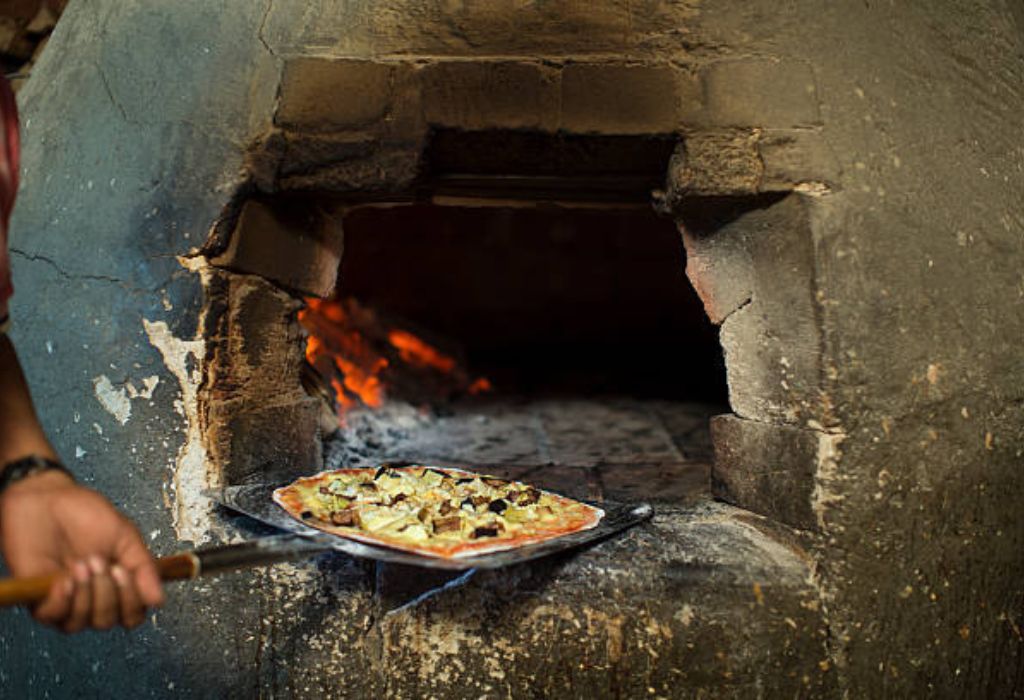
Pizza ovens occupy dedicated floor or tabletop space. Outdoor models require permanent installation areas or mobile carts. Some portable pizza ovens exist, but they still demand safe heat clearance zones.
Conventional ovens integrate into kitchen cabinetry and take up fixed space that is already planned in most homes. They do not require additional placement considerations beyond standard kitchen layouts.
Portability gives pizza ovens a slight advantage for events and outdoor gatherings. Some lightweight models can be transported for camping, tailgating, or outdoor parties. Conventional ovens are immovable appliances once installed.
Space limitations often determine whether a household can realistically support an additional pizza oven without crowding the living environment.
Energy Efficiency Comparison Between Pizza Ovens and Conventional Ovens
Energy efficiency works very differently between pizza ovens and conventional ovens due to their operating temperatures and cooking duration. Pizza ovens consume a high amount of energy in a very short time.
They reach extreme heat fast and cook pizzas in under two minutes. This means less total runtime per meal.
Conventional ovens use lower temperatures but operate for longer periods. Preheating alone can take 10 to 15 minutes, followed by extended baking times. This results in longer continuous energy usage for each cooking session.
Gas pizza ovens tend to be more fuel efficient for frequent pizza making. Electric pizza ovens draw high wattage but compensate with faster cook times. Wood fired pizza ovens rely on manual fuel input but produce intense heat without electricity.
Conventional ovens remain more efficient for everyday meals that require slow roasting, baking, and reheating. For families cooking multiple dishes daily, conventional ovens usually result in more predictable energy costs.
Safety Differences Between Pizza Ovens and Conventional Ovens
Pizza ovens operate at dangerously high temperatures that can cause severe burns within seconds. The exterior surfaces of metal pizza ovens can become extremely hot during use. Proper clearance, fire resistant surfaces, and heat resistant gloves are essential.
Wood fired pizza ovens introduce additional fire hazards. Flying embers, sparks, and excess smoke must be controlled carefully. Outdoor placement is often required to reduce fire risk and ventilation issues.
Conventional ovens are designed with multiple built-in safety layers. Insulated doors, automatic shutoff systems, and controlled heating elements reduce the chance of accidents. Most models also include cool-touch handles and child lock features.
For households with children or pets, conventional ovens offer a much safer cooking environment. Pizza ovens demand higher safety awareness and strict supervision during operation.
Crust Texture Science in Pizza Ovens vs Conventional Ovens
Crust texture is one of the biggest deciding factors between pizza ovens and conventional ovens. Pizza ovens produce rapid oven spring due to high floor heat. This creates puffy edges with crisp outer layers and soft airy interiors.
The stone or steel cooking surface in pizza ovens transfers heat directly into the dough base. This instant conduction produces crispy charred spots known as leopard spotting. These textures cannot be easily replicated in standard ovens.
Conventional ovens cook dough slowly from the outside inward. This produces firmer, bread-like crusts with less blistering. While still enjoyable, the texture is more uniform and lacks high-heat crispness.
Hydration levels also behave differently. Wet dough performs better in pizza ovens because moisture flashes into steam instantly. In conventional ovens, higher hydration can result in soggier crusts.
Topping Behavior and Moisture Control
Toppings react very differently in these two oven types. In pizza ovens, moisture evaporates rapidly before it can soak into the crust. This keeps the base crispy even under heavy toppings.
Cheese melts quickly and browns within seconds in pizza ovens. The fats stay emulsified and produce creamy melted textures with light blistering.
In conventional ovens, toppings release moisture slowly over extended cook times. This can soften the crust and require baking stones or screens for better results.
Vegetables also roast differently. Pizza ovens char vegetables lightly while preserving internal moisture. Conventional ovens soften vegetables more uniformly but with less surface browning.
Commercial vs Home Use Capability
Pizza ovens are dominant in commercial food environments. Pizzerias, food trucks, and restaurants depend on rapid output and consistent crust performance. High volume production is where pizza ovens truly excel.
Conventional ovens dominate home kitchens and general food service operations. They handle a wide range of food types, cooking styles, and portion sizes efficiently.
For home enthusiasts, pizza ovens are specialty upgrades rather than essential appliances. For businesses focused on pizza, they are operational necessities.
Commercial conventional ovens still exist, but they are used mainly for baking, roasting, and auxiliary cooking rather than pizza production.
Maintenance and Cleaning Requirements
Pizza ovens require regular cleaning of ash, soot, carbon buildup, and food debris. Wood fired ovens need ash removal after each use and periodic chimney cleaning.
Gas pizza ovens require burner inspection and ventilation checks. Recognizing grease buildup inside the dome is also important for fire prevention.
Conventional ovens require simpler maintenance. Occasional self-clean cycles, rack washing, and door seal inspection keep them operating efficiently.
Because conventional ovens are sealed indoor appliances, servicing options are easier and more accessible than pizza oven repairs.
Long Term Durability and Build Quality
Pizza ovens are built to withstand extreme temperatures. Thick steel, ceramic fiber insulation, fire bricks, and refractory concrete extend lifespan under thermal stress.
Outdoor pizza ovens must also handle rain, humidity, and temperature changes. Weather covers and corrosion-resistant materials greatly improve longevity.
Conventional ovens are designed for indoor climate-controlled environments. Their electronics, heating elements, and insulation last reliably under moderate temperature ranges.
Durability depends heavily on usage habits. Frequent high heat pizza oven use accelerates wear faster than moderate daily conventional oven operation.
Noise, Smell, and Ventilation Considerations
Pizza ovens generate strong cooking aromas, especially wood fired models that release smoke and combustion gases. Proper airflow is mandatory to prevent smoke buildup and carbon monoxide exposure.
Gas pizza ovens release less smoke but still require open air placement or strong exhaust systems. Electric pizza ovens are quieter but still generate intense internal heat.
Conventional ovens are designed for enclosed kitchens with controlled ventilation. Standard range hoods manage steam, grease, and odors effectively.
Noise levels also differ. Pizza ovens may produce flame sounds or fan noise. Conventional ovens operate more quietly overall.
Ideal User Profile for Each Oven Type
Pizza ovens are ideal for passionate pizza lovers, outdoor cooking enthusiasts, entertainers, and home chefs who enjoy specialty cooking.
Conventional ovens are ideal for families, daily home cooks, meal preppers, and users who value versatility over specialization.
Users with limited outdoor space or strict indoor safety rules will find conventional ovens more practical.
Users seeking authentic restaurant-style crust performance will benefit more from pizza ovens.
Final Buying Decision Guidance

If your primary goal is making high-quality authentic pizza with blistered crust, fast bake times, and smoky flavor potential, a pizza oven is the best investment.
If your goal is everyday cooking convenience with the flexibility to prepare a wide range of foods safely and consistently, a conventional oven remains essential.
Many serious home cooks eventually choose to own both. The conventional oven handles daily meals while the pizza oven becomes the weekend specialty appliance.
Budget, space, safety considerations, and cooking style will ultimately determine which oven delivers the most value for your needs.
Most Asked Questions About Pizza Ovens and Regular Ovens
Is a pizza oven worth buying for home use?
Yes, if you frequently make pizza and enjoy high heat specialty cooking.
Can a conventional oven make restaurant-style pizza?
It can make good pizza, but true wood-fired style results are difficult to match.
Do pizza ovens consume more energy than conventional ovens?
They use high energy quickly but cook much faster, balancing total usage.
Are pizza ovens safe for indoor use?
Only electric countertop models are suitable for indoor installation.
Does a pizza oven cook other foods well?
Yes, but temperature control can be challenging for slow cooking recipes.
Which oven produces better crust texture?
Pizza ovens produce superior blistered and crispy crusts.
Is wood-fired flavor achievable in conventional ovens?
No, conventional ovens cannot replicate natural wood smoke flavor.
Do pizza ovens require professional installation?
Large built-in models often require professional setup.
Which oven is better for families?
Conventional ovens are safer and more versatile for family cooking.
Can pizza ovens replace conventional ovens completely?
No, most homes still need a conventional oven for daily meals.
Conclusion
Pizza ovens and conventional ovens serve very different purposes despite both being ovens. A pizza oven is a high-heat specialist designed to deliver blazing temperatures, fast cooking times, and authentic crust textures that conventional ovens cannot fully replicate.
It shines in flavor development, moisture control, and professional-style performance, especially for serious pizza lovers and outdoor cooking enthusiasts.
A conventional oven, on the other hand, remains the backbone of everyday home cooking. It offers predictable temperature control, broader versatility, safer indoor operation, and the flexibility to prepare everything from slow roasts to baked desserts.
While it cannot match the extreme performance of a pizza oven for pizza alone, it outperforms in general usability and household practicality.
The best choice depends entirely on how you cook. If pizza is your passion and entertaining is part of your lifestyle, a pizza oven becomes a powerful upgrade.
If daily meal preparation and safety are your priorities, a conventional oven remains essential. Many modern homes ultimately benefit from using both side by side.

I’m Emma J. Caldwell, the founder, lead writer, and home-cooking enthusiast behind KitchenGuideCo.com. With a background in culinary arts and over a decade of cooking experience in both professional and personal kitchens, I created this platform to demystify recipes, offer smart kitchen gadget reviews, and guide readers through meal prep with confidence and clarity.