Pressure cooker brown stains are commonly caused by mineral deposits from water, high heat discoloration, or even burnt food residue, impacting your appliance’s shine. Fortunately, these unsightly marks are usually fixable with targeted cleaning methods, often involving natural remedies like white vinegar or baking soda, or specialized stainless steel cleaners. Regular maintenance and proper cleaning can effectively restore your pressure cooker’s pristine condition.
Why Pressure Cooker Brown Stains Appear and How to Fix
Ever pull out your trusty pressure cooker, ready for another delicious meal, only to find those pesky brown stains staring back at you from the bottom or sides? It’s a common sight, and honestly, it can be a bit disheartening! But don’t worry, you’re not alone in this kitchen mystery. Those stubborn pressure cooker brown stains aren’t a sign of neglect or a ruined pot; they’re usually just a byproduct of everyday cooking, often caused by minerals in your water or certain food residues. The good news? They’re totally fixable, and keeping your cooker sparkling is easier than you might think!
Think of it like a little badge of honor from all the amazing meals your pressure cooker has helped create. While they might not look pretty, these stains are completely harmless and won’t affect the performance or safety of your appliance. Understanding what causes them is the first step, and then we can dive into some super simple, tried-and-true methods to banish them for good. Let’s get your pressure cooker looking its best again!
So, what exactly causes these pressure cooker brown stains, and what’s the best way to get rid of them?
Ah, the million-dollar question! Those notorious pressure cooker brown stains mainly stem from a couple of common culprits you’ll find in almost any kitchen. It’s really not complex science, more like basic chemistry playing out in your pot!
First up, and probably the biggest offender, is hard water. If you live in an area with hard water (like I do!), you’re all too familiar with mineral deposits. These are tiny bits of calcium and magnesium that are left behind when water evaporates, especially under high heat and pressure. Over time, these minerals build up, creating those characteristic brown or sometimes even whitish, chalky stains. They tend to cling to the bottom and lower sides where the water concentrates.
Another common cause is food residue, particularly from starchy foods. Ever cooked rice, pasta, or potatoes in your pressure cooker? Bits of starch can stick to the pot’s surface, and with the high heat, they can bake on and brown. Even if you scrub, sometimes a faint discoloration remains. It’s just part of the cooking process, really.
Less common, but still a factor, can be slight scorching or burning if something sticks to the bottom. Even a tiny bit of food can leave a mark. And sometimes, metals can oxidize slightly over time, leading to discoloration, though usually this presents as more of a rainbow sheen rather than deep brown.
Now, for the fun part: how to fix and prevent these pressure cooker brown stains! I’ve experimented with a few methods over the years, and here are my go-to solutions that are both effective and super gentle on your pressure cooker:
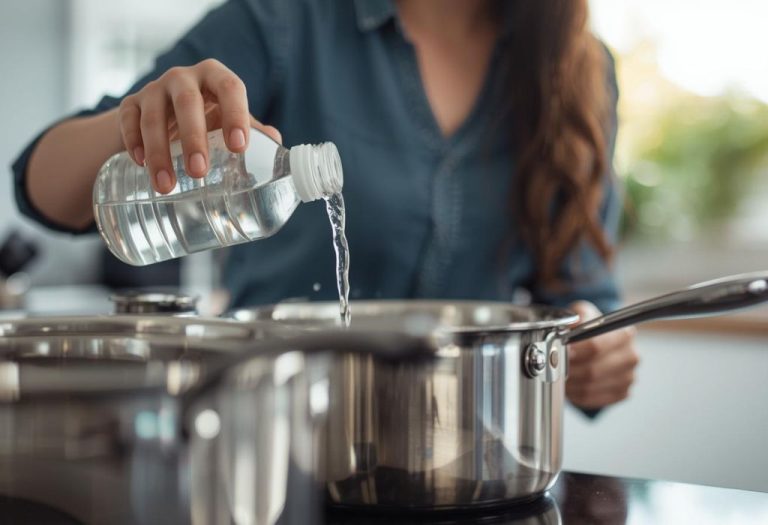
- The Vinegar Power-Up: This is my absolute favorite, and it works like a charm! For light stains, simply pour about a cup of white vinegar into your pressure cooker. Add enough water to cover the stained areas. Bring it to a boil on the stovetop, then turn off the heat and let it sit for a bit, even overnight if the stains are stubborn. You’ll be amazed at how easily the stains wipe away with a sponge afterwards. For really tough spots, I sometimes make a paste of vinegar and a little baking soda and let it sit for 30 minutes before scrubbing.
- Lemon Juice or Citric Acid: Don’t have vinegar? Lemon juice works wonders too! Just slice up a lemon, toss the slices into the stained pot with some water, and boil. The natural acidity helps break down those mineral deposits. You can also buy powdered citric acid; just a tablespoon or two with water will do the trick. It’s a fantastic natural alternative.
- Baking Soda Paste for Extra Oomph: For those really persistent, baked-on food stains, a baking soda paste is your friend. Mix baking soda with a tiny bit of water to form a thick paste. Apply it directly to the stain, let it sit for 15-30 minutes, then scrub gently with a non-abrasive sponge or brush. The mild abrasive quality of baking soda helps lift the grime without scratching the surface.
- Prevention is Key: To minimize future pressure cooker brown stains, try to rinse your pot immediately after use. If you have very hard water, consider using filtered water for cooking, especially for dishes where the water will evaporate significantly. Also, after cooking starchy foods, give the pot a quick wipe down while it’s still warm (but safe to handle!) to prevent starches from drying and hardening.
Always remember to use non-abrasive sponges or cloths. Harsh scrubbers like steel wool can scratch the surface of your pressure cooker, making it more prone to future staining and harder to clean. My personal rule of thumb: if it feels too rough, don’t use it!
So there you have it! Those mysterious pressure cooker brown stains are just part of your culinary journey, not a sign of a problem. With a little vinegar, lemon, or baking soda, your beloved kitchen helper will be sparkling clean and ready for its next delicious adventure. Happy cooking!