Addressing pressure cooker gasket problems proactively is key to safe and efficient cooking. Experts emphasize regular inspection for wear, cracks, or misalignment, as these are common culprits for leaks and pressure loss. Solving these issues often involves simple cleaning, correct repositioning, or timely replacement of the gasket, ensuring your cooker seals properly every time.
Expert Tips for Solving Pressure Cooker Gasket Problems
Hey there, fellow home cooks! If you’ve ever found yourself scratching your head, wondering why your trusty pressure cooker just isn’t sealing right, chances are you’ve run into some pressure cooker gasket problems. Believe me, you’re not alone. That humble rubber or silicone ring, the gasket, is the unsung hero of your pressure cooker, creating that vital airtight seal. When it acts up, it can bring your cooking to a grinding halt. But don’t fret! Most gasket issues are super fixable and often preventable with a little know-how.
Dealing with pressure cooker gasket problems can be a bit frustrating, but understanding the common culprits and how to tackle them makes all the difference. Think of your gasket as a hardworking but sensitive part of your kitchen team. A little care goes a long way in keeping it, and your meals, running smoothly. Let’s dive into the nitty-gritty of what usually goes wrong and how you can become a gasket-guru in your own kitchen!
What are the most common pressure cooker gasket problems, and how can I fix or prevent them effectively?
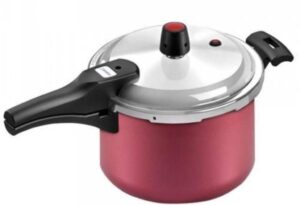
You’ve hit on the most common headache for pressure cooker users! The gasket is truly at the heart of how these amazing appliances work. I remember one morning trying to make a quick batch of steel-cut oats, and my cooker just kept hissing steam rather than building pressure. It was definitely a case of classic pressure cooker gasket problems. Here’s what I’ve learned over the years, from personal trial and error, about the most frequent issues and how to keep your gasket happy:
The vast majority of pressure cooker gasket problems stem from wear and tear, improper cleaning, or simply age. Here are the main issues you might encounter and my go-to tips:
- Leaking Steam or Difficulty Sealing: This is probably the most common complaint. If steam is escaping from around the lid, or your cooker just won’t come up to pressure, the gasket is usually the first suspect.
- The Fix: First, take the gasket out. Give it a good wash with warm water and a tiny bit of mild dish soap. Dry it completely. Sometimes, food particles or grease build-up are all that’s stopping a good seal.
- Prevention Tip: I make it a rule to wash my gasket after *every* single use. It sounds like extra work, but it prevents residue from building up and keeps the gasket pliable. Always reinsert it correctly, making sure it sits flush in its groove.
- Hardening, Cracking, or Brittleness: Over time, especially with heat exposure, gaskets can lose their flexibility. They might feel stiff or even show tiny cracks. This is a clear sign of an aging gasket.
- The Fix: There’s no real “fix” for a hardened or cracked gasket – it needs to be replaced. Trying to force it to work is unsafe and won’t give you a proper seal.
- Prevention Tip: Store your pressure cooker with the lid inverted, or slightly ajar, and *remove the gasket* if possible, especially if you won’t use it for a while. This prevents the gasket from being constantly compressed, which can prolong its life. My grandma used to keep her gasket in a separate bag, and while that might be a bit much, it definitely works!
- Stretching or Deforming: Sometimes, after repeated use and cleaning, a gasket can stretch out a bit, making it hard to fit back into the lid groove or causing it to bulge.
- The Fix: If it’s just slightly stretched, sometimes running it under cold water can help it shrink back a little. Gently work it back into the groove. But if it’s severely deformed, it’s time for a new one.
- Prevention Tip: Avoid pulling or stretching the gasket too much during cleaning. Be gentle! When washing, just let it soak briefly if needed, then gently wipe.
- Discoloration or Stickiness: It’s normal for gaskets to discolor over time, especially with certain foods like tomato sauce. Stickiness, however, usually means residue build-up.
- The Fix: A good wash should take care of stickiness. Discoloration is usually cosmetic and won’t affect performance, but if it’s accompanied by stickiness or a strange odor, a replacement might be warranted.
- Prevention Tip: Again, regular, thorough cleaning is key. I sometimes use a tiny bit of white vinegar in the wash water if I notice any lingering odors or stubborn residue.
- Choosing the Right Replacement: When you do need to replace your gasket, always go for a genuine part from the manufacturer or a reputable third-party supplier that specifically matches your pressure cooker model. A slightly off-sized gasket will lead to more pressure cooker gasket problems.
Remember, gaskets aren’t meant to last forever. They’re consumable parts, and replacing them every 1-2 years, or sooner if you cook often, is just part of pressure cooking life. It’s a small investment that ensures your cooker operates safely and efficiently.
So, next time your pressure cooker isn’t performing perfectly, take a moment to inspect that hard-working gasket. A little attention and care can prevent most pressure cooker gasket problems and keep your kitchen humming along. Happy cooking!