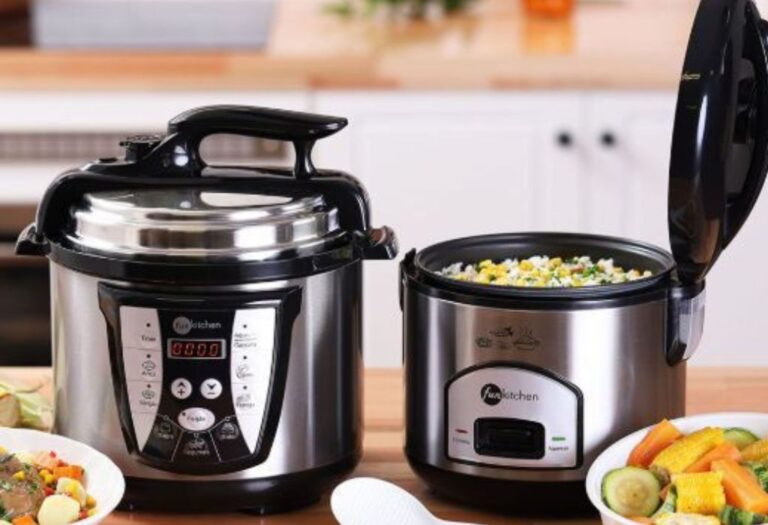
Having a pressure cooker keeps tripping breaker is a common headache for many. It often happens because these cookers use a lot of power, especially when heating up. This can be extra frustrating if you’re new to using them or don’t know much about your home’s electrical system. Don’t worry, though; it’s a solvable problem! We’ll explore why this happens and give you straightforward, step-by-step solutions to prevent your cooker from shutting off your power. Let’s get started and get that delicious meal on the table!
Understanding Why Your Pressure Cooker Trips the Breaker
The primary reason a pressure cooker keeps tripping breaker is due to an overload on your electrical circuit. Pressure cookers, especially electric models, require a significant amount of electricity to operate effectively. They use this power to heat the water and build up the pressure needed for cooking. Your home’s electrical circuits are designed to handle a certain amount of power, measured in amps. If a pressure cooker draws more amps than the circuit can handle, the circuit breaker will trip as a safety measure. This prevents damage to your appliances and wiring, as well as minimizing the risk of a fire. Identifying the root cause is the initial step towards resolving the issue.
Power Consumption of Pressure Cookers
Pressure cookers are known for their high power consumption. They typically draw between 700 to 1400 watts of power during operation. This wattage translates into a certain amount of amperage, usually between 6 to 12 amps on a standard 120-volt circuit. However, the exact amount will depend on the model and the cooking setting selected. During the initial heating phase, the cooker often uses the most power. This is because it is trying to bring the contents to the desired temperature and pressure quickly. This rapid power draw can sometimes overload a circuit, especially if other appliances are running on the same circuit simultaneously. As the pressure builds, the power consumption might decrease slightly, but it still remains relatively high compared to other kitchen appliances.
- Heating Element Demand: The heating element inside the pressure cooker is a significant power consumer. It converts electrical energy into heat to cook food. The efficiency and size of the heating element directly impact the power required.
- Peak Power Usage: Pressure cookers often have a peak power draw, particularly when they start. This is to reach the desired pressure quickly. This peak can sometimes exceed the circuit’s capacity, causing the breaker to trip.
- Variations by Model: Different pressure cooker models have varying power requirements. Some advanced models include multiple heating settings that can affect the power draw, increasing or decreasing wattage as needed.
Circuit Breakers and Their Role
Circuit breakers are electrical safety devices designed to protect your home’s wiring and appliances from damage. They are like gatekeepers of electricity, monitoring the flow of current. When the current exceeds a certain level, the circuit breaker automatically switches off, interrupting the flow of electricity. This “tripping” action is a sign that the circuit is overloaded or there’s a fault in the system. Circuit breakers are rated in amps, which indicates the maximum current they can safely handle. For instance, a 15-amp breaker will trip if the current exceeds 15 amps, providing an essential safety barrier to prevent electrical hazards. This mechanism prevents wires from overheating and potentially starting a fire.
- Breaker Ratings: Circuit breakers come in different ratings, such as 15 amps or 20 amps. The rating indicates the maximum current the breaker can safely handle. Choosing the proper breaker rating for your appliances and wiring is key for electrical safety.
- Overload Protection: The primary function of a circuit breaker is to protect against overloads. This happens when too many appliances are plugged into the same circuit, leading to an excessive current draw.
- Short Circuit Protection: Circuit breakers also protect against short circuits, which can cause a sudden and significant surge in current. Short circuits often arise from damaged wires or faulty connections.
Troubleshooting Steps When Your Pressure Cooker Trips the Breaker
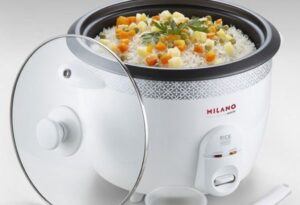
If your pressure cooker keeps tripping breaker, there are several troubleshooting steps you can take to determine the issue. These steps can help you isolate the problem and find a solution without needing an electrician. First, start with simple checks, and then move on to more detailed tests if needed. This systematic approach ensures you consider every possibility and resolve the problem efficiently. The goal is to quickly pinpoint the root of the issue and get your cooker working again safely. You don’t need to be an electrical expert to follow these steps; they’re designed for anyone to use.
Check the Outlet and Other Appliances
Begin by checking the outlet where you plug in your pressure cooker. Verify it’s functioning properly by plugging another appliance into it. If the other appliance also doesn’t work, there might be a problem with the outlet itself. If the outlet works fine with a different appliance, then the issue is likely with the pressure cooker or the circuit it’s on. Another step is to check if other appliances are running on the same circuit at the same time as your pressure cooker. If multiple devices are drawing power simultaneously, it could overload the circuit. Turn off other appliances on that circuit to see if the problem persists. If the breaker stops tripping, this confirms that an overload was the issue.
- Test the Outlet: Use a lamp or a small appliance known to work to test the outlet where your pressure cooker is plugged in. This confirms the outlet is supplying power.
- Unplug Other Devices: If other appliances are using the same circuit, unplug them. This reduces the total power draw and can prevent the breaker from tripping.
- Inspect the Cord and Plug: Examine the pressure cooker’s power cord and plug for any signs of damage, such as fraying or cracks. If you see any, you should avoid using the cooker.
Assess the Pressure Cooker Itself
If the outlet is working and the issue continues, the problem could lie with the pressure cooker. Start by examining the appliance for any obvious signs of damage, such as a burned smell or visible damage to the heating element. You can also try plugging the cooker into a different outlet, preferably one on a separate circuit, to see if that resolves the issue. This tests whether the cooker is the problem. Ensure the cooker is clean and the vents are clear. A clogged vent could lead to overheating and, potentially, excessive power draw. If the problem persists when plugged into a different outlet, it’s likely a problem within the pressure cooker itself. This often warrants repair or replacement, as internal issues can pose safety risks.
- Visual Inspection: Check the pressure cooker for any visible damage, such as burns or melting parts. This can indicate an electrical fault.
- Test on a Different Circuit: Plug the pressure cooker into an outlet on a separate circuit. If the breaker doesn’t trip on the new circuit, the problem is likely related to the original circuit’s capacity.
- Reset the Pressure Cooker: Some pressure cookers have a reset button. Try pressing it to see if it resolves the issue.
Electrical System Modifications and Solutions
If you’ve troubleshooted and the pressure cooker keeps tripping breaker, you might need to adjust your electrical setup. Sometimes, simply rearranging your appliances can make a difference. If that doesn’t solve it, consider more substantial modifications, like upgrading your circuit or calling an electrician. Always prioritize safety, and if you are unsure about any electrical work, seek expert assistance. Improving your electrical system will ensure your appliances work safely and reliably.
Circuit Upgrades and Considerations
If your pressure cooker consistently overloads a circuit, upgrading the circuit might be necessary. This often involves replacing the existing circuit breaker with a higher-rated one or adding a dedicated circuit for the appliance. However, be cautious; never increase the breaker’s amperage beyond what the wiring can safely handle. Upgrading the wiring to support a higher amperage is another option, but this is a more complex task. You will need to make certain your electrical panel has the capacity for the upgrade. It’s usually a good idea to seek an expert to assess your electrical system and to help you decide on the best plan of action. Doing so ensures that the work complies with electrical codes and is done securely, minimizing fire hazards.
- Consult an Electrician: It is important to consult a qualified electrician before making any changes to your electrical system. They can assess your needs and ensure the work is done properly.
- Dedicated Circuit: The ideal solution might be to install a dedicated circuit for the pressure cooker. This prevents other appliances from overloading the circuit, ensuring the cooker receives the power it needs.
- Wiring Compatibility: Verify that your wiring is rated to handle the increased amperage if you are upgrading the breaker. Ensure your wiring gauge matches the new breaker’s capacity to avoid safety issues.
Managing Appliance Use and Power Consumption
One way to avoid tripping the breaker is by managing your appliance use, especially when using your pressure cooker. Avoid running other high-power appliances on the same circuit at the same time. This simple change reduces the total power load and minimizes the chance of overloading the circuit. If you have several appliances that draw significant power, consider spreading their use throughout the day. Instead of running the pressure cooker, microwave, and toaster simultaneously, try to use them at different times. This prevents too much electricity from being used at once. You can also choose pressure cookers with different power settings. This lets you adjust the power consumption, preventing the circuit from being overloaded, and reduces the risk of tripping the breaker.
- Stagger Appliance Use: Plan your cooking and appliance use to spread out power consumption. Don’t run multiple high-power devices at once.
- Monitor Circuit Usage: Use a power meter to monitor how much electricity your appliances are using. This can help you identify which appliances are drawing the most power.
- Choose Energy-Efficient Appliances: When shopping for new appliances, look for models that are energy-efficient. These appliances often consume less power, which can help prevent overloading circuits.
Using Extension Cords Safely
If you need to use an extension cord, make certain it is the correct type and in good condition. Use a heavy-duty extension cord specifically designed for appliances that draw a lot of power. These cords have thicker wires that can handle more current safely. Verify the cord is in good shape. Check for any damage, such as cuts or fraying. Avoid running the extension cord across high-traffic areas where it could be tripped over or damaged. Also, don’t use an extension cord that is too long, as this could lead to voltage drop and reduced appliance performance. Always inspect the cord before each use, and replace any damaged cords immediately. These precautions minimize safety risks and ensure your pressure cooker operates effectively.
- Heavy-Duty Extension Cords: Use a heavy-duty extension cord with a rating that matches or exceeds the power requirements of your pressure cooker. This ensures the cord can handle the current safely.
- Inspect for Damage: Always check the extension cord for any signs of damage, such as cuts, fraying, or exposed wires. Discard any damaged cords immediately.
- Avoid Overloading: Do not plug multiple high-power appliances into a single extension cord. Overloading can lead to overheating and fire hazards.
Pressure Cooker Safety Tips
Regardless of whether the pressure cooker keeps tripping breaker, there are vital safety precautions. Always follow the manufacturer’s instructions for using your pressure cooker. These guides provide the essential information needed for safe operation, and ensure you use the appliance correctly. Check the pressure release valve before each use to confirm it is not blocked. A blocked valve can cause pressure to build up to dangerous levels. Regularly inspect the cooker for any signs of damage, like cracks or leaks. These could be safety risks and must be addressed. Following these steps helps minimize potential hazards and ensures the safe and efficient use of your pressure cooker.
Following Manufacturer’s Instructions
The manufacturer’s instructions are essential. These guides detail proper operation, safety protocols, and maintenance advice for your specific model. Read them before the first use and refer to them when in doubt. Each pressure cooker model has unique features and safety mechanisms. The instructions will describe how to use these correctly. Proper usage will not only improve your cooking results but also keep you safe. Following these instructions decreases the chances of accidents like burns or explosions, and also helps in proper appliance operation. The guide will provide useful troubleshooting tips and warnings to help avoid issues like tripping the circuit breaker.
- Read the Manual: Start by reading the entire manual before using your pressure cooker. This will give you a full grasp of the cooker’s operation and safety features.
- Understand Safety Features: Identify and understand the function of all safety features on your cooker, such as pressure release valves and locking mechanisms.
- Proper Assembly: Always assemble your pressure cooker correctly according to the instructions. Incorrect assembly can lead to unsafe operation.
Regular Inspection and Maintenance
Regular inspection and maintenance are very important. Perform a visual inspection of your pressure cooker before each use, looking for damage, cracks, or leaks. Inspect the sealing ring regularly for wear and tear;
- Check for Damage: Examine the cooker’s body, lid, and base for any cracks, dents, or other signs of damage.
- Inspect the Sealing Ring: Examine the sealing ring for wear, cracks, or hardening. Replace it if necessary to ensure a proper seal.
- Clean Regularly: Clean your pressure cooker thoroughly after each use, removing all food residue.
Frequently Asked Questions
Question: Why does my pressure cooker trip the breaker when I turn it on?
Answer: This likely means the pressure cooker is drawing too much power for the circuit. Check if other appliances are on the same circuit and consider plugging the cooker into a different outlet.
Question: Can I use a regular extension cord with my pressure cooker?
Answer: It’s generally not a good idea. Pressure cookers often need a heavy-duty extension cord designed for high-power appliances to ensure safety and prevent the breaker from tripping.
Question: What should I do if my pressure cooker smells like burning?
Answer: Immediately unplug the pressure cooker and check for any visible damage. The burning smell could indicate an electrical fault, and you should have it inspected by a professional.
Question: How often should I replace the sealing ring in my pressure cooker?
Answer: The sealing ring should be checked before each use and replaced if it shows signs of wear, cracks, or hardening. Refer to your cooker’s manual for specific replacement recommendations.
Question: Is it safe to use a pressure cooker with a cracked lid?
Answer: No, it is not safe. A cracked lid can’t maintain pressure, and may lead to steam escaping or even cause the cooker to explode. Stop using it and replace the lid.
Final Thoughts
If your pressure cooker keeps tripping breaker, you’ve now explored the main reasons and the steps you can take to resolve the problem. From understanding how pressure cookers consume power and how circuit breakers function, to troubleshooting and considering electrical system adjustments, you have the information to keep your cooking safe and efficient. Always prioritize safety, especially when dealing with electricity, and do not hesitate to seek help from a qualified electrician if needed. With a little care and attention, you can keep the circuit from tripping and savor delicious, home-cooked meals. Keep experimenting with the recipes and using your appliance safely, and enjoy the convenience of your pressure cooker!

I’m Emma J. Caldwell, the founder, lead writer, and home-cooking enthusiast behind KitchenGuideCo.com. With a background in culinary arts and over a decade of cooking experience in both professional and personal kitchens, I created this platform to demystify recipes, offer smart kitchen gadget reviews, and guide readers through meal prep with confidence and clarity.