If your pressure cooker isn’t locking, immediately stop use—it’s a critical safety issue that must be addressed before cooking. This guide provides essential steps to diagnose and fix common problems like misaligned lids, worn gaskets, or blockages, ensuring you can cook safely and efficiently again.
Pressure Cooker Not Locking? Fix It Now & Cook Safely
Ever stared at your pressure cooker, lid askew, wondering why it just won’t lock? It’s a common, albeit frustrating, moment in the kitchen. You’re ready for dinner, the ingredients are prepped, and suddenly, your trusty appliance isn’t cooperating. Most times, when your pressure cooker isn’t locking, it’s not a major catastrophe. It’s usually a minor hiccup that’s easy to fix. Let’s get that lid secured and dinner on the table without a fuss!
I’ve been there myself, staring blankly at the pot, trying to force a lid that just won’t budge. But over the years, I’ve learned that a little patience and a few simple checks can solve the mystery of why your pressure cooker isn’t locking. Let’s dive into the common reasons and practical solutions, shared from my own kitchen experiences.
So, why exactly is my pressure cooker not locking, and what can I do about it?
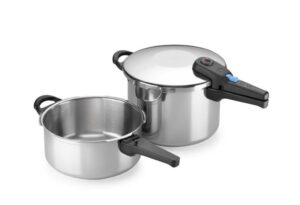
It’s totally normal to feel a bit lost when your pressure cooker isn’t locking. But don’t fret! Most issues are surprisingly simple. Here’s a breakdown of the usual culprits and how to tackle them:
- The Gasket or Sealing Ring is Out of Place or Worn Out: This is probably the most common reason. The rubber or silicone gasket creates the airtight seal. If it’s not seated perfectly, twisted, or has stretched over time, your lid won’t lock securely.
- My tip: Always give the gasket a quick visual check before cooking. Is it smooth and even around the rim? If it feels loose or looks cracked, it might be time for a replacement. I once spent 10 minutes wrestling with a lid only to realize the gasket was slightly pushed in on one side! A quick adjustment instantly solved my problem.
- Lid Misalignment: Sometimes, it’s just not lined up correctly. Pressure cooker lids often have arrows or markings that need to align with the pot handles or specific points.
- My tip: Take a deep breath. Remove the lid completely and try again. Line up the markers, gently place the lid, and twist to lock. Don’t force it. If there’s resistance, something isn’t quite right. My newer electric pressure cooker is particularly finicky about this; a slight turn to the left, then a firm right, and it usually clicks into place.
- Food Debris or Residue: Even a tiny speck of food, especially around the rim or gasket groove, can prevent a proper seal.
- My tip: After washing, make sure both the lid and the pot rim are spotless. Pay extra attention to the groove where the gasket sits. I once had a tiny piece of dried rice causing issues; it was almost invisible!
- Overfilling the Pot: Believe it or not, an overfilled pot can sometimes prevent the lid from seating and locking properly. There needs to be enough space for the lid mechanism.
- My tip: Always respect the “max fill” line inside your pressure cooker. When I tried to squeeze in an extra serving of stew, my pressure cooker wasn’t locking, and I learned my lesson. Less is more sometimes!
- Blocked Vent Pipe or Pressure Regulator: While less common for the initial locking, a blocked vent can affect pressure buildup, which indirectly relates to the seal. Some cookers have safety mechanisms tied to the vent.
- My tip: Regularly clean the vent pipe. Hold the lid up to the light to ensure you can see through it. My grandma’s old stovetop model would occasionally have a tiny bit of food block the vent, which made it harder to lock.
- Physical Damage or Wear and Tear: Over time, parts can warp or get damaged. A bent lid, a dented pot rim, or a worn-out locking mechanism could be the issue.
- My tip: Inspect your cooker carefully. Run your hand around the rim of the pot and the lid. If you feel any bumps or warps, it might be permanent damage. If your pressure cooker isn’t locking due to physical damage, it might be time to consider replacing the affected part or the whole unit for safety.
Remember, your pressure cooker is designed with safety in mind. If it’s not locking, it’s often a safety feature preventing you from using it unsafely. So, next time your pressure cooker isn’t locking, don’t panic! Take a deep breath, run through these simple checks, and you’ll likely have it sorted in no time. Happy and safe pressure cooking, my friends!