Mastering pressure cooker safety begins with always ensuring the lid is securely locked and the gasket properly sealed before starting. Never overfill your cooker and consistently use the correct, cautious pressure release method to prevent steam-related incidents. Adhering to these vital steps, along with regular maintenance, ensures a safe, stress-free, and delicious cooking experience every time.
Master Pressure Cooker Safety Tips for Stress-Free Cooking
Hey there, fellow home cooks! Have you ever looked at your pressure cooker with a mix of excitement and maybe a tiny bit of apprehension? You’re not alone! These kitchen marvels can whip up incredible meals in a flash, but sometimes the ‘pressure’ part can feel a little intimidating. So, what are the most crucial pressure cooker safety tips to keep in mind? Honestly, it all boils down to respect for the appliance and a few simple, actionable habits that make cooking truly stress-free and super safe.
What are the essential pressure cooker safety tips I need to know for safe and confident cooking?
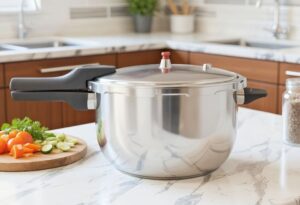
Oh, this is such a vital question, and one I get asked a lot! From my own kitchen adventures, I’ve learned that mastering your pressure cooker isn’t about being fearless, but about being informed. Here are my go-to pressure cooker safety tips, broken down into easy steps:
Always Read Your Manual – Seriously!
I know, I know, who reads manuals, right? But with a pressure cooker, it’s non-negotiable. Every model is a little different. The manual is your first and best guide to understanding your specific cooker’s features, and it contains crucial pressure cooker safety tips unique to your appliance. Think of it as your cooker’s personal instruction book – it tells you exactly what to do and what to avoid.
Mind the Fill Lines: Never Overfill
This is a big one. Pressure cookers have a maximum fill line, usually two-thirds full for most foods and half full for foods that expand, like beans or grains. Trust me on this one, I once thought “a little extra couldn’t hurt” with some lentils, and while nothing exploded, the release valve sputtered messy starch everywhere! Overfilling prevents proper pressure regulation and can block the vents, which is a major safety hazard. Always check the minimum liquid requirement too, as you need enough to create steam.
Inspect Before Each Use: Gasket, Vents, and Valves
Before every cooking session, take a quick peek. Is the rubber gasket (the sealing ring) clean, flexible, and seated correctly? Is it cracked or brittle? If so, replace it! Are the steam vent and pressure release valve clear of food debris? A blocked vent can prevent pressure from releasing safely. I like to give mine a quick rinse and check before I even start chopping veggies. These small habits are key pressure cooker safety tips.
Secure the Lid Properly
This sounds obvious, but you’d be surprised! Ensure the lid is firmly locked into place according to your cooker’s design. If the lid isn’t sealed right, pressure won’t build, or worse, it could be forced open unsafely. Ensuring a proper seal is a fundamental pressure cooker safety tip that can’t be overlooked. Always double-check that it’s snug and secure before turning on the heat.
Heat It Gently, Don’t Rush It
Pressure cookers build pressure with steam. Start on medium-high heat until pressure is reached, then reduce the heat to maintain it. Don’t blast it on high hoping it will cook faster. Excessive heat can damage the cooker and cause issues with pressure regulation. Patience is a virtue here!
Understand Pressure Release Methods
There are generally two ways to release pressure:
- Natural Release: You simply turn off the heat and let the pressure drop on its own. This is ideal for frothy foods, meats, or anything that could sputter. It also continues to cook the food gently.
- Quick Release: You use the pressure release valve to vent steam quickly. This is good for vegetables that you don’t want to overcook. Always keep your hands and face away from the steam vent! It’s hot and powerful.
Never try to force the lid open until all pressure is completely released. The indicator pin (if your model has one) should be down, and no more steam should be escaping.
Clean and Maintain Regularly
After each use, clean your pressure cooker thoroughly. Pay special attention to the lid, gasket, and vent pipe. Food particles can dry and block pathways. Store the cooker with the lid inverted or slightly ajar to prevent the gasket from compressing and prolong its life. Proper cleaning is a top pressure cooker safety tip that extends your appliance’s life and keeps it safe.
Following these pressure cooker safety tips will not only ensure your kitchen remains a safe place but also boost your confidence. You’ll soon be whipping up delicious, quick meals like a pro!
So, there you have it! Don’t let the ‘pressure’ get to you. By keeping these straightforward pressure cooker safety tips in mind, you’ll find that this appliance is an incredible ally in the kitchen, saving you time and opening up a world of culinary possibilities. Happy, safe cooking!