A slow pressure cooker almost always indicates a critical loss of internal pressure. To restore speed, immediately check your gasket for damage or improper seating, clear any clogged vents or valves, and confirm adequate liquid levels for a proper seal. Simple troubleshooting and regular maintenance are key to efficient, fast cooking.
Why is your pressure cooker taking too long? Fix it now!
Ever had that moment? You’re so excited to get dinner on the table quickly, you pull out your trusty pressure cooker, only to find it just… sits there. No hiss, no steam, no pressure building. It’s frustrating when your pressure cooker is taking too long to do its job, turning a fast meal into a slow simmer. Trust me, I’ve been there, staring at a cold pot, wondering if I did something wrong.
The good news is that when your pressure cooker is taking too long, it usually points to a few very common, and often simple, issues. Most of the time, it’s a quick fix involving its seal, the liquid inside, or how it’s heated. Don’t worry, we’ll get it back to its speedy self!
So, why is my pressure cooker taking too long to build pressure, and what can I do about it?
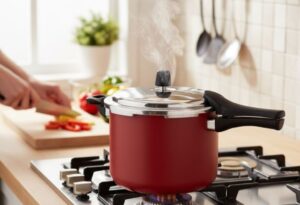
When your pressure cooker isn’t performing as it should, it’s almost always due to a steam leak or an internal blockage. Here are the most common reasons I’ve encountered, along with my go-to fixes, shared from personal experience:
- Not Enough Liquid: This is a classic rookie mistake, and one I definitely made early on! Your pressure cooker needs liquid to create steam, which then builds pressure. If there isn’t enough, it simply won’t pressurize. Most recipes call for at least 1 cup (250ml) of liquid. I’ve learned to always double-check this before I even put the lid on. If you’re adapting a recipe, make sure you meet the minimum liquid requirement for your specific model.
- A Faulty Gasket or Sealing Ring: This is, hands down, the most frequent culprit when a pressure cooker is taking too long. The rubber or silicone gasket around the lid edge is crucial for an airtight seal. Over time, it can dry out, crack, stiffen, or just get worn. I remember one time my cooker was taking ages, and I finally pulled out the gasket – it was stiff and discolored! Always inspect it before each use for any signs of damage or wear. If it feels hard, replace it. Keeping a spare on hand is a smart move.
- Clogged Vent Pipe or Pressure Release Valve: Food particles love to hide in the tiniest places! If the vent pipe (where the pressure regulator sits) or the pressure release valve (the little pin that pops up) is blocked, steam can’t escape properly, or pressure can’t build efficiently. I’ve found tiny bits of rice or spices stuck in there after a particularly messy stew. After every use, make sure to thoroughly clean these components. A toothpick or a small brush can be your best friend here.
- Improper Lid Sealing: Sometimes, it’s just a matter of user error – and yes, I’m speaking from experience! If the lid isn’t aligned correctly or isn’t fully locked into place, steam will escape. You might hear a hiss from the sides, or just notice that it’s taking forever to build pressure. Always ensure the arrows (or alignment marks) on your lid and pot are lined up, and that you’ve twisted it firmly until it clicks or locks securely.
- Insufficient Heat: Your pressure cooker needs high heat to get going. If your stove burner isn’t powerful enough, or if you’re using a small burner for a large pot, it will struggle. My old electric stove sometimes had this problem. Make sure you’re using a burner that matches the diameter of your pressure cooker’s base and turn the heat up to medium-high or high until pressure is achieved. Once it’s pressurized, you can usually reduce the heat to maintain it.
- Damaged Pot Rim: Less common, but still possible, especially if your cooker has seen better days. A dented or warped rim on the pot itself can prevent a tight seal, even if your gasket is perfect. Run your hand carefully around the rim to check for any deformities. If you spot one, sadly, this might mean it’s time for a new pot.
Most of the time, the fix for a pressure cooker taking too long is simple. Don’t give up on your speedy kitchen helper! A quick check of these common issues will usually get you back to enjoying those wonderfully fast, flavorful meals in no time. Happy cooking!