Having trouble with your pressure cooker timer not working? It’s a common issue, especially when you’re just starting out. Many cooks find the timer a bit tricky, and it can be frustrating if your meals aren’t turning out right. Don’t worry though! This guide will break down the steps to figuring out the problem and getting your pressure cooker back on track. We’ll explore the main causes and provide simple solutions. Let’s get started!
Common Causes of Pressure Cooker Timer Failure
When the pressure cooker timer not working correctly, it can lead to undercooked or overcooked food. This issue can stem from various sources, ranging from simple user errors to more complex mechanical or electrical problems. Recognizing the potential causes is the first step in troubleshooting the problem. Knowing the reason behind the issue helps in identifying and implementing effective solutions, ensuring the appliance operates correctly and produces the desired results consistently. A well-functioning timer is key to safe and successful pressure cooking, preventing both food spoilage and potential hazards. Let’s explore some of the common things that can cause timer issues.
Power Supply and Electrical Connections
One of the most frequent reasons for a timer failure is an issue with the power supply. A pressure cooker relies on a consistent flow of electricity to function, and any interruption can impact the timer’s operation. This includes loose connections, damaged power cords, or problems with the outlet itself. The internal wiring of the pressure cooker can also play a role; a break or short circuit in the wiring might disrupt the power supply to the timer circuit. A simple check of the power outlet, power cord, and the connections can often resolve the issue, getting your pressure cooker working again.
- Outlet Issues: If the pressure cooker is not receiving power, it’s a good idea to check the outlet. Try plugging another device into the same outlet to ensure it’s functioning correctly. Sometimes, an outlet can be faulty and fail to deliver electricity.
- Power Cord Inspection: Inspect the power cord for any visible damage, such as cuts, frays, or exposed wires. A damaged cord is a potential safety hazard and should be replaced immediately. Even small damages can interrupt the power supply to the timer.
- Internal Wiring: Inside the pressure cooker, there might be wiring problems. This could be due to age, wear, or internal damage. If you’re comfortable and know how, carefully inspect the internal wiring for any signs of damage or loose connections. Safety first, and unplug it.
- Fuse Replacement: Many pressure cookers have a built-in fuse to protect the electrical components from power surges. If the fuse blows, the timer may not function. Consult your pressure cooker’s manual for instructions on how to locate and replace the fuse.
If you’re using an older model, the internal components might simply have worn out. A qualified electrician or appliance repair technician might need to check and, if needed, replace the faulty parts. Newer models often have built-in safety features, but it’s essential to ensure your appliance is in safe working order before each use. Understanding the electrical system helps you to troubleshoot these common problems and can prevent accidents.
User Errors and Settings Mistakes
Sometimes, the problem isn’t with the appliance itself, but rather with how it’s being used. User errors, such as incorrect settings or improper use of the timer function, can lead to the impression that the pressure cooker timer isn’t working. For instance, some models have multiple cooking modes, and choosing the wrong one can affect the timer’s functionality. Similarly, forgetting to set the timer or setting it incorrectly can result in cooking issues. By double-checking settings and following the manual instructions closely, many timer problems can be easily resolved, leading to better results. This requires familiarity with the cooker’s controls and a careful approach to setting up each meal.
- Incorrect Mode Selection: Many pressure cookers have various cooking modes such as “Rice,” “Meat/Stew,” or “Soup.” Be certain you’ve chosen the correct mode for what you’re cooking. Using the wrong mode might prevent the timer from functioning as expected.
- Timer Not Set: It sounds simple, but it is easy to forget to set the timer. Double-check that you’ve activated the timer function and entered the correct cooking time. Some cookers have a delayed start timer, which could cause confusion if you’re not familiar with how it works.
- Pressure Level: Some recipes require a specific pressure level. If the pressure isn’t building up correctly, the timer might not start. Make sure the lid is properly sealed and that the pressure release valve is set correctly.
- Following the Recipe: Always follow the recipe closely. Recipes are crafted to work with your specific pressure cooker model. Any deviation from the recipe might affect the cooking time, and thus the timer’s expected performance.
Reading the user manual is an important first step. It is easy to overlook key steps or settings. Ensure you are familiar with all the features and controls of your pressure cooker model. Many mistakes can be prevented by a simple review of the manual. By focusing on each step and checking the cooker settings, it’s easier to prevent simple user errors that might seem like timer problems.
Mechanical and Component Failures in the Timer
Besides power supply and user errors, the pressure cooker timer can also fail due to mechanical or component problems. This can include wear and tear on the internal parts, malfunctions in the digital display, or issues with the circuits. Over time, mechanical timers can become less accurate, while the digital components in electronic timers can experience various failures. Identifying these problems requires a closer look at the appliance’s internal workings. Professional repair might be needed, but understanding the possible mechanical issues is important.
- Mechanical Timer Wear: Older pressure cookers with mechanical timers can experience wear and tear. Over time, gears, springs, and other mechanical parts might degrade, leading to inaccurate timing.
- Digital Display Problems: If your pressure cooker has a digital display, the display itself or the circuits that control it could be faulty. This could lead to the timer not showing the correct time or not starting at all.
- Sensor Malfunctions: Pressure cookers have sensors to detect pressure and temperature. If these sensors fail, the timer might not function correctly. For example, if the pressure sensor doesn’t register the correct pressure, the timer might not start.
- Component Failure: Internal components, such as resistors, capacitors, and other electronic parts, can fail over time. A circuit board malfunction can affect the timing mechanism and other features.
When you have mechanical or component failures, it is essential to get professional help. A qualified appliance repair technician can diagnose the problem and replace the faulty parts. Attempting to repair the appliance on your own might void the warranty or cause further damage. If your pressure cooker is still under warranty, contact the manufacturer’s customer service to discuss your options. They might be able to offer repairs or a replacement. If your cooker is older, weigh the cost of repairs versus buying a new one.
Troubleshooting Steps When the Pressure Cooker Timer Is Not Working
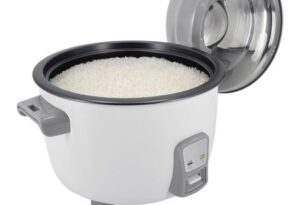
When you face the issue of the pressure cooker timer not working, systematic troubleshooting is essential to identify the problem and determine the appropriate solution. The steps include simple checks to more advanced diagnostic procedures. This systematic process helps you eliminate possible causes one by one, enabling you to pinpoint the root cause of the issue and fix it effectively. Following these steps can often resolve the problem quickly, allowing you to resume your cooking with confidence.
Basic Visual Inspection and Initial Checks
Before any complicated troubleshooting, start with a basic visual inspection of your pressure cooker. This first step can identify obvious issues and save time. Look for any visible damage on the power cord, the exterior of the appliance, and the control panel. Check for anything that appears out of place or broken. It is a simple but important beginning to identify problems.
- Power Cord: Examine the power cord for any visible signs of damage, like cuts or frays. Ensure the cord is securely plugged into both the pressure cooker and the outlet.
- Control Panel: Check the control panel for any obvious issues, such as cracked buttons or a non-responsive display. Make sure the buttons are clean and free of any debris.
- Lid and Seal: Inspect the lid and the sealing ring for any damage or misalignment. A lid that doesn’t seal properly can prevent the pressure from building, which could affect timer operation.
- User Manual: Consult your user manual. Make sure you are using the pressure cooker correctly. There might be specific instructions for setting the timer or troubleshooting.
By conducting a thorough visual inspection and checking the controls, you can identify many problems. These simple checks can often resolve the issue or lead you to further troubleshooting steps. A quick look can prevent potential safety hazards and prevent more serious problems.
Testing Power and Electrical Components
After the initial visual inspection, the next step involves testing the power and other electrical components of the pressure cooker. This is especially important if you suspect an electrical problem. You will need to make certain your pressure cooker is receiving power and that the electrical components are functioning correctly. This process usually involves using a multimeter to check for continuity and voltage, which confirms that the appliance is getting power and that the circuits are intact.
- Outlet Test: Use another appliance to verify the outlet is working. You can also use a voltage tester to confirm that the outlet is providing the correct voltage.
- Power Cord Test: Use a multimeter to check the power cord for continuity. Make sure there is no break in the wire.
- Fuse Check: Consult the user manual to locate the fuse for your pressure cooker. Remove the fuse and check it for continuity using a multimeter. Replace the fuse if it is blown.
- Internal Wiring Inspection: Unplug the pressure cooker and carefully inspect the internal wiring for any signs of damage or loose connections. This step should be taken with care, or you can have a professional do it.
Safety is the most important factor when testing electrical components. Always unplug the pressure cooker before inspecting any internal parts. If you are unfamiliar with electrical testing or feel unsure, it is best to consult a qualified appliance repair technician. A professional technician can conduct thorough tests and safely identify any electrical problems.
Checking Settings and Timer Functions
If the pressure cooker is receiving power and appears to be in good physical condition, the next step is to carefully check the settings and the timer functions. This often involves reviewing the user manual for model-specific instructions and verifying that all the settings are properly configured. You may need to review different cooking modes, timer settings, and pressure levels. The objective is to make certain that the appliance is set up correctly and the timer is functioning as intended.
- Mode Selection: Double-check that you have selected the right cooking mode for the recipe. Some modes might have different timer functions.
- Timer Settings: Confirm that the timer is set for the correct cooking time. Make certain the timer is activated and functioning properly.
- Delayed Start: If your pressure cooker has a delayed start feature, make sure it is not activated if you want the cooking to start right away.
- Pressure Level: Some recipes require a specific pressure level. Make certain the pressure cooker is building pressure correctly, as this will affect the timer’s operation.
By carefully reviewing the settings and making certain the timer is functioning, you can avoid a lot of problems. If the timer still is not working, it may indicate a deeper problem with the appliance. At this point, it might be time to seek professional help.
Advanced Troubleshooting and When to Seek Professional Help
If the basic troubleshooting steps do not resolve the issue, advanced troubleshooting or professional assistance might be needed. This can involve more detailed testing of the appliance’s components, checking internal circuitry, or diagnosing mechanical failures. Knowing when to get professional help is important to avoid further damage and ensure the appliance is safely repaired. If your pressure cooker timer is not working despite your best efforts, it is best to get help.
Internal Component Checks and Diagnostics
If basic troubleshooting doesn’t work, more advanced internal component checks are required. This includes the internal circuits and sensors, which monitor pressure and temperature. If you are comfortable, you can use a multimeter to check the voltage and continuity. You must follow safety precautions. For those who aren’t familiar with these processes, it is advisable to get professional help.
- Sensor Testing: Use a multimeter to check the sensors that monitor pressure and temperature. These sensors are vital for the timer.
- Circuit Board Inspection: Carefully examine the circuit board for any signs of damage, like burnt components or loose connections.
- Timer Mechanism Examination: If your pressure cooker has a mechanical timer, inspect the gears, springs, and other components for wear or damage.
- Professional Evaluation: If you are not comfortable with these tests, take the cooker to a professional appliance repair technician. They have the equipment to assess the problems.
It is important to emphasize safety while doing these checks. Always unplug the appliance before opening it up. If you are not sure about what you are doing, seeking a professional technician is the best step. Professionals have the training and resources to safely diagnose and repair any internal component issues. This protects your safety and avoids further damage to your appliance.
Seeking Appliance Repair Services
When troubleshooting fails to fix the timer, it is time to seek professional repair services. Choosing a qualified appliance repair technician is important to make certain your pressure cooker is correctly and safely fixed. This professional has the experience and specialized equipment to diagnose and repair any complex electrical or mechanical problems. They can also get any replacement components that might be required. When you are looking for a technician, consider these aspects.
- Check Credentials: Ensure the technician is certified and has the necessary qualifications to work on your pressure cooker model.
- Read Reviews: Look for customer reviews to understand the technician’s reputation and quality of service.
- Get Estimates: Ask for estimates from different technicians to compare costs and services offered.
- Warranty: Make certain the repair comes with a warranty to protect against any future issues.
When you seek professional help, explain the issues you have already discovered. The professional will begin by diagnosing the problem and identifying the issue and the best way to fix it. This may involve replacing components or doing specific repairs. Professional repair will get your appliance in working order and help avoid future problems.
Pressure Cooker Replacement
In some situations, the cost of repairing a pressure cooker may not make sense. This is especially true for older models or those with extensive damage. When a repair is expensive, or the pressure cooker is beyond its useful lifespan, it is better to think about a replacement. Many new pressure cookers offer better features, safety, and energy efficiency. Considering replacement should be a step in your decision. Reviewing all options is important.
- Evaluate Repair Costs: Obtain a quote for the repair and compare it to the price of a new pressure cooker. If the repair cost is too high, replacement may be better.
- Assess the Appliance’s Age: Older pressure cookers may not be energy-efficient or have modern safety features.
- Research New Models: Research new pressure cooker models to find one that fits your needs.
- Consider Features: Think about what features are important to you, like smart cooking programs, digital displays, and pressure settings.
The decision to replace a pressure cooker should be based on a few aspects. When the repair cost is too high, or the appliance is out of date, replacement is often the best choice. This ensures you have a safe and efficient appliance to continue your cooking. When purchasing a new pressure cooker, think about the features and benefits to meet your needs.
Frequently Asked Questions
Question: What should I do if my pressure cooker won’t start?
Answer: Check the power supply and outlet, and make sure the lid is properly sealed and that the pressure release valve is set correctly. If it still won’t start, consult your user manual for more specific troubleshooting steps.
Question: Can I repair a pressure cooker timer myself?
Answer: Simple issues, like checking the power cord or resetting the timer settings, you might be able to handle. For more complex repairs, like internal component failures, it is best to seek professional help.
Question: How do I know if the timer on my pressure cooker is broken?
Answer: If the timer does not count down, the cooking time is inaccurate, or the pressure cooker doesn’t turn off automatically, the timer might be broken. Do some troubleshooting before you try to fix it.
Question: What are the main parts of a pressure cooker timer?
Answer: The main parts include a display, buttons, or controls, a circuit board or mechanical timer mechanism, and sometimes sensors that measure pressure and temperature.
Question: Is it safe to use a pressure cooker with a faulty timer?
Answer: No, it is not recommended to use a pressure cooker with a faulty timer. The timer is vital to cooking food correctly and safely. Using it with a broken timer could lead to undercooked or overcooked food, and create a safety hazard.
Final Thoughts
Dealing with a pressure cooker timer not working can be irritating, but understanding the possible causes and the step-by-step troubleshooting can get you back to cooking. By starting with basic checks such as the power cord and settings, and then moving on to more detailed inspections, you can often find the problem and fix it. Remember, user errors and power issues are frequently the reason for timer failures, so start there. When these basic steps are ineffective, more in-depth testing of the internal components or professional appliance repair might be needed. If your cooker is old, think about a

I’m Emma J. Caldwell, the founder, lead writer, and home-cooking enthusiast behind KitchenGuideCo.com. With a background in culinary arts and over a decade of cooking experience in both professional and personal kitchens, I created this platform to demystify recipes, offer smart kitchen gadget reviews, and guide readers through meal prep with confidence and clarity.