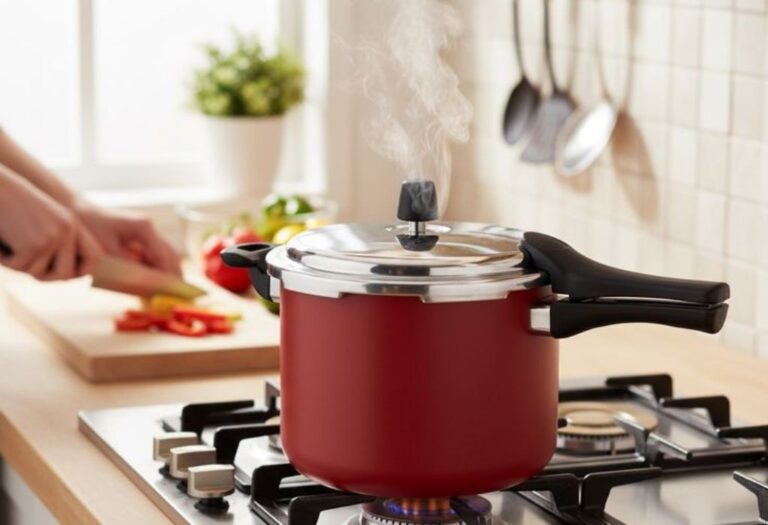
A silent pressure cooker whistle demands immediate attention, as it signals potential safety hazards or performance issues. Quickly address this common problem by checking for blocked vent pipes, faulty pressure regulators, or worn gaskets. Simple solutions often include thorough cleaning, proper assembly, or replacing minor parts to restore safe and efficient operation.
Pressure Cooker Whistle Not Working Get Quick Solutions
Oh no! There’s nothing quite as frustrating as waiting for that familiar hiss and subsequent whistle from your pressure cooker, only for absolute silence to reign. You’re standing there, eyeing your cooker, wondering, “Is it broken? What went wrong?” Trust me, I’ve been there, staring at a pot of potential disaster, worried my food won’t cook. But take a deep breath! In most cases, a pressure cooker whistle not working isn’t a sign of a major breakdown. It’s usually a simple, easily fixable issue, and you’re about to get some quick, practical solutions.
You’re not alone in facing this kitchen dilemma. Many of us have experienced this “silent cooker” moment. The good news is, with a little troubleshooting, you can often get your pressure cooker back to whistling merrily in no time. Let’s dive into why your pressure cooker might be giving you the silent treatment and what you can do about it.
Why is my pressure cooker whistle not working, and what can I do about it?
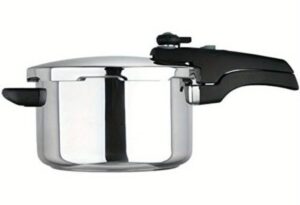
When your pressure cooker whistle is not working, it almost always points to an issue preventing the internal pressure from building up or escaping correctly through the vent. Here’s a detailed look at the common culprits and how to tackle them, based on my own kitchen experiences:
1. The Vent Pipe is Blocked: This is, hands down, the most frequent reason I’ve encountered for a silent cooker. The small vent pipe, which leads to where the whistle sits, can easily get clogged by tiny food particles, starch, or even a splash of liquid that dries up. I once had my cooker go silent, and after cooling it down, I found a tiny piece of dal completely blocking the vent!
- Solution: Always check the vent pipe after washing. Hold it up to the light to ensure you can see through it. If it’s blocked, use a thin wire, a toothpick, or the specific cleaning pin that often comes with the pressure cooker to poke through and clear the obstruction. A good scrub with a small brush can also help prevent future blockages.
2. The Gasket (Sealing Ring) is Faulty or Misplaced: The rubber or silicone gasket creates the airtight seal between the lid and the pot. If it’s worn out, cracked, or not seated correctly, steam will escape, and pressure won’t build up enough to trigger the whistle. I remember trying to cook rice once, and the whistle just wouldn’t blow. Turns out, the gasket had slipped slightly out of its groove.
- Solution: Inspect your gasket carefully before each use. Look for any cracks, tears, or signs of hardening. If it feels stiff or stretched, it’s time for a replacement. Also, ensure it’s properly seated in the lid’s groove, without any twists or kinks. A little water on the rim can sometimes help it seal better.
3. The Whistle (Pressure Regulator) Itself is Clogged or Damaged: Sometimes, the problem isn’t the cooker, but the whistle. The small hole on the underside of the whistle weight can get blocked by food particles, preventing the steam from escaping. Or, in rare cases, the whistle mechanism might be faulty.
- Solution: Remove the whistle and check its underside. Clean any blockages with a thin wire or a toothpick. If it still doesn’t work after checking other components, and you’ve had it for ages, it might be time to get a new whistle – they’re relatively inexpensive replacements. Ensure it’s placed securely on the vent pipe.
4. Insufficient Water or Food: For a pressure cooker to build steam and whistle, there needs to be enough liquid inside. If you haven’t added enough water or your food content is too low, there might not be enough steam generated to create the necessary pressure.
- Solution: Always follow the recipe’s liquid recommendations. Most pressure cookers require a minimum amount of water to operate safely and effectively. Ensure there’s at least ½ to 1 cup of water, depending on your cooker’s size and the food being cooked.
5. Low Heat or Improper Flame: Pressure cookers rely on high heat to quickly generate steam and build pressure. If your stovetop burner is too low, or if the flame isn’t directly heating the bottom of the cooker effectively, it might take a very long time for the pressure to build, or it might never reach the whistling point.
- Solution: Start with a high flame to quickly bring the cooker to pressure. Once the first whistle blows, you can usually reduce the heat to maintain pressure, but ensure it’s still enough to keep the whistles coming at regular intervals if your recipe requires more.
Remember, safety first! If your pressure cooker whistle is not working, always turn off the heat and allow the cooker to cool down naturally before attempting to open the lid or troubleshoot. Never force it open.
In conclusion, while a silent pressure cooker can be alarming, it’s usually a minor issue. By systematically checking the vent pipe, gasket, whistle, water level, and heat, you can often diagnose and fix the problem yourself. Most of these fixes are quick and require no special tools, getting you back to effortlessly cooking delicious meals in no time!