For new parents, cleaning baby bottles quickly becomes a daily routine. Between endless feedings, sleepless nights, and constant sanitizing, anything that saves time feels like a miracle. So naturally, many wonder: can you put baby bottles in the dishwasher?
It’s a fair question. Baby bottles need to be spotless — free from bacteria, milk residue, and odors. The dishwasher seems like the perfect solution for effortless, high-temperature cleaning.
But while many modern bottles are designed to be dishwasher safe, there are a few important details every parent should know before loading them up.
Not all bottles and nipples handle heat the same way. Some plastics warp, some silicone parts lose elasticity, and improper placement can lead to trapped water or detergent buildup.
Even with “dishwasher-safe” labels, certain precautions are essential to ensure bottles remain safe for your baby.
In this complete guide, you’ll learn when and how to safely clean baby bottles in the dishwasher, what to avoid, and which cleaning habits help protect your baby’s health. Let’s take the confusion out of bottle cleaning, and make your parenting routine just a little bit easier.
Are Baby Bottles Dishwasher Safe?
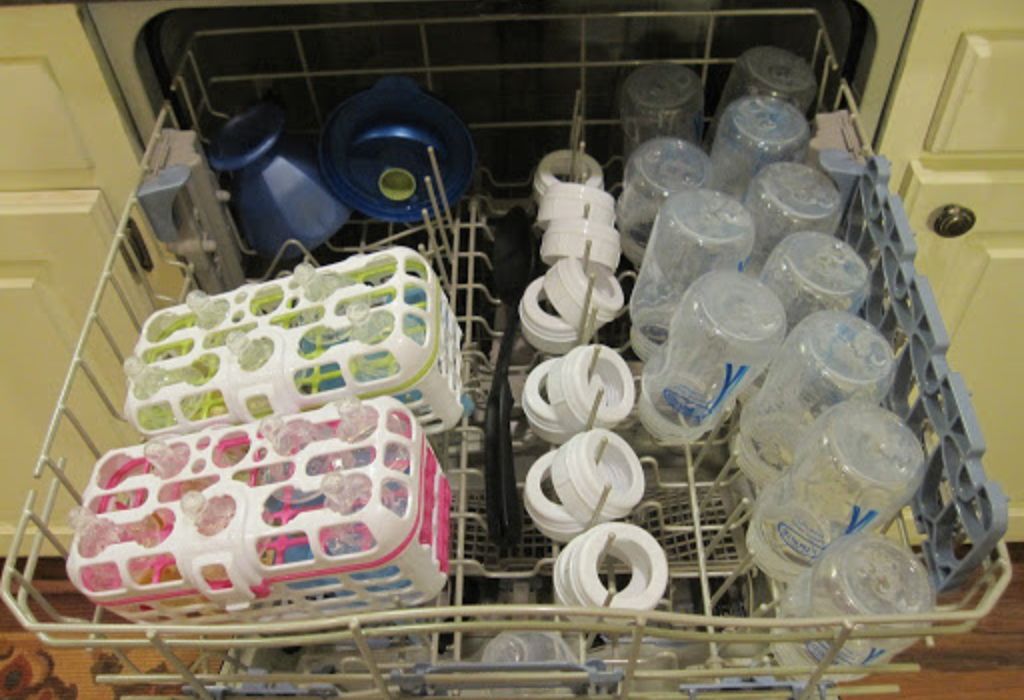
Yes — most modern baby bottles are dishwasher safe. Brands like Philips Avent, Dr. Brown’s, Tommee Tippee, and Comotomo design bottles specifically to withstand heat and detergent exposure. However, always double-check the manufacturer’s instructions before cleaning.
The key factor is the material. Plastic bottles labeled “BPA-free” and glass bottles both tolerate dishwasher temperatures well. Silicone parts, such as nipples and seals, also handle heat effectively when placed on the top rack.
Still, repeated washing on high-heat settings may cause wear over time. For example, clear plastic bottles might become cloudy, and printed measurements may fade. These cosmetic changes don’t affect function but indicate that gentler washing might be better for longevity.
If your baby has sensitive digestion or you use specialized formula, hand-washing occasionally helps prevent buildup in hidden corners that dishwashers might miss.
Can all baby bottles go in the dishwasher?
Most can, but always confirm with the product’s care instructions.
Are glass baby bottles safe in the dishwasher?
Yes, they handle heat well and resist scratches.
What about silicone nipples?
They’re safe but should go on the top rack only.
Can I put plastic bottles on the bottom rack?
No, the heat near the coil can warp them.
Do I need a bottle basket for the dishwasher?
Yes, it keeps small parts secure and prevents damage.
How Dishwashers Clean Baby Bottles
Dishwashers use a combination of hot water, detergent, and pressurized spray jets to remove food and bacteria. For baby bottles, this process works well to eliminate milk residue and odors, as long as you use the right temperature and settings.
Most dishwashers reach sanitizing temperatures between 150°F and 160°F during the main wash. This is sufficient to kill common bacteria and sterilize surfaces. However, exposure to extreme heat for too long can weaken certain plastics.
The detergent you use matters, too. Baby-safe, fragrance-free detergents are recommended because regular ones may leave residues that irritate sensitive stomachs. Using too much detergent can also cause cloudy spots or soap film on the bottle interior.
Finally, ensure that bottles are positioned upside down on the top rack and that water can circulate freely around each piece. Proper loading makes all the difference between truly clean bottles and trapped residue.
Preparing Bottles Before the Dishwasher
Before you toss bottles into the dishwasher, a little prep goes a long way. Start by rinsing each bottle with warm water immediately after feeding. This prevents milk proteins from drying and sticking inside.
Separate every component — nipples, collars, caps, valves, and rings. Dishwasher spray arms can’t reach trapped milk behind sealed parts. Disassembling ensures complete cleaning and sterilization.
For bottles with anti-colic vents or straws, run warm water through them before washing. These small parts tend to trap residue that dishwashers may not remove completely.
If your baby’s formula contains oils or supplements, a quick rinse with warm soapy water first prevents grease spots that detergents sometimes miss.
Proper preparation not only improves cleaning results but also extends the lifespan of every component.
Top Rack vs. Bottom Rack: Which Is Better for Baby Bottles
The top rack is the safest place for baby bottles. It’s farther from the heating element, reducing the risk of melting or warping plastic. Most dishwasher-safe baby bottles are tested for top-rack conditions only.
The bottom rack reaches higher temperatures, which is perfect for pots and pans but too harsh for delicate baby items. Silicone nipples and plastic rings may lose shape or become tacky if placed near the coil.
A specialized baby bottle basket or cage is ideal for small parts. It keeps nipples, vent inserts, and caps secure during the wash, preventing them from bouncing around or touching dirty items.
If your dishwasher has a baby-care or sanitize cycle, use it sparingly. While effective for sterilizing, frequent use can accelerate wear on markings and silicone.
Always leave enough space between bottles to allow even water flow. Overloading reduces cleaning efficiency and may leave soap or formula residue inside.
Choosing the Right Detergent for Baby Bottles
Not all dishwasher detergents are created equal. Many regular detergents contain dyes, bleach, or fragrances that can cling to plastic surfaces. These chemicals may cause irritation if residue remains after rinsing.
Opt for baby-safe, fragrance-free, and phosphate-free detergents. These formulas are milder yet strong enough to remove milk and bacteria. Liquid or gel-based detergents tend to rinse cleaner than powders.
Avoid citrus-scented or antibacterial detergents — they often include harsh agents that dry out silicone or leave behind chemical films.
For glass bottles, you can safely use standard mild detergents, but still choose a gentle cycle. If you prefer natural solutions, a small amount of white vinegar in the rinse cycle works as a natural deodorizer.
Always run an extra rinse cycle if you suspect residue remains. Clean water is your best friend when preparing bottles for your baby.
Can I use regular dishwasher detergent?
It’s not ideal; baby-safe or mild formulas are better.
What’s the safest natural detergent for baby bottles?
Plant-based, fragrance-free detergents like Seventh Generation Baby are good options.
Can I add vinegar to the rinse cycle?
Yes, vinegar naturally removes residue and odors.
Are detergent pods safe for washing baby bottles?
Use caution — only if they’re baby-safe and fragrance-free.
Will baking soda clean bottles effectively?
Yes, it helps remove odor but should be rinsed thoroughly afterward.
How to Sanitize Baby Bottles in the Dishwasher
Many dishwashers include a “sanitize” setting designed to kill 99.9% of germs. This cycle raises the water temperature above 160°F and extends the rinse phase. It’s an excellent choice for sterilizing baby bottles — when used correctly.
To sanitize safely, place all components on the top rack and ensure the sanitize setting is compatible with your bottle material. Most BPA-free plastics and silicone parts can handle these temperatures occasionally.
Avoid running the sanitize cycle every day. Over time, it can fade printed measurements or stretch nipples. Use it once a week for deep cleaning, and regular wash cycles in between.
After sanitizing, open the dishwasher door slightly and let everything air dry. The hot steam helps evaporate remaining moisture, reducing bacteria growth.
Drying and Storing Bottles After Washing
Drying is just as important as washing. Moisture left inside bottles or nipples creates the perfect environment for mold or bacteria. Always ensure each part is completely dry before storing or reassembling.
Let bottles air dry on a clean drying rack instead of using dish towels. Towels can introduce lint or bacteria, especially if they’re not freshly washed.
If your dishwasher has a heat-dry option, it’s fine to use, but watch for any signs of warping on the first cycle. Otherwise, open the door after washing and allow steam to escape naturally.
Once dry, reassemble only what you need for the next feeding. Keep the rest stored in a clean, closed container to prevent dust exposure.
Avoid sealing wet bottles with lids or caps. Trapped moisture can lead to unpleasant smells and hidden mold spots around the rim.
Common Mistakes Parents Make When Washing Bottles
Even the most careful parents make small errors when washing bottles. One of the most frequent is not disassembling bottles completely. Milk can hide inside small vent pieces, making them hard to clean.
Another mistake is using overly hot water or harsh detergent. While it sanitizes effectively, it can also degrade silicone nipples and cause plastic bottles to yellow.
Many parents also forget to clean bottle brushes regularly. Dirty brushes can harbor bacteria that spread back into clean bottles. Always rinse and replace brushes frequently.
Finally, don’t mix baby bottles with heavily soiled dishes. Grease from pots and pans can cling to bottle interiors, making them harder to rinse clean.
Can I wash bottles with other dishes?
No, always wash separately for hygiene.
Is the sanitize cycle necessary every time?
No, regular hot wash is fine for daily cleaning.
Why do bottles look cloudy after washing?
It’s usually detergent residue or hard water buildup.
Can I soak bottles overnight in soapy water?
Yes, but rinse thoroughly to remove all soap traces.
Should I wash bottles before first use?
Absolutely — it removes factory residue and dust.
How to Wash Baby Bottle Nipples and Small Parts
Nipples, valves, and collars require extra attention. These parts come in direct contact with your baby’s mouth and can easily trap bacteria in hidden areas.
Place them in a mesh dishwasher basket or silicone washing container. This keeps them secure while allowing full water circulation. Always put them on the top rack to avoid damage from heat.
Check nipples after each wash for cracks or discoloration. If they appear sticky, thin, or misshapen, replace them immediately, they no longer provide a safe feeding experience.
If residue remains after washing, soak in warm soapy water and use a small nipple brush to remove buildup. Thorough rinsing ensures no detergent remains inside.
Are All Brands of Baby Bottles Dishwasher Safe
Most leading brands design their bottles for modern convenience, but slight differences exist. For example, Dr. Brown’s bottles feature internal vent systems that need extra cleaning. These small tubes must be rinsed carefully before dishwashing.
Philips Avent bottles and nipples are entirely top-rack safe, while Tommee Tippee bottles can discolor if repeatedly exposed to high heat. Comotomo bottles, made of soft silicone, handle dishwashers well but must stay away from the bottom rack.
Medela and Evenflo bottles are also dishwasher safe, but the detachable parts should be kept in a basket. Check for manufacturer markings or labels before washing.
When in doubt, hand-wash delicate or high-end bottles to preserve their fit and function.
How Often Should You Clean and Sanitize Baby Bottles
During the first three months, when your baby’s immune system is still developing, bottles should be washed and sanitized after every feeding. Once your baby grows stronger, daily washing and weekly sanitizing is enough.
If your baby is sick or premature, maintain strict sterilization habits — germs spread easily through feeding equipment.
Bottles used for formula or milk storage should always be cleaned immediately after use. Dried residue attracts bacteria and is difficult to remove even with dishwasher heat.
Store cleaned bottles in a dust-free cabinet or covered drying rack. As your baby transitions to solid foods, you can gradually reduce sterilization frequency, but consistent cleanliness remains vital.
How Dishwasher Heat Affects Baby Bottle Materials
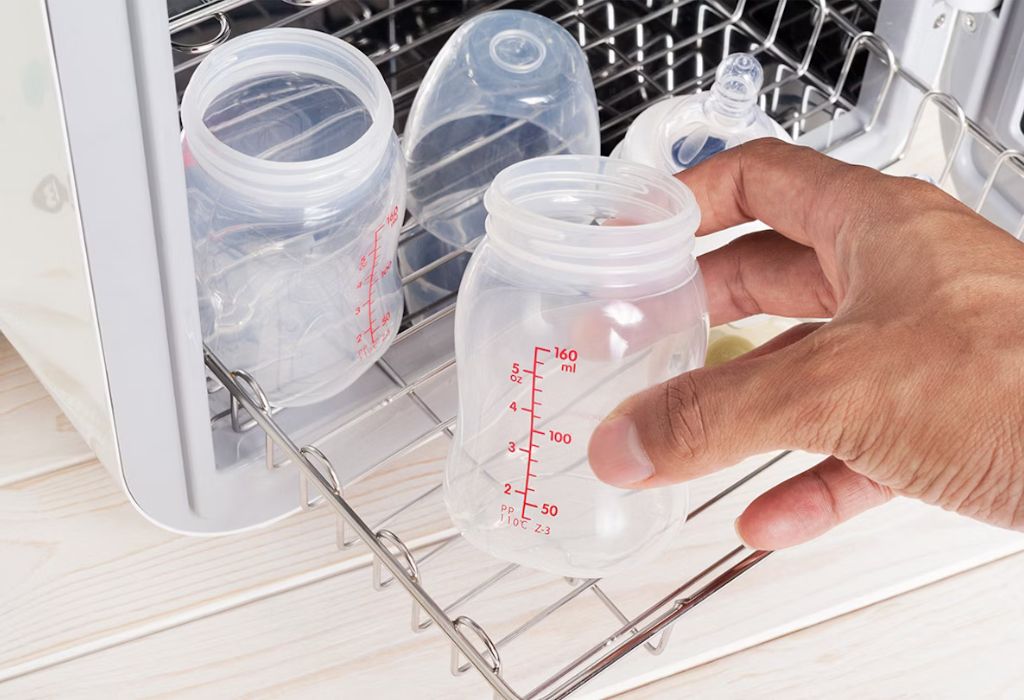
Dishwashers use high heat to sanitize and dry, but not all baby bottle materials react the same way. Glass bottles handle extreme temperatures easily and maintain their clarity even after hundreds of washes. Plastic and silicone, however, require gentler handling.
Most baby bottles are made from polypropylene or Tritan plastic both are BPA-free and designed for moderate heat resistance.
Still, repeated exposure to high temperatures can cause these plastics to degrade slowly, resulting in cloudiness or surface wear. This doesn’t make them unsafe, but it’s a sign the bottle is aging.
Silicone parts like nipples, rings, and anti-colic valves can tolerate heat up to 400°F, but they lose flexibility over time if exposed to constant heat drying. You might notice stretched or slightly tacky textures after many dishwasher cycles.
Using the top rack only minimizes exposure to direct heat and prevents premature wear. It’s especially important for thin or lightweight bottles that could warp if too close to the heating coil.
Avoid the “sanitize” or “extra-hot” mode unless needed for sterilization. These settings exceed 160°F and, while effective against germs, can accelerate material fatigue. Balancing temperature safety with effective cleaning is key to keeping bottles both durable and hygienic.
Signs It’s Time to Replace Baby Bottles and Nipples
Even with perfect cleaning, baby bottles and nipples have a limited lifespan. Constant washing, heat exposure, and daily use gradually wear them out. Recognizing when to replace them keeps feeding safe and consistent.
Look for discoloration, cracks, or scratches on the bottle’s interior. Bacteria can cling to these imperfections, making thorough cleaning impossible. If the plastic turns cloudy or develops an oily feel even after washing, it’s time for a new one.
For nipples, elasticity is the most important factor. Over time, repeated sterilization and heat cycles cause the silicone to thin or expand, allowing milk to flow too quickly. If your baby starts drinking unusually fast or dribbling milk, that’s a clear sign of wear.
Check nipples frequently for small tears or sticky residue. Even minor surface damage compromises hygiene and should prompt replacement.
Experts recommend changing nipples every two to three months and bottles every six months, or sooner if you notice any damage. Regular inspection and timely replacement ensure safe, stress-free feeding for both you and your baby.
How long do baby bottles usually last?
Most last about six months with daily dishwasher cleaning.
Can I still use a slightly cloudy bottle?
Yes, if there are no cracks, but replace it when residue persists.
Do silicone nipples wear out faster than plastic ones?
They can if washed on high heat frequently.
Is discoloration harmful?
No, but it may indicate detergent or heat wear.
What causes bottle leaks after washing?
Usually worn-out rings, stretched nipples, or damaged threads.
Conclusion
So, can you put baby bottles in the dishwasher? Yes — with the right precautions. Modern bottles, especially those labeled BPA-free or made of glass, can handle dishwasher cycles safely. However, understanding placement, detergent type, and drying method is essential for true hygiene.
Dishwashers simplify life for busy parents, offering convenience and consistency. But even so, gentle cleaning and occasional hand-washing protect silicone nipples and prevent fading over time.
Use mild, fragrance-free detergents, choose the top rack for all components, and let everything air dry completely. For newborns, sanitize bottles once a week or when recovering from illness to maintain a germ-free feeding system.
Your baby’s health depends on clean, safe bottles, and your dishwasher can absolutely help when used correctly. With proper care and attention, you’ll save time without compromising safety, ensuring every feeding is pure, fresh, and worry-free.

I’m Emma J. Caldwell, the founder, lead writer, and home-cooking enthusiast behind KitchenGuideCo.com. With a background in culinary arts and over a decade of cooking experience in both professional and personal kitchens, I created this platform to demystify recipes, offer smart kitchen gadget reviews, and guide readers through meal prep with confidence and clarity.