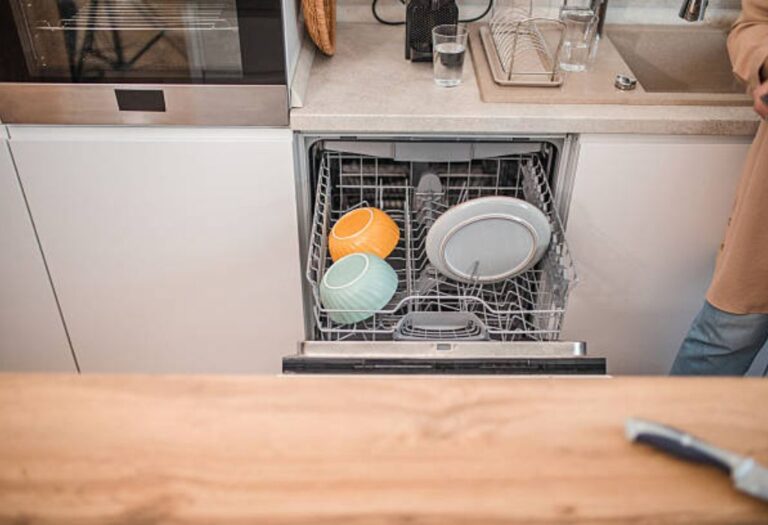
Many people run out of dishwasher detergent and wonder if dish soap can be used instead. It seems harmless at first because both products clean dishes and remove grease. However putting dish soap in a dishwasher can create a big mess and even damage your appliance.
Dish soap is made for hand washing and produces a large amount of foam. Dishwashers are not designed to handle excessive suds which can cause flooding and leaks. The buildup of soap film can also clog filters and reduce washing efficiency.
Although the idea sounds convenient using dish soap in the dishwasher can end up costing you time and money. It may look clean after one wash but hidden residue can cause long term problems.
In this guide you will learn exactly what happens when you use dish soap in a dishwasher why it is a bad idea what to do if it happens by mistake and which safe alternatives you can use instead.
The Difference Between Dish Soap and Dishwasher Detergent
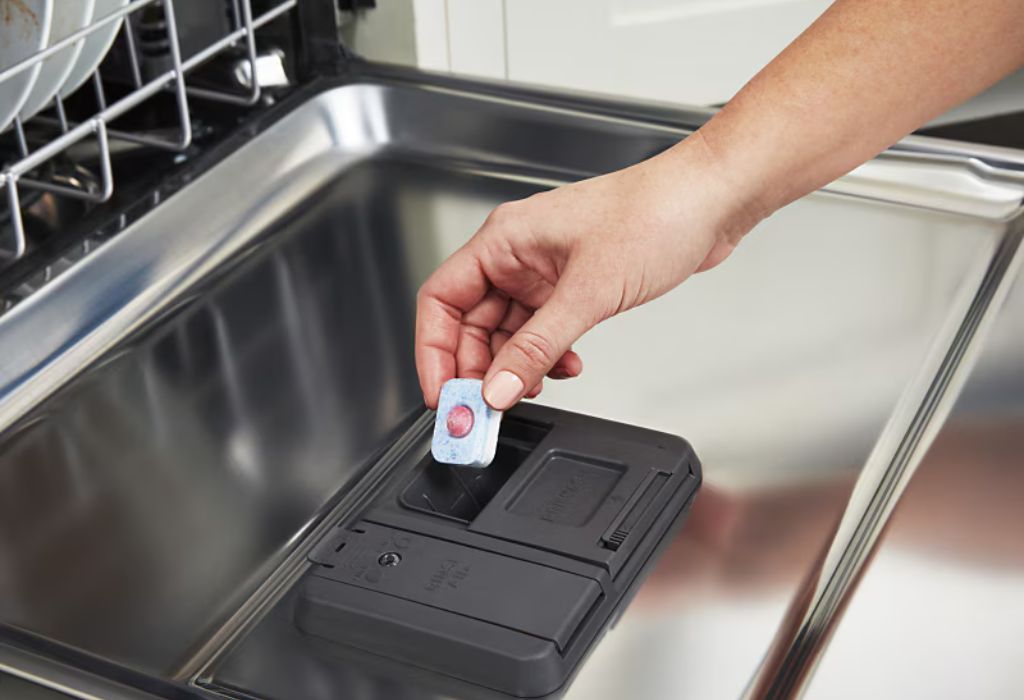
Dish soap and dishwasher detergent may sound similar but their formulas are completely different. Understanding how they work explains why one is safe and the other is not.
Dish soap is designed for manual washing in an open sink. It contains ingredients that create thick foam to lift grease and dirt from dishes while allowing hand scrubbing. The bubbles make cleaning visible and help trap oil and food particles.
Dishwasher detergent works without bubbles. It uses enzymes and surfactants that clean efficiently under high pressure and heat. Since dishwashers depend on water jets foam would block their movement and reduce performance.
Dish soap also contains moisturisers and fragrances meant to protect skin. These additives can leave residue inside the dishwasher and make dishes feel slippery. Over time this film builds up and affects sensors and drains.
In short dish soap belongs in the sink not the machine. The two products have entirely different purposes and using the wrong one can harm both your dishwasher and your dishes.
What Happens If You Put Dish Soap in the Dishwasher
When you put dish soap in the dishwasher the reaction starts almost immediately. The detergent compartment releases the soap and water pressure creates a huge amount of foam inside the tub.
This foam expands quickly and spills out of the door seals. The result is a flood of bubbles covering your kitchen floor. It might look funny at first but cleaning up can take hours.
The overflow also forces soapy water into parts of the dishwasher that are not meant to get wet. This can damage electrical components and lead to malfunction. In serious cases it may void your warranty.
Even if no leak occurs the foam prevents proper cleaning. Water jets get blocked and dishes come out covered in residue. The rinse cycle cannot remove the excess soap leaving everything slippery and dull.
If you accidentally add dish soap stop the cycle immediately. Scoop out the foam add salt or vinegar to neutralise the suds and run a short rinse cycle. Avoid running a full wash until the bubbles are gone.
Can Dish Soap Damage a Dishwasher
Yes dish soap can damage a dishwasher if used repeatedly or left inside for too long. The damage may not be visible right away but it slowly builds up over time.
The first risk comes from foam overflow. Continuous bubbling can push water into vents and electrical controls causing rust or short circuits. If this happens frequently repairs may become expensive.
The second problem is residue buildup. Dish soap creates a sticky film that coats filters spray arms and sensors. These parts then fail to detect water levels correctly leading to incomplete cleaning or drying cycles.
Dish soap is also more alkaline than dishwasher detergent. The high pH level can wear out rubber gaskets and hoses faster resulting in leaks. Once seals lose flexibility replacing them is the only solution.
Lastly leftover foam can mix with hard water minerals forming a cloudy deposit inside the tub. This not only dulls the interior but also affects your dishes. Regular cleaning will not easily remove this residue.
Using dish soap even once can cause inconvenience but repeated use can permanently harm your dishwasher’s efficiency.
What To Do If You Accidentally Use Dish Soap
If you have already added dish soap by mistake do not panic. The problem can be fixed if handled correctly.
First stop the dishwasher immediately and open the door slowly. Be prepared for foam to spill out. Use towels or a mop to remove the excess suds on the floor.
Next scoop out the foam from inside the dishwasher using a bowl or cup. The goal is to remove as much soap as possible before rinsing. Avoid spreading it further by using minimal water.
Once the visible foam is gone sprinkle a handful of salt or pour half a cup of vinegar into the bottom of the dishwasher. Both ingredients help break down the remaining bubbles quickly.
Run a short rinse or drain cycle without adding detergent. This will flush out the leftover soap and prevent more bubbles from forming. Repeat the rinse if necessary.
Finally dry the dishwasher door and filters with a clean towel. Check the next load carefully to make sure no foam appears again.
This simple process helps prevent permanent damage if dish soap was used accidentally.
Safe Alternatives to Dish Soap
If you run out of dishwasher detergent there are several safe alternatives you can use. These options clean effectively without creating dangerous foam.
The most reliable substitute is baking soda. Sprinkle a small amount on the bottom of the dishwasher before starting a cycle. It removes odour grease and mild stains naturally.
Another option is white vinegar. Pour one cup into a dishwasher safe bowl and place it on the top rack. It acts as a rinse aid cuts through grease and removes water spots.
You can also combine baking soda and vinegar for extra cleaning power. The fizzing reaction helps loosen stuck particles without producing foam.
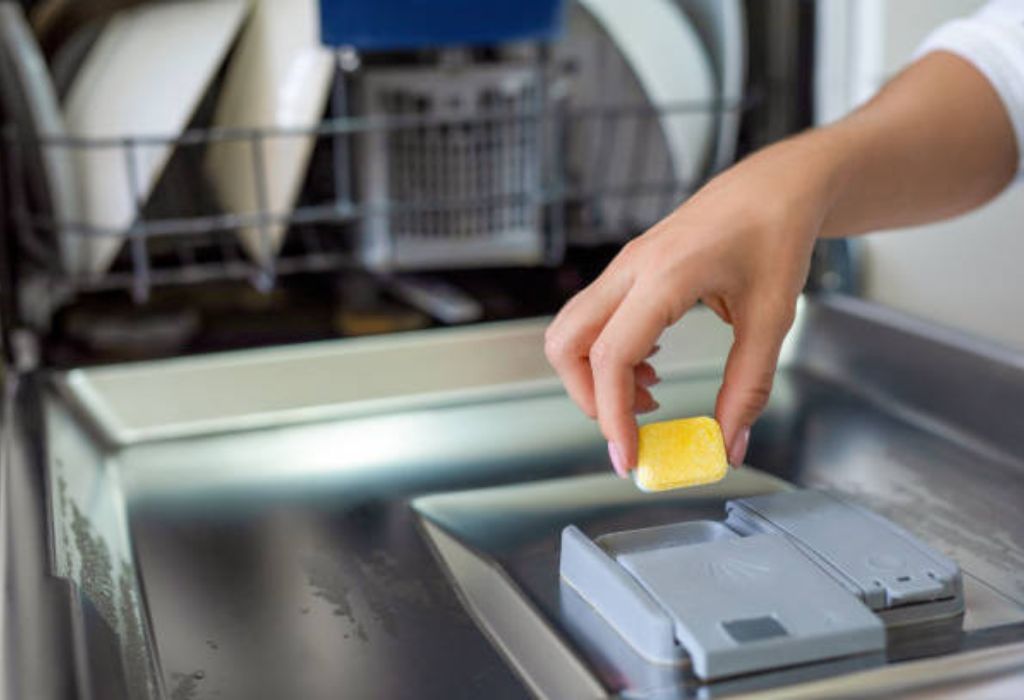
If you need a longer term solution buy detergent tablets or pods in advance. Store them in a dry container to avoid emergencies.
Avoid mixing dish soap with these substitutes. Even a small amount can create foam and cancel their effectiveness.
These natural or mild cleaning options are safe for both dishes and the dishwasher itself.
How to Prevent Soap Buildup in the Dishwasher
Even if you have never used dish soap residue can still form from detergent or hard water minerals. Regular cleaning keeps your dishwasher performing at its best.
Once a month remove the bottom rack and wipe the filter and spray arms. These areas collect grease and food particles that can harden over time. Rinse them with warm water and mild soap.
Run an empty cycle with vinegar placed in a cup on the top rack. The acid removes grease soap film and odours. It also restores the shine of stainless steel interiors.
For deeper cleaning add baking soda to the bottom of the dishwasher and run a short hot cycle. This helps neutralise smells and keeps the machine fresh.
Check the detergent dispenser regularly for clogs. If you ever used dish soap by mistake rinse the compartment thoroughly to remove leftover foam.
Consistent maintenance prevents buildup and keeps your dishwasher running efficiently.
The Science Behind Why Dish Soap Creates Too Many Bubbles
Dish soap and dishwasher detergent react differently with water. The ingredients in dish soap are designed to create thick visible foam that helps manual scrubbing.
These foaming agents are called surfactants. They reduce the surface tension of water allowing it to spread easily over greasy surfaces. In a sink this effect helps remove dirt by hand.
However in a dishwasher this same property causes problems. The enclosed space traps bubbles which expand under heat and pressure. The foam pushes against seals and leaks through gaps.
Dishwasher detergent uses low foam or no foam surfactants instead. It cleans effectively at high pressure without producing visible bubbles.
This is why a single spoon of dish soap can fill an entire dishwasher with foam while a detergent pod can clean an entire load without a single bubble.
Understanding this science helps explain why substituting dish soap is never a good idea.
How to Deep Clean After a Dish Soap Overflow
If your dishwasher overflowed because of dish soap deep cleaning it afterward ensures no residue remains.
Start by removing all racks and filters. Rinse them under hot water to eliminate any slippery soap film. Use a sponge with vinegar to scrub stubborn areas.
Next mix warm water and baking soda into a paste. Apply it inside the dishwasher along the walls and door edges. Let it sit for fifteen minutes before rinsing.
Pour a cup of vinegar into the bottom of the machine and run an empty hot cycle. This breaks down remaining suds and deodorises the interior.
Check the spray arms and detergent drawer for clogs. Clean each part with a small brush to restore full water flow.
Finally leave the door open for several hours to allow the machine to dry naturally. This prevents mould growth and lingering smells.
A deep clean restores your dishwasher to normal and removes every trace of dish soap.
What Happens If You Use Dish Soap in the Dishwasher
Can I use dish soap in the dishwasher just once
No even one use can cause excess foam and potential leaks. It may also leave residue inside the machine.
What should I do if I already added dish soap
Stop the dishwasher remove the foam add vinegar or salt and run a rinse cycle until the bubbles disappear.
Is it safe to mix dish soap with baking soda
No the combination still produces foam. Baking soda should be used alone for cleaning.
Why does dish soap create so many bubbles
It contains surfactants that trap air and form thick foam which is ideal for hand washing but not for machines.
Can dish soap ruin the dishwasher motor
Yes if foam reaches the motor or sensors it can cause malfunction over time. Always use approved detergent.
What can I use instead of dish soap
Baking soda vinegar or proper dishwasher detergent are the safest alternatives.
Can dish soap damage rubber seals
Yes its strong formula can dry out and crack rubber gaskets causing leaks later.
Will dish soap make dishes cleaner
No it leaves a slippery residue and often fails to rinse off properly in the machine.
Can I dilute dish soap to make it safe
No amount of dilution prevents foam overflow. Dishwashers are designed for low foam detergents only.
Is it safe to run an empty cycle after using dish soap
Yes run one or two rinse cycles with vinegar to clear remaining soap completely.
Can I use dish soap in portable or compact dishwashers
No all dishwasher types react the same way to foam and can overflow easily.
Why do professional cleaners avoid dish soap in machines
Because it disrupts water flow damages filters and increases maintenance costs.
Does dish soap void dishwasher warranty
Yes some manufacturers refuse repairs if improper detergent is used. Always follow the manual.
Can dish soap damage stainless steel interiors
Yes it can leave cloudy streaks and react with heat to dull the finish.
How can I remove smell after using dish soap
Run a hot cycle with vinegar and baking soda to neutralise odour and clean the inside.
Conclusion
Using dish soap in a dishwasher might seem like a quick solution but it leads to bigger problems. Dish soap is meant for hand washing not for high pressure high heat cleaning machines. The foam it produces can overflow damage components and leave dishes covered in residue.
Dishwasher detergent is specially formulated to work without bubbles. It breaks down food grease and stains effectively while rinsing away completely. Using the wrong soap not only affects cleaning results but also shortens your appliance’s life.
If you ever use dish soap by accident act quickly. Stop the cycle remove the foam and run a rinse with vinegar or salt. Avoid repeating this mistake to keep your dishwasher working perfectly.
For the best results always use proper detergent clean filters monthly and maintain the machine regularly. A few simple habits will keep your dishwasher efficient your dishes spotless and your kitchen safe from unexpected bubble floods.
Dish soap belongs in the sink not in the dishwasher. Once you understand this difference you will never have to deal with foamy kitchen disasters again.

I’m Emma J. Caldwell, the founder, lead writer, and home-cooking enthusiast behind KitchenGuideCo.com. With a background in culinary arts and over a decade of cooking experience in both professional and personal kitchens, I created this platform to demystify recipes, offer smart kitchen gadget reviews, and guide readers through meal prep with confidence and clarity.