You finish a long hike on a sunny afternoon, unscrew your Nalgene bottle, and take the last refreshing sip of water. Later, when it’s time to clean up, you toss it into the dishwasher without a second thought, after all, it’s just another water bottle, right?
But as the heat cycle finishes, you notice a faint smell of plastic and a slightly warped lid. That’s when the question hits you: Was this dishwasher safe at all?
Many people love Nalgene bottles for their durability and eco-friendly design. They’ve been trusted by hikers, travelers, and gym enthusiasts for decades.
Yet, despite their tough appearance, these bottles aren’t indestructible. The dishwasher’s intense heat and detergent can sometimes do more harm than good if you’re not careful.
This guide will uncover the truth about whether Nalgene bottles are truly dishwasher safe. You’ll learn what materials they’re made of, how heat affects them, and the safest way to keep your bottle spotless without risking damage.
Whether you use yours for daily hydration or outdoor adventures, knowing the right cleaning method will help it last for years — clean, odor-free, and ready for every refill.
You finish a long hike on a sunny afternoon, unscrew your Nalgene bottle, and take the last refreshing sip of water. Later, when it’s time to clean up, you toss it into the dishwasher without a second thought. But as the heat cycle finishes, you notice a faint smell of plastic and a slightly warped lid.
That’s when the question hits you — was this dishwasher safe at all? Many people love Nalgene bottles for their durability and eco-friendly design. Yet, despite their tough appearance, these bottles aren’t indestructible.
The dishwasher’s high heat and detergent can sometimes do more harm than good if you’re not careful. It’s easy to assume all reusable bottles are made to withstand extreme washing cycles. However, the truth lies in the details of how these bottles are built.
This guide explores whether Nalgene bottles are truly dishwasher safe. You’ll learn what materials they’re made from, how heat affects them, and the best ways to clean them properly. By the end, you’ll know how to keep your Nalgene clean, odor-free, and long-lasting.
What Are Nalgene Water Bottles Made Of
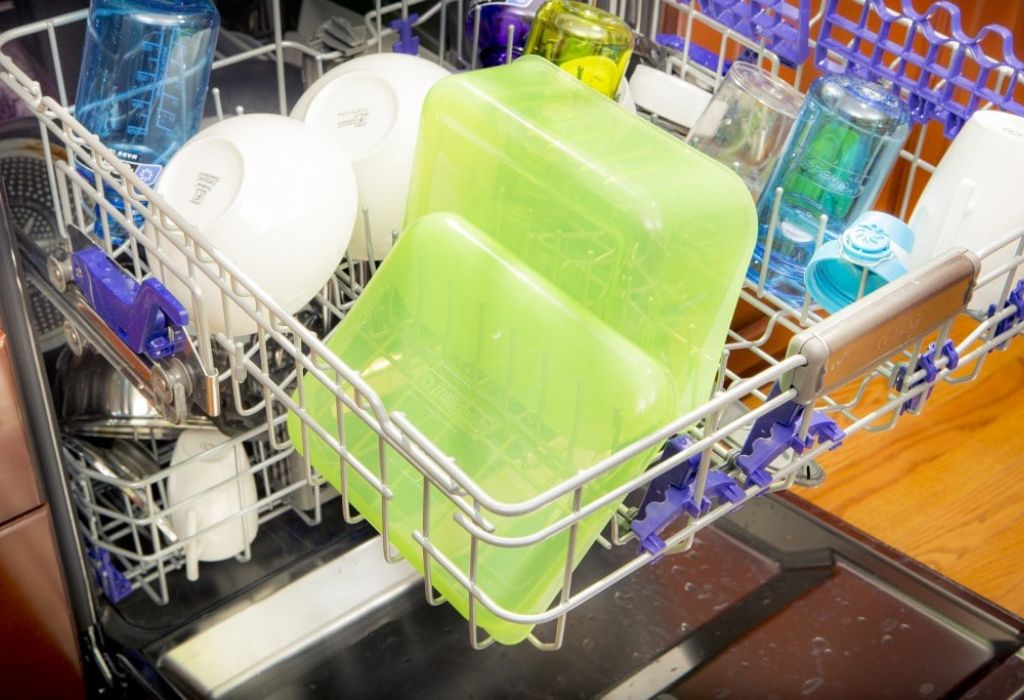
Nalgene bottles are made primarily from a special type of plastic called Tritan™, known for being BPA-free and durable. This material was developed to replace the older polycarbonate versions that once contained BPA. Tritan™ has a strong molecular structure that resists breaking and cracking under pressure.
The design goal behind Nalgene was to make bottles that could survive outdoor adventures, drops, and extreme temperatures. They are tough, but not immune to every kind of stress. Dishwasher heat, for example, can test the limits of Tritan’s stability.
In addition to Tritan, some older Nalgene bottles were made from HDPE (High-Density Polyethylene). These are opaque and lightweight, often preferred for camping or lab use. Each plastic type reacts differently to heat and detergent, so it’s important to know what version you have.
Modern Nalgene bottles proudly display “Dishwasher Safe” or “Top Rack Only” on the bottom. This label isn’t decorative — it’s a manufacturer’s guideline based on the bottle’s heat resistance. Ignoring it may lead to deformation or cloudiness.
If your bottle is older or lacks that label, assume it’s not dishwasher safe. Washing it by hand helps preserve the shape and clarity. Understanding what your Nalgene is made of is the first step to cleaning it correctly without damage.
Can You Put Nalgene Bottles in the Dishwasher
The short answer is: Yes, but with conditions. Nalgene’s modern Tritan bottles are labeled dishwasher safe. However, this applies primarily to the top rack, where heat exposure is milder. The bottom rack can be too hot, especially during the drying cycle.
The top rack ensures your bottle stays away from direct heating elements. It reduces the chance of warping and prevents the lid’s seal from melting or loosening. Always remove the cap and place it separately to avoid trapping water.
Nalgene officially recommends using warm, not hot, cycles for the best longevity. The brand tested its products under controlled conditions, which means home dishwashers might still vary in heat levels.
If your dishwasher has a “sanitize” or “high heat” setting, avoid using it with plastic bottles. Those cycles can exceed 160°F, which may soften or discolor the plastic over time.
When used correctly, the dishwasher can be a convenient and safe way to clean your Nalgene. Just follow the label instructions closely, and your bottle will come out clean and ready for another adventure.
The Science Behind Dishwasher Heat and Plastic Safety
Dishwashers clean by combining hot water, detergent, and air-drying heat. While this combination works wonders for plates and metal utensils, plastics have different thermal tolerances. Tritan plastic begins to soften at high temperatures above 180°F.
When exposed to this level repeatedly, the material’s molecular bonds start to weaken. That’s why Nalgene recommends using only the top rack, where the heat is significantly lower. The difference between racks can easily be 20–40°F.
Dishwasher detergents also contain strong alkaline agents that can dull clear plastics. Over time, your once-transparent bottle might become cloudy or matte. This doesn’t always affect safety, but it does reduce visual appeal.
Additionally, trapped moisture can lead to bacterial growth if the bottle isn’t dried properly after washing. The dishwasher’s air-dry cycle helps, but manual drying is often more effective.
Understanding how heat and detergent work helps you make smart cleaning choices. The right balance keeps your bottle hygienic without shortening its lifespan.
How to Wash Nalgene Bottles in the Dishwasher Safely
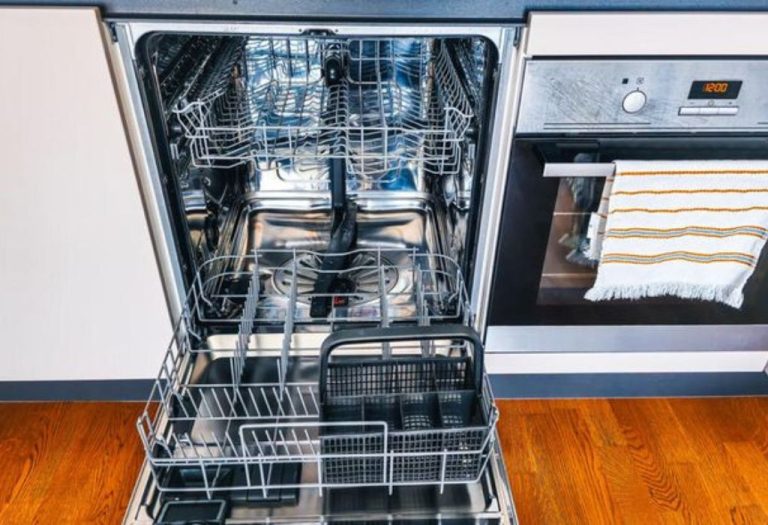
Before putting your Nalgene bottle in the dishwasher, always check the bottom label for “Top Rack Only.” Remove the lid, gasket, and any silicone parts. Wash them separately or place them in the utensil tray.
Position your bottle upside down on the top rack so water can drain easily. Avoid crowding other items around it — airflow matters for proper cleaning. Use a regular or eco cycle, not a high-heat sanitizing one.
If your dishwasher has a heat-dry function, consider turning it off. Air drying prevents exposure to extreme heat that can deform the plastic. After washing, inspect the bottle for any signs of bending or loosened threads.
Always allow the bottle to cool down before reassembling. Sealing a lid onto a warm bottle can cause vacuum pressure that deforms the cap.
Cleaning this way keeps your Nalgene free from odors and residues without risking damage. Consistency is key — it’s better to wash gently and frequently than to expose it to harsh conditions occasionally.
Signs Your Nalgene Bottle Was Damaged by Heat
Sometimes damage isn’t visible at first glance. You might notice your bottle doesn’t stand flat, or the cap no longer fits tightly. These are early signs of warping caused by high dishwasher heat.
Another common symptom is cloudiness that doesn’t go away after drying. This happens when the surface molecules have been microscopically altered. Though it’s still usable, it’s a sign to switch to gentler cleaning next time.
A warped lid or bottle neck can also lead to leaks. Once the threads lose their perfect alignment, the seal becomes unreliable. Over time, this can ruin the usability of the bottle.
If the bottle develops a lingering plastic odor even after washing, it may have been overheated. Heat can cause chemical residue to trap smells inside the material.
Always check for these warning signs after washing. Catching them early helps you decide whether it’s time for hand washing only or to replace the bottle altogether.
Alternative Cleaning Methods for Nalgene Bottles
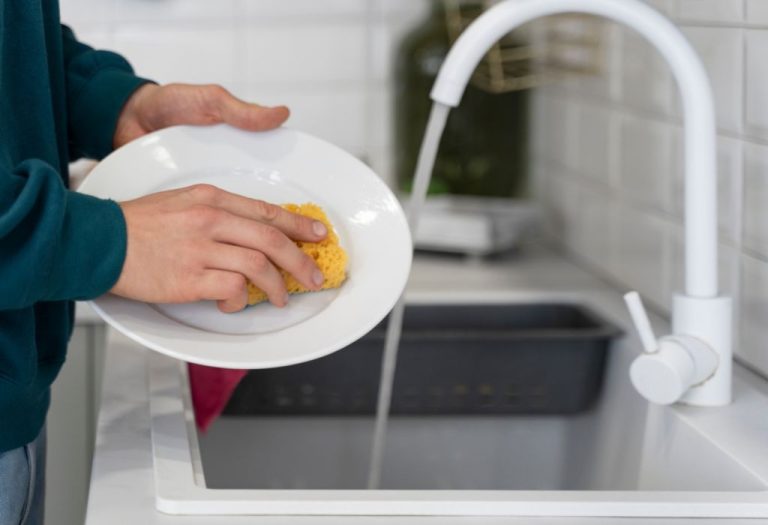
For those who prefer extra care, hand washing is the safest cleaning method. Fill your bottle with warm water, add a few drops of mild dish soap, and scrub using a bottle brush.
For stubborn residue, mix one teaspoon of baking soda with water and let it soak overnight. This helps remove odors and stains without damaging the plastic. Rinse thoroughly to prevent any residue from affecting the taste.
You can also use vinegar as a natural disinfectant. Fill the bottle halfway with warm water and add two tablespoons of vinegar. Let it sit for 15 minutes, then rinse with cool water.
Never use boiling water to sanitize the bottle. Even though Tritan is strong, boiling temperatures can warp it. If you need deep cleaning, rinse with warm water and air dry completely.
This method takes a few extra minutes but ensures long-term safety and clarity. It’s especially ideal for older Nalgene bottles without “dishwasher safe” markings.
Dishwasher vs Hand Wash: Which Is Better
Each cleaning method has its pros and cons. The dishwasher offers convenience, saving time and ensuring consistent cleaning. However, repeated exposure to heat might reduce clarity and longevity.
Hand washing, on the other hand, allows gentle control and better preservation. It’s also ideal for bottles with custom stickers or printed designs that may fade in dishwashers.
If hygiene is your main concern, both methods can be equally effective when done right. The difference lies in how well you dry and store the bottle afterward.
For most users, alternating between hand washing and occasional top-rack dishwashing is the perfect balance. This keeps your Nalgene looking new and odor-free for years.
Ultimately, your lifestyle determines what works best. Busy schedules may favor dishwashers, while careful owners might enjoy the ritual of hand cleaning.
Myths About Nalgene and Dishwasher Safety
One common myth is that dishwashers always ruin plastic bottles. This isn’t true for modern Nalgene models made with Tritan plastic. They’re tested under controlled heat and detergent conditions.
Another myth claims that washing Nalgene bottles releases toxins. In reality, Tritan is BPA-free and FDA-approved for food use. It remains stable under recommended dishwasher settings.
Some people think cloudy plastic means it’s unsafe to drink from. In most cases, it’s only cosmetic. The bottle may look dull, but it’s still safe if no warping occurred.
A few rumors suggest dishwasher detergent leaves harmful residues. Modern formulas are designed to rinse completely when used in proper amounts. If residue appears, it usually means the rinse cycle was blocked or overloaded.
Understanding these myths helps you care for your bottle confidently. Science and manufacturer testing back up the safety of proper dishwasher use.
Tips to Extend the Life of Your Nalgene Bottle
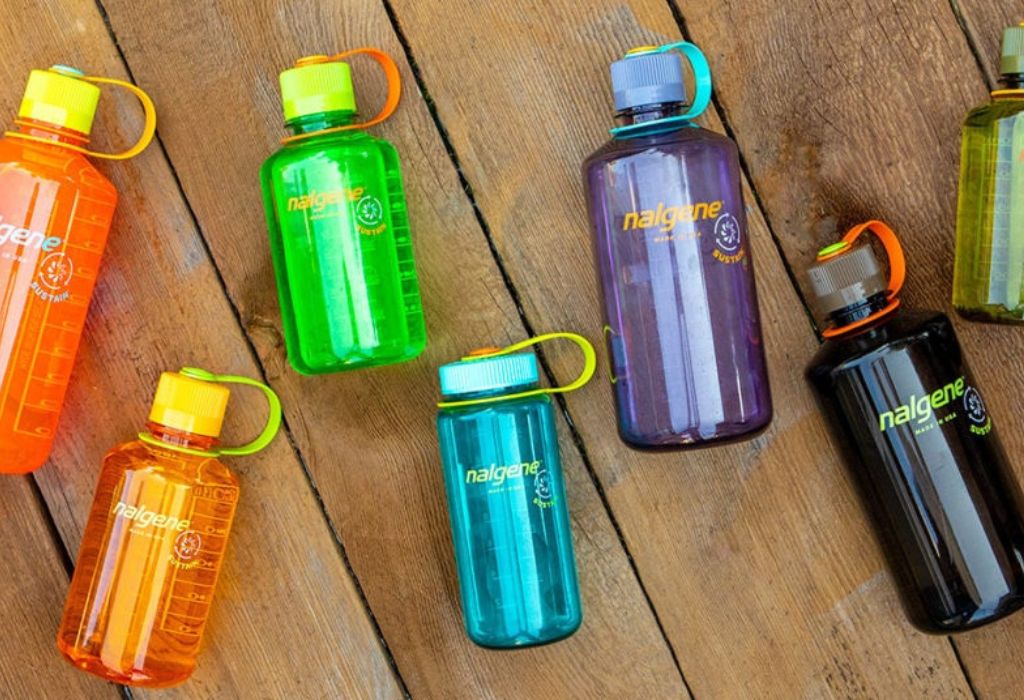
Store your Nalgene with the lid off to prevent trapped moisture. This avoids musty smells and bacterial growth inside the threads. Always dry completely before storage.
Avoid exposing the bottle to direct sunlight for long periods. UV rays can weaken plastic molecules over time, causing discoloration. Keep it in a cool, dry place when not in use.
When washing, never use abrasive sponges or harsh chemicals. Gentle brushes and mild soap are all you need. This maintains clarity and prevents surface scratches.
If you use your bottle for flavored drinks, rinse it immediately afterward. Sugars and acids can cling to the plastic, leading to odor retention.
Replacing the gasket once a year helps maintain a tight, leak-free seal. Small maintenance steps make a big difference in longevity.
By following these habits, your Nalgene will stay crystal clear and reliable for countless adventures.
Before You Wash: FAQs About Nalgene Bottles
Are Nalgene bottles BPA-free?
Yes. Modern Nalgene bottles are made from BPA-free Tritan plastic, ensuring safe and toxin-free hydration.
Should I remove the lid before putting it in the dishwasher?
Always remove the lid and gasket before washing. It prevents trapped moisture and protects the rubber seal from heat.
Can I put colored Nalgene bottles in the dishwasher?
Yes, colored bottles are dishwasher safe, but repeated washing may slightly fade the color over time.
What temperature damages Tritan plastic?
Tritan begins to soften around 180°F. Standard dishwasher cycles below 160°F are generally safe.
Can I put Nalgene lids in the dishwasher too?
Yes, but place them on the top rack or utensil tray to avoid direct heat exposure.
Why did my bottle become cloudy after washing?
That’s surface wear from detergent and heat, not a safety issue. It can be reduced by hand washing.
Is it safe to use vinegar to clean Nalgene bottles?
Absolutely. Vinegar is a natural, safe cleaner that helps remove odors and buildup.
Can I wash my Nalgene daily in the dishwasher?
Yes, but alternate with hand washing for longer life and better preservation.
What happens if I use the sanitize cycle?
The extreme heat can warp the bottle or loosen the cap threads. Stick to normal cycles instead.
Can I dry my Nalgene in the dishwasher?
You can, but air drying is safer to avoid heat-related damage.
Conclusion
Your Nalgene bottle is built to last, but only if you care for it properly. Using the dishwasher can be safe, as long as you stick to the top rack and moderate heat cycles. Avoid sanitizing or high-temperature drying, and always detach the lid and gasket first.
If you prefer extra caution, hand washing remains the gentlest method. It protects the clarity, prevents odors, and maintains that snug leak-proof fit.
Nalgene bottles have earned their reputation for toughness, and with the right care, yours can serve you for years of adventures. Clean it wisely, use it proudly, and enjoy safe, sustainable hydration every day.

I’m Emma J. Caldwell, the founder, lead writer, and home-cooking enthusiast behind KitchenGuideCo.com. With a background in culinary arts and over a decade of cooking experience in both professional and personal kitchens, I created this platform to demystify recipes, offer smart kitchen gadget reviews, and guide readers through meal prep with confidence and clarity.