Non stick pans are some of the most commonly used cookware in modern kitchens because they make cooking simple and cleanup even easier. People rely on them for eggs, pancakes, delicate fish and countless everyday meals.
But when it is time to clean them, one question causes more confusion than anything else, and that is whether non stick pans can safely go inside the dishwasher.
That hesitation usually begins the moment someone notices the coating starting to wear off or lose its shine.
Many users wonder whether dishwasher heat, detergent or high pressure water jets contributed to the damage. Stories of peeling coatings, warped bases or fading surfaces make the decision even harder.
Non stick pans are made with coatings that behave differently under intense heat and strong detergents.
While manufacturers sometimes label them as dishwasher safe, the long term impact of dishwasher cleaning may shorten the lifespan of the coating. Understanding how dishwashers interact with non stick surfaces helps avoid costly damage.
Once people learn which non stick pans tolerate dishwashers, how heat affects them and how to clean them correctly, they can protect their cookware more effectively.
Simple habits such as using mild cleaning cycles, avoiding harsh detergents and choosing proper placement make a major difference. With the right knowledge, non stick pans remain smooth, safe and functional for a long time.
Why Non Stick Pans Are Different From Other Cookware
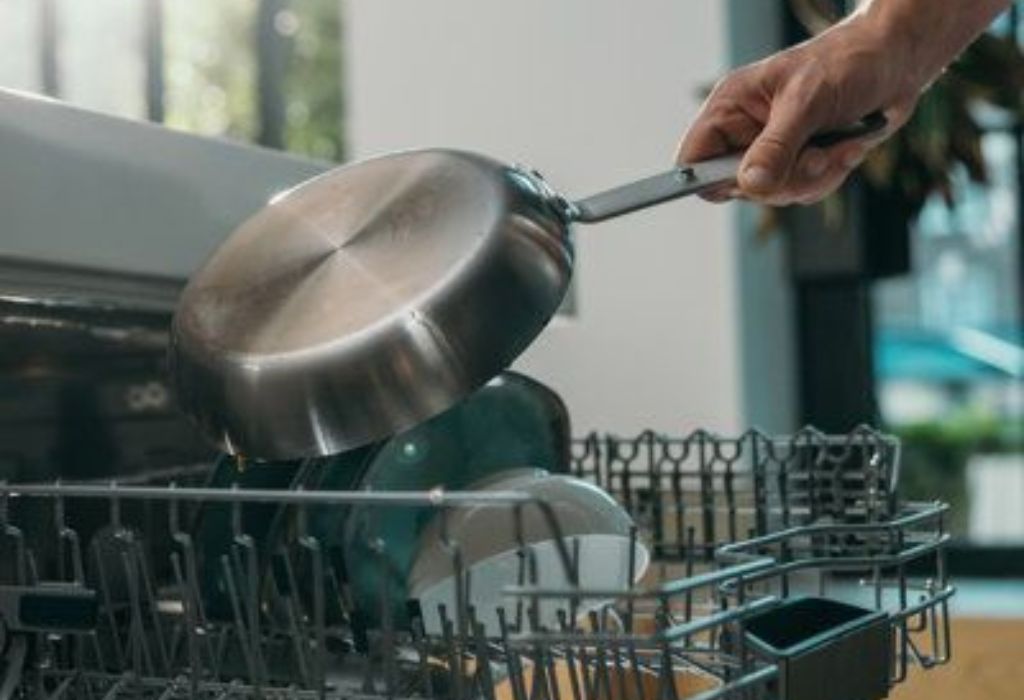
Non stick pans have a special coating that reduces friction and prevents food from sticking. This coating is more delicate than stainless steel or cast iron surfaces. Even small scratches affect its performance.
The base material of non stick pans is often aluminum. Aluminum reacts strongly to chemicals and high heat. This reaction makes dishwasher cleaning risky.
Non stick surfaces require gentle cleaning methods. Harsh scrubbing or strong detergents damage the coating. Gentle care extends the pan’s lifespan.
Dishwasher jets spray water at high pressure. These jets can force water against the coating and weaken it. Over time, repeated exposure reduces durability.
Drying cycles inside dishwashers generate extreme temperatures. These temperatures break down the non stick surface gradually. Heat exposure is one of the main causes of coating wear.
The coating may contain heat sensitive materials. When exposed to intense heat, these materials lose strength. This leads to faster peeling.
Understanding these differences helps users protect their pans. Proper care prevents premature damage.
Are Non Stick Pans Actually Dishwasher Safe
Manufacturers sometimes label non stick pans as dishwasher safe. This label means they can survive occasional dishwasher cleaning. It does not guarantee long term safety.
Dishwasher detergents contain strong cleaning agents. These agents break down oils but may also break down non stick coatings. Frequent exposure weakens the surface.
Heat inside the dishwasher can exceed the safe temperature for non stick coatings. This heat causes microscopic cracks. Cracks lead to peeling over time.
Water pressure sprays against the coating during washing. Powerful jets stress the surface. Stress causes slow deterioration.
Handles and rivets on non stick pans may loosen in dishwashers. Heat expansion affects connection points. Loose handles reduce safety.
Non stick pans last longer when washed by hand. Handwashing protects the delicate coating. Gentle cleaning is recommended by many experts.
Dishwasher use is possible but risky. Knowing the risks helps users decide wisely.
Are all non stick pans dishwasher safe?
No, many lose coating strength with dishwasher use.
Does detergent damage non stick coating?
Strong chemicals weaken and dull the surface.
Does dishwasher heat harm non stick pans?
High heat breaks down the coating over time.
Can dishwasher jets scratch non stick?
Water pressure may stress the coating structure.
Is handwashing better?
Yes, gentle washing extends the lifespan.
How Dishwasher Heat Affects Non Stick Pans
Dishwasher heat is one of the biggest threats to non stick coatings. High temperatures break down the surface gradually. This causes the coating to lose its smoothness.
Heat affects the base material as well. Aluminum expands and contracts rapidly. Repeated changes cause warping.
Drying cycles produce the highest temperatures. These cycles expose the pan to prolonged heat. Extended exposure weakens the coating.
Heat can melt or soften some types of non stick layers. This leads to uneven surfaces. Uneven surfaces reduce cooking performance.
Handles attached with adhesive or plastic components may weaken. Heat loosens the grip and reduces stability. Weak handles become a safety concern.
Heat accelerates chemical reactions with detergent. These reactions damage the coating more quickly. Mild cycles reduce this risk.
Understanding the effect of heat helps users make safe cleaning choices. Controlled temperatures protect cookware.
The Correct Way To Wash Non Stick Pans In Dishwashers
If dishwasher cleaning is necessary, choose gentle cycles. Mild settings reduce heat exposure. Lower pressure protects the coating.
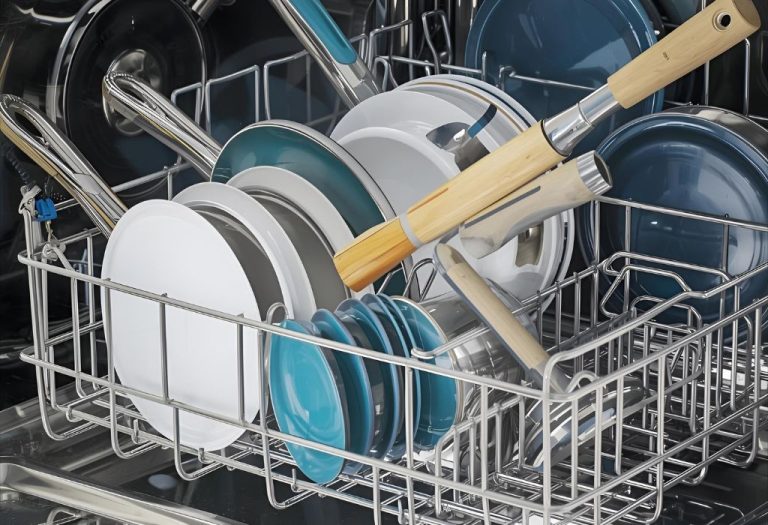
Place non stick pans on the top rack. The top rack experiences cooler temperatures. This placement reduces coating stress.
Avoid heated drying modes. Air drying is safer for the coating. Heat from drying cycles causes more damage.
Use mild dishwasher detergents when possible. Harsh detergents accelerate coating breakdown. Gentle formulas work better.
Ensure the pan does not touch heavy cookware. Metal rubbing against non stick surfaces causes scratches. Keep space between items.
Check manufacturer recommendations before cleaning. Some brands use advanced coatings that tolerate dishwashers better. Following guidelines prevents damage.
Handwashing is still preferred. But if a dishwasher must be used, careful methods reduce risks.
Common Mistakes People Make When Cleaning Non Stick Pans
Many people scrub non stick pans with abrasive tools. Abrasive pads scratch the surface and remove the coating. Scratches shorten the lifespan quickly.
Some users soak non stick pans for long periods. Prolonged soaking damages the coating. Water exposure weakens adhesives and edges.
Dishwasher overloading is another mistake. Crowded racks cause pans to scrape against other items. Scraping leads to noticeable damage.
Using extremely hot cycles causes rapid deterioration. Heat accelerates coating breakdown. Overheating results in peeling.
Many people stack pans before washing them. Stacking places pressure on the coating. Pressure leads to dents and scratches.
Leaving burnt residue on non stick pans for long periods makes it harder to clean gently. This encourages harsh scrubbing. Harsh cleaning damages the coating.
Avoiding these mistakes helps preserve the surface. Gentle care ensures long use.
Why does my non stick pan peel?
Heat and harsh cleaning weaken the coating.
Can dishwasher heat warp pans?
Yes, extreme heat may deform aluminum bases.
Why does food begin sticking?
The coating is worn or scratched.
Should non stick pans soak overnight?
No, extended soaking weakens edges.
Can metal utensils affect cleaning safety?
Yes, they scratch the coating easily.
Can Non Stick Pans Warp, Peel Or Discolor In Dishwashers
Non stick pans often warp when exposed to dishwasher heat. Thin aluminum bases change shape easily. Warping reduces cooking efficiency.
Peeling is a common problem caused by strong detergents. The coating lifts when chemicals penetrate the surface. Peeling is permanent damage.
Discoloration results from heat and mineral buildup. High heat changes the surface color. Minerals leave cloudy marks.
Chemical reactions create uneven surface textures. These effects appear after repeated dishwasher cycles. Texture changes reduce non stick performance.
Coatings crack when exposed to sudden temperature changes. Cracks lead to peeling. Cracks also cause food sticking.
Metal handles may discolor or loosen. Heat expansion affects attachment points. Loose handles are dangerous.
Understanding these risks helps users avoid dishwasher mistakes. Protecting the coating ensures safer cooking.
Best Cleaning Tips To Protect Non Stick Pans
Wash non stick pans gently with warm water and soft sponges. Soft cleaning preserves the surface. This protects the coating for years.
Avoid using sharp or metal utensils. These tools scratch non stick layers. Scratches reduce effectiveness.
Clean pans soon after cooking. Fresh residue washes off easily. Delayed cleaning leads to burnt buildup.
Use baking soda for stubborn stains. Baking soda cleans without scratching. This keeps the surface smooth.
Dry pans completely before storing. Water can create stains. Drying prevents moisture damage.
Store pans without stacking. Stacking increases pressure on the coating. Use pan protectors if necessary.
Following these habits maintains pan performance. Consistent care extends the lifespan significantly.
Troubleshooting When Non Stick Pans Look Damaged
If the coating becomes sticky, it may be breaking down. Sticky surfaces indicate heat or chemical damage. Replacement may be needed.
Peeling edges show that the coating is deteriorating. Peeling cannot be repaired. Continued use may be unsafe.
If the pan warps, it will not sit evenly on the stovetop. Warping affects heat distribution. Uneven heating leads to poor cooking results.
Discoloration indicates exposure to high heat or harsh detergent. Discoloration does not always affect performance. But it signals long term wear.
If the pan smells, residue may be trapped beneath the coating. This indicates coating failure. Replacement is recommended.
Scratches cause food sticking. Once scratched, performance declines quickly. Avoid further damaging the surface.
These signs help identify when to replace cookware. Safety and performance depend on proper condition.
Why does my non stick pan smell?
Trapped residue or coating damage causes odor.
Can peeling be fixed?
No, peeling is permanent.
Why is my pan uneven?
Warping from heat causes deformation.
Does discoloration mean danger?
Not always, but it signals wear.
Why does food stick suddenly?
The coating is worn or damaged.
How Often Should Non Stick Pans Be Washed In Dishwashers
Non stick pans should rarely be washed in dishwashers. Frequent washing shortens the lifespan dramatically. Occasional cycles may be acceptable.
Weekly dishwasher washing weakens the coating. Chemicals and heat cause deterioration. Handwashing is safer for long term care.
If light cooking is done, handwashing preserves performance. Gentle cleaning helps maintain smooth surfaces. This protects the coating.
Heavy cooking creates sticky residue. Sticky residue encourages harsh scrubbing. Handwashing controls pressure better.
Use dishwasher cleaning only when necessary. Emergency convenience sometimes requires quick cleaning. Controlled cycles reduce risks.
Monitor the coating regularly. Early signs indicate when to switch to handwashing. This prevents further damage.
Understanding cleaning frequency protects cookware. Balanced routines extend lifespan.
Final Safety And Care Tips For Non Stick Pans
Always allow non stick pans to cool before washing. Sudden temperature changes cause coating stress. Cooling naturally prevents damage.
Use only soft sponges or cloths. Rough tools scratch coatings easily. Soft materials maintain smoothness.
Avoid harsh detergents that contain strong chemicals. These chemicals break down non stick surfaces. Gentle formulas protect longevity.
Do not place pans near the heating element in dishwashers. This area produces intense heat. Extreme heat weakens the coating.
Dry pans thoroughly after washing. Moisture leads to staining and residue buildup. Proper drying keeps pans clean.
Store pans carefully without stacking heavy items on top. Pressure damages the coating. Gentle storage prevents dents.
Check manufacturer instructions for cleaning. Brands use different coating formulas. Following guidelines ensures safety.
Can I wash non stick pans daily in the dishwasher?
Daily dishwasher use shortens lifespan quickly.
Does heat weaken non stick coating?
Yes, intense heat breaks down the surface.
Is gentle detergent important?
Mild detergents protect the coating.
Should pans dry completely?
Yes, drying prevents moisture damage.
Can dishwasher jets loosen handles?
Strong pressure may weaken attachments.
How Dishwasher Detergents Affect Non Stick Coatings

Dishwasher detergents contain strong cleaning agents that break down grease quickly. These agents are designed for tough stains, not delicate coatings. When they contact non stick surfaces, they slowly weaken the protective layer.
Many detergents include enzymes that dissolve food residue. These enzymes work aggressively on organic matter. Over time, they also erode coating materials.
Detergent powder and tablets sometimes leave gritty residue. This residue rubs against the coating during the wash cycle. The friction causes surface dullness.
Liquid detergents may spread more evenly, but they still contain harsh chemicals. These chemicals react with heat inside the dishwasher. The reaction accelerates coating damage.
Hard water minerals in combination with detergents create chalky buildup. This buildup forms a rough surface that reduces non stick performance. Cleaning becomes more difficult afterward.
Some detergents contain bleaching agents that brighten dishes. Bleaching agents are harmful to non stick coatings. They fade color and weaken the surface.
Even “mild” dishwasher detergents are stronger than needed for non stick pans. Gentle handwashing avoids chemical stress. This protects the lifespan of the coating.
Understanding detergent behavior helps users avoid long term damage. Choosing safer cleaning methods results in better cookware performance.
Signs That Your Non Stick Pan Should Not Go Into The Dishwasher
If the coating looks cloudy or dull, it may no longer handle dishwasher cleaning. Cloudiness indicates chemical wear. This condition worsens with more dishwasher cycles.
Scratches on the cooking surface show structural weakness. Scratched areas lose their smooth glide. Dishwasher cleaning makes these scratches deeper.
Peeling edges are a clear sign of coating breakdown. Peeling cannot be repaired once it begins. Dishwasher exposure speeds up this peeling process.
A warped base means the pan experienced rapid temperature changes. Dishwashers often cause these sudden changes. Warped pans heat unevenly on the stove.
Loose handles indicate heat damage from repeated cycles. Dishwasher heat expands metal and loosens connections. Loose handles create safety hazards during cooking.
If the pan smells burnt or chemical like, residue may be trapped under the coating. Dishwashers worsen this trapped material. Odor often signals coating failure.
Food sticking unexpectedly also suggests coating wear. When non stick pans lose their protective layer, dishwasher cleaning amplifies the problem. Poor performance is a warning sign.
Recognizing these indicators helps you protect your cookware from further damage. Early decisions prevent more expensive replacements.
Safer Alternatives To Dishwasher Cleaning For Non Stick Pans
Warm water and mild dish soap are the safest cleaning method for non stick pans. This combination removes grease without stressing the coating. It also preserves the smooth surface.
Using a soft sponge prevents scratches. Soft materials glide over the coating gently. This protects the non stick layer from friction damage.
Allowing baked residue to soak briefly in warm water helps soften food particles. Short soaking times prevent edge swelling or coating stress. This makes gentle cleaning much easier.
Baking soda creates a mild cleaning paste that lifts stains naturally. It cleans effectively without scratching. Many cooks use this method to protect their pans.
White vinegar helps remove mineral buildup from hard water. Vinegar loosens residue gently. This restores the shine without damaging the coating.
Avoid metal utensils during cleaning because they scratch immediately. Wooden or silicone tools are much safer. They keep the pan in better condition.
Drying the pan completely prevents moisture marks. Storing it properly keeps pressure off the coating. Safe storage plays an important role in longevity.
These alternatives keep non stick pans clean without risking coating damage. Gentle habits ensure your pans stay smooth and functional.
Conclusion
Non stick pans are valuable tools in everyday cooking, and taking proper care of them helps maintain both performance and safety.
Understanding how heat, detergent and pressure affect the delicate coating makes cleaning decisions easier. With the right habits, non stick pans stay smooth, reliable and long lasting.
Dishwashers may seem convenient, but they expose cookware to strong detergents and high temperatures. These conditions gradually weaken the coating and reduce its non stick ability. Knowing this risk helps users choose safer cleaning methods.
Handwashing protects the coating better than any dishwasher cycle. Warm water and soft sponges remove residue without stressing the surface. Gentle care prevents scratches, peeling and warping.
Recognizing early signs of wear keeps your kitchen safe. Peeling edges, sticky surfaces or warped bases mean the pan is losing structural quality. Replacing damaged pans protects both food safety and cooking performance.
Consistent maintenance gives non stick pans a long lifespan. Cleaning them properly, storing them safely and avoiding extreme heat preserve their smooth finish. With thoughtful care, your non stick pans remain dependable kitchen tools for years to come.

I’m Emma J. Caldwell, the founder, lead writer, and home-cooking enthusiast behind KitchenGuideCo.com. With a background in culinary arts and over a decade of cooking experience in both professional and personal kitchens, I created this platform to demystify recipes, offer smart kitchen gadget reviews, and guide readers through meal prep with confidence and clarity.