Imagine finishing a hearty meal and reaching for your favorite stainless steel cookware to clean it. You pause and wonder, “Can I safely put this in the dishwasher, or will it lose its shine?”
Many people face this dilemma because stainless steel, while durable, is sensitive to certain conditions inside a dishwasher.
Stainless steel is celebrated for its strength, resistance to corrosion, and sleek appearance. However, hot water, strong detergents, and high humidity can gradually affect its finish. Knowing how to safely wash stainless steel in the dishwasher ensures it retains both its look and functionality.
Dishwashers are a convenient and time-saving tool in the kitchen. They are designed to tackle greasy pots, pans, and cutlery, making life easier.
Yet, the environment inside the machine can sometimes be too harsh for certain stainless steel items, causing discoloration, spots, or dullness.
The label “dishwasher safe” can be misleading. Some stainless steel items endure repeated cycles with no problem, while others lose luster or develop small rust-like marks. Understanding why and how this happens helps you protect your investment and prolong the life of your kitchenware.
Many assume stainless steel is completely impervious to rust or corrosion. While it is far more resilient than other metals, improper washing can compromise its protective chromium layer. Being aware of the factors that cause damage is essential for long-term care.
In this comprehensive guide, we will cover everything you need to know about putting stainless steel in the dishwasher. From cookware and cutlery to bottles and travel mugs, every type of stainless steel has specific care rules.
By the end, you will confidently know how to maintain your stainless steel items and keep them looking new for years.
Understanding Stainless Steel and How It Reacts to Dishwasher Conditions
Stainless steel is not a single type of metal but a combination of iron, chromium, and other elements.
The chromium creates a thin, invisible layer on the surface called a passive film that protects it from rust and corrosion. This layer is what gives stainless steel its characteristic shine and durability in the kitchen.
When exposed to water and oxygen, this protective film renews itself automatically. That is why stainless steel rarely rusts compared to other metals. However, the film can be compromised by strong detergents, high heat, and prolonged moisture, all of which are common in dishwashers.
Dishwasher detergents are designed to remove grease, food particles, and stains effectively. Many contain chlorine or phosphates that can weaken the protective chromium layer over time. This can result in dull finishes, rainbow-like discoloration, or even tiny rust spots on the surface.
The heat drying cycle inside dishwashers also stresses stainless steel. High temperatures can cause streaks or water marks, especially in areas where water collects. Minerals in hard water react with the metal, leaving behind small spots and a cloudy appearance if not properly rinsed.
Lower-quality or cheaper stainless steel, such as 201 or 430 grades, is more prone to damage. These grades contain less chromium and nickel, reducing their corrosion resistance. As a result, items made from these steels may develop spots, discoloration, or rust faster than higher-quality alternatives.
Electrolytic reactions can also occur when stainless steel comes into contact with other metals in the dishwasher.
For instance, aluminum, copper, or cast iron touching stainless steel during a cycle can lead to discoloration and pitting. Separating metals while loading the dishwasher prevents this type of damage.
Detergent residue can further compromise stainless steel. If not properly rinsed during the final rinse cycle, chemical remnants may cling to the surface, eroding the protective layer over time. This is why proper washing techniques and drying methods are critical for longevity.
Understanding these reactions helps you make informed decisions about which items to put in the dishwasher. High-quality stainless steel tolerates machine washing better than low-quality or coated items.
With proper knowledge, you can enjoy the convenience of a dishwasher without sacrificing shine or durability.
Which Types of Stainless Steel Are Dishwasher Safe
Not all stainless steel is made the same, and the grade of steel greatly influences dishwasher safety. The most common grades for kitchen items are 304, 316, and 430. Each type reacts differently to heat, detergents, and moisture during dishwasher cycles.
Type 304 stainless steel, also called 18/8, contains 18 percent chromium and 8 percent nickel. This composition provides excellent resistance to rust and corrosion. Most high-quality cookware, utensils, and sinks are made from 304 stainless steel and are generally dishwasher safe.
Type 316, sometimes called marine grade stainless steel, contains added molybdenum to enhance corrosion resistance. It performs well even in challenging environments, including repeated dishwasher cycles. Premium stainless steel bottles and high-end cookware often use this grade for durability.
Type 430 stainless steel contains less nickel, making it less corrosion-resistant than 304 or 316. Items made from 430 steel may develop rust or discoloration after repeated dishwasher use. Many budget utensils and kitchen tools fall into this category, requiring extra care.
Some items use 201 stainless steel, which is cheaper and has a lower chromium and nickel content.
While it can occasionally withstand gentle dishwasher cycles, frequent exposure may dull the finish or cause spotting. Lightweight mixing bowls and inexpensive cutlery often use this steel.
Magnetic stainless steel often indicates lower chromium content and increased susceptibility to rust. If a magnet sticks strongly to an item, it’s likely not high-grade stainless steel. These pieces should be hand washed or used with extra caution in the dishwasher.
When selecting dishwasher-safe stainless steel, always check for manufacturer guidance. Items marked as safe are usually made from higher grades that can endure detergents, heat, and water without losing their shine. Investing in high-quality stainless steel ensures long-lasting beauty and performance.
Understanding the grade of your stainless steel helps determine which items can safely go in the dishwasher.
High-grade steel tolerates dishwashers well, while lower-quality alloys benefit from gentle hand washing. This knowledge protects both the appearance and the lifespan of your kitchenware.
Why Some Stainless Steel Items Should Not Go in the Dishwasher
Even though stainless steel is durable, certain items are not suitable for dishwasher cleaning. Many are made with coatings, mixed metals, or special finishes that react poorly to heat, detergent, and moisture. Exposing these items to repeated dishwasher cycles can result in discoloration, rust, or surface damage.
Cookware that combines stainless steel with copper or aluminum layers is particularly vulnerable. Heat and water in the dishwasher cause metals to expand at different rates. Over time, this can weaken the bond between layers, causing warping, fading, or permanent damage.
Stainless steel knives should also be washed by hand. Dishwashers dull the cutting edge and may create micro-corrosion along the blade. Proper hand washing preserves sharpness and maintains the blade’s polished surface.
Insulated bottles and travel mugs with vacuum-sealed double walls are sensitive to heat. High dishwasher temperatures can compromise the vacuum seal or allow moisture to enter between the walls. This reduces insulation efficiency and may lead to long-term damage.
Items with wooden or plastic handles connected to stainless steel components should avoid the dishwasher. The heat can weaken adhesives, warp handles, or cause cracking. Washing these items gently by hand extends their life and maintains their usability.
Cookware and utensils with nonstick coatings or decorative finishes are also at risk. Dishwashers can fade, scratch, or peel these surfaces. Hand washing ensures the coating and finish remain intact over time.
Lower-quality stainless steel is more likely to develop rust or discoloration when placed in the dishwasher. Cheaper alloys with less chromium and nickel are susceptible to corrosion under heat and moisture. Proper care is essential to prevent permanent damage.
Finally, thin or intricately designed items, such as mesh strainers or wire whisks, can trap detergent or water in nooks and crannies. This may cause cloudiness or corrosion over time. Hand washing these delicate items protects both their function and appearance.
How to Safely Wash Stainless Steel in the Dishwasher
You can wash stainless steel in the dishwasher safely if you follow proper precautions. Protecting the metal’s surface and reducing exposure to harsh chemicals and heat is key. Correct loading, gentle detergents, and prompt drying help maintain shine and durability.
Start by rinsing off food residue before placing items in the dishwasher. Food particles can cause discoloration or pitting when baked onto the metal during drying. A quick rinse removes acids, salts, and grime that might damage the protective layer.
Avoid contact with other metals, such as aluminum, copper, or cast iron, while washing. When different metals touch in the dishwasher, galvanic corrosion can occur. This reaction may leave dark stains or rust-like spots on stainless steel.
Use a mild, chlorine-free detergent designed for delicate items. Harsh cleaners can strip the protective chromium layer over time. Gentle detergents clean effectively while preserving the metal’s shine.
Select a normal or low-heat cycle instead of the highest setting. Excessive heat can cause discoloration or rainbow-like marks on stainless steel. Lower-temperature cycles are gentler yet still clean thoroughly.
Turn off the heat-dry function or open the dishwasher door after the rinse cycle to air dry items. High heat can leave spots or accelerate wear on the metal surface. Wiping items with a soft cloth after washing further prevents streaks.
Arrange utensils and cookware properly so water and detergent reach all surfaces. Avoid overcrowding, as trapped moisture can lead to uneven cleaning. Position bowls, pans, and cutlery so water drains fully to prevent pooling.
Finally, remove stainless steel items promptly once the cycle is complete. Prolonged exposure to moisture can cause spotting and dullness. Quick removal ensures your items remain bright, polished, and corrosion-free.
Common Dishwasher Mistakes That Damage Stainless Steel
Even though stainless steel is strong, common dishwasher mistakes can reduce its lifespan. Exposure to heat, detergent, and moisture without proper care can gradually damage the protective chromium layer. Understanding these mistakes helps prevent dullness, rust, and discoloration over time.
One common error is using bleach-based or harsh detergents. Chlorine and other strong chemicals break down the protective chromium layer, causing spots and dull patches. Over time, this weakens the metal and can lead to corrosion.
Overloading the dishwasher is another frequent problem. Items that touch or press against each other may scratch or dent. Water and detergent cannot circulate properly, leaving streaks, residue, or uneven cleaning.
Placing stainless steel next to other metals, like aluminum or silver, can trigger electrolysis. This reaction occurs during the wash cycle and leaves dark or rusty stains. Keeping metals separate prevents these unsightly marks.
Leaving dishes inside the dishwasher too long after the cycle ends is also harmful. Trapped humidity encourages water spots and corrosion. Quick removal and drying prevent mineral deposits and maintain shine.
Using too much detergent can be just as damaging as harsh chemicals. Excess soap leaves residues that erode the metal surface over time. Always measure detergent carefully according to the manufacturer’s instructions.
Using the heat-dry setting excessively can stress stainless steel items. High temperatures may create rainbow-like stains or dull the surface. Allowing items to air dry or hand drying with a cloth preserves their shine.
Neglecting to clean the dishwasher regularly can indirectly harm stainless steel. Mineral buildup or leftover food particles recirculate during washing, scratching or staining the metal. Running an empty cleaning cycle monthly helps maintain a safe environment for your dishes.
Tips to Keep Stainless Steel Shiny After Dishwashing
Maintaining the shine of stainless steel requires a combination of proper washing and post-wash care. Even dishwasher-safe items can develop dull spots, streaks, or water marks over time. Simple habits help restore and preserve the polished appearance of your cookware, utensils, and bottles.
One of the most effective ways to maintain shine is hand-drying immediately after washing. Even if the dishwasher has a drying cycle, air and towel drying remove remaining water droplets. A soft microfiber or cotton cloth works best to prevent streaks and water spots.
White vinegar is a natural and safe way to polish stainless steel. Wipe or lightly spray your items with a vinegar-water solution after washing. This removes mineral buildup and restores the original shine without damaging the surface.
Another option is to apply a small amount of olive oil or mineral oil. Use a soft cloth to rub a thin layer over the metal surface. This protective coating enhances shine, repels fingerprints, and prevents minor water marks.
If your tap water is hard or mineral-rich, consider using a rinse aid or installing a water softener. Hard water can leave white deposits and cloudy spots on stainless steel surfaces. Rinse aids help water drain off evenly, preserving the polished look.
Avoid using abrasive sponges or scrubbers. Rough materials scratch the surface and remove the protective layer. Always opt for non-abrasive pads or soft sponges to maintain a smooth, bright finish.
Occasionally, a baking soda paste can help restore stainless steel. Mix a small amount of baking soda with water, apply it gently, and rinse thoroughly. This safely removes stubborn stains and restores luster without damaging the metal.
Consistency is essential for long-term shine. Regular cleaning, immediate drying, and occasional polishing keep stainless steel looking new. With a few simple steps, your kitchenware can maintain a professional, mirror-like appearance for years.
Can Stainless Steel Bottles and Travel Mugs Go in the Dishwasher
Stainless steel bottles and travel mugs are convenient for on-the-go hydration, but not all are dishwasher safe. Many have double-wall vacuum insulation or special coatings that can be damaged by dishwasher heat and detergent.
Understanding which bottles can withstand the dishwasher helps preserve temperature retention and exterior appearance.
Most insulated bottles feature vacuum-sealed double walls that trap air between layers to maintain hot or cold temperatures. Extreme heat from the dishwasher can compromise this seal. Once moisture gets between the layers, insulation performance decreases and condensation may form inside.
Some bottles have painted or powder-coated exteriors. These finishes can peel or fade in the dishwasher due to high heat and harsh detergents. Hand washing is the safer option for preserving color and texture.
The lids and seals often contain rubber, silicone, or plastic components. High dishwasher heat can warp these materials, compromising the seal. A damaged seal leads to leaks and reduces the mug’s effectiveness.
Check the manufacturer’s label to confirm whether a bottle is dishwasher safe. Premium bottles designed for dishwasher use have reinforced insulation and heat-resistant coatings. Using them properly ensures longevity and keeps the exterior intact.
For bottles not labeled dishwasher safe, hand washing is recommended. Use warm water, mild soap, and a bottle brush for a thorough clean. Rinse well and allow the bottle to air dry upside down to prevent trapped moisture.
Hand washing also protects the bottle’s exterior finish and internal insulation. Quick, gentle care prevents warping, fading, or condensation issues. Following these guidelines extends the life of your stainless steel bottles and mugs.
Being cautious about dishwasher use ensures that your stainless steel drinkware remains both functional and visually appealing. Proper care keeps bottles clean, hygienic, and maintains temperature efficiency for years of everyday use.
Can Stainless Steel Cookware and Pans Go in the Dishwasher
Stainless steel cookware and pans are popular for their durability and heat resistance, making them a staple in most kitchens. Many people assume they can safely place them in the dishwasher, but caution is needed.
High heat, detergents, and prolonged moisture can sometimes affect the finish or bond between layered metals.
High-quality stainless steel cookware, such as 18/10 or 304-grade steel, typically withstands dishwasher cycles well.
These items resist corrosion and rust under regular dishwasher conditions. However, repeated washing may eventually dull the polished surface or leave minor water spots.
Cookware with aluminum or copper layers should be handled with care. The dishwasher’s heat can cause these metals to expand and contract at different rates. Over time, this may weaken bonds, causing warping or discoloration of the pan’s exterior.
When cookware has burnt-on food or grease, dishwashing may not clean it effectively. Hot water can bake residues onto the surface, making stains more difficult to remove. Pre-soaking in warm, soapy water before washing improves cleaning results.
Detergents can contain abrasive or harsh chemicals meant to remove tough residues. These agents can strip the protective chromium layer, leaving small scratches or dull areas. Using milder detergents or hand washing prevents this type of damage.
Dishwashers may leave water spots or streaks on stainless steel pans. Minerals in hard water create these spots during the drying cycle. Wiping the cookware with a soft towel immediately after washing helps maintain a polished look.
Lids and handles attached with rivets may trap water and detergent. Repeated dishwasher use in these areas can lead to rust or corrosion over time. Hand washing and thorough drying help maintain the integrity of these joints.
While dishwashers are convenient, hand washing is often the safest approach. Gentle cleaning preserves both the polished finish and structural integrity. Careful handling ensures cookware remains functional and visually appealing for years.
Can Stainless Steel Cutlery and Utensils Go in the Dishwasher
Stainless steel cutlery and utensils are often labeled dishwasher safe, but careful handling is still necessary. While the material is sturdy, repeated exposure to heat, detergents, and moisture can cause dulling or minor rusting. Proper loading and care can maintain both shine and longevity.
Most flatware is made from 18/10 or 18/8 stainless steel, which resists corrosion effectively. These grades can typically handle dishwasher cycles without losing polish. However, improper use or extended cycles may lead to water spots or subtle discoloration.
Proper loading prevents scratching or pitting. Place utensils handle-side down, keeping them separated from other metals. Overcrowding prevents proper water circulation and may cause surface damage.
Stainless steel knives should generally be hand washed, even if labeled dishwasher safe. Hot water, detergent, and movement inside the dishwasher can dull the blade edge. Washing and drying by hand preserves sharpness and appearance.
Detergents containing chlorine or citric acid can erode the metal surface. Over time, these chemicals may cause rainbow stains or minor pitting. Switching to mild, non-corrosive detergents helps maintain the polished finish.
Removing cutlery promptly after the cycle prevents prolonged exposure to moisture. Standing water can cause rust or streaks on the metal surface. Wiping with a soft cloth ensures the flatware stays bright and spotless.
Hard water can leave a cloudy film on stainless steel utensils. A brief soak in a vinegar-water solution removes mineral deposits and restores shine. This is a simple and safe method to maintain luster.
Consistent care, correct loading, and mild detergents allow stainless steel cutlery to survive dishwasher cycles. Following these steps preserves shine, prevents corrosion, and prolongs the lifespan of your utensils. Small habits can make a major difference over time.
What Happens to Stainless Steel in the Dishwasher Over Time
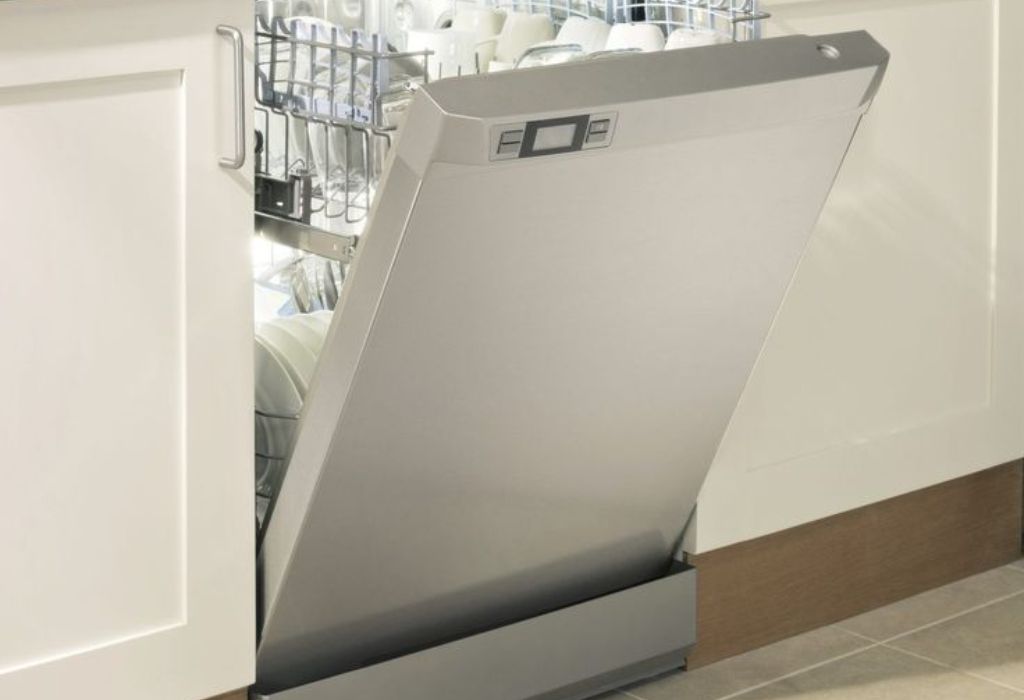
Even though stainless steel is durable, prolonged dishwasher exposure can gradually affect its appearance and longevity.
Heat, detergents, and water minerals slowly erode the protective chromium oxide layer. This change may be subtle at first but becomes noticeable over repeated cycles.
One of the first visible effects is loss of shine. Polished surfaces may become dull or matte after repeated dishwasher cycles. Residue from detergents and minerals in water can build up, leaving the metal looking less reflective.
Surface pitting is another long-term effect. Tiny holes or rough spots appear when strong detergents or salt deposits weaken the chromium layer. Once pitting begins, it is permanent, leaving the stainless steel more vulnerable to rust.
Discoloration and rainbow staining may also appear over time. This occurs when detergents and mineral deposits react with the metal surface. While harmless structurally, these stains reduce the visual appeal and require manual polishing to remove.
Repeated dishwasher exposure can promote flash rust, particularly on lower-quality stainless steel. This causes small orange or brown spots, usually near seams or handles. Immediate cleaning and drying are necessary to prevent the spread of these rust marks.
Edges of knives and utensils may wear faster with constant dishwasher use. Heat and strong detergents dull sharp edges and weaken the metal slightly. Hand washing preserves cutting performance and helps maintain smooth, polished surfaces.
Detergent residue buildup is another subtle long-term effect. Chemicals left after rinsing react with heat and moisture, forming a thin, chalky film. This residue can dull the stainless steel over time if not removed with proper care.
Alternating between hand washing and dishwasher use, along with prompt drying, slows these long-term effects. Using rinse aids or vinegar during cycles further protects the metal. With careful maintenance, stainless steel items can remain shiny and durable for years.
Best Practices for Maintaining Stainless Steel Items Long Term
Stainless steel can retain its shine and durability for decades with proper care. Preventing buildup, avoiding harsh chemicals, and maintaining regular cleaning habits are key. Small, consistent efforts make a significant difference over the lifetime of your kitchenware.
Start by rinsing items immediately after use. Food residue, salts, and acids from sauces or citrus can damage the chromium layer if left for too long. A quick rinse under warm water prevents buildup and protects the surface.
When cleaning by hand, use mild dish soap and soft sponges. Abrasive pads can scratch and dull stainless steel surfaces. Microfiber cloths, soft sponges, or nylon brushes are ideal for maintaining polish.
Dry thoroughly after washing. Standing water leaves mineral deposits that can become permanent spots. Wiping with a soft towel also prevents flash rust and streaks.
If your water is hard, use a rinse aid or water softener. Mineral-rich water causes white spots or cloudy patches. Rinse aids help water drain evenly and protect the surface from scaling.
Occasionally, polish with vinegar or a specialized stainless steel cleaner. Wipe the surface with a damp cloth and buff dry. This restores shine and removes fingerprints, water marks, and mild discoloration.
Avoid soaking stainless steel with other metals like aluminum or cast iron. Contact between dissimilar metals can trigger galvanic corrosion. Keeping metals separate protects surfaces from pitting or discoloration.
Finally, maintain your dishwasher regularly. Mineral deposits or food residue inside the machine can scratch or stain items during washing. Running an empty vinegar cycle monthly keeps the dishwasher safe for stainless steel.
Consistent cleaning, immediate drying, and occasional polishing preserve the natural shine. Following these best practices ensures your stainless steel remains bright and durable. Proper care maximizes the life and appearance of your kitchen items.
Stainless Steel Care and Dishwasher FAQ Guide
Can All Stainless Steel Items Go in the Dishwasher?
Not all stainless steel is dishwasher safe. High-quality grades like 304 or 316 handle heat and detergents well, while lower grades like 201 or 430 may discolor or develop rust spots. Always check the manufacturer’s label before washing.
Why Does My Stainless Steel Rust After a Dishwasher Cycle?
Rust forms when the protective chromium layer is compromised. Harsh detergents, hard water, or prolonged moisture exposure can cause these issues. Rinsing and drying immediately after washing prevents rust.
Are Stainless Steel Knives Safe for Dishwashers?
Dishwashers can dull knife edges and cause micro-corrosion along the blade. Heat, water, and detergent accelerate wear. Hand washing knives preserves sharpness and keeps the metal polished.
Why Do My Stainless Steel Pans Look Dull After Dishwashing?
Dullness is usually caused by detergent residue or mineral deposits from hard water. Using vinegar, baking soda, or gentle polishing restores shine. Avoid high-heat drying cycles to minimize fading.
Is It Safe to Put Stainless Steel Bottles in the Dishwasher?
Not all stainless steel bottles are designed for dishwashers. Vacuum-insulated or painted bottles may lose insulation efficiency or peel. Hand washing is recommended unless the manufacturer explicitly states it is dishwasher safe.
How Can I Prevent Water Spots on Stainless Steel?
Water spots result from minerals left behind as water evaporates. Using a rinse aid, air drying after the cycle, or wiping with a microfiber cloth helps prevent them. Regular care keeps surfaces shiny and clean.
Can I Wash Stainless Steel with Aluminum or Copper in the Dishwasher?
Avoid washing different metals together. When stainless steel contacts other metals, galvanic corrosion can occur, leaving dark or rusty stains. Keep metals separate for safe washing.
Why Does My Stainless Steel Smell After the Dishwasher?
Residual moisture and detergent may trap odors, especially in bottles or mugs. Leaving items open to air out or wiping with vinegar removes lingering smells. Regular cleaning prevents unpleasant odors from building up.
What Detergent Is Best for Stainless Steel?
Mild, chlorine-free detergents designed for delicate or stainless steel items are safest. Strong detergents may strip the protective layer and cause spotting. Using less detergent is often more effective than overusing harsh products.
How Do I Restore Shine to Dull Stainless Steel?
Polish with white vinegar, baking soda, or a few drops of olive oil on a soft cloth. Buff in circular motions to remove streaks, water marks, and fingerprints. Regular polishing keeps your stainless steel looking new.
Conclusion
Stainless steel is a durable and attractive material for kitchenware, but it requires careful handling in dishwashers.
While high-quality grades can often tolerate dishwasher cycles, lower-grade or coated items may develop discoloration, rust, or dull spots. Understanding the type of stainless steel you own helps ensure it remains in top condition.
Dishwashers offer convenience, but heat, detergents, and moisture can slowly affect stainless steel over time.
Following proper loading techniques, using gentle detergents, and drying items promptly can prevent damage. These steps maintain both the functionality and visual appeal of your metalware.
Hand washing remains the safest option for delicate items such as knives, insulated bottles, or cookware with mixed metals. It prevents warping, discoloration, and loss of polish that dishwashers may cause. A few minutes of careful cleaning can extend the life of these items by years.
Using rinse aids, soft cloths, and air-drying helps reduce water spots and streaks. Avoid overcrowding and separating different metals in the dishwasher to prevent corrosion or staining. Regular dishwasher maintenance also plays a critical role in protecting your stainless steel.
If discoloration or minor rust occurs, simple solutions like vinegar, baking soda, or gentle polishing restore shine.
Quick intervention prevents small issues from becoming permanent damage. Consistent care ensures that stainless steel retains both its aesthetic and functional qualities.
Ultimately, stainless steel combines strength and elegance in the kitchen. With proper cleaning practices, you can enjoy its durability and polished look for decades.
Small, consistent habits protect your investment and allow you to use your stainless steel items with confidence every day.

I’m Emma J. Caldwell, the founder, lead writer, and home-cooking enthusiast behind KitchenGuideCo.com. With a background in culinary arts and over a decade of cooking experience in both professional and personal kitchens, I created this platform to demystify recipes, offer smart kitchen gadget reviews, and guide readers through meal prep with confidence and clarity.