The kitchen is quiet as the new electric oven is pushed into place, its shiny surface reflecting the excitement of a fresh upgrade. The plug fits, the switch clicks on, and within seconds the lights flicker slightly as the oven begins to heat.
That brief flicker often raises the same silent question in many homes: how much power does this oven actually need to run safely and efficiently.
Most people choose an electric oven based on size, brand, or features, but very few truly understand its wattage requirement. Wattage is not just a number on a label.
It defines how much electrical power the oven demands from the home, how fast it heats, and how safely it operates within the wiring system. Incorrect wattage matching can lead to tripped breakers, overheated cables, inefficient performance, and even fire risks.
Required wattage for an electric oven depends on many factors including oven size, heating element design, insulation quality, and cooking functions. A compact countertop unit and a full-size built-in oven do not draw power in the same way, even if both cook food perfectly.
Understanding wattage allows homeowners to choose the right circuit capacity, avoid electrical overload, and operate the oven at its peak efficiency without stress on the electrical system.
What Wattage Means in an Electric Oven
Wattage in an electric oven represents the total amount of electrical power the appliance consumes while operating. It directly reflects how much energy is converted into heat by the internal heating elements. Higher wattage means the oven can generate more heat in a shorter time.
Electric ovens rely on resistance heating. Electrical current flows through metal elements, and resistance turns that current into heat. The wattage rating shows how strong this heating process can be under full load.
Wattage is not a constant fixed number during all cooking stages. During startup and preheating, the oven usually draws its maximum wattage. After reaching temperature, power usage cycles on and off to maintain heat.
Understanding wattage helps users plan electrical capacity correctly. It determines the size of wiring, breaker rating, and outlet requirement. Without proper wattage planning, electrical systems become overloaded.
Wattage also affects cooking performance. Higher wattage ovens preheat faster and recover heat quickly after the door opens. Lower wattage ovens take longer to reach and hold cooking temperatures.
Average Wattage Range of Electric Ovens
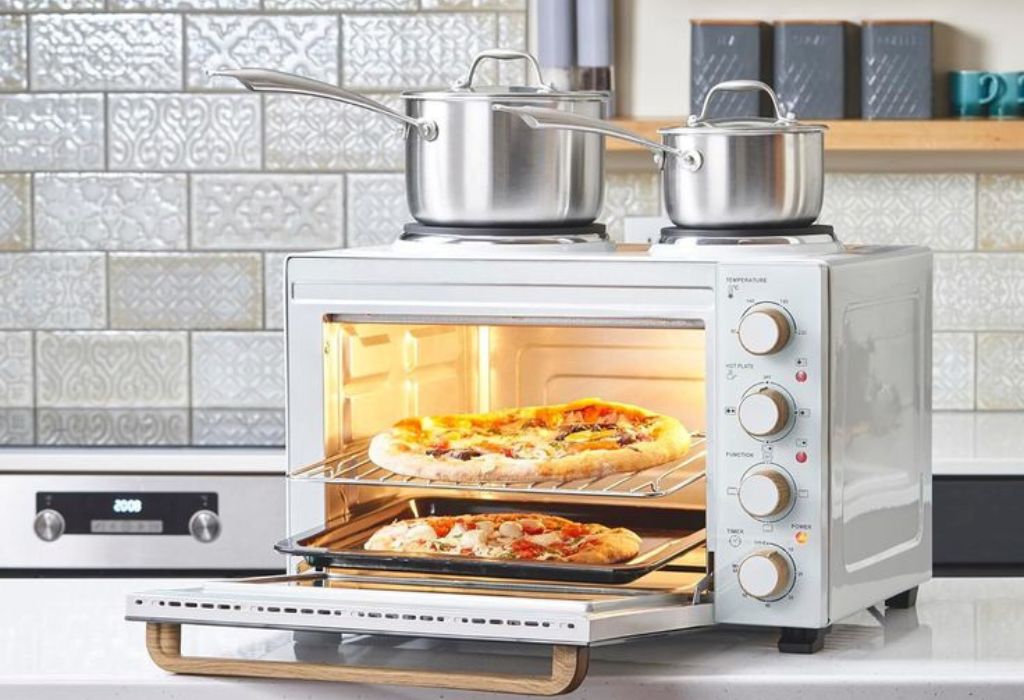
Most standard electric ovens operate within a predictable wattage range. Compact countertop electric ovens usually fall between 1200 and 1800 watts. These are suitable for basic baking and reheating.
Full-size residential electric ovens typically operate between 2000 and 5000 watts. The exact value depends on oven capacity, number of heating elements, and special cooking modes like convection or broil.
Double wall ovens and professional-style ranges often exceed 6000 watts. These units use multiple high-output heating elements to maintain temperature consistency across large cooking chambers.
The broil element usually consumes the highest wattage in an oven. It operates at extreme temperatures for fast surface browning. This single element can sometimes draw over half the oven’s total power.
Understanding these average ranges helps users estimate electrical load realistically. It also prevents underpowered installations that lead to breaker trips and voltage drops.
Wattage Requirements by Oven Size
Oven size is one of the strongest determining factors for wattage requirement. Smaller ovens with limited internal volume need less power to heat efficiently. Larger cooking chambers require significantly more wattage to distribute heat evenly.
A 24-inch compact built-in oven usually operates between 2000 and 3000 watts. These ovens are common in apartments and small kitchens with limited electrical infrastructure.
Standard 30-inch single wall ovens often require between 3500 and 5000 watts. This size has become the most common residential oven configuration across modern homes.
Large 36-inch professional ovens can exceed 6000 watts easily. These ovens are designed for frequent heavy-duty cooking and require dedicated electrical circuits.
As oven size increases, not only does heating demand go up, but heat recovery after door opening also becomes more power intensive. That is why larger ovens always list higher wattage ratings.
Wattage Differences Between Oven Types
Different types of electric ovens draw power in different ways. Conventional electric ovens rely on top and bottom heating elements only. Their wattage requirement is steady and predictable.
Convection electric ovens use an internal fan along with heating elements. The fan itself consumes additional electricity, but it improves heat efficiency. As a result, convection ovens may use slightly higher peak wattage but lower overall energy per cooking cycle.
Self-cleaning ovens draw exceptionally high wattage during the cleaning cycle. Temperatures rise far above normal cooking levels to burn off residue. During this mode, power consumption can increase dramatically.
Steam-assisted electric ovens use heating elements plus water vapor systems. These models consume additional electricity for pumps and water heating but improve cooking efficiency for certain foods.
Each oven type lists a different wattage rating because its operational design defines how much electrical energy it needs to perform correctly.
How Heating Elements Determine Wattage
The heating elements are the main power consumers inside an electric oven. Their resistance value and metal composition directly determine how much current flows through them. More current means higher wattage output.
Most electric ovens use separate bake and broil elements. Each element has its own wattage rating. The total oven wattage is the combined potential load of all active elements.
Thicker elements with lower resistance allow higher electrical flow. These generate intense heat quickly but demand stronger electrical circuits. Thinner elements consume less power but heat more slowly.
Element placement also affects wattage design. Ovens with multiple distributed elements require more total power to maintain uniform cooking temperatures across the chamber.
As heating elements age, their efficiency drops. Worn elements may draw slightly more power to reach the same temperature, which increases electrical strain over time.
Wiring, Circuit Breakers, and Power Load
Electric oven wattage directly determines the type of wiring required for safe operation. Higher wattage ovens draw more current from the electrical supply. This current must flow through properly rated cables to avoid overheating.
Most full-size electric ovens require a dedicated circuit. Sharing the circuit with other appliances often leads to voltage drops and breaker trips. Dedicated circuits ensure consistent and stable power flow.
Circuit breakers act as safety devices that shut off power during overload. If breaker capacity is lower than oven wattage demand, frequent tripping becomes unavoidable. This not only interrupts cooking but also stresses electrical components.
Wire gauge is another critical factor tied to wattage. Thicker wires are required for higher power flow. Using thinner wires for high-wattage ovens creates extreme fire risk.
Power load calculations must consider both continuous and peak wattage. Preheating and self-cleaning cycles create sudden electrical demand spikes. Electrical systems must be designed to handle these peaks safely.
Incorrect wiring installation is one of the most dangerous consequences of ignoring wattage ratings. Over time, insulation breaks down from excess heat. This silent failure can trigger electrical fires without warning.
Does every electric oven need a dedicated circuit?
Yes, most full-size electric ovens require a dedicated circuit. This prevents overload and ensures stable power delivery.
What breaker size is needed for a high-wattage oven?
Breaker size depends on the oven’s rated wattage and voltage. Larger ovens often require 30 to 50 amp breakers.
Can thin wiring handle a high wattage oven?
No, thin wiring overheats under high current load. This creates serious fire risk inside the walls.
Why does the breaker trip when the oven starts?
Tripping occurs when startup current exceeds breaker capacity. This usually means the circuit is undersized.
Is professional installation necessary for electric ovens?
Yes, proper wiring and breaker selection require professional calculation. This ensures long-term safety and reliability.
Wattage vs Energy Consumption Differences
Many users confuse wattage with total energy consumption. Wattage shows how much power an oven can draw at one moment. Energy consumption reflects how long and how often that power is used.
A high-wattage oven does not always consume more electricity overall. If it heats faster and cycles off sooner, total energy use may actually be lower. Cooking efficiency plays a major role in this balance.
Lower wattage ovens run longer to reach the same temperature. Extended runtime increases total kilowatt-hour consumption. This often cancels out the benefit of lower peak power draw.
Cooking habits strongly influence real energy usage. Frequent baking, long roasting cycles, and self-cleaning modes increase total power cost. Occasional light use keeps consumption low regardless of wattage level.
Convection ovens often appear more energy efficient despite slightly higher wattage. Their faster heat circulation reduces cook time. Shorter cycles reduce total energy draw.
Understanding the difference between wattage and consumption allows better cost control. It also helps users choose ovens based on real operating expenses instead of peak ratings alone.
Does higher wattage always mean higher electricity bill?
No, faster heating can reduce total runtime. Shorter operation often lowers total energy cost.
What affects total energy consumption the most?
Cooking duration and frequency affect consumption more than wattage alone. Long usage increases total power use.
Are convection ovens more energy efficient than regular ovens?
Often yes, because they cook faster at lower temperatures. This reduces total energy runtime.
Does self-cleaning mode increase energy cost a lot?
Yes, self-cleaning uses extreme heat for extended periods. This significantly increases energy consumption.
Is wattage useful for predicting cooking cost?
Only partially, as actual cost depends on time of use. Duration and frequency matter more than peak power.
Commercial vs Home Electric Oven Wattage
Home electric ovens are designed around residential electrical limits. Most operate within 2000 to 5000 watts. These limits match common household wiring capacities.
Commercial electric ovens are built for continuous heavy use. Their wattage often starts at 6000 watts and can exceed 10,000 watts. These ovens require industrial-grade electrical infrastructure.
Commercial kitchens operate multiple high-wattage appliances simultaneously. Their electrical systems are designed for heavy total power load. Residential systems cannot safely support such demand.
Temperature recovery time is a major reason for higher commercial wattage. Commercial ovens must return to cooking temperature instantly after door openings. This requires very powerful heating elements.
Insulation differences also contribute to wattage variation. Commercial ovens use heavy insulation to retain heat under extreme usage. Higher wattage ensures rapid heat replenishment when needed.
Attempting to use commercial electric ovens in residential kitchens is extremely dangerous. The mismatch in wiring, breaker capacity, and ventilation creates serious safety hazards.
Safety Limits of Electrical Systems
Every electrical system has a maximum safe load capacity. Exceeding this limit causes overheating, insulation failure, and potential fire hazards. Oven wattage plays a major role in this load calculation.
Homes built decades ago often have lower electrical capacity. Their wiring and breaker panels may not support modern high-wattage ovens. Upgrades become necessary before installing new appliances.
Voltage stability is another safety factor. When large appliances draw excessive current, voltage drops across the system. This can damage sensitive electronics in the home.
Proper grounding is essential for high-wattage appliances. Grounding provides a safe path for fault current during electrical failure. Without grounding, shock risk increases dramatically.
Heat buildup inside walls is a hidden safety threat. Overloaded wires slowly bake surrounding insulation and framing. Fires can start long after installation errors occur.
Electrical safety codes exist to prevent these dangers. Following wattage ratings and installation standards is the only reliable means of long-term protection.
What happens if oven wattage exceeds home capacity?
The system overheats and breakers trip frequently. Long-term overload can cause electrical fires.
Do old homes need upgrades for modern ovens?
Yes, many older homes lack sufficient wiring capacity. Panel and circuit upgrades are often required.
Why is grounding important for electric ovens?
Grounding safely directs fault current away from the user. This prevents dangerous electric shock.
Can voltage drops damage other appliances?
Yes, voltage instability harms electronics and motors. It shortens their operational lifespan.
Are safety codes connected to oven wattage limits?
Yes, electrical codes set maximum load limits based on wattage. These limits prevent overheating and fire.
How to Choose the Right Wattage for Your Kitchen
Choosing the correct wattage starts with evaluating kitchen size and cooking needs. Small kitchens with light usage require far less power than large family kitchens. Overestimating wattage wastes money and electricity.
Electrical panel capacity is the next major consideration. The main breaker rating determines how much additional appliance load the system can safely support. Exceeding this limit requires costly upgrades.
Cooking frequency also matters when selecting wattage. Daily baking and roasting justify higher wattage for faster performance. Occasional users benefit more from moderate wattage efficiency.
Ventilation and heat management should never be ignored. High-wattage ovens generate more heat into the kitchen environment. Proper ventilation ensures safe operating temperatures.
Energy efficiency ratings help balance wattage and cost. Modern ovens often deliver higher heat output using improved insulation and smart control systems. This reduces overall power waste.
Selecting the right wattage ensures performance, safety, and operating economy. It prevents future electrical failures and keeps cooking reliable. Proper planning always saves long-term cost.
Is higher wattage always better for cooking?
No, excess wattage increases installation cost and power waste. Matching wattage to actual needs is more efficient.
Does kitchen size affect wattage choice?
Yes, larger kitchens typically accommodate higher wattage appliances safely. Smaller kitchens require moderate power levels.
Should I check breaker capacity before buying an oven?
Yes, breaker and panel ratings determine maximum safe wattage. Buying without checking may require expensive upgrades.
Does ventilation influence wattage selection?
Yes, higher wattage ovens produce more ambient heat. Proper ventilation is required to manage thermal load.
Can energy-efficient ovens use high wattage safely?
Yes, modern designs optimize heat use despite high wattage ratings. Efficiency controls overall consumption effectively.
Conclusion
The required wattage for an electric oven is not just a technical number printed on a label. It defines how safely the oven operates, how quickly it heats, and how well it fits into a home’s electrical system.
Choosing the wrong wattage can silently create overload stress that leads to breaker trips, damaged wiring, or even fire hazards.
Oven size, heating element construction, oven type, and cooking habits all influence wattage needs.
A small countertop oven and a professional wall oven operate under completely different electrical demands. Understanding these demands allows proper circuit planning and safe long-term operation.
Wiring quality, breaker capacity, and grounding are equally critical to wattage safety. Without proper installation, even a correctly rated oven can become dangerous over time. Heat buildup inside walls often occurs slowly and without visible warning.
Selecting the right wattage is a balance between performance and protection. When matched correctly to kitchen size, usage frequency, and electrical capacity, an electric oven operates efficiently, safely, and reliably for many years. Proper wattage planning always protects both meals and homes.

I’m Emma J. Caldwell, the founder, lead writer, and home-cooking enthusiast behind KitchenGuideCo.com. With a background in culinary arts and over a decade of cooking experience in both professional and personal kitchens, I created this platform to demystify recipes, offer smart kitchen gadget reviews, and guide readers through meal prep with confidence and clarity.