Yes, your slow cooker should absolutely bubble or show clear signs of vigorous heat activity to ensure food safety and eliminate harmful bacteria. This bubbling indicates the food has reached a safe temperature, well above the danger zone. While the intensity may vary based on the setting (gentle simmer on “low,” more pronounced on “high”) and recipe, consistent heat ensures delicious, safely cooked meals.
Should Slow Cooker Bubble? The Truth About Safe Cooking
Ever peeked into your slow cooker, heard a frantic gurgle, and wondered, “Hmm, should slow cooker bubble like that?” You’re not alone! It’s a common question that pops up in kitchens everywhere, and honestly, the answer is a little nuanced. Most of us imagine a slow cooker quietly doing its magic, transforming tough cuts into tender meals without much fuss. And you’d be right to think that!
The short answer is: generally, no, your slow cooker shouldn’t be aggressively bubbling away. A gentle, almost imperceptible simmer is usually the sweet spot for perfect, safe slow cooking. If you’re seeing a rolling boil or a vigorous bubble, it might be a sign that things are a little too hot in there.
Should Slow Cooker Bubble? Let’s Get to the Bottom of It!
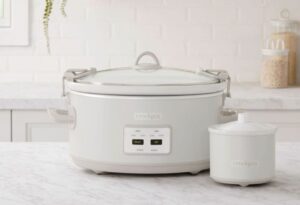
So, you’ve lifted the lid, and your dinner is putting on a show with big, enthusiastic bubbles. While it might look like your slow cooker is working extra hard, it’s often working too hard. The ideal for slow cooking is a consistent, low temperature that gently coaxes flavors out of ingredients and breaks down tough fibers without drying everything out. Think of it more as a warm, cozy bath for your food, not a hot tub party!
From a food safety perspective, your slow cooker’s main job is to keep food above the “danger zone”—that temperature range between 40°F and 140°F where bacteria multiply rapidly. A slow cooker achieves this by heating food quickly past 140°F and maintaining a consistent temperature. A gentle simmer is perfectly sufficient for this, keeping your food safe while slowly cooking it to perfection. Aggressive bubbling, however, can signify temperatures far beyond what’s needed for safety, leading to several issues:
- Overcooked and Dry Food: Remember that chili I made last year? My old slow cooker ran incredibly hot, and I often found the edges of my stew dried out, even burnt, while the center was just right. That’s a tell-tale sign of too much bubbling.
- Loss of Moisture and Flavor: When liquids boil vigorously, they evaporate faster. This can leave your dishes less saucy, less flavorful, and potentially quite dry. Who wants a dry pot roast? Not me!
- Texture Troubles: Delicate ingredients like certain vegetables or even some meats can turn mushy quickly with aggressive bubbling, losing their pleasant texture.
What does a “gentle simmer” look like? When I peek into my slow cooker, I look for subtle signs: a faint whisper of steam escaping, tiny, infrequent bubbles forming around the edges of the liquid, or a very slight, lazy movement on the surface. It should feel calm, not chaotic. Sometimes, a thicker sauce or less liquid might bubble a little more as it reduces toward the end of a long cook, and that’s usually okay. The key is that it’s not a rolling boil throughout the entire cooking process.
What if your slow cooker is bubbling too much? Here are some personal tips:
- Check Your Settings: Is it on HIGH instead of LOW? I’ve done this more times than I care to admit! Most recipes are designed for LOW, which usually cooks between 180-200°F. HIGH settings can reach 250°F or more, which is closer to a boil.
- Know Your Appliance: Some slow cookers, especially older models or certain brands, simply run hotter than others. My grandmother’s old crock-pot was a furnace! If yours is a hot-runner, you might need to adjust cooking times or consider using a ceramic heat diffuser if you’re really struggling.
- Add More Liquid (Carefully): While not a fix for an overly hot unit, if your dish seems to be drying out quickly due to bubbling, a little extra broth or water can help maintain moisture.
- Consider a Programmable Model: Newer slow cookers often have more precise temperature controls, making it easier to avoid the excessive boil.
Ultimately, the goal is to achieve tender, flavorful results safely. If your slow cooker is constantly putting on a bubbling show, it’s probably running too hot, and your food is likely suffering for it. Finding that perfect, gentle simmer is truly the secret to slow cooker success.
So, the next time you ask yourself, “should slow cooker bubble?”, remember the image of a gentle, comforting warmth rather than a furious boil. Your taste buds (and your electricity bill!) will thank you. Happy slow cooking!