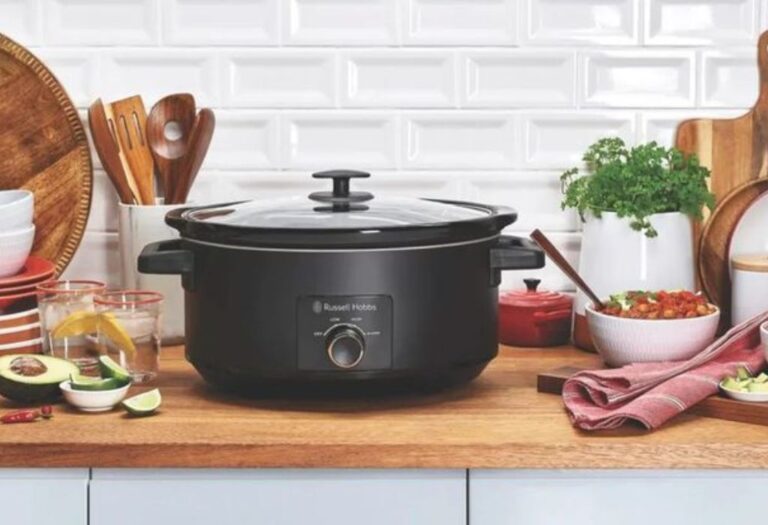
Myth busted: a slow cooker lid should NOT be perfectly sealed for safety. Slow cookers are specifically designed to allow steam to vent, and a complete seal could actually be dangerous by creating unsafe pressure buildup. Focus on maintaining proper cooking temperatures for food safety, not an airtight lid, as the lid’s primary role is to retain heat and moisture.
Hey there, fellow home cooks! Ever stood in front of your slow cooker, lid in hand, wondering if you’re supposed to create an airtight seal? Maybe you’ve even pressed down extra hard, thinking it makes your food safer or cooks faster. Well, let’s clear the air and bust a common myth right now!
The short answer is: no, your slow cooker lid should absolutely not be hermetically sealed. In fact, trying to force an airtight seal can actually be counterproductive and, in extreme cases, even unsafe. Your slow cooker works its magic best when the lid is simply resting snugly in place, allowing it to do what it’s designed to do!
Should Your Slow Cooker Lid Be Sealed For Safety And Optimal Cooking?
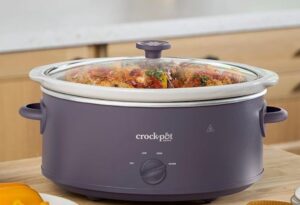
This is a fantastic question that comes up a lot, and it highlights a common misunderstanding about how these wonderful appliances work. Let’s dig into it with a friendly, expert chat.
First off, when we talk about a “sealed” slow cooker lid, we’re really thinking about a snug fit that traps heat and moisture inside. And yes, that’s precisely what you want! The lid’s main job is to keep the heat from escaping and to let the condensation drip back into your food, keeping everything moist and flavorful. Think of it like a cozy blanket for your dinner – keeping it warm and comfortable.
However, there’s a crucial difference between a snug fit and a true, pressure-building seal. A slow cooker operates at atmospheric pressure, gently cooking food over many hours. It’s not designed to build up high pressure like a pressure cooker. Many slow cooker lids, especially glass ones, will have a slight vent or are designed to allow a tiny bit of steam to escape. This is perfectly normal and actually a good thing! It prevents any pressure from building up and keeps the internal temperature stable and safe. If you tried to create an absolute vacuum seal, you could potentially create a dangerous situation where pressure builds inside the pot, which your slow cooker isn’t equipped to handle safely. So, a truly sealed slow cooker lid is definitely something to avoid.
My Experience and Practical Tips:
- Don’t Be a Lid Lifter! I learned this the hard way early on. Every time you lift the lid to “just peek,” you’re letting out a significant amount of heat. This drops the internal temperature by 10-15 degrees and can add 20-30 minutes, or even more, to your overall cooking time. Resist the urge! Your food will be fine, I promise.
- Snug, Not Stuck: My rule of thumb is to place the lid squarely on top, ensuring it covers the opening completely. You shouldn’t need to press it down or create any suction. If you can see a little steam escaping around the edges, that’s often perfectly fine and signals that it’s doing its job without building unwanted pressure.
- The Role of Condensation: You’ll notice condensation forming on the underside of the lid. This is moisture that evaporates from your food, hits the cooler lid, and drips back down. This natural basting keeps your meats tender and your dishes from drying out. If you lift the lid too often, you lose this valuable moisture.
- When to Open the Lid: Of course, there are times you need to open it! Adding ingredients later in the cook, stirring (if the recipe calls for it), or checking for doneness towards the end of the cooking time are all valid reasons. Just be quick about it to minimize heat loss.
- Safety First: The main safety aspect of your slow cooker is ensuring it reaches and maintains safe food temperatures (above 140°F / 60°C) to prevent bacterial growth. A properly fitting lid helps achieve this efficiently without needing to be sealed airtight.
So, the next time you’re preparing a delicious slow-cooked meal, remember that a properly placed, snugly fitting lid is your best friend. There’s no need to wrestle with it to create an impenetrable seal. Just let it rest, trust the process, and let your slow cooker do its amazing work.
In conclusion, while a slow cooker lid needs to sit snugly to trap heat and moisture for efficient and safe cooking, it absolutely should not be sealed in an airtight manner. That slight bit of ventilation is key to its design and proper function. Now go forth and slow cook with confidence, knowing you’ve got this!