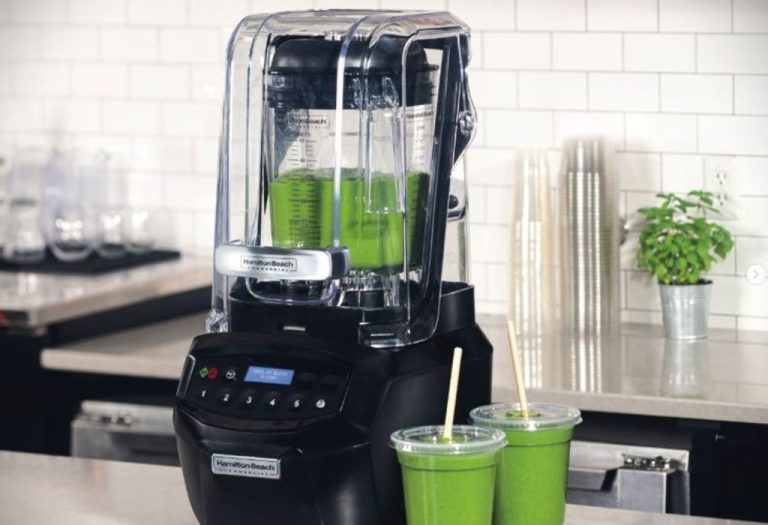
Sliced almonds are one of those ingredients that instantly elevate a dish, whether you’re sprinkling them over a fresh salad, folding them into cookie dough, topping a bowl of oatmeal, or adding a decorative crunch to a dessert.
They bring texture, flavor, and a beautiful look to almost any recipe. But anyone who buys sliced almonds regularly knows one frustrating truth, they are surprisingly expensive, often come in small bags, and sometimes even taste a little stale.
That’s when most home cooks start wondering if they can slice their own almonds instead of relying on store-bought ones.
If you’ve ever tried slicing almonds by hand, you probably learned quickly that it’s not easy. Almonds are small, hard, and slippery, and getting even slices with a knife takes time, skill, and a lot of patience. That’s why the food processor becomes such a powerful tool for this job.
With the right disc attachment and a little preparation, it can turn a handful of whole almonds into a bowl of perfect slices in a matter of seconds.
But here’s where the real story begins: not all food processor methods work the same, and many people mistakenly use the wrong blade or skip crucial preparation steps.
The result? Almond dust, uneven chunks, and plenty of frustration. Learning the correct way to slice almonds is what transforms the process from unpredictable to effortless.
Once you understand how almond temperature affects slicing, how to load the feed chute properly, and how to match the right almond type to your recipe, you’ll realize just how easy and cost-effective it is to make your own slices at home.
This guide walks you through every step so you can slice almonds confidently, consistently, and with results that look as good as anything from the store.
Why Slicing Almonds With a Food Processor Matters

Slicing almonds may seem like a small kitchen task, but doing it correctly can make a huge difference in both the texture and presentation of your recipes.
Store bought sliced almonds are convenient, but they’re often more expensive, sometimes stale, and may not have the thickness or crispness you prefer. When you slice almonds yourself, you control freshness, slice thickness, and overall quality.
This is especially important for recipes where almonds are featured prominently, like salads, cookies, pastries, or breakfast bowls.
Using a food processor to slice almonds makes the process far easier and faster than trying to slice them manually. Almonds are small, hard, and naturally slippery, which makes cutting them with a knife time consuming and sometimes unsafe.
A food processor equipped with the proper slicing disc can turn whole almonds into uniform slices in seconds. This consistency improves the texture of dishes and ensures even distribution whether you’re baking or garnishing.
Another important benefit of slicing almonds at home is cost savings. Whole almonds are usually cheaper than pre sliced varieties, especially when purchased in bulk.
By slicing your own, you reduce waste and always have the exact amount needed for your recipe. You also avoid the broken, dusty crumbs that often come in pre packaged almond bags.
Finally, slicing almonds yourself gives you creative control. You can choose thin slices for delicate toppings, thicker slices for crunchy textures, or even experiment with roasted versus raw almonds.
Once you understand how the food processor handles almonds, you’ll find that homemade slices taste fresher, look better, and elevate the overall quality of your dishes.
What You Need Before You Start Slicing Almonds
Before you start slicing almonds in a food processor, it helps to gather the right tools so the process goes smoothly from beginning to end.
Even though slicing almonds seems simple, the texture and hardness of the nuts require specific attachments and preparation to achieve clean, uniform slices. The most important tool is a food processor that includes a slicing disc attachment.
This is different from the standard S-shaped blade at the bottom of the bowl. Instead of chopping, the slicing disc shaves thin layers off the almonds as they pass through the feed chute, giving you consistent, beautiful slices.
Next, you’ll need whole almonds, either raw or blanched. Raw almonds give the firmest, cleanest slices, while blanched almonds, which have their skins removed, produce smoother slices with a lighter appearance.
If you only have roasted almonds, they can still work, but avoid heavily salted or oily varieties because the added moisture changes the texture and may cause uneven slices.
You’ll also need a food processor lid with a narrow feed chute. This small opening helps guide the almonds toward the slicing disc in a controlled way. Wide chutes give the almonds too much space to bounce around, which can lead to unpredictable slicing or even jamming.
A few optional tools make the process easier: a freezer for chilling almonds, a bowl of warm water for soaking them if you want softer slices, and a clean kitchen towel for drying wet almonds before slicing. Prepared storage containers also help keep your freshly sliced almonds crisp and ready to use.
How to Prepare Almonds for Perfect Slicing
Preparing the almonds properly is the most important step in getting clean, uniform slices from your food processor. Almonds are naturally small, hard, and rounded, which means they can bounce around or break into uneven pieces if they enter the slicing disc at the wrong angle.
Proper preparation helps stabilize the almonds so the blade can make smooth, controlled cuts instead of shattering them into crumbs.
One of the best preparation methods is chilling the almonds in the freezer. Cold almonds become firmer and more brittle, which allows the slicing disc to shave them cleanly rather than crush them.
Simply place the almonds in the freezer for about 15 to 20 minutes before using them. This quick step dramatically improves slice quality, especially for very thin slices.
Another effective option is briefly soaking the almonds in warm water. This softens the outer layer just enough to make slicing smoother.
Soak the almonds for about 10 minutes, then drain and pat them completely dry before putting them through the food processor. This method is great if you prefer softer slices for baking or toppings.
If you want the most professional looking slices, consider using blanched almonds. Removing the skins reduces friction on the blade and eliminates the little brown edges that come from slicing whole raw almonds. You can buy blanched almonds or blanch them yourself by briefly boiling and peeling them.
Which method you choose depends on your desired texture and appearance, but preparing the almonds in advance always results in cleaner, more consistent slices.
A few minutes of prep ensures your food processor performs at its best and gives you almond slices that look and taste better in every recipe.
How to Slice Almonds in a Food Processor
Slicing almonds in a food processor is fast and efficient when you follow the right steps. The key is using the slicing disc attachment rather than the S-blade, because the slicing disc shaves thin, even layers from each almond as it passes over the blade.
Once your almonds are chilled or soaked and the machine is set up correctly, the slicing process becomes incredibly simple and consistent.
Start by placing the slicing disc onto the central spindle inside the food processor bowl. The sharp side of the disc should face upward, and the disc must lock securely in place so it doesn’t wobble.
Then attach the lid and make sure it clicks into the locked position; most food processors won’t run unless the lid is fully secured.
Next, fill the feed chute with almonds. For best results, add the almonds in a single layer rather than dumping a large handful, because overcrowding the chute makes the almonds bounce and hit the blade unevenly.
Use the food processor’s pusher tool to guide the almonds down gently. Pushing too hard can cause breakage, so light, steady pressure works best.
Use the low-speed or pulse setting to keep the slicing controlled. As each almond touches the disc, it will be shaved cleanly into thin slices that fall into the bowl below. If you notice inconsistent slices, stop and shake the almonds in the chute to realign them before continuing.
Once finished, remove the bowl and examine the slices. They should be clean, even, and ready to use. If you need more, simply refill the chute and repeat. In just a few minutes, you’ll have a batch of perfectly sliced almonds ready for baking, salads, garnishes, or snacking.
Troubleshooting Common Problems While Slicing Almonds
Even with the right blade and preparation, slicing almonds in a food processor can sometimes present challenges.
This is because almonds vary in size, freshness, moisture level, and hardness, which can affect how they interact with the slicing disc. Learning how to handle the most common issues ensures you get clean, consistent slices every time.
One of the most frequent problems is almonds turning into crumbs instead of slices. This usually happens when the almonds are too warm or soft.
Chilling them in the freezer for at least 20 minutes before slicing makes them firmer and easier to shave cleanly. It also helps to use a gentle pushing motion rather than forcing the almonds through the chute.
Another issue is almonds bouncing around inside the feed chute. This leads to uneven slices or almonds passing over the blade without cutting.
To fix this, either fill the chute more tightly or use almonds that have been lightly soaked and dried. A snug fit inside the chute helps guide almonds straight onto the blade.
If slices are coming out too thick or too thin, check your slicing disc. Some processors offer adjustable thickness settings or multiple discs.
Switching to a thinner disc or adjusting the thickness dial often solves the problem instantly. Blanched almonds also produce more uniform slices because the absence of skins reduces drag.
Sometimes the food processor may jam if too many almonds enter at once. Clearing the chute, removing broken pieces from the disc, and slicing smaller batches helps maintain smooth movement. Using pulse mode instead of continuous speed also gives you more control.
Troubleshooting these simple problems helps you master the process and ensures your almond slices always turn out crisp, uniform, and ready for any recipe.
Can You Slice Slivered Almonds or Use Other Almond Forms?
Many home cooks wonder whether they can slice almonds that are already cut, such as slivered almonds, or whether different almond varieties behave differently in the food processor.
The good news is that a food processor can handle several almond forms, but the slicing results and texture vary depending on the type of almond you start with. Understanding these differences helps you choose the right almond for the outcome you want.
Slivered almonds are already cut into stick-like shapes, so slicing them further will not produce the flat slices commonly used for garnishes or baking. Instead, the slicing disc will shave them into thin, elongated chips.
These are excellent for adding crunch to salads, granola, or yogurt bowls, but they will not resemble traditional almond slices. If your recipe calls specifically for slices, it’s best to start with whole almonds.
Blanched almonds, which have had their skins removed, are one of the best choices for clean, uniform slicing.
Without skins, the almonds glide smoothly across the slicing disc and produce evenly shaped slices that look professional. These are ideal for pastries, dessert toppings, or recipes where presentation matters.
Roasted almonds can also be sliced, but their texture is more brittle, which means they are more likely to break into uneven pieces. If you do use roasted almonds, look for dry-roasted varieties without added oil or salt, as oily coatings can cause slippage on the slicing disc.
Whole raw almonds remain the most versatile option because they hold their structure well, especially when chilled. Whether you want very thin slices or slightly thicker ones, raw almonds give you the most consistent results.
By choosing the right almond form for your needs, you can produce slices with the exact look, texture, and crispness you want every time.
Tips for Getting Perfect Almond Slices Every Time
Slicing almonds may sound simple, but a few small adjustments can dramatically improve the quality of your slices.
Whether you’re preparing almonds for baking, garnishing, or adding texture to meals, these practical tips help you get consistent, professional-looking results with minimal effort. Once you understand what affects slicing quality, your food processor becomes a quick and reliable tool.
The first and most important tip is to prepare the almonds correctly. Chilling them in the freezer makes them firmer, which helps the slicing disc cut clean, even pieces instead of crushing or cracking them.
If you prefer softer slices, briefly soaking the almonds in warm water before drying them completely also helps reduce breakage.
Next, make sure you are using the correct disc attachment. The slicing disc is essential for creating clean, thin slices. Avoid using the standard S-blade, as this is designed for chopping and puréeing, it will crush almonds into uneven chunks instead of slicing them.
Another key tip is to fill the feed chute properly. If you add too few almonds, they tend to bounce around and slice unevenly.
Filling the chute so the almonds sit upright and close together ensures they meet the slicing disc at the correct angle. Gentle, steady pressure on the pusher tool helps maintain control without crushing the almonds.
Speed also matters. Using the pulse function or low speed helps you avoid almond dust or overprocessing. It gives you more control and allows the disc to slice each almond cleanly.
Finally, consider the type of almond you’re using. Blanched almonds give the most uniform slices, while raw almonds provide a crisp bite perfect for salads or baked goods. With a little practice and these simple tips, you’ll be able to slice almonds beautifully every single time.
Storing Your Freshly Sliced Almonds the Right Way
Once you’ve taken the time to slice almonds perfectly, proper storage becomes essential for preserving their freshness, flavor, and crisp texture. Almonds contain natural oils that can turn stale or rancid when exposed to air, heat, or moisture.
That’s why choosing the right storage method helps your sliced almonds stay delicious and ready to use for weeks or even months.
The best way to store sliced almonds is in an airtight container. Glass jars, BPA-free plastic containers, or high-quality resealable bags all work well.
Removing as much air as possible before sealing slows oxidation and helps the almonds maintain their natural crunch. If you’ll be using the almonds within a week, you can keep them at room temperature in a cool, dry place away from direct sunlight.
For longer storage, the refrigerator is an excellent option. Sliced almonds can stay fresh in the fridge for up to six months when stored properly.
The cooler temperature protects the oils in the almonds and keeps them from developing off-flavors. Just make sure the container is tightly sealed so the almonds don’t absorb odors from other foods.
If you want to store sliced almonds for an even longer period, the freezer is the best choice. Almonds freeze beautifully and can last up to a year or more without losing quality.
Spread them in a thin layer before freezing to prevent clumping, then transfer them to a sealed container once frozen. When you’re ready to use them, let them come to room temperature naturally — they’ll return to their crisp texture quickly.
Good storage not only extends the life of your sliced almonds but also preserves their delicate flavor and satisfying crunch. With airtight containers and the right temperature, your homemade almond slices will stay fresh and ready for salads, baking, toppings, or snacking anytime.
Do You Need a Special Food Processor for Slicing Almonds?
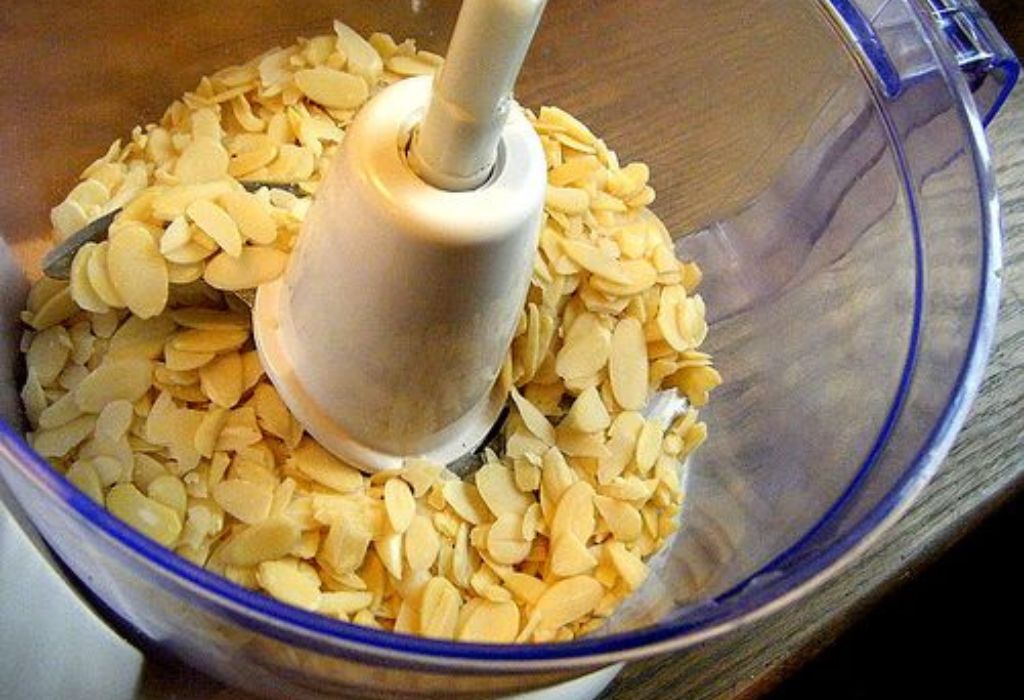
Many people wonder whether they need a specific type of food processor to slice almonds properly. The truth is that most standard food processors, even budget-friendly ones, can slice almonds beautifully as long as they include the correct attachments.
You don’t need an expensive or professional-grade machine. What matters far more is having a slicing disc and knowing how to prepare and feed the almonds into the chute.
If your food processor comes with multiple discs, look for the one labeled “slice,” “thin slice,” or “julienne.” These discs sit at the top of the bowl and cut ingredients as they pass downward.
When almonds contact the sharp edge of the disc, they are shaved into thin slices quickly and cleanly.
Some processors even offer adjustable slicing discs that let you choose the thickness, which is extremely useful if you want consistent slices for baking or garnishing.
Certain brands like Cuisinart, KitchenAid, Ninja, and Hamilton Beach are known for strong slicing performance, but even smaller models work well if the motor is powerful enough to handle hard nuts.
You don’t need a heavy machine, just one that turns the slicing disc steadily without stalling. If your current food processor doesn’t include a slicing disc, you can often purchase one separately from the manufacturer.
Compact processors, on the other hand, may struggle because their feed chutes are too wide or too small for almonds to align properly. If you plan to slice almonds regularly or in large batches, a mid-sized processor with a stable chute gives the best results.
Overall, the key ingredient is not the price or brand of your machine, but the correct attachment and proper almond preparation. With the right setup, even a simple, inexpensive food processor can slice almonds like a pro.
Frequently Asked Questions About Slicing Almonds
How do I stop almonds from turning into crumbs in the food processor?
Chill the almonds in the freezer for 15–20 minutes before slicing. Cold almonds stay firm and slice cleanly instead of crumbling.
Which blade should I use to slice almonds in a food processor?
Always use the slicing disc attachment. The S-blade will chop the almonds instead of slicing them.
Do I need to soak almonds before slicing?
Soaking isn’t required, but a 10-minute warm-water soak softens almonds slightly and helps them slice more smoothly. Just dry them completely before processing.
Can I slice roasted almonds in a food processor?
Yes, as long as they are dry-roasted without oily coatings. Oily almonds may slip on the disc and slice unevenly.
Why do almonds bounce inside the feed chute?
The chute may be too wide or loosely filled. Add more almonds to keep them aligned, or soak/dry them lightly to reduce bouncing.
Are blanched almonds better for slicing?
Yes. Blanched almonds produce the most even, professional-looking slices because the skins don’t interfere with the blade.
Can I adjust the thickness of the almond slices?
If your food processor has an adjustable slicing disc, you can choose your desired thickness. Otherwise, switch to a thinner or thicker disc if available.
Is pulsing better than running the processor continuously?
Yes. Pulse mode gives better control, prevents overprocessing, and helps maintain even slices.
Can I slice almonds without a food processor?
Yes, but it’s slower. You can use a sharp chef’s knife, mandoline with guard, or a nut-slicing tool. Results won’t be as uniform.
How long do sliced almonds stay fresh?
At room temperature: 1–2 weeks.
In the refrigerator: up to 6 months.
In the freezer: up to 1 year or longer in an airtight container.
Conclusion
Slicing almonds in a food processor is one of the easiest ways to save time in the kitchen while still getting beautifully consistent results.
Instead of relying on expensive store-bought slices, you can create your own fresh batches at home with just a few simple steps and the right attachment.
Once you understand how almonds behave when chilled or soaked, how the slicing disc works, and how to guide the almonds through the feed chute with steady control, the process becomes quick, reliable, and surprisingly satisfying.
What makes homemade almond slices even better is the flexibility they offer. You can choose the thickness you prefer, decide between raw or blanched almonds, and produce just the amount you need without any waste.
Whether you’re preparing toppings for salads, creating decorative finishes for baked goods, or adding crunch to your morning granola, freshly sliced almonds always taste crisper and look more appealing than packaged ones.
Pairing proper slicing technique with good storage habits ensures that your almonds stay fresh for weeks or even months, ready whenever you need them.
With airtight containers, refrigeration, or freezing, your sliced almonds will maintain their flavor and texture long after preparation.
By following the guidance in this complete tutorial, you now have everything you need to slice almonds confidently and efficiently using a food processor.
With a little practice, you’ll be able to produce perfect almond slices every time, turning a simple kitchen task into a skill that elevates your cooking, baking, and presentation effortlessly.

I’m Emma J. Caldwell, the founder, lead writer, and home-cooking enthusiast behind KitchenGuideCo.com. With a background in culinary arts and over a decade of cooking experience in both professional and personal kitchens, I created this platform to demystify recipes, offer smart kitchen gadget reviews, and guide readers through meal prep with confidence and clarity.