Cooking with a slow cooker should be easy, right? But sometimes, it seems like your food is done way too fast! This can be frustrating, especially if you’re new to using a slow cooker. The good news is that it’s a common issue, and there are several reasons why your slow cooker cooking too fast. Don’t worry, we’ll break down the usual culprits and show you how to fix them. Ready to get your slow cooker back on track and enjoy perfectly cooked meals? Let’s get started!
Reasons Your Slow Cooker Might Be Cooking Too Fast
Many factors can cause your slow cooker to cook food more quickly than expected. It’s often not a single problem, but a combination of several. These can range from the appliance itself to your cooking methods, the size of your ingredients, and even the type of food you’re preparing. Recognizing these elements will help you to address the issue. You’ll be able to adjust your cooking times, and get the best results every time, no matter what you are making. Let’s explore the key reasons behind this.
Understanding Slow Cooker Basics
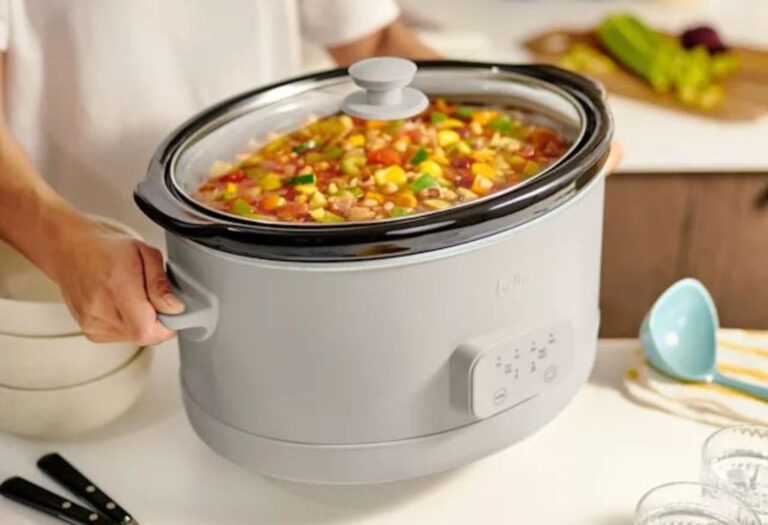
Slow cookers work by using low and consistent heat to cook food over a long period. This gentle cooking process tenderizes tough cuts of meat, melds flavors together, and creates delicious meals. The core function is quite simple: a heating element warms a ceramic or stoneware pot, and this heat is distributed to the food inside. The lid helps trap steam, keeping the food moist. However, slight variations in design can influence how fast the cooking process occurs. This is why knowing how the appliance works is so important.
- Heating Element Design. The heating element is a key component. Its position and design affect how evenly heat is distributed. Some slow cookers have heating elements on the bottom only, while others may wrap around the sides. The more surface area covered, the more uniform the cooking.A heating element is the primary heat source in a slow cooker. It’s usually a coil of wire that converts electrical energy into heat. Different designs impact heat distribution: elements that cover a larger area of the pot provide more even cooking. Elements that are exposed, as compared to embedded, may produce higher temperatures.
- Pot Material and Construction. The material of the inner pot also impacts heating efficiency. Ceramic and stoneware pots are common because they are effective at retaining heat and evenly distributing it. Materials like metal might heat faster but might also cause hot spots.Ceramic and stoneware are popular choices for slow cooker pots. They retain heat well and distribute it evenly. Thicker pots also help to maintain a consistent temperature, which prevents food from cooking too fast. Materials like glass can be used but often do not perform as well as ceramic or stoneware in terms of heat distribution and retention.
- Lid Fit. A well-fitting lid is essential for retaining heat and moisture. A loose lid will allow heat to escape, potentially leading to uneven cooking. This also affects how much moisture stays inside the cooker, which is key for food.The lid’s fit significantly impacts cooking efficiency. A tight-fitting lid helps retain heat and moisture, which leads to consistent cooking. A loose lid lets heat escape, prolonging the cooking time. The lid should create a good seal, preventing steam and heat from escaping during the cooking process.
Common Culprits Behind Rapid Slow Cooker Cooking
Once you understand how a slow cooker operates, you can better identify the reasons why it might cook too quickly. Several factors can influence the cooking speed. These range from the slow cooker itself to the ingredients and preparation methods you use. This section will help you understand the most frequent causes and learn how to adjust your cooking accordingly. Keep in mind that slow cooking relies on patience and precision, so understanding these points is key to successful meals.
Incorrect Settings or Temperature
One of the easiest mistakes to make is setting the wrong temperature. Most slow cookers have low, high, and sometimes warm settings. Using a higher temperature setting than necessary will result in food cooking faster. It is vital to use the correct setting for the recipe. This section explores how to ensure that you use the right settings.
- Using the “High” Setting. The “High” setting is intended for faster cooking. If your recipe calls for the “Low” setting, using “High” could cause food to cook much faster. This is fine if you’re trying to speed up the process, but not if you’re aiming for a slow, tender cook.The “High” setting applies a higher level of heat, which accelerates the cooking time. It is great for when you are in a rush and need to have dinner ready faster. However, this setting can also lead to overcooking. Always check your recipe carefully, as it will tell you what setting to use.
- Misunderstanding the “Warm” Setting. The “Warm” setting is not meant for cooking. It’s only designed to keep food warm after it’s been cooked. Attempting to cook food on the “Warm” setting will not work and may even be unsafe.The “Warm” setting applies very low heat. It’s designed to keep food at a safe serving temperature without overcooking. It’s ideal for keeping meals warm until you are ready to serve them. Always cook your food using the Low or High setting before switching it to Warm.
- Calibrating Your Slow Cooker. Slow cookers are not always accurate in their temperature. Some might run a bit hotter than others. Using a slow cooker thermometer will help you know if your slow cooker’s temperature is correct.Temperature inconsistencies can lead to issues, so check the accuracy of your slow cooker. You can test your slow cooker’s temperature by filling the pot with water and setting it to Low or High. Use a kitchen thermometer to check the water temperature after an hour. If the temperature is significantly off, you should adjust your cooking times accordingly. Note the temperature differences for future reference.
Ingredients and Recipe Influences
The ingredients used and how a recipe is written have a massive impact on cooking time. It is crucial to have a clear understanding of your recipes and the effect ingredients have. Different foods cook at varying speeds, and the size or shape of ingredients also influences the cooking time. Getting these aspects right can transform the success of your dishes.
- Meat Types and Cuts. Different meats and cuts require different cooking times. Lean meats, such as chicken breast, will cook much faster than tougher cuts of meat like brisket or chuck roast. Understanding these variations will help you manage your recipes better.Lean meats, which have less fat, tend to dry out more quickly. Tougher cuts with more connective tissue need longer cooking times to become tender. When using lean meats, use a lower setting and monitor the food frequently to prevent overcooking.
- Ingredient Size. Smaller pieces of food cook more quickly than larger pieces. Dicing vegetables and cutting meat into smaller chunks speeds up the cooking process. Be mindful of this when preparing your ingredients.Uniformly sized ingredients cook evenly. This is useful for both meat and vegetables. For example, if your recipe calls for large chunks of carrots and potatoes, they’ll take longer than if they are diced. Cutting everything into similar sizes helps to ensure your food is cooked thoroughly and at the same time.
- Liquid Content. The amount of liquid in a recipe affects the cooking time and the food’s texture. Too much liquid can cause the food to cook more slowly, while too little can lead to burning.The liquid helps to create steam, which is essential for slow cooking. It keeps the food moist and helps it to cook evenly. Ensure you use the right amount of liquid to prevent the food from drying out or cooking too quickly. Always follow the recipe’s liquid recommendations, but adjust based on your slow cooker’s performance.
Adjusting Cooking Methods for Better Results
Sometimes, the cooking method itself might need tweaking. Using the right techniques can help you achieve better results when you are using a slow cooker. This includes how you prepare your ingredients, the order in which you add them, and how often you peek inside. By learning how to adapt your approach, you can enhance the quality of your cooking. These improvements can also help prevent your slow cooker from cooking too fast.
- Browning the Meat. Browning meat before adding it to the slow cooker adds flavor. Searing the meat develops a rich, complex taste that enhances the overall dish. This also can affect cooking time, as it jumpstarts the cooking process.Browning meat adds depth and creates a better texture. The Maillard reaction, which is the chemical process of browning, enhances the savory flavors. This step also seals in the juices and creates a richer flavor. Do this first before you add your other ingredients to the slow cooker.
- Adding Ingredients in the Right Order. Adding ingredients in the proper order helps to prevent overcooking. For example, add vegetables that cook quickly, like peas, later in the cooking process. Adding tougher vegetables earlier will let them soften properly.Adding ingredients at different times ensures that everything cooks perfectly. Meat and tough vegetables should go in first. More tender vegetables, like zucchini, should go in later. Herbs and spices should be added towards the end of the cooking time to retain their fresh flavor.
- Avoiding Lifting the Lid. Resist the urge to lift the lid during cooking. Each time you do so, you release heat and steam, which can increase the cooking time. The release of heat will also disrupt the temperature balance and can cause the food to cook unevenly.Opening the lid will drop the temperature inside the slow cooker. This lowers cooking efficiency and adds time. It’s best to let the slow cooker work without interruption. If you must check, do so quickly and only when necessary. Only lift the lid if the recipe specifically calls for it at a certain point.
Troubleshooting Strategies When Your Slow Cooker Cooks Too Fast
Even if you follow all the tips, your slow cooker might still cook food too quickly. There are strategies to address this issue. These range from simple adjustments in your kitchen to recipe modifications. This section explores quick fixes to resolve the problem. These steps ensure your meals are cooked perfectly every time.
Adjusting the Cooking Time and Temperature
The most straightforward method to prevent overcooking is to adjust the cooking time and temperature. It is critical to carefully manage the heat and cooking duration to achieve the best results. This section offers tips on adapting your methods to get the best outcome. It’s a bit of a balancing act.
- Reducing the Cooking Time. If your food consistently cooks too fast, reduce the cooking time. Start by checking the food sooner than the recipe suggests, and adjust the time as needed. Keeping a record of your changes will help you fine-tune the cooking process.Gradually reduce the cooking time in small increments. For example, if a recipe calls for 6 hours on Low, try cooking it for 5 hours. Then, check the food. If it is still cooking fast, try reducing the time further. The cooking time will be determined by your cooker. Make notes as you modify cooking times.
- Switching to a Lower Setting. If you’re using the “High” setting, switch to the “Low” setting. “Low” provides a gentler heat and typically cooks food more slowly. This is a very common approach to slow cooker cooking too fast.Switching from High to Low is usually the quickest fix. Be aware that the cooking time will increase. For example, if you cook for 3-4 hours on High, you may need 6-8 hours on Low. It is important to adjust the temperature and cooking time together.
- Using the “Warm” Setting Correctly. Use the “Warm” setting for keeping food hot after it is cooked, not for cooking. Using this setting to cook will not work and can be dangerous.The “Warm” setting is designed only to keep food at a safe serving temperature. It isn’t for cooking. If you need to keep your meal warm for a few hours before serving, use the “Warm” setting after the food has finished cooking. Never start cooking a dish on this setting, as it will never reach the correct temperature.
Recipe and Ingredient Modifications
Beyond adjusting the cooking time and temperature, you can also modify your recipes and ingredients. Changing how you prepare the food and adjust the ingredients can enhance how they cook. These methods can often improve the flavor and texture of your dishes. Experimentation and notes are the keys to perfection.
- Adding More Liquid. If the food is cooking too quickly and drying out, try adding more liquid. The additional liquid helps to keep the food moist and slows down the cooking process. The added liquid helps to create steam, ensuring the food cooks evenly.Adding liquid, such as broth or water, can help the food from drying out. A good starting point is to follow your recipe’s recommendations and then add more if needed. Add liquid gradually, checking the food’s texture regularly. Keep in mind that slow cookers cook food slowly. So, if there is a lot of liquid, it may take a bit longer to cook.
- Using Larger Pieces of Ingredients. If your food is overcooking, use larger chunks of meat and vegetables. This can help to slow down the cooking process. These larger pieces will cook more slowly, giving you a chance to adjust the cooking time.Cutting your ingredients into larger pieces can reduce the rate at which they cook. Larger pieces cook more evenly and tend to retain moisture better. If a recipe asks for diced vegetables, try using larger slices or chunks. Remember that larger pieces need longer to cook. So, you’ll need to increase your cooking time as well.
- Adjusting the Recipe. Experiment with your favorite recipes. Making notes of your changes can help you create perfect dishes. Do not be afraid to change how you make meals.Keep a cooking journal to make notes of how the cooking times change. Every slow cooker is different. The cooking time can also change depending on the size and shape of your slow cooker. Taking notes will enable you to tailor recipes. Over time, you can create a collection of perfected meals.
Dealing with a Slow Cooker That’s Still Too Hot
Sometimes, despite all your efforts, your slow cooker might still be too hot. There could be an internal issue causing this. Learning how to identify and deal with this will help you. Keep in mind safety is key. If you’re concerned, it’s best to stop using the cooker and consider alternatives.
- Testing Your Slow Cooker’s Temperature. Use a slow cooker thermometer. Put water in the slow cooker and set it to low or high. After an hour, check the water temperature. This tells you if your slow cooker is too hot.Testing your slow cooker with a thermometer is a simple way to check its temperature. Fill the cooker with water, set it to the lowest setting, and monitor the temperature. Then, compare your results with online recommendations. This will reveal if your slow cooker runs hot. This is critical in slow cooker cooking too fast scenarios.
- Contacting the Manufacturer. If you think your slow cooker is faulty, contact the manufacturer. If your slow cooker has internal issues, they can provide support and possible solutions. The manufacturer can tell you if a product recall or repair is needed.Contacting the manufacturer is the best method if you cannot resolve the issue. If your slow cooker has issues, they can offer assistance. They may be able to advise you on how to resolve the problem. They might also be able to tell you if there has been a product recall. Always follow safety instructions.
- Considering Replacement. If the slow cooker still runs too hot, consider replacing it. A faulty slow cooker could lead to overcooked food and safety issues. Safety comes first, and a new slow cooker will work better.If your slow cooker is always cooking too quickly or you suspect something is wrong, it might be time for a replacement. A new slow cooker can offer improved functionality, which will allow you to control the cooking process more easily. Modern slow cookers offer more consistent temperatures and have more advanced features.
Frequently Asked Questions
Question: Why is my food burning in the slow cooker?
Answer: Burning is often due to too high a temperature setting, insufficient liquid, or the food being in the slow cooker too long. Always use the right temperature, add enough liquid, and check the food regularly.
Question: How do I know if my slow cooker is running too hot?
Answer: Check your slow cooker’s temperature with a slow cooker thermometer. Place water in the pot, set it to low, and check the temperature after an hour. If the temperature is significantly higher than expected, it may be running too hot.
Question: Can I put frozen food directly into the slow cooker?
Answer: It’s generally safer to defrost frozen food before putting it into the slow cooker, especially for large pieces of meat. Using frozen food can result in uneven cooking and may take longer to reach a safe internal temperature.
Question: What’s the best way to prevent overcooking?
Answer: The most effective ways to prevent overcooking include using the correct temperature setting, monitoring the food regularly, and adding ingredients at different times. If the food cooks too quickly, shorten the cooking time.
Question: Should I add hot or cold water to the slow cooker?
Answer: Use hot water if adding liquid to your slow cooker, especially if the dish is already underway. This helps maintain the cooking temperature and speeds up the cooking process. Cold water can cool things down and prolong cooking time.
Final Thoughts
Understanding why your slow cooker cooking too fast is the first step toward enjoying perfectly cooked meals. You’ve now learned about the factors that influence cooking speed, including the type of meat, ingredient size, and liquid content. You’ve also learned about adjusting your cooking times and temperatures, and modifying recipes. Remember that every slow cooker is unique, so experimenting and making notes is key. Keep adjusting and adapting, and you’ll find the sweet spot for each of your favorite recipes. Happy cooking!

I’m Emma J. Caldwell, the founder, lead writer, and home-cooking enthusiast behind KitchenGuideCo.com. With a background in culinary arts and over a decade of cooking experience in both professional and personal kitchens, I created this platform to demystify recipes, offer smart kitchen gadget reviews, and guide readers through meal prep with confidence and clarity.