Figuring out the difference between using a slow cooker low vs high setting can be a little confusing when you’re just starting out. It’s common to wonder which setting to choose for different foods and how long to cook them. This post will clear up any confusion and make using your slow cooker easy and fun. You’ll get step-by-step instructions and learn the essential tips and tricks. Let’s explore everything you need to know to become a slow-cooking expert.
What Sets Slow Cooker Temperatures Apart?
The main difference between “low” and “high” settings on a slow cooker is the cooking temperature. “High” cooks food at a hotter temperature, typically around 300°F (149°C), while “low” cooks food at a lower temperature, usually around 200°F (93°C). The temperature difference directly affects how quickly your food cooks. Understanding these differences will help you get the best results for your meals. This is the foundation for all slow-cooking recipes, making it essential to grasp the basics.
Breaking Down the Temperature Differences
The “high” setting on a slow cooker is your go-to choice when you’re short on time. It’s like speeding up the cooking process. Foods cook faster, meaning you can have dinner ready sooner. On the other hand, the “low” setting takes more time, but it’s perfect for recipes that benefit from slow cooking, such as tenderizing tough cuts of meat or developing rich flavors. It’s important to remember that these are just general guidelines, and the actual temperatures can vary slightly between different brands and models.
- High Setting: This setting usually reaches temperatures around 300°F (149°C). Food typically cooks in 3-4 hours. This is great for recipes like chicken breasts, stews, and chili, where you want to speed up cooking.
- Low Setting: On “low,” the temperature is around 200°F (93°C). This slower, gentler cooking method is perfect for tougher cuts of meat that need more time to become tender, or for recipes where you want the flavors to blend gradually.
- Keep Warm Setting: Most slow cookers also have a “keep warm” setting. This maintains food at a safe serving temperature (around 165°F or 74°C) without continuing to cook it. This is useful for holding food for a few hours.
- Variable Temperature: Some slow cookers come with extra settings, such as “medium,” which sit between the two main settings. These give you even more control over the cooking process.
Different foods respond differently to high and low heat. Some foods do well under high heat. Others taste best when cooked slow and low. Your choice impacts texture, flavor, and how your meal turns out. Consider what you’re cooking and how long you have to cook it. Your slow cooker’s settings give you control over the cooking time and the final result. Experimenting will help you learn the best settings for all of your favorite meals.
Choosing Between Slow Cooker Low and High
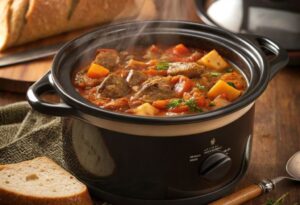
Deciding between “slow cooker low vs high” depends on what you’re cooking and how much time you have. If you’re in a hurry, “high” is your friend. It’s perfect for getting dinner on the table faster. If you have more time and want the best flavor and texture, “low” is the way to go. Consider the type of food and the result you want. This choice is key to perfect slow-cooked meals. Choosing the right setting makes all the difference in achieving the best results.
Selecting the Right Setting: Quick Guide
Choosing the correct setting can be straightforward once you understand some simple guidelines. Think about the type of food, the desired texture, and your time. A quick glance at a recipe will generally tell you which setting to use. If not, follow these tips to get started.
- Meat Cuts: For tough cuts of meat like brisket or chuck roast, use “low” for a longer period. This allows the connective tissues to break down, resulting in tender meat. For more tender cuts, “high” is usually fine.
- Beans and Grains: Cooking beans and grains on “low” for an extended time is usually best. This allows them to absorb flavors and soften properly. The same applies to rice.
- Vegetables: Vegetables can be cooked on either “low” or “high.” However, be aware that some vegetables, like carrots or potatoes, may become mushy if cooked too long on “low.”
- Soups and Stews: For soups and stews, you can start on “high” to bring the mixture to a simmer, then switch to “low” to allow the flavors to blend.
- Time Considerations: If you need a meal fast, choose “high.” If you can prepare the meal in the morning and let it cook all day, “low” is a better option.
The cooking time also changes with the setting. For example, a dish that takes 6-8 hours on “low” might only take 3-4 hours on “high.” This knowledge allows you to prepare meals to match your schedule. Some recipes provide specific instructions. Other times, you may need to adjust the cooking time based on your slow cooker’s settings and the type of food you are preparing.
Tips for Optimal Slow Cooking Results
To get the best results with your slow cooker, several extra steps can help. These aren’t complex, but they will make your meals tastier and more enjoyable. These simple steps boost flavor and texture for every meal you create. These tips enhance your meals, regardless of your choice between slow cooker low vs high. Follow these for the best results!
Enhancing Flavor and Texture
Beyond choosing the right setting, some things can make your slow-cooked meals even better. These little touches really make a difference. These are simple ways to ensure that every meal you make is delicious and perfectly cooked. They will greatly improve your results.
- Sear Meat First: Browning meat in a pan before adding it to the slow cooker improves the flavor. This process creates a richer, more complex taste.
- Add Aromatics Early: Adding onions, garlic, and herbs early on lets their flavors blend with the dish over time. This boosts the taste of your meal.
- Use Enough Liquid: Always ensure there is enough liquid in the slow cooker to prevent the food from drying out. A good rule of thumb is to have the liquid at least halfway up the sides of the food.
- Avoid Overfilling: Do not overfill the slow cooker, as this can affect the cooking process. For best results, fill it between one-half and two-thirds full.
- Don’t Lift the Lid: Resist the urge to lift the lid during cooking, as this releases heat and moisture, which can increase the cooking time.
The tips above will help improve the quality of your slow-cooked meals. By taking the extra steps and being mindful of your ingredients, you’ll enjoy meals that burst with flavor. Following these steps and making smart choices can help you create amazing dishes. These tricks will help you make a meal to be proud of.
Real-Life Examples of Slow Cooker Settings
Seeing how different recipes use the “slow cooker low vs high” settings can be helpful. These are simple, real-life examples. This provides a clear idea of how settings work. These examples show how to get the best outcomes. Use these to get started in your slow-cooking adventures.
Case Studies: Practical Applications
Here are a few examples to show how to use the settings for various dishes. These are everyday meals that many people make. They illustrate how the settings affect the final result and the meal’s cooking time. These examples demonstrate how to adjust your approach based on the recipe and your time.
- Pulled Pork: For a classic pulled pork, you’d use “low” for 8-10 hours. This slow, steady cooking makes the pork tender enough to shred easily. The long cooking time also allows the flavors to meld.
- Chicken Chili: For chicken chili, you could start on “high” for the first hour to get it simmering quickly, then switch to “low” for 4-6 hours. This gives the flavors time to develop, and the chicken becomes tender.
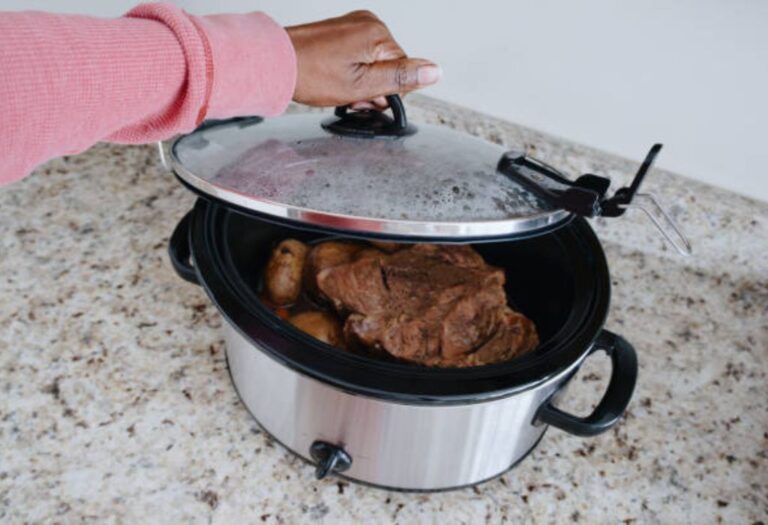
- Pot Roast: A pot roast benefits from “low” for 6-8 hours. The low heat gently cooks the beef. This leads to a juicy, tender roast that practically falls apart.
- Vegetable Soup: Start your vegetable soup on “high” for the first hour. Then turn it down to “low” for a couple more hours. This ensures the vegetables are cooked but not too mushy.
These examples provide a quick view of the cooking processes. You’ll see how various recipes can be made with different settings. These real-life examples can help you confidently apply these cooking methods in your kitchen. Learning from them can improve your cooking.
Frequently Asked Questions
Question: Can I change the setting midway through cooking?
Answer: Yes, you can switch from “high” to “low” or vice versa if needed. Adjust cooking times accordingly.
Question: Will the food burn if I leave it on “high” too long?
Answer: It’s unlikely. However, some foods can dry out or overcook if left too long on “high.” Always monitor the dish and follow recipe guidelines.
Question: Can I cook frozen meat in a slow cooker?
Answer: It’s not recommended. Frozen meat cooks unevenly in a slow cooker, which could be dangerous. Always thaw meat completely before cooking.
Question: Do I need to add extra liquid when cooking on “low”?
Answer: No, the cooking time on “low” is longer, so the food may retain its moisture better. Check the recipe and add liquid if necessary.
Question: Can I use the slow cooker for more than just stews and soups?
Answer: Absolutely! You can cook various foods, including roasts, chicken, vegetables, and even desserts, like bread pudding. Explore and have fun!
Final Thoughts
Choosing between “slow cooker low vs high” is a skill that comes with practice. Now you’ve explored the differences and how each setting impacts your meals. Remembering the type of food and the available time will make decision-making easier. By understanding the basic principles and experimenting with different recipes, you can use your slow cooker to its full potential. So, try new recipes and adjust the settings based on the dish and your schedule. Happy cooking!

I’m Emma J. Caldwell, the founder, lead writer, and home-cooking enthusiast behind KitchenGuideCo.com. With a background in culinary arts and over a decade of cooking experience in both professional and personal kitchens, I created this platform to demystify recipes, offer smart kitchen gadget reviews, and guide readers through meal prep with confidence and clarity.