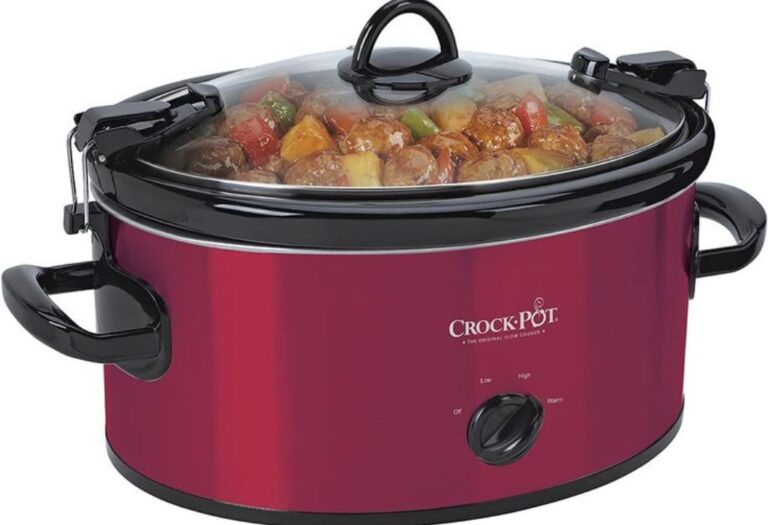
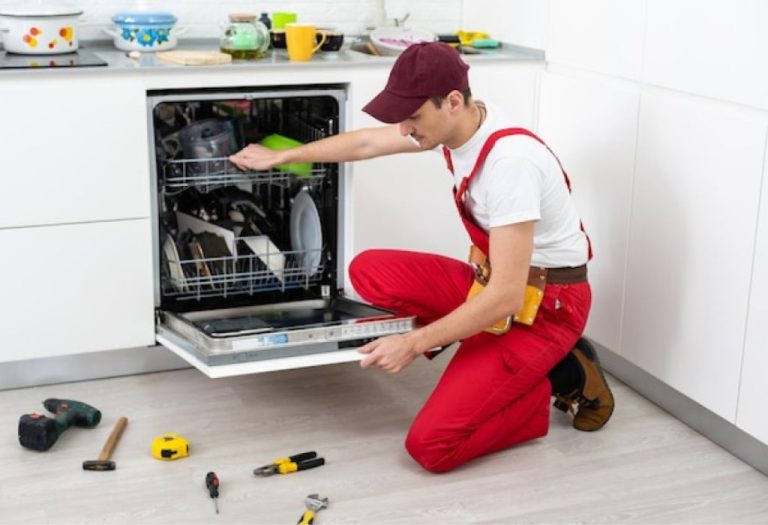
Having a slow cooker not getting hot can be super frustrating, especially when you’re counting on a delicious meal. It’s a common problem for anyone new to using these handy kitchen gadgets. There can be a few simple reasons why your cooker isn’t working as it should. Don’t worry, figuring out what’s wrong doesn’t require any special skills. We’ll explore the main causes and give you easy steps to get your slow cooker back to cooking perfectly, piece by piece.
Possible Reasons for a Slow Cooker’s Heating Issues
When you’re dealing with a slow cooker not getting hot, it’s essential to pinpoint the cause. The problem could stem from a variety of sources, ranging from simple electrical issues to internal component failures. Identifying the root cause is the first step toward getting your appliance back up and running. Common problems often relate to power supply, heating element functionality, or even the settings you’ve selected. We’ll start with the basics to ensure a systematic approach to troubleshooting.
Power Supply Problems
The very first thing to check when your slow cooker isn’t heating up is the power supply. This is a very frequent reason, and sometimes the simplest solutions are the best. Make sure your appliance has a stable connection to electricity. Check the outlet, the power cord, and the appliance itself for any visible damage. Also, ensure there isn’t a tripped circuit breaker preventing power from reaching the slow cooker.
-
- Outlet Check: Verify the outlet is working correctly. You can plug another appliance, like a lamp, into the same outlet to see if it turns on. If the lamp doesn’t work either, the outlet might be the issue.
If the outlet is the problem, it could be due to a tripped circuit breaker. Check your breaker box and reset any tripped breakers. If the outlet still doesn’t work, contact an electrician.
-
- Power Cord Examination: Inspect the slow cooker’s power cord for any visible damage. Look for cuts, frays, or any signs of wear and tear.
A damaged power cord poses a safety risk and could be preventing the slow cooker from working. If you notice any damage, do not use the slow cooker, and replace the cord or the appliance.
-
- Connection at the Appliance: Ensure the power cord is securely plugged into the slow cooker. Sometimes, a loose connection can interrupt the power supply.
Wiggle the cord gently where it connects to the slow cooker to ensure a tight fit. If it’s loose, try another power cord or replace the appliance if necessary.
Internal Component Issues
Sometimes, the issue goes a bit deeper, involving the inner workings of the slow cooker. This could mean a problem with the heating element or the temperature control mechanism. These components are responsible for generating heat and maintaining the cooking temperature. If either fails, the slow cooker may stop heating or fail to maintain the correct temperature. Diagnosing these problems might involve opening the appliance (only if you’re comfortable and know how), or it may be better to consult a professional.
-
- Heating Element Check: The heating element is what generates the heat inside your slow cooker. It’s usually a coil located at the bottom of the cooker.
If the heating element fails, the cooker won’t get hot. You can check it with a multimeter. Unplug the slow cooker, remove the inner pot, and look for any visual damage to the element like breaks or burns. If you’re not comfortable using a multimeter or working with electrical components, it’s best to consult a repair technician.
-
- Temperature Control Issues: Your slow cooker has a thermostat that regulates the temperature. If this thermostat goes bad, the slow cooker might not heat up properly or might overheat.
A faulty thermostat could result in the slow cooker not reaching the desired temperature. The thermostat can be tested with a multimeter. Again, if you are not experienced, consult a technician. It is generally not advised to attempt internal repairs on your own.
-
- Fuse Examination: Many slow cookers have a built-in fuse for safety reasons. This fuse can blow if there’s a power surge or an internal fault.
If the fuse blows, the slow cooker will not get hot. You can often locate and replace this fuse yourself, but it’s important to unplug the appliance first. If you’re not sure how to do this safely, a repair technician can help.
User Error and Simple Oversight
Sometimes, the solution to a slow cooker not getting hot is surprisingly simple. It could be an issue of user error or a mistake in the settings. Forgetting to turn on the appliance, selecting the wrong setting, or misinterpreting the cook times are common mistakes. It’s easy to overlook these basics, but double-checking them can save a lot of trouble. Also, keep in mind how the lid of the slow cooker impacts temperature.
-
- Power Button Check: It sounds basic, but many people forget to press the power button. Make sure your slow cooker is turned on.
Some slow cookers have a simple on/off switch, while others have digital controls. Verify the switch is in the “on” position or that the digital display shows that the cooker is active.
-
- Setting Review: Check the cooking setting. Make sure it’s set to “High” or “Low” (or another setting if your cooker has different settings).
If the setting is on “Warm,” it will keep the food warm but not cook it. If you have a digital slow cooker, double-check that the timer is set correctly.
-
- Lid Alignment: The lid of the slow cooker plays a key role in trapping heat. Make sure the lid is properly seated on the cooker.
A poorly seated lid can allow heat to escape, making the slow cooker less effective. The lid should create a good seal. Also, avoid opening the lid unnecessarily during cooking, as this lets heat escape and extends cook times.
More Troubleshooting Tips for a Cold Slow Cooker
If you’ve checked the basics and your slow cooker still isn’t getting hot, it’s time to dig a little deeper. Troubleshooting a slow cooker involves a systematic approach, starting with the simplest checks and progressing to more detailed inspections. It’s important to be patient and methodical as you explore the potential causes.
Safety First: Before You Start
Before you begin troubleshooting, ensure that your safety is the top priority. This involves turning off and unplugging the slow cooker. You might also want to have some basic tools on hand. This will make the entire process safer and more efficient.
-
- Unplug the Appliance: Always unplug the slow cooker from the outlet before you begin any inspection or troubleshooting.
Working on an appliance while it’s plugged in can be very dangerous. This eliminates the risk of electrical shock and injury.
-
- Let It Cool: If the slow cooker has been used recently, allow it to cool down completely before you start working on it.
This avoids the risk of burns and makes it safer to handle. Also, ensure that the heating element is cool enough to touch before proceeding.
-
- Gather Your Tools: You might need a screwdriver (usually a Phillips-head), a multimeter (for testing electrical components), and a flashlight.
These tools will help you to perform any necessary tests or inspections. Be sure to have a clear and well-lit workspace.
Step-by-Step Diagnostic Procedures
The following procedures provide a structured approach to troubleshoot a slow cooker that’s not heating. Following these steps can help identify what’s going wrong. Remember, if you’re uncomfortable with any step, especially those that involve working with electrical components, it’s best to consult a professional.
-
- Visual Inspection: Begin by carefully examining the slow cooker’s exterior.
Look for any obvious signs of damage, like cracks in the ceramic pot, dents, or burn marks. Ensure the power cord is in good condition. If the appliance has a digital display, check for any error messages.
-
- Power Cord Test: Next, check the power cord’s continuity using a multimeter.
Set the multimeter to test for continuity (usually indicated by a symbol that looks like a sound wave). Place one probe on each end of the power cord. If the multimeter shows no reading or beeps, the cord might be faulty. Replace the cord.
-
- Outlet Test: Plug the slow cooker into a different outlet that you know is working.
This will help you to rule out the possibility of a faulty outlet. If the slow cooker works in the other outlet, then the first outlet might need to be repaired.
-
- Heating Element Test: With the slow cooker unplugged, use the multimeter to check the heating element.
Set the multimeter to measure resistance (ohms). Place the probes on the two terminals of the heating element. A reading within the specified range (usually a few ohms) indicates the element is working. A reading of infinity (OL or no reading) suggests the heating element is burnt out and needs replacing.
-
- Thermostat Test: Inspect the thermostat with the multimeter.
The thermostat controls the temperature of the slow cooker. Set the multimeter to measure continuity. Test the thermostat by connecting the multimeter probes to its terminals. The multimeter should show continuity (or beep) when the dial is in the on position. No continuity means the thermostat is not working.
Common Problems and Solutions
Knowing the common issues that cause a slow cooker not getting hot can save time and effort during the troubleshooting process. Several problems occur more frequently than others, such as heating element failures or thermostat malfunctions. Understanding how to diagnose and fix these problems can enhance your ability to keep your slow cooker running smoothly.
-
- Heating Element Failure: A broken heating element is a frequent problem.
The heating element is responsible for producing heat, and damage to it can prevent the cooker from heating up. If you test the element with a multimeter and find it’s not working, you will need to replace it. Replacement often requires disassembling part of the appliance, so it’s best to consult a professional.
-
- Faulty Thermostat: The thermostat controls temperature.
A malfunctioning thermostat can prevent the slow cooker from heating properly. Testing the thermostat with a multimeter will reveal if it’s working. If the thermostat is not functioning correctly, it might have to be replaced. Consider bringing your slow cooker to a service technician.
-
- Power Cord Damage: Damage to the power cord is also a common problem.
Inspect the cord for cuts, frays, or other damage. A damaged cord can interrupt the power supply. If there is damage, the cord must be replaced. Power cords can sometimes be replaced on your own, but it depends on the design of the appliance.
-
- Blown Fuse: Many slow cookers have a built-in fuse for safety.
A blown fuse will stop the slow cooker from working. The fuse might blow due to a power surge or an internal problem. Check the fuse and replace it if necessary. If a fuse blows repeatedly, there could be a deeper internal problem.
Advanced Troubleshooting and Appliance Repair

Sometimes, the issues causing your slow cooker not getting hot might need more than basic troubleshooting. This could involve specialized tools or knowledge about appliance repair. For complex problems, seeking professional assistance can be the best option to guarantee safety and effectiveness.
When to Call a Professional
There are instances where seeking expert help is the most sensible choice. Working with electrical appliances involves inherent risks, and attempting repairs beyond your skills could cause safety hazards or further damage. Professional repair technicians have the training, tools, and experience necessary to correctly diagnose and fix complex problems. This ensures your appliance is restored correctly.
-
- Complex Electrical Issues: If you’ve identified an electrical issue, such as a faulty heating element or thermostat, but don’t feel comfortable with the repairs, seek a professional.
Electrical repairs can be dangerous if performed incorrectly. A repair technician can accurately diagnose the problem and fix it safely, ensuring the appliance works correctly and safely.
-
- Internal Component Failures: Problems with internal components, like a heating element or a damaged control board, frequently require specialized tools and expertise.
Repairing these components might involve disassembling the appliance, which could void your warranty if not done correctly. A repair technician will have the knowledge and experience to fix these problems.
-
- Safety Concerns: If you are concerned about any risk of personal harm while attempting to fix the slow cooker, contact a professional.
Your safety is the most important thing. If you find any unusual signs, like smoke or burning smells, or if you’re worried about handling the appliance, call for professional help. A professional will handle the appliance safely.
Repair or Replace? Weighing Your Options
When your slow cooker stops working, you’ll need to decide whether to repair it or to
Here’s a comparison to help you make your decision:
| Factor | Repair | Replace |
|---|---|---|
| Cost | Can be less expensive for minor issues (e.g., cord replacement). More costly for major component replacements (heating element, thermostat). | Initial expense, but can be cost-effective for old or extensively damaged units. |
| Lifespan | Extends the life of your existing slow cooker. | Offers a new appliance with a new warranty. |
| Availability | Repair times can vary depending on parts availability and technician’s schedule. | Immediate availability; you can purchase a new one right away. |
| Complexity | Requires troubleshooting and may involve specialized skills or professional help. | No need for repairs; the appliance comes ready to use. |
To help in your decision, ask yourself these questions:
- What is the Age of Your Slow Cooker?If your slow cooker is several years old, consider whether the cost of repair is worth the investment. Newer slow cookers might have better features or use less energy.
- What is the Cost of the Repair?Compare the cost of the repair to the cost of a new slow cooker. If the repair is costly, it might be more sensible to replace the appliance.
- What is the Severity of the Problem?If the problem is simple, like a loose power cord, a repair might be easy and cost-effective. But if there is a major issue, such as an internal failure, consider whether it’s worth repairing.
Frequently Asked Questions
Question: Why isn’t my slow cooker getting hot at all?
Answer: The most common causes are a tripped circuit breaker, a faulty outlet, a damaged power cord, or a problem with the heating element or thermostat. Check the power supply, then consider the inner components.
Question: How do I test if my heating element is working?
Answer: Unplug the slow cooker and use a multimeter set to measure resistance (ohms). Place the probes on the terminals of the heating element. If the reading is within the specified range (usually a few ohms), it’s working. If the reading is infinite (OL or no reading), the heating element might be damaged.
Question: What should I do if my slow cooker’s power cord is damaged?
Answer: Do not use the slow cooker. Replace the power cord or, if the damage is severe or you are not comfortable making the replacement yourself, consult a professional to replace the cord or the appliance.
Question: Can I fix my slow cooker myself?
Answer: It depends on the issue. Basic problems, like a loose power cord or a blown fuse, are frequently fixable at home. Electrical problems, like heating element or thermostat failure, might require a professional, depending on your comfort level and skill.
Question: Is it safe to use a slow cooker with a cracked ceramic pot?
Answer: No, it is not safe. Cracks in the ceramic pot can lead to uneven heating or potential electric shock. Replace the pot or, if a replacement is not available, the entire slow cooker.
Final Thoughts
When facing a slow cooker not getting hot, stay calm and tackle the issue in a structured way. Start by double-checking the easy fixes like the power supply and settings. After that, look a little deeper with simple tests. If the issue is something more involved, you might need to seek assistance from a professional. Remember that safety comes first, so if you are unsure about any steps, it’s wise to reach out to an expert. With a systematic approach and the knowledge shared, you can bring your slow cooker back to its full potential, ready for many delicious meals. Good luck, and happy cooking!

I’m Emma J. Caldwell, the founder, lead writer, and home-cooking enthusiast behind KitchenGuideCo.com. With a background in culinary arts and over a decade of cooking experience in both professional and personal kitchens, I created this platform to demystify recipes, offer smart kitchen gadget reviews, and guide readers through meal prep with confidence and clarity.