Cooking with a slow cooker can be a real game changer, but figuring out the right slow cooker settings explained can be tricky when you’re just starting. You might be worried about burning your food or not cooking it enough. Don’t stress! This guide will break down everything you need to know in a clear, easy-to-follow way. We’ll explore the basics and move through each setting, helping you become a slow cooker pro and create delicious meals every time.
What Your Slow Cooker Does and How It Works
Before you start cooking, it’s helpful to know how your slow cooker functions. It basically simmers food at a low temperature for a long time. This gentle cooking process lets flavors blend and makes tough cuts of meat tender. The beauty of a slow cooker is that you can “set it and forget it,” making it perfect for busy days. This section helps you visualize the basics so you are prepared for whatever comes next.
Understanding the Parts of a Slow Cooker
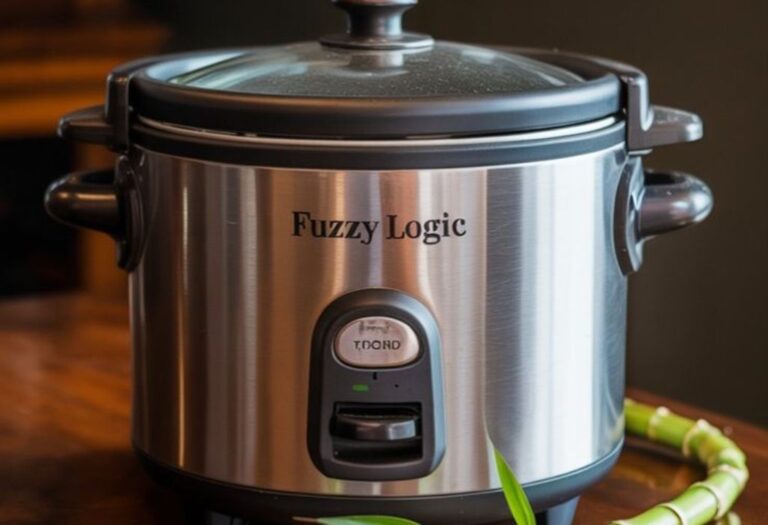
Your slow cooker is made up of a few key parts. First, there’s the ceramic or stoneware the food goes. This is often removable for easy cleaning. Then there’s the heating element at the bottom that warms up the ‘s the housing or exterior, which can vary in design but always protects the inner components. Having a visual helps you understand each function.
- The stoneware insert holds the food and distributes heat evenly, contributing to thorough cooking.
- The heating element converts electricity into heat, gently warming the food over hours.
- The lid traps steam and keeps the food moist, essential for slow cooking.
- The housing provides support and protection for the inner workings.
The type of slow cooker you have might have a few additional features, such as a warming setting or a digital timer. Knowing how these parts function helps you use your slow cooker effectively.
How a Slow Cooker Cooks Food
A slow cooker works by using low and consistent heat. Unlike a traditional oven or stovetop, the temperature doesn’t get very high, usually staying between 170°F and 300°F. This low and slow cooking method has some cool effects. It breaks down tough fibers in meats, making them super tender. It also allows flavors to meld together over time, resulting in a rich and delicious taste. Plus, since the food cooks in its own juices and steam, it stays moist. It’s like a culinary magic trick!
- The low heat setting is ideal for delicate foods or long cooking times.
- The high heat setting cooks food faster, suitable for recipes that don’t need hours to cook.
- The warming setting keeps food at a safe serving temperature after cooking is complete.
Here’s a quick example: If you’re making a pot roast, the low setting allows the meat to become fall-apart tender after 8-10 hours, while the high setting might achieve the same result in 4-6 hours. This process helps create a satisfying result.
Deciphering Slow Cooker Heat Settings
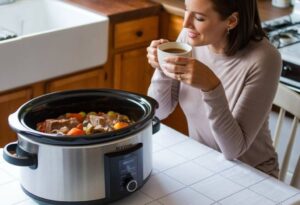
The most important part of using a slow cooker is figuring out the heat settings. Most slow cookers have at least two settings: low and high. Some have a warm setting too. It’s important to know what each setting does and when to use it to ensure your food is cooked perfectly. This section will walk you through the settings, helping you choose the right one for your recipe.
The “Low” Setting
The “Low” setting is all about patience. It’s perfect for cooking things slowly over a long period, usually 6-8 hours or even longer. This setting is great for recipes where you want the flavors to develop slowly, like stews, soups, and tough cuts of meat like brisket or chuck roast. It also helps prevent food from overcooking and becoming dry. When using the low setting, you can often leave your slow cooker unattended for extended periods.
- The low setting typically maintains a temperature between 170°F and 200°F.
- It’s ideal for dishes that benefit from extended cooking times.
- It’s perfect for recipes like pulled pork, chili, or chicken noodle soup.
Imagine you’re making a batch of chili. Starting it on low in the morning will give the flavors plenty of time to meld. The beans will become tender, and the meat will be incredibly flavorful. By dinner time, you’ll have a hearty meal ready to go with minimal effort. Slow cooking also helps break down fibrous meats, resulting in a more tender and satisfying texture. Many users enjoy the low setting for its convenience.
The “High” Setting
The “High” setting is for when you’re in a bit of a rush. It cooks food faster, typically in 3-4 hours. This setting is good for recipes that don’t require hours of simmering, like chicken breasts or some vegetables. The high setting is also useful for browning meat or heating up dishes quickly. But be careful: it can also lead to drying out your food if you cook it for too long.
- The high setting usually reaches temperatures between 280°F and 300°F.
- This setting cooks food about twice as fast as the low setting.
- It is excellent for cooking things like chicken breasts and vegetables.
If you’re making chicken, the high setting is a good way to get it cooked in a couple of hours. But be sure to keep an eye on it to avoid it drying out. As a general guide, if a recipe calls for 8 hours on low, you can usually cook it for 4 hours on high. This speed can be a time saver when you need a meal in a hurry. Understanding the differences is critical for successful cooking.
The “Warm” Setting
The “Warm” setting is your friend for keeping food at a safe serving temperature after it’s finished cooking. It’s not for cooking food; it’s only meant to keep it warm. Most slow cookers have this setting, and it’s especially helpful when you want to serve a meal over a few hours. The warm setting is safe for a few hours, but it’s not meant for hours of extended use. Remember to keep an eye on how long food stays on warm.
- The warm setting usually maintains a temperature around 140°F to 160°F.
- It’s designed to keep food at a safe serving temperature.
- This setting is perfect for keeping your meals ready to serve when guests are late.
Think about a party or a potluck. You can cook your dish on low or high, and then switch it to warm to keep it ready to eat. You can serve the dish over an extended period without worrying about it getting cold or drying out. It’s a convenient feature that makes slow cooking extra user-friendly, and it helps maintain food safety. It is important to know the warm setting.
Adjusting Cook Times and Temperatures
Cook times and temperatures can vary depending on your slow cooker, the recipe, and the ingredients you are using. Knowing how to make adjustments ensures your meals are cooked just right. This section will explore how to adjust cook times and temperatures, and the factors that influence them, so you can adapt your recipes to your preferences.
Factors Affecting Cook Times
Several things can impact how long it takes for food to cook in your slow cooker. For example, the size of the food pieces matters. Larger chunks of meat will take longer to cook than smaller ones. The type of food also has an effect. Some foods cook faster than others. The amount of liquid in the recipe and your slow cooker’s specific model also play a role. These factors influence how you use the settings on your slow cooker.
- The size and shape of food pieces affect cooking time.
- The amount of liquid in the recipe can impact cooking.
- Your slow cooker model has its temperature characteristics.
For example, a whole chicken will take longer than chicken pieces, and a recipe with more liquid will cook differently than a drier one. Always keep these things in mind. If your slow cooker runs a bit cooler or hotter than average, you may need to adjust your cooking times accordingly. Knowing these factors will help you cook food safely and perfectly.
How to Adapt Recipes for Your Slow Cooker
Many recipes are written for a specific slow cooker or model, but yours may be different. So, here are some helpful guidelines. If the recipe tells you to cook something for 6-8 hours on low, you can often cook it for 3-4 hours on high. If a recipe says to cook something on high, watch for signs of overcooking, such as dry meat. You can also reduce cooking times if needed. Try to experiment and adjust as you gain experience.
- When changing between high and low, you can usually halve the cooking time.
- Always check for doneness before the estimated cooking time.
- Consider the size and shape of the food when adjusting cook times.
You can also use a meat thermometer to check the internal temperature of meats. When trying a new recipe, it’s a good idea to start checking for doneness a little earlier than the suggested time. You can learn what your specific slow cooker does. Then, you can adjust cooking times or temperatures to create perfect meals.
Temperature Conversions
Sometimes you’ll need to convert temperatures from other cooking methods. Recipes may refer to degrees in an oven, and you’ll need to translate this to slow cooker terms. As mentioned earlier, “Low” is about 170°F to 200°F and “High” is around 280°F to 300°F. Because slow cookers cook at lower temperatures for longer times, a simple conversion won’t always work perfectly. Keep an eye on your food. Also, remember that different slow cookers have their temperature variances.
| Oven Temperature | Slow Cooker Setting | Approximate Cook Time |
|---|---|---|
| 300°F (150°C) | Low | 6-8 hours |
| 350°F (175°C) | High | 3-4 hours |
| 400°F (200°C) | N/A (Not Suitable) | N/A |
As you can see, you can’t easily match all oven temperatures in a slow cooker. You’ll have to adapt the recipe. If a recipe calls for browning meat in a pan, be sure to do that first. This is a key step to ensure that the dish has enough flavor.
Tips for Better Slow Cooking
With these tips, you can transform your slow cooking skills. From choosing the best recipes to avoiding common problems, this section gives practical advice to enhance your slow cooking and create meals with consistent success. Try these techniques.
Choosing the Right Recipes
Not every recipe is suited for a slow cooker. The best recipes for slow cookers are those that benefit from long, low cooking times. Think stews, soups, and dishes with tough cuts of meat. Avoid recipes that require a lot of rapid cooking, like some vegetables that can become mushy. Look for recipes designed for slow cookers, or recipes that can easily be adapted. Using the correct recipe ensures the best possible outcome.
- Good slow cooker recipes usually include liquid.
- Focus on recipes with long cooking times.
- Consider the ingredients when choosing recipes.
For example, slow cookers are perfect for making pulled pork or beef stew. On the other hand, a simple pan-fried salmon recipe is likely better suited for the stovetop. When choosing recipes, think about ingredients. Many vegetables don’t hold their form. Also, it’s best to avoid adding delicate herbs until the end to prevent them from losing their flavor. Choosing appropriate recipes will help you become a successful slow cooker chef.
Essential Slow Cooking Safety
Food safety is crucial when using a slow cooker. Make sure you are handling food safely. Always use a food thermometer to check the internal temperature of meats. Also, be careful when handling hot pots and lids. Always wash your hands before and after touching food. Following these safety tips will help you create a safe and enjoyable cooking experience.
- Always wash your hands before and after handling food.
- Make sure meat reaches a safe internal temperature.
- Be careful when handling hot pots and lids.
For example, be sure to cook chicken to an internal temperature of 165°F (74°C). This rule applies to any kind of poultry. Also, it’s a good practice to avoid placing cold or frozen foods directly into the slow cooker. Thaw them first to help them cook safely and evenly. You can also pre-heat the slow cooker and ensure that it’s up to temperature. Always monitor the food.
Common Mistakes and How to Avoid Them
Even experienced cooks make mistakes. Overcrowding your slow cooker can lead to uneven cooking. Lifting the lid too often lets heat escape and extends the cooking time. Not browning meat before adding it to the slow cooker reduces flavor. Knowing these common errors and how to avoid them will improve your slow cooking skills. Remember, it can take practice.
- Avoid overcrowding your slow cooker.
- Resist lifting the lid during cooking.
- Brown meat before adding it to the slow cooker for added flavor.
One common mistake is overcrowding the slow cooker. It’s better to cook in batches. Another common mistake is lifting the lid too often. It’s best to keep the lid on to maintain the proper temperature. You should also take steps to avoid undercooking meats. It can be a challenge at first, but with practice, you will master the slow cooker.
Frequently Asked Questions
Question: Can I put frozen food directly into my slow cooker?
Answer: It’s generally not recommended to put frozen food directly into your slow cooker. It can take too long to reach a safe internal temperature, increasing the risk of bacterial growth. It’s best to thaw food before slow cooking.
Question: How much liquid should I add to a slow cooker recipe?
Answer: You usually need to add enough liquid to cover the ingredients, or at least a good portion of them. This is especially important for recipes that will cook for many hours. The amount can vary depending on the recipe, but usually, a good start is to cover most of the ingredients.
Question: Can I leave my slow cooker unattended?
Answer: Yes, you can usually leave your slow cooker unattended. It is designed to cook food safely over long periods. Just make sure you follow the safety guidelines.
Question: What’s the difference between “Low” and “High” settings?
Answer: The “Low” setting cooks food at a lower temperature and usually takes about 6-8 hours. The “High” setting cooks at a higher temperature, usually cooking food in 3-4 hours.
Question: How do I know when my food is done in a slow cooker?
Answer: Use a food thermometer to check the internal temperature of your food, especially meat. Many slow cooker recipes provide recommended cooking times, but always verify for yourself that your food is cooked through. The exact cooking time can vary, so always confirm with a thermometer.
Final Thoughts
Now that you know how to use your slow cooker, you can create delicious, satisfying meals with ease. Remember, the key to great slow cooking is understanding the settings and knowing how they affect your food. Start by familiarizing yourself with the “Low,” “High,” and “Warm” settings. Adapt your cooking times based on the recipe and ingredients, and always prioritize food safety. Embrace the convenience and the ability to cook without stress. Experiment with different recipes, try new flavors, and enjoy the process. Happy cooking, and get ready for a world of effortless, home-cooked meals!

I’m Emma J. Caldwell, the founder, lead writer, and home-cooking enthusiast behind KitchenGuideCo.com. With a background in culinary arts and over a decade of cooking experience in both professional and personal kitchens, I created this platform to demystify recipes, offer smart kitchen gadget reviews, and guide readers through meal prep with confidence and clarity.