Figuring out a slow cooker temperature guide can feel tricky when you’re starting. Different recipes, different cookers – it seems like there are so many things to consider! But don’t worry, it’s easier than you think. This guide will simplify everything. You’ll learn how to get perfect results every time, step by step. We’ll start with the basics, then move on to more detailed information about low, high, and even keep-warm settings. Get ready to cook like a pro!
Understanding Slow Cooker Basics
Before exploring specific temperatures, it’s helpful to grasp how a slow cooker operates. These appliances use gentle, consistent heat over a long period. This method breaks down tough fibers in meats and allows flavors to meld beautifully. They’re generally considered easy to use, but the cooking duration and setting are often what people struggle with most. Also, many slow cookers include a warming function that keeps the food at a safe temperature after it’s done cooking.
The Low Setting
The low setting on a slow cooker generally ranges from 190°F to 200°F (88°C to 93°C). This setting is ideal for recipes that require longer cooking times, typically 6 to 8 hours or even longer. The lower temperature allows ingredients to slowly soften and flavors to fully develop. Using the low setting is preferable for tenderizing tougher cuts of meat like brisket or chuck roast. It’s also suitable for dishes that contain more delicate ingredients, as they are less likely to overcook.
- Ideal for Long Cooking: The low setting is perfect for recipes that benefit from long, slow cooking, such as stews, soups, and pulled pork.
- Gentle Tenderizing: It helps tenderize tougher cuts of meat, ensuring they are fall-apart tender.
- Flavor Blending: Allows flavors to meld and deepen over time, creating richer and more complex dishes.
- Slower Evaporation: Slow cooking on low minimizes the evaporation of liquids, which keeps the food from drying out.
Example:
Imagine you want to make a pot roast. You put the roast in the slow cooker with some vegetables and broth in the morning. Using the low setting, by dinner time, the meat is incredibly tender, and the vegetables are perfectly cooked without being mushy.
The High Setting
The high setting typically ranges from 280°F to 300°F (138°C to 149°C). This is your go-to for recipes that need to be ready faster, usually in 3 to 4 hours. The higher heat accelerates the cooking process, making it suitable for dishes like chili, chicken, and some types of vegetables. While it’s quicker, keep in mind that the high setting can sometimes lead to food drying out if it’s left unattended for too long. Monitor the moisture levels and add extra liquid if needed.
- Quicker Cooking Times: Great for recipes that need to be ready in a shorter time, like weeknight meals.
- Suitable for Many Ingredients: Works well with a variety of ingredients, including chicken, beans, and some vegetables.
- Faster Flavor Development: While not as slow as the low setting, flavors still develop nicely.
- Watch for Overcooking: Keep an eye on moisture levels, as food can dry out faster on the high setting.
Example:
Suppose you have chicken breasts and want to make chicken tacos. Using the high setting, you can cook the chicken in the slow cooker with some spices and salsa. In about three hours, the chicken will be cooked, and you can easily shred it for your tacos.
Delving Deeper into Temperature Settings
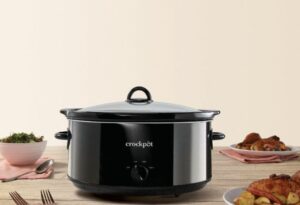
Knowing the basics of low and high is a great start, but the specific temperatures within your slow cooker and the type of food you are cooking also matter. This section will explore the variations in temperatures and how they relate to cooking results. This information helps you cook to your perfect taste preference.
Variations in Slow Cookers
Not all slow cookers are created equal. The temperature settings can vary slightly between different brands and models. Even if two slow cookers are set to “low,” the actual temperature inside the pot can differ by a few degrees. The shape and construction of the cooker impact heat distribution. Some models also have temperature probes, allowing for more precise cooking. It’s important to learn your specific slow cooker’s behavior. The best practice is to start with the recommended cooking times in the recipe and then adjust based on your cooker.
- Check the Manual: Your slow cooker’s manual has specific temperature information for its settings.
- Test with Water: You can check the temperature accuracy by placing water inside and using a separate thermometer.
- Consider the Size: Larger slow cookers might take longer to heat up.
- Monitor Cooking: Pay attention to how your food cooks to adjust for future recipes.
Statistic: Research indicates that the variance in slow cooker temperatures can sometimes lead to differences of up to 20°F (11°C) between cookers set to the same setting.
Keep-Warm Function
Most slow cookers include a keep-warm function. This setting typically holds food at a temperature between 165°F (74°C) and 170°F (77°C). The keep-warm setting isn’t designed for cooking, but rather for keeping cooked food safe to eat and at a suitable temperature until you’re ready to serve. You can use it when you’ve finished cooking and need to hold the meal for an hour or so. This is a very useful feature for gatherings.
- Safe Holding Temperature: Keeps food above the danger zone for bacterial growth.
- Not for Cooking: The keep-warm setting is not suitable for cooking raw ingredients.
- Time Limit: It’s best not to keep food on warm for more than a few hours to maintain quality.
- Prevents Overcooking: Prevents food from drying out or becoming overcooked after it’s ready.
Temperature Guide for Various Foods
Knowing the right temperature and time for different foods is where you’ll really become a slow cooker pro. Different ingredients require unique temperatures to cook properly. Some ingredients need gentle heat to tenderize, while others cook relatively quickly. This section will look at specific foods and the settings that work best.
Cooking Meats
Meat is a popular choice for slow cooking. The right temperature and time are vital to achieve tender, flavorful results. Tougher cuts of meat like brisket and chuck roast benefit from the low setting over a long period, which breaks down the connective tissues and makes the meat very tender. More delicate meats, such as chicken or pork tenderloin, can be cooked on the high setting, but it’s important to monitor them carefully to avoid them drying out. Adding liquid, such as broth or sauce, helps keep the meat moist.
- Beef: Tough cuts like brisket and chuck roast on low for 6-8 hours or high for 3-4 hours.
- Chicken: Chicken breasts or thighs on low for 4-6 hours or high for 2-3 hours.
- Pork: Pork shoulder on low for 6-8 hours or high for 3-4 hours for pulled pork.
- Game Meats: Wild game often needs lower, longer cooking times to become tender.
Example:
Imagine you’re preparing a beef stew. You would use the low setting for about 8 hours. The long, slow cooking process allows the beef cubes to become tender, and the vegetables soak up the flavorful juices, creating a hearty meal.
Vegetables and Grains
Vegetables and grains cook well in a slow cooker, but it’s key to understand their different needs. Some vegetables, such as root vegetables (carrots, potatoes), can withstand longer cooking times on low. Other vegetables, like leafy greens, should be added near the end of the cooking time to avoid overcooking and becoming mushy. Grains, such as rice or barley, also cook well in the slow cooker, but require a specific ratio of liquid to grain to prevent them from drying out or becoming too soft.
- Root Vegetables: Carrots, potatoes, and parsnips can be cooked on low for several hours.
- Leafy Greens: Spinach or kale should be added during the last 30-60 minutes on low.
- Rice: Cook rice on low with the right liquid-to-rice ratio, usually for 2-3 hours.
- Pasta: Add pasta during the last 30 minutes on low, to keep the pasta from getting overcooked.
Statistic: Studies show that slow cooking preserves more nutrients in vegetables compared to other cooking methods, particularly water-soluble vitamins.
Making Soups and Stews
Slow cookers are perfect for making soups and stews. They allow flavors to combine. Soups often benefit from long, slow cooking to fully develop the flavors of the meat, vegetables, and herbs. For a hearty stew, you can brown the meat first to create richer flavors, then add it to the slow cooker with vegetables and broth. The low setting is usually preferred to extract maximum flavor and allow the ingredients to meld. Also, they’re great for making big batches.
- Brown Meat: Before adding to the slow cooker, brown the meat to enhance the flavor.
- Add Ingredients: Combine the meat, vegetables, broth, and herbs.
- Cook on Low: Cook on low for 6-8 hours for soups and stews.
- Adjust Seasoning: Season to taste at the end, as the flavor intensifies.
Slow Cooker Temperature Guide: Tips and Tricks
Now that you know how to use the temperatures, we can explore tips and tricks that will help you achieve the best results. These tips will address common issues such as food drying out or uneven cooking. Practical tips like these will improve your slow cooking skills.
Prepping Your Ingredients
How you prepare your ingredients makes a big difference. Searing meat before slow cooking adds flavor. Cutting vegetables into uniform sizes ensures they cook evenly. Adding liquids is critical to preventing food from drying out. Proper preparation sets the stage for success. You can also layer ingredients. For example, place vegetables at the bottom and meat on top, which allows the meat to baste as it cooks.
- Sear Meat: Searing the meat adds depth of flavor before slow cooking.
- Uniform Cuts: Cut vegetables in similar sizes for even cooking.
- Add Liquids: Always add liquid to prevent drying, like broth or water.
- Layer Ingredients: Place harder ingredients at the bottom, softer on top.
Scenario:
Imagine you’re making a beef stew. First, sear the beef cubes in a pan to get a nice brown crust. Then, place chopped onions, carrots, and potatoes in the slow cooker, top with the seared beef, and add beef broth. By cooking this way, you improve the taste, and make it easier to clean.
Adding Liquids and Liquids
Liquids are essential for slow cooking. They create steam that helps cook the food evenly and prevent it from drying out. Using the right amount of liquid is critical. Too little, and the food will dry out or stick to the sides of the cooker. Too much, and your stew or soup might become watery. You can experiment, but generally, at least one cup of liquid is needed for a standard slow cooker recipe. You can also use broth for added flavor.
- Broth and Water: Use water, broth, or other liquids to prevent drying.
- Amount to Use: Generally, use at least one cup of liquid per recipe.
- Reduce Liquids: If you want a thicker sauce, you can reduce the amount of liquid.
- Adjust as Needed: Monitor the liquid levels and add more if needed.
Adapting Recipes
Recipes are a great starting point, but you might need to adjust them. Adjustments are often necessary based on your slow cooker, the ingredients you’re using, and your taste preferences. If a recipe calls for the high setting and you want to use the low setting, you may need to double the cooking time. It’s also important to consider your ingredients. For instance, tougher cuts of meat require longer cooking times. Also, you should always monitor the food, even if you are using a temperature guide.
| Recipe Consideration | Adjustment |
|---|---|
| High to Low Setting | Double the cooking time. |
| Tougher Cuts of Meat | Use low for longer. |
| Drying Out | Add more liquid. |
Frequently Asked Questions
Question: Can I put frozen food directly into the slow cooker?
Answer: It’s best to thaw frozen food before slow cooking it. Frozen food takes longer to reach a safe internal temperature, which can increase the risk of bacterial growth. If you must use frozen ingredients, add extra cooking time.
Question: Does the lid need to be on the slow cooker during cooking?
Answer: Yes, always cook with the lid on. The lid helps trap heat and moisture, which is essential for proper cooking. Lifting the lid frequently releases heat and extends the cooking time.
Question: Can I check the food by lifting the lid during cooking?
Answer: Try to avoid lifting the lid, because it reduces the cooking temperature significantly. If you must check, do it quickly and replace the lid promptly.
Question: What’s the best way to prevent food from sticking to the slow cooker?
Answer: Using a slow cooker liner can help prevent sticking. Another tip is to spray the inside of your slow cooker with cooking spray before adding your ingredients.
Question: Is it safe to leave the slow cooker unattended?
Answer: Yes, it is generally safe to leave your slow cooker unattended once the food is cooking. However, always follow the manufacturer’s instructions and never leave a malfunctioning appliance unattended.
Final Thoughts
The slow cooker temperature guide is a fantastic tool to have. Now that you have learned about the settings, variations, and tips, you’re prepared to cook some delicious meals. Whether you’re making a hearty stew or a tender roast, knowing the right temperature and cooking time is key to success. Remember to consider your specific slow cooker, the ingredients you’re using, and your taste preferences. Start with the basics and make any adjustments you need. With a little practice, you’ll master slow cooking in no time. So, gather your ingredients, set the temperature, and enjoy the wonderful flavors your slow cooker produces! Happy cooking!

I’m Emma J. Caldwell, the founder, lead writer, and home-cooking enthusiast behind KitchenGuideCo.com. With a background in culinary arts and over a decade of cooking experience in both professional and personal kitchens, I created this platform to demystify recipes, offer smart kitchen gadget reviews, and guide readers through meal prep with confidence and clarity.