Figuring out the difference between a slow cooker vs crock pot can be a little confusing when you’re just starting out in the kitchen. Many people use the terms interchangeably, which can lead to mixed-up recipes or unexpected results. Don’t worry, it’s simpler than you might think! This guide will break down the real distinctions and help you become a slow-cooking pro, step by step. We’ll explore everything you need to know to choose the perfect appliance for your cooking needs.
What Exactly Is a Slow Cooker?
A slow cooker is an electric kitchen appliance used to simmer food at a low temperature over an extended period. This method allows tough cuts of meat to become tender, and flavors to meld together beautifully. They’re excellent for busy individuals who want a hot, home-cooked meal without spending hours in the kitchen. They typically consist of a ceramic or stoneware pot that sits inside a heating unit, with a lid to trap steam and heat. The low and consistent heat ensures even cooking without constant monitoring.
Origins and Evolution
The slow cooker has a rich history, dating back to the early 1970s. The original design was created to help people cook meals while they were away from home. Over time, the design has evolved, with the introduction of digital controls, timers, and various sizes and shapes. Today, you can find slow cookers with programmable settings, keeping food warm features, and even smart capabilities that allow you to control them remotely. This progression highlights the appliance’s growing popularity and its adaptation to the needs of modern cooks.
- The “Nifty Fifty”: The first slow cooker was invented by Irving Naxon in the late 1930s. He later developed it for the market in the early 1970s. It was designed to cook dried beans.
- Rise in Popularity: Slow cookers became extremely popular in the 1970s, as they offered a convenient way to cook meals while working.
- Modern Features: Nowadays, slow cookers have advanced features, including digital timers, multiple heat settings, and smart connectivity.
Key Components and Features
Understanding the core elements of a slow cooker is essential. The main parts are the outer housing, which contains the heating element; the removable cooking pot, which usually is made from ceramic or stoneware; and the lid, usually made of glass. Digital models often feature a control panel for setting cooking times and temperatures. Some offer settings like “low,” “high,” and “warm,” while others give you more specific temperature controls. Features like automatic shut-off and delayed start timers add extra convenience and safety.
- Heating Element: This is the heart of the slow cooker, providing consistent, gentle heat.
- Removable Pot: Made of ceramic or stoneware, this pot is designed to withstand high temperatures and cook food evenly. It also makes cleanup easy.
- Lid: Typically made of glass, the lid traps steam and heat, which helps the food cook.
- Control Panel: This is where you adjust the settings such as time and temperature.
The Crock-Pot: The Name and the Brand
The term “Crock-Pot” is often used as a general term for all slow cookers. However, it is actually a brand name. The original Crock-Pot was introduced in 1971 by the Rival Manufacturing Company. It quickly became the leading brand and popularized the appliance. While the basic function of a Crock-Pot is the same as other slow cookers – to cook food slowly – the brand has cultivated a strong reputation for quality and reliability, contributing to its widespread recognition and the common misuse of its name.
The Story Behind the Brand
The Crock-Pot’s story is one of innovation and effective marketing. The initial idea was rooted in a specific cooking need, and its design offered a simple and efficient way to make meals. The brand’s success was greatly helped by its early-mover advantage. The Crock-Pot quickly became a household name. This success highlights how a well-designed product and smart marketing can establish a brand as a culinary staple.
- Early Marketing: The Rival Company focused on how easy the appliance was. They advertised it as a simple, convenient way to cook meals at home.
- Building a Reputation: The Crock-Pot’s quality and performance helped to build a strong reputation.
- Brand Name Becomes Generic: Because of the Crock-Pot’s popularity, the term “Crock-Pot” is often used to describe slow cookers.
Key Features of a Crock-Pot
While the basic function of a Crock-Pot remains the same, the company has added new features. Modern Crock-Pots come with different sizes, shapes, and features. They also offer digital controls, programmable settings, and smart features that can connect to your smartphone. The company has a wide variety of models. This allows consumers to pick one that fits their cooking style and needs.
- Various Sizes: Crock-Pots come in various sizes, from small to large. This lets you choose the perfect size for your family.
- Digital Controls: Many models have digital controls, which allow you to set the cooking time and temperature.
- Programmable Settings: Some Crock-Pots offer programmable settings that let you cook meals while you’re away.
- Smart Features: Some models can connect to your smartphone, allowing you to control and monitor the cooking process.
Slow Cooker vs Crock Pot: Unpacking the Differences
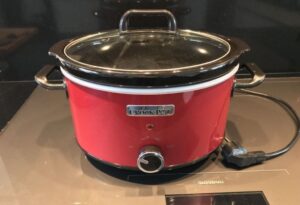
The main difference between a slow cooker and a Crock-Pot is that a Crock-Pot is a brand name. In practice, the terms are often used interchangeably. There are no fundamental functional differences between a Crock-Pot and other slow cookers. All slow cookers function by heating food at a low temperature over an extended period, leading to tender, flavorful results. However, different brands may offer different features, build quality, and price points.
Core Functionality
The core function of both a slow cooker and a Crock-Pot is the same: to cook food slowly and consistently. The low and even heat ensures that ingredients are cooked gently, which helps flavors develop fully. Both appliances typically have three main settings: low, high, and warm. They provide a simple, hands-off approach to cooking. This is great for recipes that require long cooking times, like stews, soups, and roasts.
- Low Setting: Designed for slow cooking over a longer period. This is ideal for recipes that need several hours to cook.
- High Setting: Cooks food faster than the low setting. Often used for recipes that take less time.
- Warm Setting: Keeps food at a safe serving temperature after cooking. This keeps the food warm.
Features Comparison
Though functionality remains consistent, the features offered can vary between different models of slow cookers and Crock-Pots. Some have basic analog controls with low and high settings, while others have digital timers, multiple temperature settings, and even smart features that connect to your phone. These extra features offer different levels of convenience and control. It helps to match the appliance with your cooking style and needs.
| Feature | Slow Cooker | Crock-Pot |
|---|---|---|
| Brand | Generic | Brand name |
| Basic Controls | Yes | Yes |
| Digital Controls | Often | Often |
| Programmable Settings | Sometimes | Sometimes |
| Smart Features | Limited | Some models |
Practical Considerations
When selecting a slow cooker, size, materials, and price are things to consider. Size is important, depending on the size of your family and the types of meals you typically cook. Ceramic or stoneware pots are common and cook food evenly. The price can vary depending on the features and brand. Considering these things will help you make a good decision when you choose a slow cooker.
- Size: Choose a size based on how many people you will be cooking for.
- Materials: Consider the materials used in the pot. Ceramic and stoneware pots are common.
- Price: Prices vary depending on the features and brand. Set a budget to help you choose one.
Choosing the Right Appliance
To pick the perfect slow cooker, consider your cooking needs and your budget. Think about the types of meals you like to make, the size of your household, and how often you will use the appliance. Consider the features. If you need it to be easy to use, you might prefer a model with simple controls. If you like more control, look for a model with more settings and digital controls.
Assessing Your Cooking Style
Your cooking habits significantly affect your choice. If you cook for a large family or often entertain, a larger slow cooker will be a better fit. If you are cooking for one or two people, a smaller model might suffice. Your cooking preferences also play a role. If you like making complex dishes, you might want more features and more control. If you prefer simple meals, basic settings will probably be fine.
- Family Size: Pick a size that matches the number of people you typically cook for.
- Cooking Frequency: Consider how often you’ll use it. If you use it a lot, get one with extra features.
- Recipe Types: If you cook complicated dishes, get one with digital controls and extra features.
Budget and Features
The price of slow cookers can range. It’s important to set a budget before you start shopping. You should decide what features are most important to you, like digital controls, programmable settings, or smart features. More features mean a higher price. Setting a budget will help you narrow down your choices and find an appliance that meets your needs.
- Set a Budget: Determine how much you are comfortable spending.
- Prioritize Features: Decide which features you need.
- Compare Models: Look at different models that fit your budget and features. Read reviews before buying.
Maintenance and Care
Caring for your slow cooker is straightforward. You should always unplug it before cleaning. The removable cooking pot and lid are often dishwasher-safe, which makes cleanup easy. You should wipe down the exterior of the base with a damp cloth. Never submerge the base in water. Regular maintenance keeps your slow cooker working well for years. By following a few simple steps, you can prolong the life of your appliance.
- Unplug Before Cleaning: Always unplug the slow cooker before cleaning it.
- Dishwasher-Safe Parts: The cooking pot and lid are often dishwasher-safe.
- Wipe Down the Base: Wipe the exterior of the base with a damp cloth.
- Avoid Submerging Base: Never put the base in water.
Frequently Asked Questions
Question: Is a Crock-Pot the same as a slow cooker?
Answer: Yes and no. “Crock-Pot” is a brand name, but the term is often used to refer to any slow cooker. All Crock-Pots are slow cookers, but not all slow cookers are Crock-Pots.
Question: How do I choose the right size slow cooker?
Answer: Consider the number of people you usually cook for. A 6-quart slow cooker is generally good for families. Smaller options are ideal for singles or couples.
Question: Can I put frozen food in a slow cooker?
Answer: It’s generally safe, but cooking times may change. It’s often better to thaw food before cooking for even results.
Question: How long does it take to cook food in a slow cooker?
Answer: Cooking times vary depending on the recipe and the heat setting. Low settings usually take 6-8 hours, while high settings take 3-4 hours.
Question: What are the main differences between a slow cooker and an Instant Pot?
Answer: A slow cooker cooks food slowly over a long period, while an Instant Pot is a multi-cooker. An Instant Pot can also pressure cook, sauté, steam, and more.
Final Thoughts
The core of the matter is straightforward: the term “slow cooker” describes the appliance, while “Crock-Pot” is a well-known brand within that group. Your choice between a slow cooker vs crock pot really comes down to what features you need and what brand you prefer. They both offer a simple, hands-off way to make delicious meals. By understanding their simple operations and what they offer, you can find the perfect appliance that fits your cooking habits. So, explore different models, look into the features that you need, and pick one that gets you excited about cooking! Happy cooking!

I’m Emma J. Caldwell, the founder, lead writer, and home-cooking enthusiast behind KitchenGuideCo.com. With a background in culinary arts and over a decade of cooking experience in both professional and personal kitchens, I created this platform to demystify recipes, offer smart kitchen gadget reviews, and guide readers through meal prep with confidence and clarity.