Modern dishwashers rely on precise water distribution to clean dishes effectively, and the diverter motor plays a key role in this process.
When something goes wrong, people often notice dishes coming out dirty, spray arms not rotating or water pooling inside the appliance.
These subtle signs create confusion because the dishwasher looks like it is running normally, yet the results tell a different story.
The diverter motor controls where water flows inside the dishwasher, guiding it to the upper or lower spray arms depending on the wash cycle. When the motor malfunctions, the dishwasher loses its ability to direct water correctly.
This leads to performance issues that many homeowners misinterpret as pump problems, clogs or detergent issues.
Because the diverter is hidden beneath the dishwasher, most users never think about it until something stops working. Troubleshooting the motor requires patience, observation and a clear understanding of how each component interacts.
With the right steps, even complex diverter issues become easier to diagnose and fix without unnecessary guesswork.
What a Dishwasher Diverter Motor Actually Does
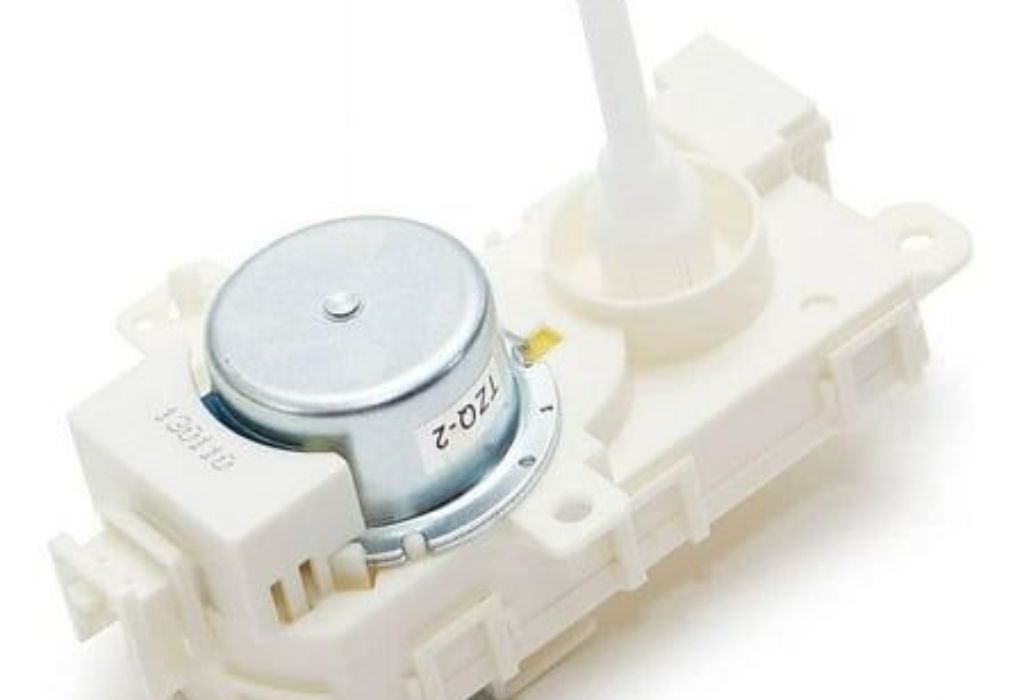
The diverter motor regulates the flow of water between the spray arms. It turns a valve inside the dishwasher that opens and closes different pathways. This ensures water reaches the correct spray arm at the right time.
Some dishwashers alternate spray arms during each cycle. The diverter motor controls this rotation to improve cleaning efficiency. When the motor fails, water may only reach one spray arm or none at all.
Dishwashers with zone cleaning rely heavily on precise diverter control. The motor helps direct water to specific areas depending on load size and soil level. A faulty diverter disrupts this targeting and reduces cleaning performance.
The diverter works closely with sensors and the main control board. These components send signals telling the motor when to open or close. If communication fails, the diverter can remain stuck in one position.
Certain models include diverter feedback sensors. These sensors monitor the motor’s movement to confirm proper operation. If the motor cannot move correctly, the dishwasher may show an error code.
Understanding the diverter’s function helps identify the cause of washing inconsistencies. Many users blame pump or spray arm issues when the diverter is actually responsible. Knowing its role provides clearer direction during troubleshooting.
A properly functioning diverter motor ensures consistent pressure throughout the appliance. This pressure is essential for removing food residue and achieving clean dishes. When the motor fails, cleaning results drop noticeably.
Common Symptoms of a Faulty Diverter Motor
A common sign of diverter motor failure is poor cleaning performance. Dishes may come out dirty even when detergent and loading are correct. This happens because water is not reaching all spray arms effectively.
Another symptom is a spray arm that does not spin. When water fails to flow through the arm, it loses pressure. This prevents it from rotating and spreading water throughout the dishwasher.
Unusual noises often accompany diverter issues. Grinding, clicking or humming may occur as the motor struggles to turn the internal valve. These sounds usually come from the bottom of the appliance.
Some dishwashers display error codes. These codes relate to diverter position, motor feedback or circulation problems. Checking the manual reveals what each code means for your specific model.
A diverter problem may also cause water to pool at the bottom. If the valve stays partially closed, water cannot circulate properly. This leads to backup and standing water after the cycle.
Cycles taking longer than usual can indicate diverter failure. Dishwashers compensate for low water distribution by extending wash times. Longer cycles often signal that water isn’t flowing as expected.
Water marks, residue or partially cleaned zones inside the dishwasher also suggest diverter problems. When water fails to reach certain areas, dirt remains behind. These patterns help identify where the diverter might be stuck.
Why Diverter Motors Fail Over Time
Diverter motors often fail due to wear on internal gears. These gears turn constantly during cycles and experience friction. Over time, the friction weakens the teeth and causes slipping.
Moisture is another common factor. Even though the motor is sealed, humidity and condensation gradually seep into the housing. This moisture affects electronic components and leads to failure.
Detergent buildup around the diverter valve creates resistance. When residue builds up, the motor must work harder to move the valve. This stress causes premature motor wear.
Electrical surges can damage the motor circuitry. Power interruptions or faulty wiring send irregular currents to the motor. These fluctuations can cause short circuits or burnt components.
Loose wiring also contributes to diverter motor issues. When connectors become weak, the motor loses consistent power supply. This causes erratic movement and eventual failure.
The motor bearings may also wear down. Bearings help the motor turn smoothly during operation. When worn, the motor begins to drag and overheat.
Some dishwashers use plastic diverter components. These parts become brittle with age and heat exposure. Once they crack, the motor cannot move the valve correctly.
Safety Steps Before Troubleshooting the Motor
Before working on any dishwasher component, safety must always come first. Dishwashers combine water and electricity, making proper precautions essential. Disconnecting power prevents accidental shocks during troubleshooting.
The safest method is turning off the dishwasher’s circuit breaker. This fully stops electrical flow and ensures you can access the motor area without risk. Never rely only on the dishwasher’s control panel because it may not cut all power.
Once the power is off, shut the water supply valve leading to the dishwasher. This prevents accidental leaks while inspecting internal components. Keeping both electricity and water off allows safer movement around tight spaces.
It is also important to remove all dishes from inside the appliance. Loose utensils or plates can interfere with inspection. Clearing the interior ensures you can reach the diverter area without obstacles.
Protective gloves help prevent cuts from metal edges. Dishwashers contain sharp brackets and internal panels that can cause injury. Gloves make it easier to work confidently around these components.
A flashlight is useful for looking inside the lower base area. The diverter motor sits deep within the appliance and requires strong lighting for clear visibility. Proper lighting helps identify leaks, loose wires or damaged parts.
Following these safety steps creates a secure environment for troubleshooting. It reduces risk and ensures you can focus on diagnosing the diverter motor correctly. Safe preparation leads to better repair results.
Locating the Diverter Motor Inside the Dishwasher
The diverter motor is positioned near the bottom of the appliance. It typically sits underneath the tub, close to the sump assembly. This area directs water into the spray arms and houses several key components.
Removing the lower toe panel gives access to the internal compartment. The diverter motor usually appears as a small round or rectangular unit attached to a valve. Manufacturers often place it beside the circulation pump for convenience.
Many dishwashers place the motor inside a plastic housing. This housing protects the motor from moisture and food debris. Identifying it requires looking for wires leading to a small rotating mechanism.
Some brands attach the diverter motor directly to the sump. In this design, the motor connects to a diverter disc inside the sump area. Turning the disc changes the water flow path during cycles.
A wiring harness connects the motor to the main control board. This harness often includes two or three wires depending on the model. Following these wires helps confirm the motor’s exact position.
If the dishwasher includes a base pan, accessing the motor may require lifting the appliance slightly. This step reveals water trails or puddles under the sump area. These clues help pinpoint whether the diverter motor is leaking or malfunctioning.
Locating the motor makes the next troubleshooting steps easier. Once identified, you can begin testing its movement, wiring and response to signals. Accurate location ensures efficient and correct diagnosis.
Checking for Error Codes and Diagnostic Mode
Many modern dishwashers include diagnostic modes that reveal diverter-related issues. Entering this mode allows the control board to run tests on electrical components. These tests help narrow down the source of the problem without guessing.
Error codes often appear on the display panel. Each code corresponds to a specific issue, such as diverter position failure or motor feedback error. Checking the manual explains what each code means for your model.
Some dishwashers use blinking lights instead of codes. These lights indicate faults in consistent patterns. Counting the blinks reveals the component needing attention.
Running diagnostic mode activates the diverter motor repeatedly. The machine checks whether the motor rotates correctly and responds to commands. If the motor stalls or moves inconsistently, the dishwasher records a fault.
Certain models produce a clicking sound during diagnostics. This sound is normal when the diverter changes position. Silence or grinding noises indicate internal problems.
Diagnostic tests also check the electrical continuity between the control board and motor. Failed communication results in specific error messages. These messages point to wiring or control board issues.
Knowing how to read error codes saves time during troubleshooting. It helps eliminate guesswork and directs your attention to the real cause. Proper interpretation brings clarity to the entire repair process.
How to Test Diverter Motor Movement Manually
Testing the diverter motor manually helps determine whether the motor can rotate the diverter valve freely. After unplugging the dishwasher and removing the lower access panel, you can reach the motor area safely. Light pressure on the diverter mechanism helps identify resistance or binding.
Some dishwashers allow you to turn the diverter disc gently by hand. This movement should feel smooth and controlled. If you feel stiffness or grinding, the motor or gear assembly may be failing.
Manually rotating the diverter helps confirm whether the valve itself is jammed. Food particles or debris sometimes block the valve and prevent full rotation. Clearing these obstructions restores normal movement.
During manual testing, avoid applying excessive force. Forcing the component can damage internal gears or alignment. Gentle movement reveals enough information about its condition.
Look for signs of moisture or leaks around the diverter housing. Water buildup indicates a worn seal or damaged motor casing. These leaks may cause electrical issues that affect diverter performance.
If the diverter moves manually but fails electronically, the issue may be electrical. This suggests faulty wiring or a failing control board signal. Identifying this difference guides the next troubleshooting steps.
Manual testing provides a valuable baseline. It reveals whether the mechanical parts are functioning correctly before electrical tests begin. This step saves time and prevents unnecessary part replacements.
Testing Diverter Motor Voltage and Electrical Signals
A diverter motor requires proper voltage to operate. Using a multimeter helps determine whether the motor receives the correct electrical signals. Testing begins by locating the wiring harness leading to the motor.
Once located, the wires can be probed while the dishwasher attempts to run a cycle. If the motor receives no voltage, the issue likely lies in the control board. A missing signal indicates that the motor is not being commanded to move.
When voltage appears briefly but drops quickly, wiring may be loose. Loose connectors cause intermittent signals that confuse the motor. This results in inconsistent water distribution and poor cleaning performance.
A motor receiving correct voltage but failing to rotate indicates internal damage. The motor windings or gear assembly may be worn. This requires motor replacement to restore functionality.
Some dishwashers use polarity changes to reverse the diverter direction. Testing polarity helps confirm whether the motor receives proper directional commands. Incorrect polarity points to issues within the control board.
Inspecting the insulation on the wires is also important. Cracked or exposed wiring creates dangerous shorts. Repairing or replacing damaged wires improves overall safety.
Voltage testing reveals the electrical health of the diverter system. It helps differentiate between wiring issues and a failing motor. Proper testing ensures accurate repairs.
Inspecting Diverter Seals, Gears and Housing
The diverter system includes seals and gears that guide movement and prevent leaks. Over time, these components wear down and create resistance. Inspecting them ensures the diverter operates smoothly.
Seals around the diverter prevent water from entering the motor housing. When these seals crack or loosen, moisture enters and damages the motor. Water intrusion is a common cause of diverter failure.
Internal gears help the motor rotate the diverter disc. These plastic gears may strip or break with continuous use. A stripped gear prevents the diverter from completing its cycle, leading to cleaning issues.
Inspecting the gear assembly requires removing the housing cover. A flashlight helps identify broken gear teeth. Any visible damage requires replacing the gear set or the entire diverter assembly.
The diverter housing itself can warp from heat cycles. Warped housing misaligns the motor shaft and causes binding. This binding prevents smooth rotation and triggers error codes on some models.
Mineral deposits also accumulate inside the diverter assembly. Hard water buildup stiffens movement and increases wear. Cleaning these deposits restores smoother operation.
A complete inspection ensures every mechanical part works together. Identifying damage early prevents deeper issues and costly repairs. A healthy gear and seal system keeps the diverter functioning correctly.
Checking Spray Arm Function Related to the Diverter Motor
Spray arms depend heavily on the diverter motor to receive water at the right time. When the diverter fails, one or more spray arms may stop rotating. This lack of movement shows that the water flow is not being redirected correctly.
A weak spray pattern is another sign of diverter trouble. If the motor gets stuck, water only reaches one level of the dishwasher. This leaves dishes on the other racks dirty or barely rinsed.
Inspecting the spray arms begins by removing them and cleaning the holes. Blocked holes reduce pressure and may mimic diverter failure. Restoring full pressure helps confirm whether the issue lies with the diverter or the spray arm itself.
After cleaning, running a short cycle reveals whether rotation improves. If only one spray arm rotates, the diverter valve is likely stuck. This confirms the motor is not switching positions as the cycle requires.
Spray arms that wobble or feel loose also cause uneven water distribution. Although this is not a diverter problem, it affects performance in a similar way. Tightening the spray arm helps isolate the true source of failure.
Diverter valves that stick in one position regularly create incomplete cleaning patterns. These patterns remain consistent from one cycle to another. Identifying these patterns helps pinpoint diverter movement issues.
Understanding how spray arms respond to diverter control helps diagnose the system. Proper coordination between the arms and diverter ensures water reaches every corner of the dishwasher. Fixing the diverter brings back strong, balanced cleaning power.
Fixing Loose Wiring or Connector Problems
Loose wiring is a common cause of diverter malfunction. Vibrations from the pump and motor gradually loosen electrical connectors. When these connectors lose contact, the diverter receives inconsistent signals.
Inspecting the wiring begins with examining the harness near the diverter. Any connector that looks crooked or partially unplugged may cause intermittent failure. Reinserting connectors firmly often restores stable function.
Corrosion sometimes forms on the connectors. Moisture entering the lower compartment accelerates rust and weakens electrical contact. Cleaning corroded connectors with electrical contact cleaner improves conductivity.
Damaged wiring insulation also creates issues. Cracked or exposed wires can cause the motor to short out. Replacing these wires prevents dangerous electrical problems and ensures reliable operation.
Wiring that stretches too tightly can pull loose during cycles. Adjusting harness placement reduces tension. This keeps wires secure and prevents future disconnection.
Some dishwashers route diverter wires alongside water lines. Leaks in these areas may drip onto the wiring and cause failure. Fixing water leaks protects the wiring from future damage.
Addressing loose or damaged wiring resolves many diverter problems. Restoring electrical contact ensures the motor receives proper commands. This repair often fixes diverter issues without needing replacement parts.
When to Replace the Diverter Motor
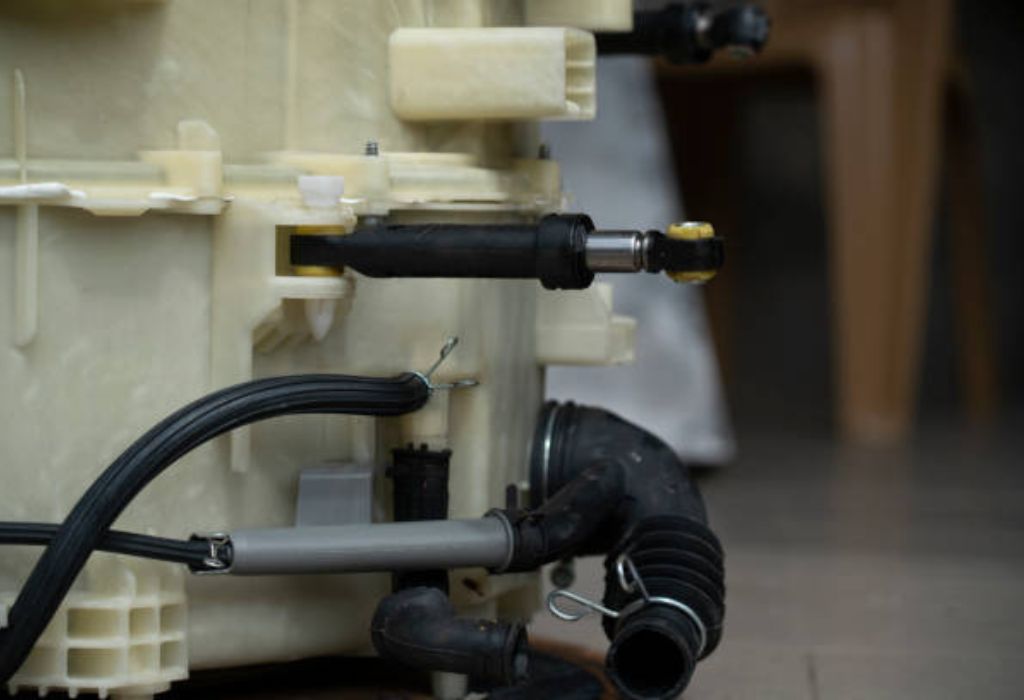
There comes a point when the diverter motor must be replaced. If testing shows proper voltage but no movement, the motor is likely burned out. Internal components may have failed beyond repair.
A motor that makes grinding sounds often has damaged gears. These gears cannot be fixed individually. Replacing the entire diverter assembly restores proper operation.
When the diverter burns out repeatedly, the issue may lie with the control board. However, if the board tests correctly, replacing the diverter is the safest option. Newer motors provide stronger reliability and improved performance.
If the dishwasher shows recurring diverter error codes, replacement becomes necessary. These codes signal that the motor cannot complete its cycle. Faulty sensors or internal circuitry make the motor unable to respond correctly.
Visible water damage around the motor is another sign. Once water enters the motor housing, the internal components corrode. Corrosion quickly leads to electrical failure and improper rotation.
Replacing the motor requires removing the old unit and installing a new one with a proper seal. Ensuring all connectors attach firmly prevents communication errors. After installation, the dishwasher runs a self test to confirm smooth operation.
Choosing replacement over repair often saves time. A fresh diverter motor restores water flow control and brings back full cleaning efficiency. It ensures the dishwasher continues performing reliably for years.
Preventing Future Diverter Motor Failures
Preventing diverter failure begins with regular cleaning. Removing debris from the sump and filter keeps particles from reaching the diverter assembly. Clean water flow reduces stress on the motor during cycles.
Running periodic dishwasher cleaning cycles helps remove detergent buildup. Keeping the internal pathways clear ensures smoother valve movement. Cleaner components create less friction for the diverter system.
Fixing small leaks early prevents moisture from damaging the motor. Water intrusion weakens wiring and corrodes electrical parts. Dry internal compartments extend the life of the diverter assembly.
Using high quality detergent reduces residue inside the dishwasher. Excess residue builds around the valve and creates resistance. A cleaner environment helps the diverter move freely.
Checking the spray arms regularly ensures balanced water pressure. If spray arms clog, excess pressure shifts to the diverter system. Balanced water distribution protects the diverter from strain.
Inspecting wiring connections once every few months prevents surprises. Tight connections ensure proper electrical flow. Stable signals reduce erratic motor behavior.
Regular maintenance keeps the diverter operating smoothly. Consistent care reduces wear, extends longevity and improves dishwasher performance. Preventing issues is always easier than repairing major failures.
Frequently Asked Questions
What are the first signs of a failing dishwasher diverter motor?
The earliest signs usually include poor cleaning performance and spray arms that do not rotate consistently. You may also hear clicking or grinding noises from the bottom of the dishwasher. These symptoms indicate the motor cannot move the diverter valve properly.
Can I run my dishwasher if the diverter motor is not working?
You can run it, but the cleaning results will be poor because water cannot reach the correct spray arms. Over time, this can strain other components due to uneven pressure. It is best to troubleshoot the issue before continued use.
Does a diverter motor failure always show an error code?
Not always, as some dishwashers lack sensors to detect diverter movement. Older models may fail silently and only show poor washing results. Checking rotation and water distribution helps identify issues without relying on codes.
Can detergent buildup cause the diverter motor to stop working?
Yes, thick detergent residue can restrict the diverter valve and force the motor to work harder. Over time, this strain damages gears or causes the motor to stall. Regular cleaning prevents this kind of failure.
Why does my dishwasher make a clicking sound near the diverter?
A clicking sound often means the diverter gears are slipping. This happens when teeth on the gear strip or the motor struggles to turn the valve. Replacing the gear assembly or diverter motor usually fixes the issue.
How long does a dishwasher diverter motor normally last?
Most diverter motors last between five and ten years depending on usage and water conditions. Hard water, heavy cycles and detergent buildup shorten lifespan. Proper maintenance keeps them functioning longer.
Is replacing a diverter motor difficult for a homeowner?
Many homeowners can replace it with basic tools and careful attention. The process requires removing panels, disconnecting wiring and installing the new unit correctly. Patience and following the manual make the repair manageable.
Can a diverter motor cause water to leak from the dishwasher?
Yes, if seals around the diverter assembly fail, water may drip into the base pan. These leaks sometimes trigger flood sensors on newer models. Fixing the seal or replacing the assembly stops the leakage.
What should I check before assuming the diverter motor is bad?
Inspect the spray arms, filters, wiring and sump area first. Many issues mimic diverter failure, especially clogs and loose connectors. Ruling out simpler problems prevents unnecessary part replacements.
Why does my dishwasher stop mid-cycle when the diverter motor fails?
Some dishwashers pause or shut down when they detect diverter movement errors. The control board stops the cycle to prevent internal damage. Replacing or repairing the diverter restores normal operation.
Conclusion
Troubleshooting a dishwasher diverter motor becomes easier once you understand how it controls the flow of water inside the appliance. The diverter directs pressure to each spray arm, and when it fails, the dishwasher loses its ability to clean dishes properly.
Knowing the symptoms and checking each part step by step helps you find the real cause without unnecessary confusion.
Most diverter issues begin gradually with weak cleaning, unusual noises or incomplete spray patterns. These problems usually point to worn gears, stiff valves or electrical signals that are not reaching the motor correctly.
Taking time to inspect the connectors, test voltage and confirm mechanical movement gives you a clear picture of what needs repair.
Mechanical wear from heat, detergent residue and constant use can also affect performance. Damage to seals or gears makes rotation difficult and eventually leads to complete failure.
Identifying these issues early prevents larger breakdowns and saves the cost of replacing multiple parts.
When cleaning and inspection do not fix the problem, replacing the diverter motor becomes the most reliable solution.
A new motor restores proper switching between spray arms and brings back strong cleaning power. Once installed, the dishwasher can run cycles efficiently and reach every part of the load again.
Regular maintenance helps prevent diverter problems in the future. Cleaning filters, checking for buildup and keeping wiring secure reduces stress on the system.
With consistent care, the diverter motor remains dependable and ensures your dishwasher continues cleaning effectively for years.

I’m Emma J. Caldwell, the founder, lead writer, and home-cooking enthusiast behind KitchenGuideCo.com. With a background in culinary arts and over a decade of cooking experience in both professional and personal kitchens, I created this platform to demystify recipes, offer smart kitchen gadget reviews, and guide readers through meal prep with confidence and clarity.