The kitchen layout looks perfect on paper, but one decision quietly shapes how everything will function every day. The placement of the oven determines movement, safety, workflow, and even how open the space feels during cooking.
Some kitchens are designed around a built in under cabinet oven, while others rely on the familiar freestanding range that includes both oven and cooktop in one unit.
At first glance, both options seem capable of cooking meals just as well. Yet the difference between an under cabinet oven and a freestanding unit extends far beyond appearance.
Installation complexity, cabinet design, power requirements, cooking accessibility, and even long term maintenance costs all depend on which type you choose.
Many homeowners choose based purely on style or showroom appeal, without realizing how deeply that choice impacts daily use.
A sleek under cabinet oven can make a kitchen look modern and streamlined, while a freestanding oven offers flexibility and simplicity. Each comes with its own advantages and limitations that only become obvious after months or years of regular use.
This guide breaks down under cabinet oven vs freestanding in complete detail. From layout planning and cooking performance to safety, cost, and long term value, every critical factor is explained so you can confidently choose the right option for your kitchen.
What Is an Under Cabinet Oven and How It Works
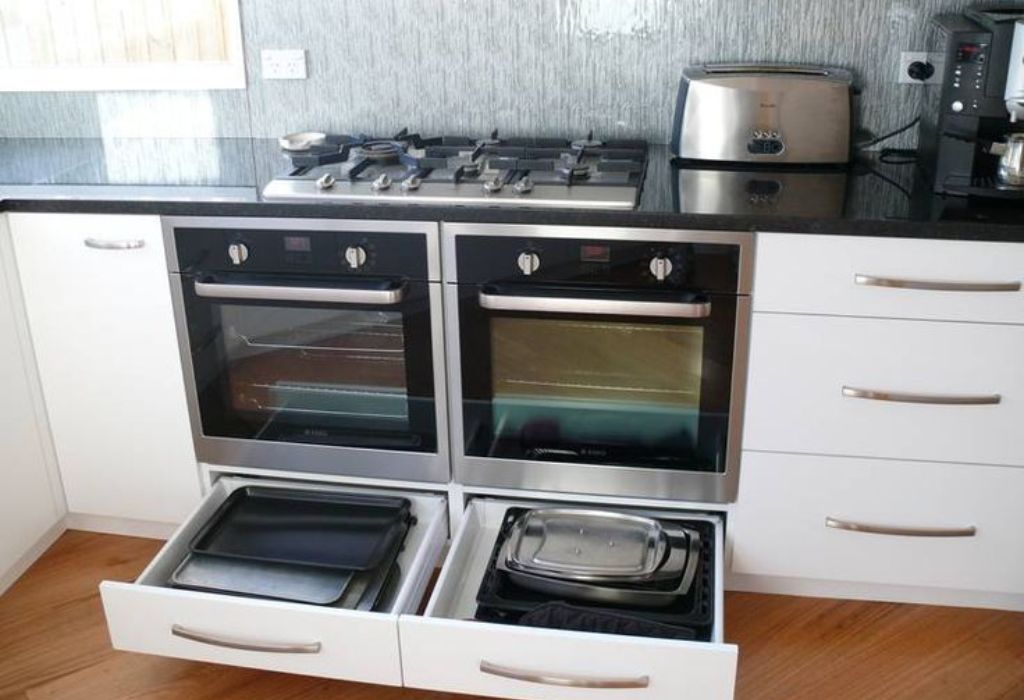
An under cabinet oven is a built in oven installed directly beneath the kitchen countertop or under a cabinet unit. It is separate from the cooktop, which is usually mounted above it. This design allows the oven and stovetop to function independently while sharing vertical space.
Unlike traditional freestanding ovens, under cabinet ovens must be enclosed within kitchen cabinetry.
This makes their installation more permanent and structurally integrated into the kitchen layout. Once installed, moving them requires cabinet removal and electrical adjustments.
Under cabinet ovens are commonly used in modern modular kitchens. They are often paired with wall mounted cooktops to create a smooth, continuous countertop surface. This layout improves visual symmetry and gives the kitchen a premium built in appearance.
Power supply for under cabinet ovens is usually hardwired rather than plugged into a standard outlet. This requirement adds an extra layer of electrical planning during installation. Dedicated circuits are often necessary for safe operation.
Because these ovens sit lower than eye level, users must bend when loading or unloading heavy dishes. This affects daily usability, especially for elderly users or those with back issues.
Under cabinet ovens are primarily chosen for design integration and space optimization. They offer excellent aesthetic value but demand careful planning before installation.
Is an under cabinet oven the same as a wall oven?
No, a wall oven is mounted at eye level, while an under cabinet oven is installed under the countertop.
Can an under cabinet oven be installed in any kitchen?
No, proper cabinet structure, ventilation space, and electrical setup are required.
Does an under cabinet oven need a separate cooktop?
Yes, it works independently and requires a separate stovetop.
Is bending required to use an under cabinet oven?
Yes, the low position requires bending for loading and unloading food.
Are under cabinet ovens more expensive to install?
Yes, installation usually costs more due to cabinetry and electrical modifications.
What Is a Freestanding Oven and How It Works
A freestanding oven is a single appliance that combines both the oven and cooktop into one unit. It stands independently on the kitchen floor and fits between cabinets without needing structural support. This is the most traditional and widely used oven style in homes.
Freestanding ovens plug into standard power connections or dedicated oven points depending on size and wattage. Their installation process is far simpler than built in options. In many cases, they can be installed without altering cabinets.
Because the cooktop and oven are combined, freestanding models require only one appliance space. This makes them ideal for compact kitchens or rental properties where flexibility is important. They also allow easy replacement without redesigning the kitchen.
Most freestanding ovens have rear control panels or front mounted knobs depending on design. These controls regulate both oven temperature and cooktop burners from a single interface.
Width sizes are usually standardized, making replacements straightforward. Common widths fit into pre existing cutouts without modifications. This adds long term convenience when upgrading appliances.
Freestanding ovens are chosen for simplicity, flexibility, and lower installation cost. They are practical, widely available, and suitable for almost every kitchen type.
Space Usage and Kitchen Layout Impact
Kitchen space planning is one of the biggest factors when choosing between these two oven types.
Under cabinet ovens free up wall space and allow for more design flexibility on the cookware level. They pair well with separate cooktops that can be placed anywhere on the counter.
Freestanding ovens occupy a fixed footprint on the kitchen floor. They also serve as part of the cooking surface. This integrated structure limits layout changes but simplifies overall planning.
In small kitchens, freestanding ovens often work better because they require only one appliance zone. Under cabinet ovens need both a cooktop area and a cabinet oven space. This increases total layout complexity.
Large kitchens benefit more from under cabinet designs because appliances can be distributed more evenly. Work zones become better defined with separate oven and cooktop areas. This improves multi user cooking efficiency.
Corner spaces and island kitchens also influence the decision. Under cabinet ovens work well in islands, creating a central baking and cooking zone. Freestanding ovens cannot be placed on islands without structural modification.
Layout efficiency depends on how often the oven is used and how many people cook together. Space planning must match lifestyle, not just appearance.
Installation Requirements and Complexity
Under cabinet ovens require far more precise installation than freestanding models. Cabinets must be designed to support oven weight and withstand heat exposure. Ventilation gaps must be properly maintained to prevent overheating.
Electrical wiring for under cabinet ovens often requires hardwired connections. A licensed electrician is usually needed to handle the circuit. Dedicated power lines are common due to higher wattage consumption.
Freestanding ovens, on the other hand, are largely plug and play. Most simply slide into place between cabinets and connect to an existing power outlet. Minimal professional labor is required.
Floor leveling also matters more for freestanding ovens because uneven surfaces affect cooking and pot stability. Under cabinet ovens do not face this issue because they sit within leveled cabinetry.
Gas connections, if applicable, further increase installation complexity for freestanding gas ovens. Under cabinet ovens are almost always electric in modern kitchens.
Overall, freestanding ovens win clearly in ease of installation. Under cabinet ovens demand more planning, time, and skilled labor.
Design Aesthetics and Kitchen Appeal
Under cabinet ovens provide a sleek built in aesthetic that blends seamlessly with modern kitchen cabinetry. The appliance appears as part of the cabinet design rather than a separate machine. This creates a clean and sophisticated visual flow.
Freestanding ovens have a more traditional appearance with visible sides, back panels, and integrated cooktops. While modern models look attractive, they still appear as standalone appliances in the kitchen.
Minimalist and luxury kitchens almost always prefer under cabinet ovens for visual symmetry. They allow uninterrupted countertop lines and balanced cabinet spacing. This enhances perceived space and order.
Freestanding ovens suit classic, rustic, and functional kitchen designs. They fit well in homes that value practicality over seamless integration. Many people also prefer their robust appliance appearance.
Color matching and finish consistency are easier with under cabinet ovens. They align with cabinets and drawers more precisely. Freestanding ovens depend on appliance color matching with surrounding décor.
Visual preference is subjective, but under cabinet ovens dominate in modern design appeal. Freestanding models dominate in practical flexibility.
Cooking Performance and Heat Distribution
Cooking performance is one of the most important comparisons between under cabinet ovens and freestanding ovens.
Under cabinet ovens are usually designed as built in electric units with advanced insulation and refined heat control systems. This allows more precise temperature management during long baking and roasting cycles.
Freestanding ovens, especially mid-range models, often experience wider temperature fluctuation during operation. Heat rises toward the back panel and upper cavity faster, which can lead to uneven baking in some recipes.
Newer freestanding convection models reduce this problem, but the issue still exists in many standard units.
Under cabinet ovens usually pair with separate cooktops that have independent heat zones. This separation prevents heat interference between oven and stove. Freestanding units combine both in one body, which can lead to internal heat buildup during heavy multi-burner cooking.
Multi-rack baking is also more consistent in under cabinet ovens. Their airflow is optimized for evenly distributing heat across the entire cavity. Freestanding ovens often require mid-bake rack rotation for uniform browning.
Preheating behavior differs as well. Under cabinet ovens generally reach target temperature faster because of better insulation. Freestanding ovens may take slightly longer depending on door seal quality and outer body ventilation.
For serious baking performance, under cabinet ovens usually provide more predictable results. Freestanding ovens offer good performance too, but consistency varies by model and price range.
Cleaning, Maintenance, and Repair Access
Cleaning convenience differs greatly between these two oven styles. Under cabinet ovens integrate tightly with surrounding cabinetry, which makes external cleaning easier but internal access slightly more limited. Removing the appliance for deep service often requires cabinet disassembly.
Freestanding ovens are far easier to move for cleaning behind and underneath. They can be pulled out without disturbing cabinetry. This makes deep cleaning and pest inspection much more convenient.
Grease accumulation around cooktop edges is easier to manage on freestanding units because spills fall onto the integrated surface. Under cabinet ovens rely on separate cooktops, which may drip grease directly onto lower cabinetry.
Maintenance costs also differ over time. Under cabinet ovens often require specialized service due to built in wiring and mounting. Freestanding ovens usually allow faster and cheaper part replacement.
Control panel repairs are simpler on freestanding ovens because panels are externally mounted. Built in under cabinet controls often require partial disassembly for access. This increases labor cost.
From a maintenance perspective, freestanding ovens clearly offer better long-term service convenience. Under cabinet ovens trade accessibility for cleaner visual integration.
Safety, Ergonomics, and Daily Convenience
Daily usability and safety differ significantly between these two oven types. Under cabinet ovens sit lower than waist height, which requires bending during every load and unload. This increases strain on the back, knees, and wrists over time.
Freestanding ovens place the oven cavity at a more neutral height. Users still bend slightly, but not as deeply as with under cabinet designs. This makes daily cooking more comfortable for most households.
Child safety is another concern. Under cabinet ovens place hot doors near floor level, which may be accessible to small children. Freestanding ovens raise the hot surface slightly higher, reducing direct child access.
Handling heavy cookware is also safer with freestanding ovens. Large roasting pans and cast iron dishes are easier to load without extreme bending. Under cabinet ovens increase drop risk due to awkward handling posture.
Door swing design plays a big role in day-to-day convenience. Freestanding oven doors often open wider and provide better access to racks. Under cabinet doors sometimes have limited clearance due to cabinetry placement.
Ergonomically, freestanding ovens are better suited for long-term daily use. Under cabinet ovens prioritize visual design over body comfort.
Is an under cabinet oven safe for daily heavy cooking?
Yes, but frequent bending increases physical strain over time. Freestanding ovens offer more ergonomic comfort.
Are under cabinet ovens dangerous for small children?
Yes, because the hot door is closer to the floor and within child reach.
Which oven type is easier for elderly users?
Freestanding ovens are easier because they require less bending during use.
Does door height affect accident risk?
Yes, awkward loading angles increase drop and burn risks.
Is cookware handling safer in freestanding ovens?
Yes, especially for heavy roasting trays and cast iron dishes.
Cost Comparison and Long Term Value
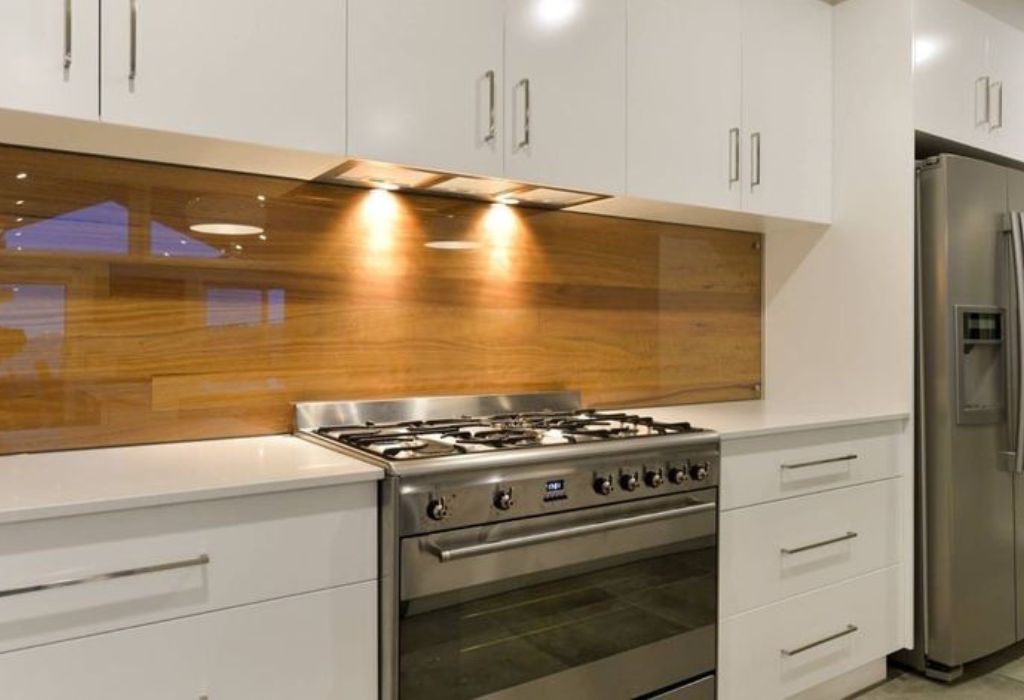
Initial purchase cost is one of the biggest differences between these oven types. Under cabinet ovens usually cost more than freestanding units with similar internal capacity. Their premium design and built in integration increase manufacturing and installation expenses.
Installation cost further widens the price gap. Under cabinet ovens require cabinetry modification and electrical rewiring. Freestanding ovens typically require only basic placement and power connection.
Maintenance and service expenses are also higher for built in models. Specialized access and labor raise repair costs. Freestanding ovens benefit from faster servicing and easier part replacement.
Long term resale value favors under cabinet ovens in high-end kitchens. Built in appliances increase perceived home value in luxury property markets. Freestanding ovens add functional value but less visual premium.
Energy efficiency varies by model rather than oven type. However, under cabinet ovens with modern insulation often retain heat better during long cooks. This can slightly reduce energy usage over many years.
From a strict budget perspective, freestanding ovens offer better value. From a real estate and luxury appeal perspective, under cabinet ovens offer stronger return.
Which One Is Better for Different Kitchen Types
Small kitchens benefit more from freestanding ovens. They simplify layout, reduce cabinet modification, and allow flexible replacement. For apartments and rented homes, freestanding models are the most practical choice.
Medium-sized family kitchens often choose based on cooking habits. If baking and roasting are frequent, under cabinet ovens offer superior heat consistency. If flexibility and ease matter more, freestanding ovens dominate.
Luxury kitchens and modular designs favor under cabinet ovens. They integrate perfectly with handle-less cabinetry and stone countertops. Visual flow becomes the main priority in these spaces.
Island kitchens often use under cabinet ovens to distribute cooking zones. This improves workflow during multi-person cooking. Freestanding ovens cannot be placed on islands easily.
Commercial-style home kitchens sometimes use professional freestanding ranges. These offer large capacity, rugged durability, and powerful burners. Under cabinet ovens are rarely used in this setup.
The best choice always depends on kitchen size, cooking frequency, user age, and design preference. There is no universally superior option for every household.
Conclusion
The comparison between an under cabinet oven vs freestanding oven goes far beyond aesthetics.
It affects installation complexity, daily comfort, safety, long-term maintenance, and total ownership cost. While both oven types cook food effectively, they serve very different kitchen lifestyles.
Under cabinet ovens offer a sleek built in appearance, excellent heat consistency, and premium design integration. They are best suited for modern, luxury, and modular kitchens where visual flow and multi-zone cooking matter most.
However, they demand higher installation cost, careful electrical planning, and greater physical bending during everyday use.
Freestanding ovens deliver unmatched flexibility, easier maintenance, lower upfront and service costs, and better ergonomic handling. They are ideal for apartments, family kitchens, rental homes, and users who prioritize practicality over design perfection.
The right choice depends entirely on how the kitchen is used, who uses it most often, and how much long-term flexibility or design integration is desired. When performance, safety, comfort, and cost are weighed together, the correct decision becomes clear for each unique household.

I’m Emma J. Caldwell, the founder, lead writer, and home-cooking enthusiast behind KitchenGuideCo.com. With a background in culinary arts and over a decade of cooking experience in both professional and personal kitchens, I created this platform to demystify recipes, offer smart kitchen gadget reviews, and guide readers through meal prep with confidence and clarity.