Glass oven dishes are popular because they are durable, non-reactive, and allow visibility while cooking.
Many home cooks use them daily for baking, roasting, and reheating without realizing that glass has strict safety limits. Improper handling is the most common reason glass dishes crack, shatter, or fail inside the oven.
Unlike metal, glass reacts strongly to temperature changes and uneven heat distribution. Small mistakes such as placing a cold dish into a hot oven or adding cold liquid to a hot dish can trigger instant breakage. These failures not only ruin food but also create serious burn and injury risks.
This guide fully explains how to use a glass oven dish safely in everyday cooking. It covers temperature limits, handling techniques, placement rules, cleaning practices, and common safety mistakes. Understanding these rules protects both your cookware and your personal safety.
Understanding How Glass Oven Dishes React to Heat
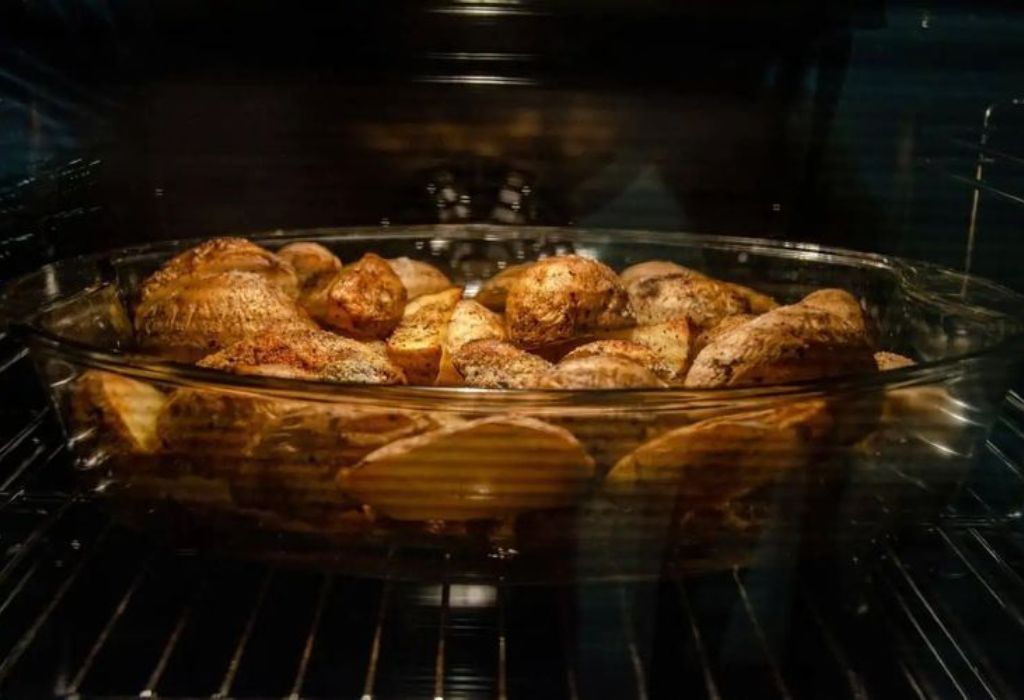
Glass oven dishes are made from tempered or heat-resistant glass designed to handle steady high temperatures. They expand when heated and contract when cooled. This expansion and contraction must happen evenly to prevent stress inside the glass structure.
Uneven heating causes different sections of the dish to expand at different rates. When this internal stress exceeds the strength of the glass, cracking or shattering occurs. This is known as thermal stress.
Glass handles slow and steady temperature changes very well. It handles sudden temperature swings very poorly. This limitation defines nearly every safety rule related to glass oven dishes.
Direct contact with heating elements increases localized heat beyond safe limits. Hot spots form rapidly when glass is exposed to direct flame or broiler heat. These hot zones are common fracture points.
Moisture also affects heat behavior in glass. Liquid changes temperature faster than glass. Sudden liquid temperature shifts inside a hot dish rapidly stress the glass walls.
Understanding heat behavior is the foundation of safe glass cookware use. Every safety practice is designed to maintain even heat flow. Stability is what protects the dish from failure.
Safe Temperature Limits for Glass Oven Dishes
Most glass oven dishes are designed for baking and roasting within normal oven temperature ranges. The typical safe operating range is up to 425°F or 450°F depending on manufacturer specifications. Exceeding this limit significantly increases breakage risk.
Broiler settings generate intense direct heat from the top of the oven. Glass dishes are not designed to tolerate this exposure. Using glass under the broiler often causes immediate cracking.
Stovetop use is also unsafe for glass oven dishes. Direct flame or radiant burners produce concentrated heat beyond the tolerance of glass cookware. This direct heat creates severe thermal stress.
Preheating glass dishes inside an empty oven is not recommended. Empty glass heats faster and unevenly without food to absorb heat. This increases the chance of overheating certain areas of the dish.
Slow heating with food inside the dish provides thermal buffering. Food absorbs heat gradually and distributes temperature more evenly across the glass. This significantly reduces internal stress.
Always confirm manufacturer temperature ratings before high-heat cooking. Different glass formulations tolerate different maximum temperatures. Staying within rated limits is essential for safety.
Preventing Thermal Shock During Cooking
Thermal shock occurs when glass experiences rapid temperature change. This is the leading cause of sudden glass dish shattering. It can happen during heating or cooling.
Never place a cold glass dish into a preheated hot oven. The sudden exposure to high heat creates immediate surface expansion while the core remains cold. This expansion mismatch causes instant cracking.
Likewise, never place a hot glass dish onto a cold countertop, sink, or wet surface. The cold contact rapidly cools the base while the upper section remains hot. This uneven contraction also causes thermal stress.
Always use dry cloth, wooden boards, or insulated pads under hot glass dishes. These materials reduce temperature shock and buffer heat transfer. They also improve handling safety.
Adding cold liquids to hot glass dishes is extremely dangerous. The liquid rapidly cools only the inner surface, creating uneven contraction. This often causes explosive breakage inside the oven.
Allow gradual temperature adjustment during all transitions. Glass cookware requires slow, controlled heating and cooling to remain structurally stable.
Correct Oven Placement for Glass Dishes
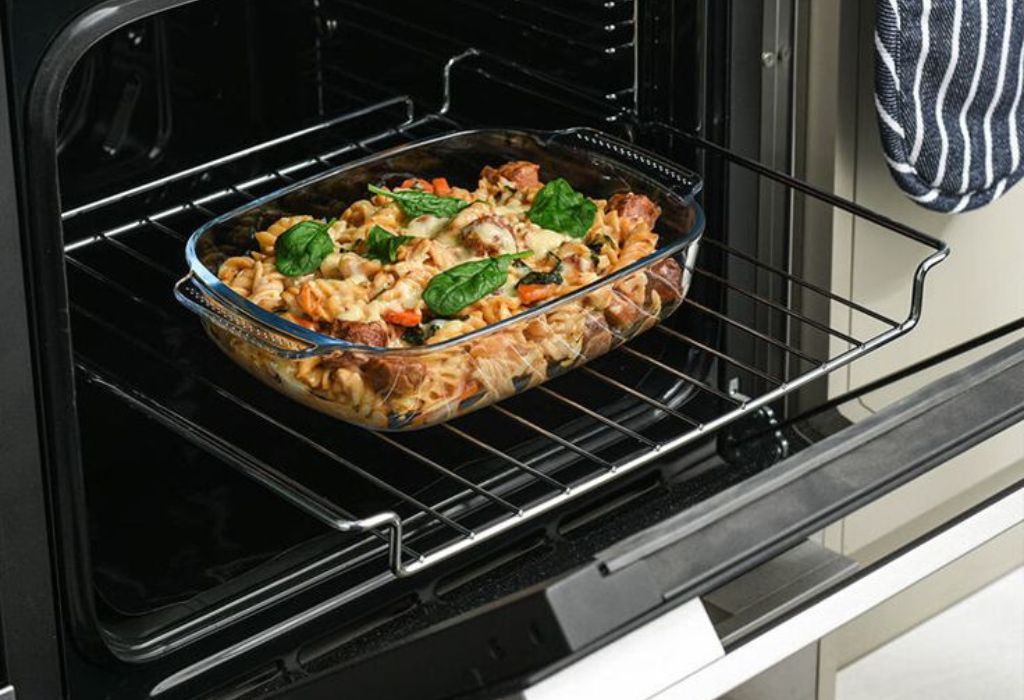
Correct placement in the oven ensures even heating and structural safety. Glass dishes should always be positioned on a center rack. This location provides the most balanced heat exposure.
Placing glass dishes too close to heating elements creates localized overheating. The side near the element expands faster than the opposite side. This uneven expansion increases fracture risk.
Avoid placing glass dishes directly on the oven floor. The floor typically experiences higher concentrated heat. This creates dangerous temperature gradients within the glass.
Air circulation around the dish is also important. Crowded cookware restricts airflow and causes uneven heating. This can result in hot spots within the dish.
Ensure the dish sits flat and stable on the rack. A tilted dish causes liquid pooling on one side. Uneven liquid depth creates uneven internal heating.
Center placement and open airflow allow balanced heat distribution. These factors significantly reduce thermal stress. Proper placement is one of the simplest safety steps.
Proper Handling Techniques for Glass Oven Dishes
Always use thick, dry oven mitts when handling glass dishes. Thin towels allow heat to pass through quickly and increase burn risk. Dry mitts also prevent slipping.
Never grip hot glass with bare or damp hands. Moisture increases heat transfer and causes instant burns. Wet fabric also increases thermal shock risk if it contacts the dish.
Avoid banging glass dishes against oven racks or hard surfaces. Sudden mechanical impact combined with heat stress weakens the glass structure. Small chips often become future fracture points.
When removing hot dishes, lift them straight up carefully. Dragging them across metal racks scratches the glass surface. Scratches weaken glass over time.
Always set hot dishes down gently on padded surfaces. Slamming hot glass onto hard countertops can cause delayed cracking. Failure may occur seconds or minutes later.
Correct handling prevents both thermal and mechanical stress. Safe grip and placement protect the dish long before failure occurs. Most glass damage starts during careless handling.
Safe Cooling and Cleaning Practices for Glass Oven Dishes
Glass oven dishes must always be allowed to cool gradually after cooking. Rapid cooling creates uneven contraction between the hot center and cooler outer surface. This uneven contraction leads to cracking or sudden shattering.
Never place a hot glass dish directly into a sink filled with cold water. The bottom surface cools instantly while the upper surface remains hot. This creates extreme thermal stress at the base of the dish.
Allow the dish to rest on a dry heat-safe pad for at least fifteen to twenty minutes. This resting period equalizes the temperature across the glass structure. Gradual cooling significantly reduces internal stress.
Cleaning should only begin once the dish reaches room temperature. Washing hot glass exposes it to cold water shock. This is one of the most common causes of kitchen glass breakage.
Use non-abrasive sponges and mild dish soap during cleaning. Scratches from abrasive cleaners weaken the glass surface. Weakened glass is more likely to crack during future heating cycles.
Dry the dish completely before storage to prevent moisture-related stress. Trapped moisture can cause temperature shock in the next heating cycle. Proper cooling and cleaning extend the usable life of glass cookware.
Freezer-to-Oven Safety Rules and Temperature Transitions
Placing frozen glass oven dishes directly into a hot oven is extremely dangerous. The temperature difference between frozen glass and hot air is severe. This sudden temperature change almost always causes shattering.
Glass cookware is not designed to tolerate extreme temperature transitions. Moving straight from freezer to oven creates instant surface expansion while the core remains frozen. This stress imbalance fractures the glass structure.
If a frozen glass dish must be used, it should be thawed fully first. Thawing allows the glass temperature to rise gradually and evenly. Only after full thawing should the dish be placed into a cold oven.
The oven should then be preheated slowly with the dish inside. This allows controlled heating across the entire glass surface. Direct insertion into a preheated oven should always be avoided.
Likewise, never place hot glass dishes into a freezer or refrigerator. Hot glass rapidly contracts when exposed to cold air. This results in delayed internal cracking.
Temperature transitions must always be slow and controlled. Glass handles steady heat well but sudden changes destroy its stability. Following transition rules prevents catastrophic failure.
Inspecting Glass Oven Dishes for Damage and Wear
Regular inspection is essential for safe glass dish use. Small chips, scratches, and cracks weaken the structural integrity. These minor defects become major fracture points under heat stress.
Even shallow scratches weaken the surface tension of the glass. Scratched areas expand and contract unevenly during heating. This creates concentrated stress zones.
Cracks near the edges or corners are especially dangerous. These areas experience higher mechanical and thermal stress. Cracks in these locations often expand rapidly during heating.
Discoloration or cloudiness may indicate structural fatigue. Repeated heating cycles gradually alter glass composition. Fatigued glass becomes weaker and less resistant to thermal shock.
Glass dishes should be discarded at the first sign of structural damage. Continued use of damaged glass increases the risk of sudden failure. Broken glass inside the oven creates both burn and cut hazards.
Routine inspection before every use improves safety significantly. Detecting damage early prevents accidents. Glass cookware safety depends heavily on condition monitoring.
Using Glass Oven Dishes with Sugary and Acidic Foods
Sugary foods such as syrups, desserts, and glazed items create extremely high surface temperatures during baking. Sugar melts and transfers heat more aggressively to the glass surface. This increases the risk of localized overheating.
When sugar cools after baking, it solidifies tightly against the glass. This creates uneven contraction during cooling. Sudden sugar hardening can cause microfractures.
Acidic foods such as tomatoes, citrus, and vinegar-based sauces chemically interact with glass over time. This interaction weakens the molecular surface structure. Long-term exposure increases vulnerability to cracking.
Sudden addition of cold acidic liquids to hot glass dishes is particularly dangerous. The inner surface cools instantly while the outer remains hot. This mismatch creates powerful internal stress.
Always pre-warm liquids before adding them to hot glass dishes. Gradual temperature balancing reduces thermal shock. This rule applies strongly to sauces and gravies.
Using moderate heat and controlled cooling is critical with sugary and acidic foods. These ingredients magnify thermal stress risks. Safe temperature management protects both the dish and the food quality.
Common Safety Mistakes That Cause Glass Dish Failure
One of the most common mistakes is placing a hot glass dish on a wet countertop. Moisture extracts heat rapidly from the base of the dish. This instant cooling causes bottom fractures.
Another frequent mistake is adding cold ingredients to hot glass cookware. This creates uneven inner surface cooling and near-instant cracking. This usually happens with sauces, broths, and water.
Using glass dishes under broilers is also a major safety error. Direct radiant heat creates localized overheating at the surface. Glass cannot withstand this heat concentration.
Overfilling glass dishes leads to boil-over and structural stress. Heavy liquid load increases pressure at the base during heating. This raises the risk of bottom cracking.
Using damaged or scratched glass cookware multiplies all failure risks. Heat stress concentrates at existing surface defects. Older glass is far more likely to shatter unexpectedly.
Most glass dish failures occur due to user handling errors. Awareness of these mistakes dramatically improves kitchen safety. Simple habit changes prevent most accidents.
Frequently Asked Questions
Can a glass oven dish go directly into a preheated oven?
No, placing a cold glass dish into a hot oven causes thermal shock. The dish should always be placed into a cold oven before preheating.
Is it safe to use glass dishes for broiling?
No, glass cookware is not designed for broiler heat. Direct radiant heat can cause instant shattering.
Can glass oven dishes be used on stovetops?
No, direct flame or radiant burners exceed safe glass temperature limits. Glass should only be used in ovens.
Why did my glass dish shatter after I removed it from the oven?
Rapid cooling from contact with cold surfaces or moisture caused thermal shock. Delayed shattering is common under these conditions.
Is it safe to wash a hot glass dish with cold water?
No, cold water causes instant contraction of hot glass. This often results in sudden cracking.
Can glass dishes go from freezer to oven safely?
No, frozen glass exposed to hot oven temperatures almost always shatters. Thawing is required before heating.
Are scratched glass dishes still safe to use?
Scratches weaken glass and increase breakage risk. Scratched dishes should be discarded for safety.
Do sugary foods increase glass breakage risk?
Yes, sugar creates localized high heat and uneven cooling stress. This increases cracking potential.
How long should a glass dish cool before cleaning?
At least fifteen to twenty minutes at room temperature is recommended. This allows safe temperature equalization.
Can old glass oven dishes suddenly fail without warning?
Yes, repeated heat cycles cause glass fatigue over time. Old dishes can shatter unexpectedly even without visible cracks.
Conclusion
Glass oven dishes are safe and reliable when handled within their thermal limits. Most accidents occur due to sudden temperature changes, improper placement, and careless handling. Understanding how glass responds to heat is the foundation of safe use.
Thermal shock is the primary cause of breakage in glass cookware. Slow heating, gradual cooling, and moisture control prevent nearly all failures. Controlled temperature transitions protect both food and cookware.
Routine inspection, careful handling, and proper cleaning habits significantly extend glass dish lifespan. Safe practices reduce injury risk and protect kitchen investments. Proper glass cookware use is a balance of heat control, handling discipline, and damage awareness.

I’m Emma J. Caldwell, the founder, lead writer, and home-cooking enthusiast behind KitchenGuideCo.com. With a background in culinary arts and over a decade of cooking experience in both professional and personal kitchens, I created this platform to demystify recipes, offer smart kitchen gadget reviews, and guide readers through meal prep with confidence and clarity.