Using a Hamilton Beach food processor for the first time can feel surprisingly exciting because the machine looks powerful but simple at the same time.
Many people buy it expecting easier prep work, only to freeze for a moment when they see the attachments and wonder how everything fits together.
This small hesitation is normal because every food processor works slightly differently and it takes one clear explanation to unlock its full potential.
The first time someone presses the pulse button and sees vegetables turn into perfect pieces, the experience instantly builds confidence.
But without proper guidance, the same machine can create inconsistent cuts, make a mess or even stop working if the parts are not assembled correctly. This is why understanding the right setup, functions and safety features matters before you start using it every day.
A Hamilton Beach food processor becomes a true kitchen partner only when you know how to use each blade, disc and control in the correct way. It saves time, reduces effort and helps you prepare meals faster than knife-based chopping.
With the right instructions, even a beginner can use the machine like a pro from the very first attempt.
Understanding the Parts of a Hamilton Beach Food Processor
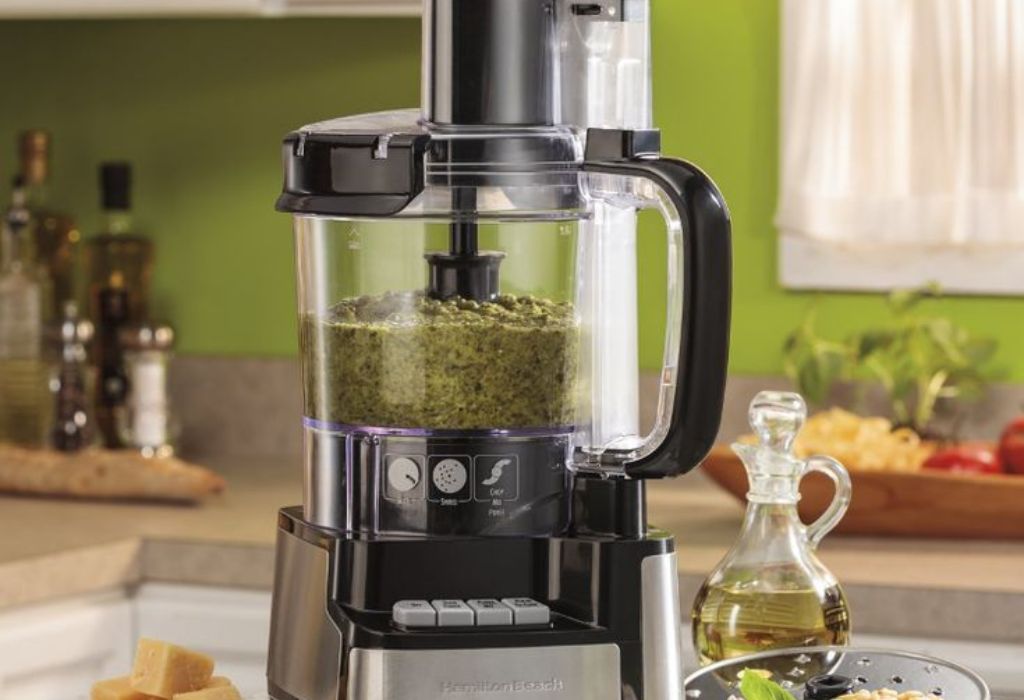
The Hamilton Beach food processor is designed with simple but efficient components that help you complete different kitchen tasks quickly.
The main bowl is the central container where all chopping, slicing and mixing happens. It attaches to the motor base and stays locked when positioned correctly for safe operation.
The lid is another essential part because it covers the bowl and activates the safety interlock system. If the lid is not locked properly, the machine will not run to prevent accidents.
The feed chute is built into the lid and allows you to insert vegetables, fruits or cheese while the processor is running.
Inside the bowl, the chopping blade is one of the most used pieces and helps cut ingredients into small, even pieces.
It has sharp metal edges that rotate rapidly when the machine is turned on, giving fine or coarse results. This blade is perfect for onions, garlic, herbs, nuts and many other ingredients.
Some models come with a reversible slicing and shredding disc that attaches to the top of the motor shaft.
One side slices ingredients into thin pieces and the other side shreds foods into long strips. This dual feature helps expand what you can do with the machine without needing extra attachments.
The base of the food processor contains the motor that drives all the cutting and mixing actions. It stays steady during operation because of its weight and rubber grips underneath. The control buttons or dial on the base help you choose the speed or pulse setting based on your needs.
The bowl scraper, available on some models, is a helpful tool that keeps food close to the blade without needing to open the lid. It rotates around the bowl and ensures even processing. This feature saves you time and reduces the need to stop and scrape the sides manually.
The pusher is used for pressing ingredients down the feed chute safely. It keeps your fingers away from moving blades and helps maintain consistent contact for better slicing or shredding.
Every part works together to make the Hamilton Beach processor safe, efficient and user friendly.
How to Assemble the Hamilton Beach Food Processor Properly
Assembling a Hamilton Beach food processor becomes simple once you understand how each part fits together. Start by placing the motor base on a flat and stable surface so it stays steady during operation.
Make sure the control dial or buttons are set to the OFF position before beginning the setup process.
Next, take the main bowl and align it with the motor base so the handle faces outward for easy access.
Gently twist the bowl clockwise until you hear a soft click that confirms proper locking. This locked position is important because the machine will not run unless the bowl is secured correctly.
After securing the bowl, select the attachment you want to use for your recipe, such as the chopping blade or the disc stem.
If you are using the chopping blade, carefully place it over the center shaft inside the bowl, allowing it to slide down naturally. Always hold the blade by its plastic center to avoid touching the sharp metal edges.
If your recipe requires slicing or shredding, attach the disc stem to the center post and position the reversible disc on top.
One side of the disc slices, and the other side shreds, so choose based on the result you want. Make sure the disc sits evenly and does not wobble to ensure smooth operation.
Now place the lid on top of the bowl and rotate it clockwise to lock it into position. Most Hamilton Beach models have a safety interlock that prevents the machine from turning on unless the lid is properly locked. This feature helps prevent accidents and keeps the machine safe to use.
Insert the pusher into the feed chute located on the lid. The pusher allows you to guide ingredients safely without using your hands near the moving parts. Once the lid and pusher are secured, the assembly process is complete and ready for use.
Before plugging in the machine, double check that all parts are correctly locked and aligned. This quick review ensures smooth operation and avoids issues like uneven processing or sudden machine stoppage.
With everything properly assembled, you can begin using your Hamilton Beach food processor with confidence.
How to Use the Chopping Blade for Everyday Food Prep
The chopping blade is the most commonly used attachment in a Hamilton Beach food processor because it handles a wide range of everyday kitchen tasks. It works well for chopping vegetables, grinding nuts or mixing ingredients in just a few seconds.
Before starting, make sure the bowl and blade are securely locked in place so the machine runs smoothly.
Begin by cutting larger ingredients into medium sized chunks so the blade can process them evenly.
Place the pieces inside the bowl without overfilling it, because too much food can cause uneven results or strain the motor. For best performance, fill the bowl only halfway to give the blade enough room to rotate.
Once the ingredients are inside, place the lid on the bowl and lock it properly to activate the safety system.
Select the pulse option for quick chopping because it gives better control over the texture. Pulsing in short bursts helps you achieve coarse or fine results based on your preference.
If you want a smoother texture, switch from pulse mode to continuous processing. This works well for items like sauces, purees or minced garlic. Keeping an eye on the mixture helps prevent overprocessing, which can turn vegetables mushy or nuts into paste too quickly.
For better consistency, you may need to stop the machine occasionally and scrape the sides of the bowl. Some models include a built in bowl scraper that automatically pulls ingredients toward the blade.
If your model does not have one, simply remove the lid and use a spatula, making sure the machine is unplugged first.
Always handle the chopping blade carefully when removing it from the bowl because it remains sharp even after processing.
Lift it using the center plastic hub instead of the steel edges to avoid injury. After removing the blade, you can pour or scoop the processed food easily from the bowl.
Cleaning the chopping blade immediately after use helps maintain its sharpness and prevents food from drying on its surface.
Hand washing is recommended, although dishwasher safe models can be cleaned in the top rack. Proper care ensures the blade lasts long and delivers consistent results every time.
How fine can the chopping blade cut ingredients?
The chopping blade can produce coarse to very fine textures depending on how long you pulse or run the machine.
Should ingredients be pre cut before using the chopping blade?
Yes, cutting ingredients into medium sized pieces improves efficiency and prevents motor strain.
Can the chopping blade crush ice?
No, most Hamilton Beach models are not designed to crush ice with the chopping blade because it can damage the blade.
Why does the food become mushy when chopping?
Continuous processing for too long can overbreak the ingredients and create a mushy texture.
Can nuts be chopped using the chopping blade?
Yes, nuts can be chopped easily, but processing too long may turn them into nut butter instead of pieces.
Using the Slicing and Shredding Disc Correctly
The slicing and shredding disc is one of the most versatile attachments in a Hamilton Beach food processor and is perfect for evenly cutting vegetables, fruits or cheese.
This disc is reversible, meaning one side is for slicing and the other side is for shredding. Choosing the correct side ensures that you get the exact texture you want for your recipe.
Before attaching the disc, make sure the bowl is locked onto the motor base. Insert the disc stem into the center shaft, pushing it down gently until it sits properly. Place the slicing or shredding disc on top, making sure it rests flat and secure without wobbling.
After the disc is properly seated, lock the lid in place and ensure the feed chute is aligned correctly. The safety lock will ensure the processor does not start unless the lid is firmly in position. Plug in the machine only after confirming everything is set up correctly.
Prepare your ingredients by cutting them into pieces that will fit comfortably inside the feed chute.
For slicing, place the food vertically if you want long slices, or horizontally for round slices. For shredding, press ingredients evenly through the chute using the pusher for smooth results.
Turn on the processor and gently press the pusher down to guide the ingredients through the disc. Avoid applying too much force because gentle pressure gives better slicing and shredding. The motor will handle the cutting work, so your main task is to guide ingredients steadily.
Once you finish slicing or shredding, turn the machine off and unplug it before opening the lid. Carefully remove the disc by lifting it from the edges, keeping your fingers away from the sharp blades. Clean the disc immediately to prevent food from drying on the surface.
The slicing and shredding disc helps save time during meal prep because it produces uniform cuts. This consistency makes dishes look better and ensures even cooking. With proper handling and cleaning, the disc remains sharp and efficient for long term use.
How to Puree, Mix or Make Sauces in the Processor
Pureeing and mixing with a Hamilton Beach food processor is one of the easiest ways to prepare smooth sauces, dips and spreads.
The chopping blade is the primary attachment for these tasks because it rotates quickly to break down soft ingredients. Before starting, make sure the bowl and blade are locked securely onto the motor base.
Begin by adding soft ingredients such as cooked vegetables, ripe fruits or canned tomatoes into the bowl. Avoid overfilling because pureeing requires space for the ingredients to move freely. For best results, fill the bowl only one third to half full depending on the thickness of your mixture.
Next, lock the lid in place and select either the low or high speed based on the type of puree you want. Low speed works best for chunky textures, while high speed creates smooth and creamy results. Always start at a lower speed and increase gradually for better control.
If the mixture becomes too thick, you may need to add small amounts of liquid such as broth, water or oil. Adding liquid helps the blade move smoothly and prevents the motor from straining. Pour the liquid through the feed chute slowly while the processor is running for even blending.
During processing, pause occasionally to scrape down the sides of the bowl using a spatula. This ensures every part of the mixture blends evenly and no chunks remain. If your model has a built in bowl scraper, you can use it without stopping the machine.
Once the mixture reaches the desired consistency, turn off the machine and unplug it before removing the lid. Carefully lift the chopping blade by its center hub to avoid touching the sharp edges. Pour or scoop the puree into a container for immediate use or storage.
Cleaning the bowl and blade right after pureeing prevents thick sauces from drying and sticking. Rinse the parts under warm water and then wash with mild detergent for a fresh and clean finish. Proper maintenance keeps the processor performing smoothly for future mixing tasks.
Can I make hummus in a Hamilton Beach food processor?
Yes, the chopping blade can create smooth hummus, especially if you add liquid gradually for even blending.
Why does my puree look uneven or chunky?
Uneven chunks often mean the bowl was overfilled or the mixture was not scraped down during processing.
Can I add hot ingredients into the bowl?
It is better to let hot ingredients cool slightly to avoid steam pressure and protect the plastic components.
What speed is best for pureeing vegetables?
High speed creates smoother textures, while low speed is better for chunky or rustic style purees.
Can I thicken sauces inside the processor?
Yes, you can add thicker ingredients slowly or process the sauce longer to naturally increase thickness.
How to Use the Pulse and Speed Controls Effectively
The pulse and speed controls of a Hamilton Beach food processor help you manage texture, consistency and precision while preparing different foods.
The pulse function works in short bursts, giving you control over how coarse or fine the ingredients become. This is perfect for chopping vegetables, grinding nuts or preparing foods that should not be overprocessed.
Before using the pulse button, assemble the machine properly and place your ingredients inside the bowl.
Press the pulse button in short intervals rather than holding it down continuously. Each burst gives the blade time to reposition the ingredients naturally, which helps maintain consistency.
For recipes that need smooth blending, the speed settings become more useful than the pulse option. Most Hamilton Beach models come with low and high speeds that allow you to handle a variety of textures.
Low speed is good for mixing, combining ingredients or chopping delicately, while high speed works well for pureeing or making smooth sauces.
If you are working with tougher ingredients, start with the pulse option and then switch to a steady speed once the pieces become smaller.
This reduces strain on the motor and ensures that the mixture becomes uniform gradually. Using speeds correctly helps prevent overheating and extends the life of the machine.
While processing, monitor the food through the transparent lid to avoid overprocessing. If you want a specific texture, it is better to stop and check the consistency instead of letting the machine run too long.
This technique ensures more precise results for chopped vegetables, nuts or homemade spreads.
Another useful tip is to avoid switching speeds too quickly while the processor is running. Allow the current speed to stabilize before changing it to prevent unnecessary stress on the motor. Smooth transitions keep the machine operating efficiently and safely during long usage.
After using the pulse or speed controls, always turn the machine off completely before opening the lid. This prevents accidental splashes or movement of the blade while removing processed food.
Proper handling of the controls ensures that your Hamilton Beach food processor remains a reliable tool for everyday cooking.
Common Mistakes to Avoid When Using the Processor
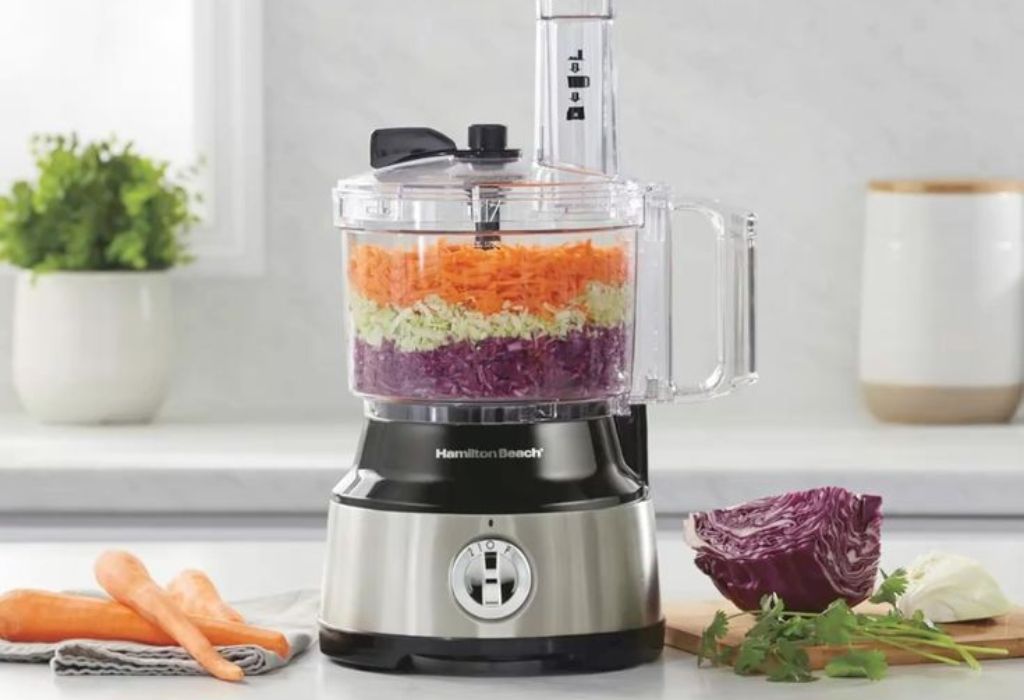
Using a Hamilton Beach food processor becomes much easier when you know the common mistakes that can affect performance or safety.
One frequent mistake is overfilling the bowl, which prevents the blade from rotating freely and causes uneven chopping. Keeping the bowl only half full helps the ingredients move properly for smoother results.
Another mistake is forcing ingredients through the feed chute with too much pressure. Using excessive force can damage the slicing or shredding disc and strain the motor unnecessarily. Gentle and steady pressure with the pusher always delivers better and more consistent cutting.
Some users forget to lock the bowl or lid properly before starting the machine. The safety interlock system prevents the processor from turning on if any part is not secure, which can be confusing for first-time users. Double checking the locks saves time and ensures safe operation.
Ignoring the correct blade or disc for specific tasks is another common issue. Trying to puree with a shredding disc or chopping with a slicing disc leads to poor results. Choosing the right attachment makes processing faster, smoother and more efficient.
Many people run the food processor for too long without checking the texture of the ingredients. Overprocessing can turn vegetables watery, nuts oily or dough overly sticky. Short pulses or frequent pauses help maintain the desired texture and prevent accidental overmixing.
Another mistake is washing the motor base in water or placing it inside a dishwasher. The motor unit should only be wiped with a damp cloth to avoid electrical damage. Keeping the base clean but dry extends the lifespan of the appliance.
Finally, storing the blade loosely after washing can be unsafe and may dull the edge over time. Always dry the blade thoroughly and store it in a safe place where it will not get damaged.
Avoiding these mistakes will help you use your Hamilton Beach food processor correctly and safely.
Why does my food processor stop suddenly during use?
It may stop because the bowl or lid is not locked properly or the machine is overloaded with ingredients.
Why are my slices or shreds uneven?
Uneven pressure on the pusher or using ingredients too large for the feed chute can create inconsistent cuts.
Can I chop very hard ingredients like frozen foods?
No, extremely hard or frozen items can damage the blade and should be thawed slightly before processing.
Why does the motor smell when running?
A burning smell often indicates overloading or running the machine for too long without breaks.
Why does food stick to the sides without mixing properly?
Overfilling the bowl or not pausing to scrape the sides leads to uneven processing and stuck ingredients.
Conclusion
A Hamilton Beach food processor can transform everyday cooking when you understand how to use each part correctly. Learning how to assemble the bowl, lid, blades and discs ensures smooth performance and prevents safety issues while preparing your meals.
Proper use of the chopping blade, slicing disc, shredding disc and speed controls helps you achieve consistent results for every ingredient.
Avoiding common mistakes such as overfilling the bowl, forcing ingredients or using the wrong attachment keeps your machine working efficiently for a long time. Regular cleaning and proper maintenance also help preserve the sharpness of the blades and the strength of the motor.
With the right approach, this food processor becomes a reliable kitchen tool that saves time and effort in daily meal preparation.
Understanding each function step by step allows both beginners and experienced cooks to use the Hamilton Beach food processor confidently.
By following these simple techniques, you can enjoy smoother chopping, cleaner slicing and better textured purees every time. With proper care and smart usage, this machine will continue to support your cooking for years.

I’m Emma J. Caldwell, the founder, lead writer, and home-cooking enthusiast behind KitchenGuideCo.com. With a background in culinary arts and over a decade of cooking experience in both professional and personal kitchens, I created this platform to demystify recipes, offer smart kitchen gadget reviews, and guide readers through meal prep with confidence and clarity.