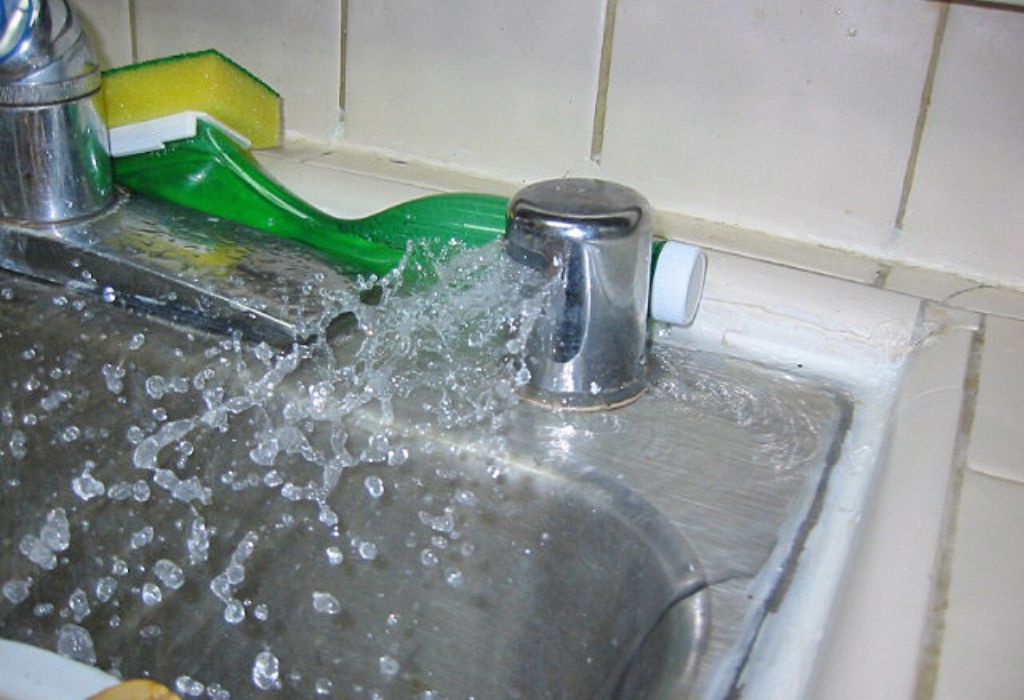
You’re running your dishwasher after dinner, and suddenly you hear gurgling from the sink. Then you see it — water spilling from a small chrome cap beside the faucet. That tiny part is your dishwasher’s air gap, and when water escapes from it, something inside the drain system isn’t right.
For many homeowners, this moment sparks panic. The dishwasher seems to run fine, yet water pours out of the air gap like a mini fountain. While it might look alarming, it’s actually a built-in safety feature doing its job to prevent contaminated sink water from backing up into your dishwasher.
Understanding why this happens can save you expensive repairs and hours of confusion. A leaking air gap usually means there’s a blockage somewhere in the drain hose or garbage disposal line.
This guide breaks down every cause, how to diagnose the issue, and the simple steps to fix it safely and permanently.
What Is a Dishwasher Air Gap and Why It Matters
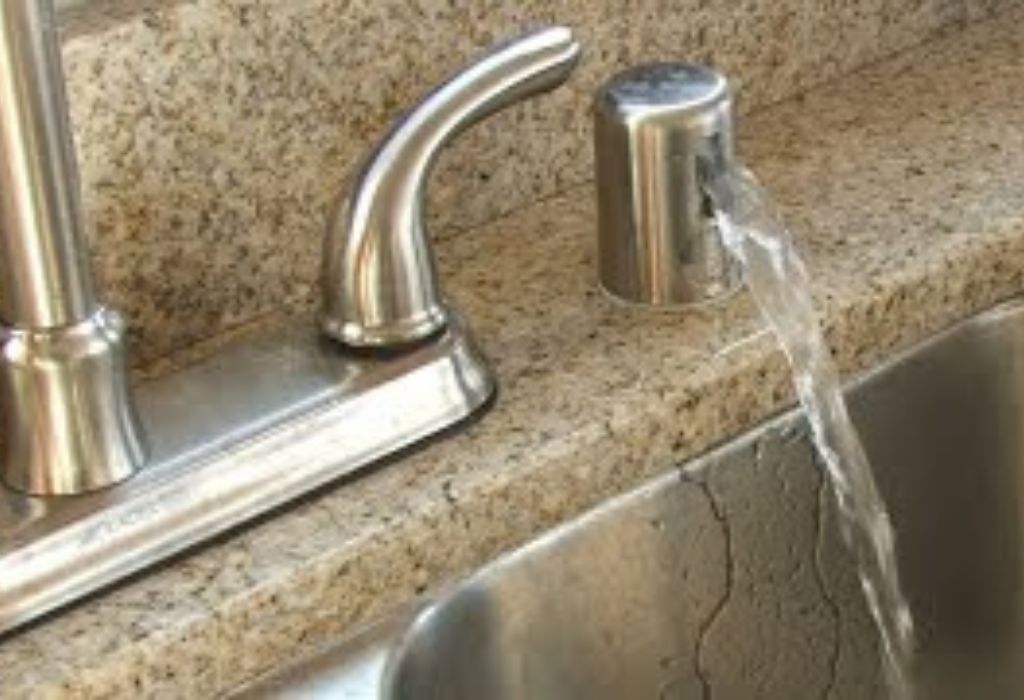
An air gap is a small but crucial device installed on top of your sink or countertop. It connects the dishwasher drain hose to the sink drain system, creating a physical break that prevents dirty sink water from re-entering the dishwasher. This helps maintain sanitation and complies with local plumbing codes.
When the dishwasher drains, water flows through a hose into the air gap, then continues down to the disposal or sink drain.
If there’s a clog or restriction, water can’t flow freely, forcing it to exit through the top of the air gap instead. That’s why you might see it bubbling or spraying during a wash cycle.
Without an air gap, dirty water from a clogged sink could siphon backward into your clean dishes. This makes the component essential for health safety and appliance performance. Understanding how it functions helps identify where problems begin when leaks occur.
Do all dishwashers need an air gap?
Not all states require it, but it’s recommended for backflow prevention, especially in kitchens connected to garbage disposals.
What does the air gap look like?
It’s a small metal or plastic cylinder, usually beside your sink faucet, often covered by a decorative cap.
Can I run my dishwasher without an air gap?
If plumbing codes allow, yes—but it increases the risk of dirty water contamination.
Common Reasons Water Comes Out of the Air Gap
When water comes out of the air gap, the most common culprit is a blockage in the drain line. Over time, food debris, grease, and soap scum can accumulate inside the hose, reducing flow.
When your dishwasher drains, the water has nowhere to go and escapes through the air gap’s vent.
Another frequent cause is a clogged garbage disposal inlet. If your dishwasher drains through the disposal, check the knockout plug or disposal drain port for buildup. A partial blockage here forces water back up into the air gap.
Incorrect hose installation can also lead to leaks. If the hose dips downward or loops improperly, it may trap standing water. This restricts flow and causes backpressure during draining.
Sometimes the issue lies within the air gap itself. Food particles and residue can get trapped under the cap or inside the small internal chamber. Cleaning it out is often enough to stop the overflow completely.
Finally, low water pressure or a malfunctioning drain pump can contribute to drainage issues, though these are less common. Identifying the root cause begins with observing when the leak occurs — during draining, rinsing, or after the cycle ends.
How to Check for Clogs in the Drain Hose
The first step in solving air gap leaks is inspecting the drain hose. Turn off the dishwasher, unplug it, and remove the air gap cover. You’ll see two hoses underneath—one connecting to the dishwasher, the other to the garbage disposal or drain.
Detach the hose leading from the air gap to the disposal. Check for debris, buildup, or water trapped inside. A flexible wire or bottle brush can help remove blockages. If the hose looks kinked, straighten it or replace it entirely.
Once the hose is clear, run water through it manually or use a wet/dry vacuum to ensure full flow. Reconnect the hose firmly and test the dishwasher’s drain cycle again. If no water escapes from the air gap, you’ve found the issue.
If the hose still appears clean, check the disposal port. Many times, that’s where buildup occurs. Make sure to power off the disposal before cleaning to avoid injury.
How often should I clean the dishwasher drain hose?
Once or twice a year is ideal, especially if you frequently wash greasy dishes or run heavy loads.
Can I use a drain cleaner inside the hose?
No. Chemical drain cleaners can damage rubber hoses and seals. Use warm water and vinegar instead.
What if my hose is too long or loops incorrectly?
Reinstall it with a high loop or proper air gap configuration to maintain correct water flow.
How the Garbage Disposal Affects Air Gap Leaks
If your dishwasher drains through a garbage disposal, that connection is a common source of air gap overflow. The small port where the dishwasher hose attaches can easily become clogged with food waste or hardened grease.
When the disposal gets blocked, the water from the dishwasher can’t enter the drain line. Pressure builds up, forcing it to exit through the air gap instead. Running the disposal for 10–15 seconds after each dishwasher cycle often prevents this.
If your disposal is new, make sure the knockout plug has been removed. This small plastic barrier inside the inlet prevents water from entering unless punched out during installation.
Many homeowners forget this step, leading to instant air gap overflow on the first dishwasher use.
Keeping the disposal clean and clear ensures smooth drainage. If you notice slow draining or strange noises, stop using the dishwasher until the disposal is fixed.
Cleaning and Maintaining the Air Gap
Regular cleaning of the air gap prevents buildup and odors. Start by removing the chrome cap on top—it usually pops off easily by hand. Underneath, you’ll see a small plastic cylinder with slots on the side. Twist and lift it to remove.
Rinse both the cap and cylinder under warm running water. Use a small brush or pipe cleaner to scrub away food residue. If the buildup is stubborn, soak the parts in vinegar for ten minutes to dissolve grease and mineral deposits.
Next, check the small opening inside the air gap housing. Clear any debris you can reach with a toothpick or brush. Once clean, reassemble the parts and run a dishwasher cycle to test for leaks.
A well-maintained air gap should allow water to pass freely during draining, with no overflow. Regular cleaning once every few months keeps it working perfectly.
How to Prevent Water from Coming Out of the Air Gap
Prevention starts with routine maintenance. Run your garbage disposal before starting the dishwasher to ensure the drain line is clear. Avoid putting fibrous foods like celery, pasta, or coffee grounds down the sink, as they easily clog drain lines.
Always load dishes properly and scrape off heavy residue before washing. While Bosch and Whirlpool models handle small bits of food, large chunks can still block the drain filter.
Once a month, run a dishwasher cleaning cycle with vinegar or a descaling tablet. This removes grease buildup that can restrict water flow through hoses and filters.
If you live in an area with hard water, consider installing a softener or filter to prevent scale accumulation in the drain system. The cleaner your plumbing remains, the better your air gap will perform.
Is it normal for small amounts of water to come out of the air gap?
A little water during draining is fine, but continuous flow means a clog needs clearing.
How do I know if my air gap is installed correctly?
The drain hose should slope downward from the air gap to the disposal without dips or loops.
Should I replace an old air gap?
If it’s cracked, leaking, or corroded, replacing it is the best long-term solution.
Professional Solutions and When to Call a Plumber
Sometimes air gap leaks indicate a more complex drainage issue beyond a simple clog. If cleaning the hose and disposal doesn’t solve it, you may have a partial blockage deeper in the household drain line.
A plumber can perform a camera inspection to locate obstructions or improper venting. They might also install a dual air gap system or check valve if your plumbing setup requires additional protection against backflow.
Professional technicians use hydro-jetting equipment to flush stubborn grease or scale buildup. This restores full water flow without damaging the pipes.
If your dishwasher is under warranty, contact the manufacturer before attempting major repairs. Some leaks may result from faulty pumps or sensor malfunctions, which professionals can replace safely.
Environmental Impact and Water Waste Concerns
Leaking air gaps can waste surprising amounts of water over time. Even minor overflows during each cycle can total dozens of gallons per month. That wasted water contributes to higher bills and unnecessary environmental strain.
Fixing and maintaining your air gap ensures every drop drains efficiently, reducing your household’s overall water footprint. A properly working dishwasher uses only 3–4 gallons per cycle, compared to over 25 gallons for hand washing.
Beyond saving money, you’re also helping preserve local water resources. Many municipalities encourage homeowners to check air gap function during annual plumbing inspections. It’s a small step with a big environmental payoff.
Understanding Dishwasher Drain System Design
Your dishwasher’s drain system works like a miniature plumbing network. It includes a pump, drain hose, air gap, and disposal or sink drain—all working in harmony. If one component fails, the entire flow can reverse or block.
The drain pump pushes wastewater up toward the air gap. Gravity and pressure then carry it down into the disposal line. When debris interrupts this flow, the weakest point—the air gap—releases the excess water.
Understanding this chain reaction makes diagnosing leaks much easier. It also explains why even small clogs can cause visible overflows at the sink.
Conclusion
Seeing water shoot out of your dishwasher’s air gap can be frustrating, but it’s rarely a disaster. In most cases, it’s a straightforward blockage in the hose, disposal, or the air gap itself. Once cleared, your dishwasher will run quietly and efficiently again.
Regular maintenance—cleaning the air gap, running the garbage disposal, and checking hoses—keeps everything flowing smoothly. These quick habits save water, prevent messes, and extend the life of your appliance.
Your air gap isn’t malfunctioning; it’s protecting your kitchen from dirty backflow. When it leaks, it’s signaling that something downstream needs attention. By listening to that signal and fixing the issue early, you keep your kitchen cleaner, safer, and more eco-friendly for years to come.

I’m Emma J. Caldwell, the founder, lead writer, and home-cooking enthusiast behind KitchenGuideCo.com. With a background in culinary arts and over a decade of cooking experience in both professional and personal kitchens, I created this platform to demystify recipes, offer smart kitchen gadget reviews, and guide readers through meal prep with confidence and clarity.