A home cook pulls a whole chicken from the oven and cuts open a clear, steamy plastic bag to reveal tender, juicy meat inside. The skin is lightly browned, the vegetables underneath are soft, and no grease has splattered across the oven walls.
This simple moment often sparks curiosity about what oven cooking bags really are and how they work so effectively.
Oven cooking bags have quietly become a helpful kitchen tool for people who want moist food, easy cleanup, and hands-off roasting. They promise less mess, reduced cooking time, and consistent results. Yet many home cooks still feel unsure about using plastic inside a hot oven.
Understanding what oven cooking bags are removes that uncertainty. These bags are specially designed for high-heat cooking and serve a clear functional purpose.
This guide explains exactly what they are, how they work, what foods benefit most from them, and how to use them safely and confidently.
What Oven Cooking Bags Are
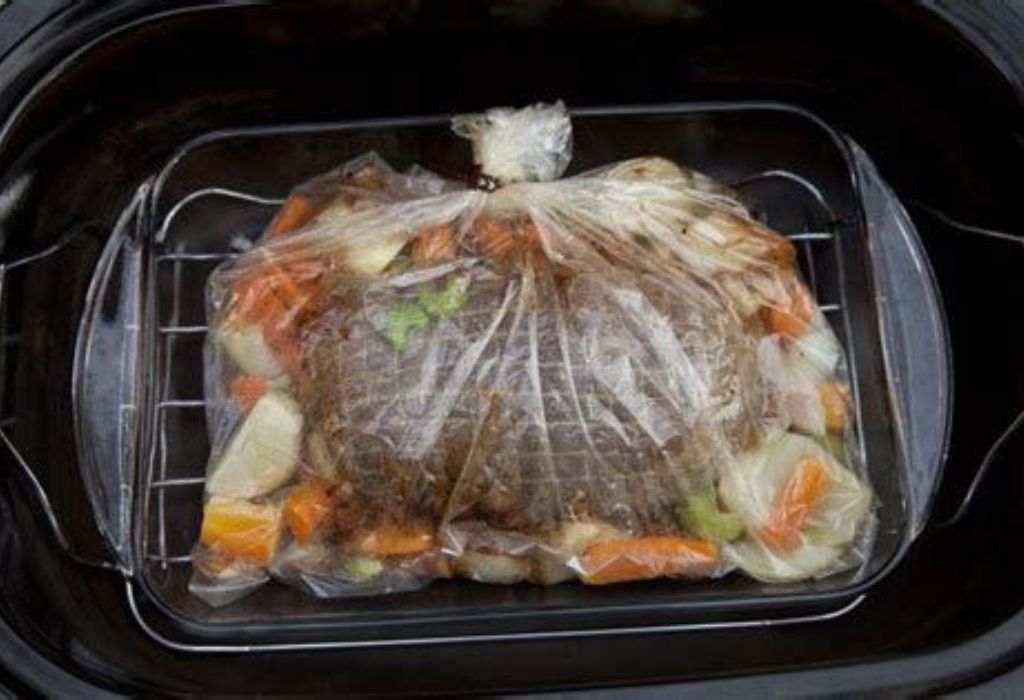
Oven cooking bags are heat-resistant plastic bags designed specifically for oven use. They are made from food-safe materials that tolerate high roasting temperatures. These bags are commonly used for cooking meats, poultry, and vegetables.
The most common material used in oven cooking bags is heat-stable nylon. This nylon does not melt at normal roasting temperatures. It remains intact while trapping moisture and heat inside.
Oven cooking bags are not the same as regular plastic storage bags. Storage bags melt quickly under heat and release harmful fumes. Oven bags are engineered to stay stable during cooking.
These bags typically come rolled or folded inside boxed packages. Each bag is single-use and disposable. Users place food directly inside the bag before sealing it.
Small ventilation slits are usually cut into the bag before cooking. These slits allow controlled steam release as pressure builds. Without slits, the bag can burst during cooking.
In simple terms, oven cooking bags act as sealed roasting chambers. They hold in moisture while allowing light browning. This creates tender results with minimal cleanup.
How Oven Cooking Bags Work
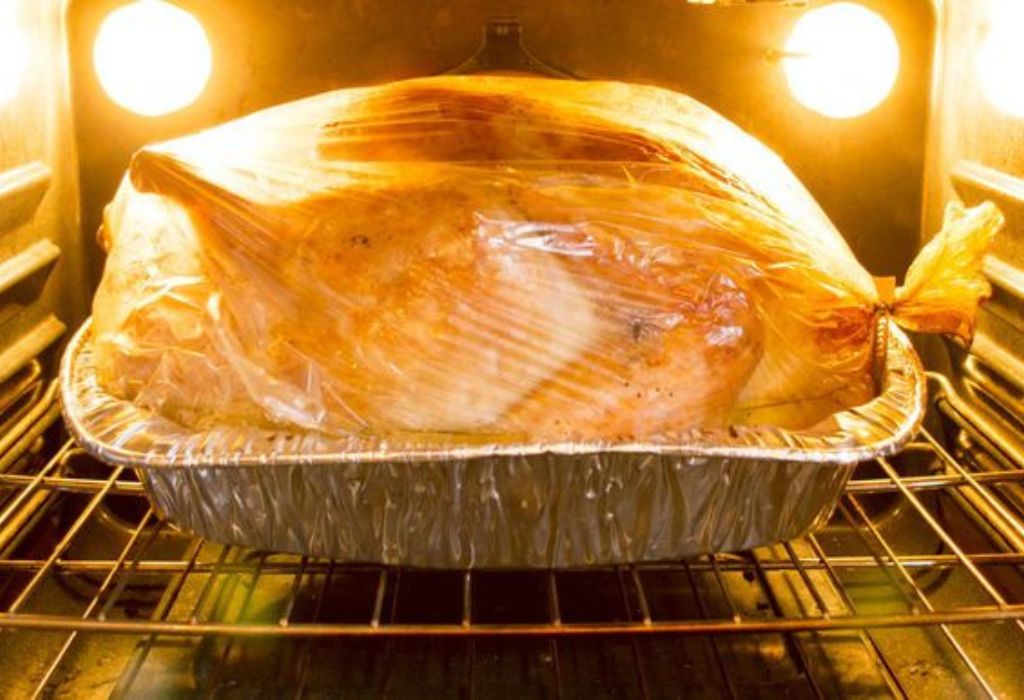
Oven cooking bags work by trapping heat and moisture around the food as it cooks. When placed in the oven, the bag inflates slightly as steam builds inside. This steam circulates around the food, cooking it evenly.
The trapped moisture prevents excessive evaporation from the food surface. This keeps meats and vegetables juicy throughout the cooking process. Dry heat is converted into a moist cooking environment.
As heat circulates inside the bag, food cooks faster than in open roasting. The enclosed air heats quickly and transfers energy efficiently. This shortens overall cooking time in many cases.
Ventilation slits control internal pressure within the bag. Steam escapes slowly without bursting the plastic. This maintains safe internal conditions while cooking.
Light browning can still occur inside the bag. The bag surface allows radiant heat to penetrate. However, the level of crisping is lower than open roasting.
Overall, oven cooking bags transform dry oven heat into a controlled steam roasting environment. This combination delivers tender texture and uniform doneness. That is the core working principle behind their performance.
Types of Oven Cooking Bags
Standard oven cooking bags are designed for everyday roasting tasks. They are sized for chicken, turkey breast, roasts, and vegetables. These bags fit most home ovens easily.
Large turkey oven bags are designed for whole holiday birds. They offer extra interior volume and reinforced thickness. This allows safe cooking of very large masses of food.
Some oven bags come pre-seasoned or pre-coated with flavor enhancers. These versions include herbs or salt blends integrated into the bag. This simplifies preparation for beginners.
Heavy-duty professional oven bags are also available. These bags withstand higher continuous temperatures. They are often used in catering and commercial kitchens.
Microwave-safe cooking bags are different from oven cooking bags. They use thinner materials for lower heat exposure. These must not be confused with true oven bags.
Types of oven cooking bags differ mainly in size, thickness, and temperature tolerance. Choosing the correct type ensures both cooking success and safety. Proper selection always matches food size and oven heat level.
Are oven cooking bags safe to use in the oven?
Yes, when used exactly as directed with proper ventilation slits.
Can I use regular plastic bags instead of oven cooking bags?
No, regular plastic bags melt and release harmful fumes.
Do oven cooking bags reduce cooking time?
Yes, trapped heat and moisture often shorten roasting time.
Can oven cooking bags burst while cooking?
Yes, if ventilation slits are not made before cooking.
Are oven cooking bags reusable?
No, they are designed for single-use only.
Foods That Are Best Cooked in Oven Bags
Whole chicken is one of the most common foods cooked in oven bags. The trapped steam keeps the meat juicy and tender. Even thick breast portions cook evenly without drying.
Turkey roasts perform very well inside oven cooking bags. Large birds stay moist throughout long roasting times. The bag prevents surface overbrowning before the inside is done.
Beef and pork roasts also benefit from the sealed moisture environment. Tough muscle fibers soften more effectively during slow heat exposure. The result is tender slicing texture.
Vegetables cook uniformly when combined with meats in oven bags. Root vegetables absorb flavorful juices from the roast. This enhances taste without added oil.
Fish can be cooked in smaller oven bags with added herbs and seasonings. Gentle steam preserves delicate flesh structure. Overcooking risk is significantly reduced.
Oven cooking bags work best with foods that benefit from moist heat. They are ideal for dense proteins and long roasting sessions. Dry baking foods are less suitable for bag cooking.
Benefits of Using Oven Cooking Bags
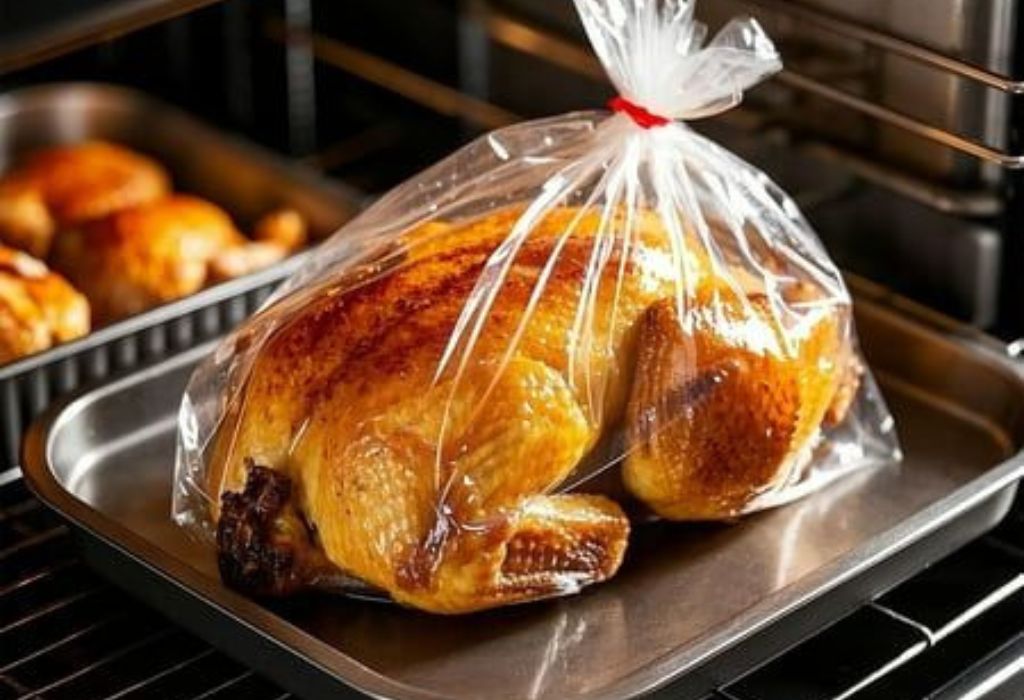
The biggest benefit of oven cooking bags is moisture retention. Food remains juicy throughout the cooking process. Drying and shrinking are greatly reduced.
Cooking time is often shorter when using oven bags. Trapped heat circulates more efficiently around food. This accelerates internal temperature rise.
Cleanup becomes much easier when using oven bags. Grease and drippings remain inside the bag. Oven walls stay clean after cooking.
Flavor retention improves due to trapped seasoning vapors. Spices and aromatics remain close to the food. This intensifies taste naturally.
Fat rendering collects at the bottom of the bag instead of spreading. This prevents greasy splatter and smoke. Reduced mess improves kitchen safety.
Oven cooking bags create a controlled micro-cooking environment. They simplify roasting for beginners. Consistency improves across repeated cooking sessions.
Do oven cooking bags make food healthier?
They reduce added oil but do not change the natural fat content of food.
Can I cook vegetables only in an oven bag?
Yes, vegetables cook evenly and retain moisture in oven bags.
Do oven bags affect seasoning flavor?
Yes, flavors remain trapped and become more concentrated.
Is cleanup easier with oven cooking bags?
Yes, grease and drippings stay inside the bag.
Do oven bags shorten cooking time significantly?
Yes, many roasts cook faster due to trapped heat.
Common Mistakes When Using Oven Cooking Bags
Forgetting to cut ventilation slits is the most dangerous mistake. Steam pressure builds rapidly without release. This can cause the bag to burst suddenly.
Placing the bag directly on the oven rack is another common error. Bags should always sit inside a roasting pan. Direct rack placement risks melting and leaks.
Using sharp utensils to stir inside the bag damages the plastic. Punctures allow steam to escape uncontrolled. This defeats the purpose of bag cooking.
Overfilling the bag restricts internal airflow. Food pieces press against each other and cook unevenly. Proper spacing is necessary inside the bag.
Exceeding recommended temperature limits weakens the bag material. High heat increases melt risk and fumes. Temperature guidelines must always be followed.
Avoiding these mistakes ensures safe and effective use of oven cooking bags. Nearly all failures come from improper preparation. Correct setup prevents accidents.
Safety Guidelines for Oven Cooking Bags
Oven cooking bags should only be used at temperatures specified by the manufacturer. Most are rated for up to standard roasting heat. Exceeding limits increases material failure risk.
The bag must always be placed inside a sturdy roasting pan. This supports the bag as it inflates. The pan also catches any unexpected leakage.
Cutting small steam vents is mandatory before baking. These vents regulate internal pressure safely. Sharp scissors should be used carefully.
Bags should never come into direct contact with heating elements or oven walls. Contact with extreme surfaces weakens plastic structure. Proper centering inside the oven is essential.
Children should not be present when cutting open hot oven bags. Steam release causes sudden expansion and heat exposure. Scalding risk is high at that moment.
Following safety guidelines ensures oven cooking bags remain a helpful tool. Ignoring precautions introduces unnecessary danger. Controlled use protects both food and users.
Can oven cooking bags catch fire?
Only if exposed to direct heating elements or extreme temperatures.
Is it safe to open the bag immediately after cooking?
No, steam should be allowed to escape slowly to avoid burns.
Do oven bags release harmful chemicals?
No, they are made from food-safe heat-stable nylon.
Can oven bags touch oven walls?
No, they must stay centered away from heating surfaces.
Is a roasting pan required for oven bags?
Yes, the pan supports the inflated bag and catches drippings.
Cleaning and Disposal of Oven Cooking Bags
Oven cooking bags are designed for single-use only. They should never be reused after cooking. Reheating weakens the material structure.
After cooling, the bag should be lifted carefully from the roasting pan. Any remaining grease may still be hot. Gloves reduce burn risk during disposal.
Bags should be discarded in regular household trash. They should not be drained into sinks while hot. Grease solidifies and clogs plumbing.
Roasting pans used with oven bags require minimal cleaning. Most drippings remain inside the bag. A light wash usually removes any residue.
Oven interiors also stay cleaner when using bags. Splatter is greatly reduced. This lowers frequency of deep oven cleaning.
Proper disposal keeps kitchen hygiene high. It also maintains plumbing health. Single-use design simplifies post-cooking management.
Oven Cooking Bags vs Traditional Roasting Methods
Traditional open roasting allows full surface browning. Air exposure crisps skin and vegetables deeply. This produces stronger roasted flavor notes.
Oven cooking bags prioritize moisture retention over surface crispness. Skin does not brown as aggressively inside the bag. The result is softer texture.
Open roasting creates more grease splatter in the oven. Oven bags contain all drippings completely. Cleanup effort differs dramatically between methods.
Cooking time is usually shorter with oven bags. Trapped heat speeds up internal temperature rise. Traditional roasting relies on slower surface heat transfer.
Flavor development differs between the two methods. Open roasting promotes caramelization reactions. Oven bags emphasize natural meat and herb flavors.
Both methods serve different cooking goals. Oven bags aim for tenderness and simplicity. Traditional roasting focuses on texture and browning depth.
Do oven cooking bags replace traditional roasting completely?
No, both methods serve different cooking styles and results.
Is browning better in open roasting?
Yes, direct air exposure produces better surface crisping.
Are oven bags better for beginners?
Yes, they simplify moisture control and cleanup.
Does open roasting take longer?
Yes, it usually takes more time than bag roasting.
Is flavor stronger in oven bags or open roasting?
Open roasting creates stronger caramelized flavors.
Conclusion
Oven cooking bags are specially designed heat-resistant nylon bags used for moist, mess-free roasting. They create a sealed environment that traps steam and heat. This transforms dry oven heat into controlled moist cooking.
Their working principle relies on steam circulation inside the inflated bag. Moisture retention prevents food from drying out. Cooking becomes faster and more uniform.
Different types of oven cooking bags serve different food sizes and heat requirements. Proper selection ensures safety and performance. Mistakes usually come from using the wrong bag size or skipping ventilation steps.
Oven cooking bags offer clear benefits such as reduced cleanup, shorter cooking time, and improved juiciness. They are especially effective for meats and large roasts. Vegetables also cook evenly inside the sealed environment.
Safety depends entirely on following temperature limits, using proper roasting pans, and keeping bags away from heating elements. Proper handling prevents burns and plastic damage. Controlled use ensures reliable results.
Understanding what oven cooking bags are helps home cooks decide when and how to use them. They are not magic tools but practical solutions for specific cooking goals. When used correctly, they become a valuable addition to everyday roasting.

I’m Emma J. Caldwell, the founder, lead writer, and home-cooking enthusiast behind KitchenGuideCo.com. With a background in culinary arts and over a decade of cooking experience in both professional and personal kitchens, I created this platform to demystify recipes, offer smart kitchen gadget reviews, and guide readers through meal prep with confidence and clarity.