The sound of a powerful blender cutting through ice and frozen fruit is the heartbeat of every Tropical Smoothie Café. Within seconds, fresh ingredients transform into creamy, perfectly balanced drinks that keep customers coming back for more.
Many smoothie lovers wonder what blenders do Tropical Smoothie use to achieve that signature texture every single time. The secret lies not only in the ingredients but in the technology driving the blending process.
In a fast-paced café, a single second can make the difference between a smooth drink and a chunky disappointment.
Tropical Smoothie’s franchise reports that smoothies account for nearly 60% of total sales in their stores, showing how critical blending performance is to customer satisfaction (Tropical Smoothie Franchise).
According to a case study by Foodservice Equipment & Supplies Magazine, upgrading from 2-horsepower to 3-horsepower blenders helped increase service speed and product consistency across multiple locations (FESmag).
The pursuit of the perfect blend is not about guessing which brand they use, but understanding what makes those machines capable of high-volume performance and silky-smooth results. From motor power and jar design to noise control and cooling systems, every detail affects the outcome.
Defining the Setup – What Blenders Do Tropical Smoothie Use?

Behind every creamy, perfectly balanced smoothie at Tropical Smoothie Café lies a high-powered blending system built for speed and precision.
These cafés don’t rely on regular kitchen blenders but on commercial-grade machines designed for long hours, heavy loads, and flawless consistency.
Each blender must handle hundreds of frozen fruit and ice batches daily without overheating or slowing down. For that reason, most Tropical Smoothie locations use 3-horsepower commercial blenders, a step up from the 2-hp units used years ago. This upgrade allowed stores to cut blend times and achieve smoother textures.
According to Foodservice Equipment & Supplies Magazine, the switch to higher-horsepower machines was key to improving service speed and drink uniformity (source).
Brands like Vitamix and Blendtec Commercial are commonly linked to this setup, thanks to their powerful motors, hardened steel blades, and reliable performance in high-volume environments.
However, horsepower alone doesn’t define performance. The jar and blade design determine how efficiently ingredients circulate, preventing chunks or air pockets.
Tropical Smoothie-style blenders typically feature 48–64 oz BPA-free containers with wide bases and stacked blades that create a strong vortex, ensuring even blending from top to bottom.
Durability and temperature control are just as crucial. These blenders are equipped with cooling systems and thermal protection that allow continuous operation during rush hours.
Noise reduction also matters since most cafés use an open counter setup; sound shields and insulated stations help maintain a calm customer atmosphere without sacrificing power.
The entire blending area is built for workflow efficiency. Ice bins, fruit prep tables, and blenders are placed within arm’s reach so staff can load, blend, and pour in seconds. This design minimizes downtime, keeps service smooth, and supports the brand’s promise of fast, fresh smoothies.
In essence, what blenders do Tropical Smoothie use tells a bigger story about operational design. Every component—from horsepower to jar geometry—works together to deliver consistent texture and speed.
For home users, replicating that café quality means choosing a blender with at least 1000–1500 watts, durable blades, and a jar that promotes circulation. While you may not need a commercial model, understanding these specifications helps bridge the gap between kitchen convenience and professional performance.
Tropical Smoothie’s choice of blenders reflects a simple truth: great results come from great equipment. Their blending system is not about brand names but about the perfect balance of power, precision, and endurance that turns fresh fruit and ice into flawless, café-quality smoothies every time.
Defining the Setup – What Blenders Do Tropical Smoothie Use?
Every perfectly smooth drink at Tropical Smoothie Café begins with a high-powered commercial blender built for nonstop performance. These machines aren’t regular kitchen tools; they’re designed for speed, consistency, and endurance in busy café environments.
A typical location blends hundreds of drinks daily, which demands heavy-duty equipment. Most stores now use 3-horsepower commercial blenders, upgraded from older 2-hp models to boost speed and ensure uniform texture. This move reduced blend time and improved drink quality.
According to Foodservice Equipment & Supplies Magazine, this horsepower upgrade significantly increased service efficiency and product consistency (source). Brands like Vitamix and Blendtec Commercial are often mentioned in industry discussions because of their reliability, blade strength, and powerful motors suited for high-volume blending.
Power alone doesn’t guarantee a perfect smoothie. The jar and blade design play an equally vital role. Large 48–64 oz BPA-free containers with wide bases and stacked blades create a strong vortex, pulling frozen fruit and ice evenly toward the blades for a silky finish.
These commercial units also feature cooling systems and thermal protection, allowing continuous operation during rush hours. Since cafés often have open layouts, sound shields help control noise, keeping the atmosphere calm without losing efficiency.
Tropical Smoothie’s setup focuses on workflow precision as much as equipment power. Ice bins, fruit trays, and blenders are arranged side by side so staff can load, blend, and serve quickly. This organization saves time and keeps service flowing smoothly.
For anyone trying to recreate that café-quality texture at home, the takeaway is simple. Choose a blender with at least 1000–1500 watts, strong blades, and a wide jar that promotes circulation. While home models can’t match commercial power, these features deliver near-identical smoothness and consistency.
Tropical Smoothie’s blender choice proves that professional results depend on more than ingredients. It’s the combination of power, precision, and design that transforms frozen fruit and ice into the creamy smoothies customers love.
The Common Challenges in Smoothie Production
Creating smoothies on a large scale may look effortless, but it’s a balancing act of time, texture, and technique. The blenders used at Tropical Smoothie Café are chosen specifically to overcome the common problems that occur when blending frozen ingredients all day long.
One of the biggest challenges is handling ice and frozen fruit efficiently. If a blender lacks power or proper jar design, the mixture can turn grainy or separate quickly.
Tropical Smoothie’s commercial units are built to crush dense ingredients without leaving chunks, ensuring a smooth texture every time.
The next issue is speed of service. In a busy café, every second matters. During peak hours, staff may prepare dozens of drinks back-to-back, and slow blending cycles can lead to long lines and frustrated customers.
A high-horsepower blender eliminates this bottleneck by blending each drink within seconds while maintaining quality.
Consistency is another crucial factor. Customers expect the same taste and texture with every order, whether they visit once a week or every morning. Machines with strong motors, balanced blades, and consistent RPM control help maintain uniform results across hundreds of blends.
Temperature control is also essential. Extended blending can generate heat, which may melt ingredients or alter taste. To counter this, Tropical Smoothie’s blenders feature cooling systems and thermal safeguards that keep the motor cool and performance stable even during non-stop operation.
Noise can be an unexpected problem in café environments. The loud roar of a blender can disturb the calm, social atmosphere.
For that reason, many Tropical Smoothie locations use sound-dampening enclosures, which reduce noise while preserving power output, creating a more pleasant customer experience.
Finally, maintenance and durability determine long-term efficiency. Café blenders endure thousands of cycles each week, so durable components, replaceable blades, and easy-clean jars are essential. Choosing heavy-duty machines helps reduce downtime and extends the life of expensive equipment.
Overcoming these challenges is what separates commercial-grade blenders from household models. Tropical Smoothie’s setup proves that success comes from combining the right technology, speed, and consistency to deliver smooth, high-quality drinks throughout every busy shift.
Key Specifications in the Blenders They Use (and What to Look For)
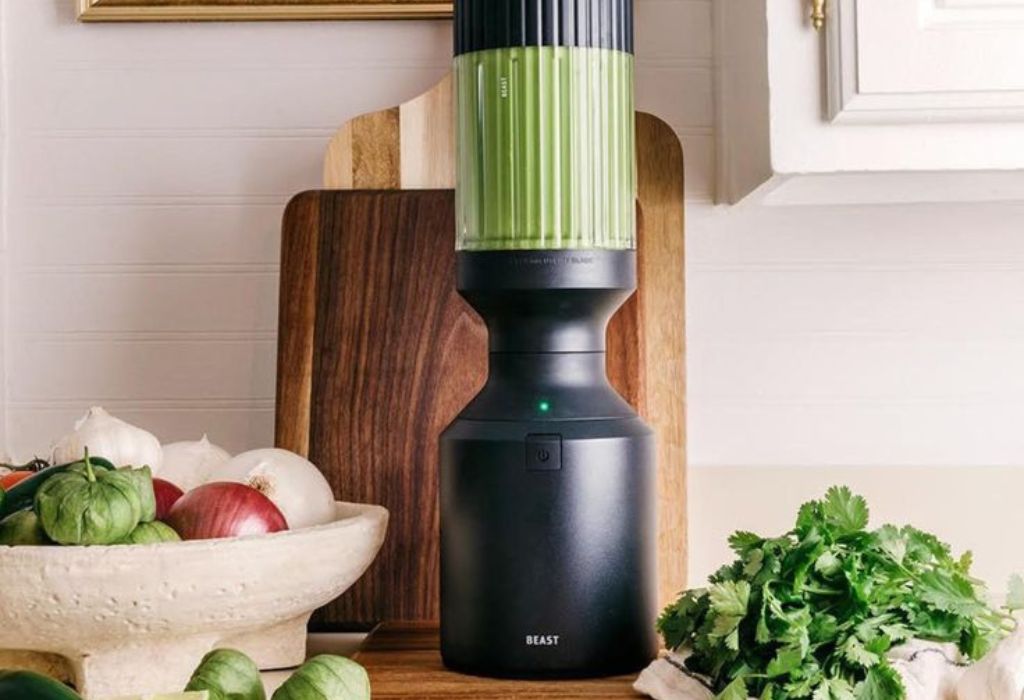
Understanding the key specifications behind what blenders do Tropical Smoothie use helps explain how they consistently produce thick, creamy smoothies at high speed.
These blenders aren’t chosen by chance; they’re selected for their motor strength, blade design, cooling systems, and noise control—features that guarantee dependable results day after day.
Motor Power and Horsepower
The driving force behind every commercial blender is its motor. Tropical Smoothie cafés typically rely on 3-horsepower units, capable of blending dense frozen fruit and ice in seconds.
A higher horsepower means faster blending and smoother texture, but it also reduces strain on the motor, extending equipment life.
According to Foodservice Equipment & Supplies Magazine, upgrading from 2 hp to 3 hp blenders significantly improved speed and consistency across multiple franchise locations (source). For home use, a blender with 1000–1500 watts of power can deliver similar smoothness on a smaller scale.
Jar and Blade Design
Jar geometry and blade shape are equally critical. Most café models feature 48–64 oz BPA-free containers with wide bases that create strong vortex motion. This design pulls ingredients toward the blades, eliminating air pockets and preventing uneven blending.
Hardened stainless-steel blades slice through ice and frozen fruit easily, ensuring a silky texture every time.
Blenders used at Tropical Smoothie are also built for efficiency. Their containers are durable, easy to clean, and shaped to minimize residue buildup, which saves time during rush periods. The combination of sharp blades and a wide jar base is what maintains that signature creamy consistency.
Cooling, Duty Cycle, and Noise
Since these blenders run almost nonstop, motor cooling and duty cycle are major factors. Built-in fans and thermal protection keep the machines running safely for long hours without overheating. This feature ensures consistent performance even during the busiest shifts.
Noise management is another consideration. Many cafés use sound-shield enclosures to reduce blending noise, creating a better atmosphere for customers while still maintaining power and speed. The quiet operation contributes to the professional, relaxed vibe of the store.
Why These Specs Matter
All these specifications combine to form a powerful, durable, and customer-friendly blending system. Whether you’re running a café or blending at home, choosing a machine that matches these specs guarantees faster results, smoother textures, and longer equipment life.
How to Choose a Blender (Home or Commercial) Based on These Insights
Knowing what blenders do Tropical Smoothie use provides a valuable blueprint for choosing the right equipment, whether for a café or home kitchen. The ideal blender depends on how often it’s used, the volume of ingredients, and the type of smoothies being made.
Choosing for Home Use
Home users who want to recreate that café-quality texture should focus on three main features: power, jar design, and blade strength. A blender with at least 1000–1500 watts of power is essential for crushing ice and frozen fruit smoothly. Anything less often leaves chunks or inconsistent texture.
Jar shape plays a huge role in blending performance. Wide, vented containers allow ingredients to circulate freely and prevent stalling. Models with 48–64 oz jars are ideal for families or regular smoothie drinkers.
Durable stainless-steel blades, a sturdy base, and preset blending programs further simplify the process.
Another factor is noise and maintenance. Blenders that offer rubber bases, secure lids, and self-cleaning functions make blending less messy and more convenient. A sound-dampening cover is a great bonus if you prefer quieter operation during early mornings.
Investing in a quality blender might seem costly at first, but the results justify it. You’ll save time, enjoy smoother textures, and extend the lifespan of your machine.
Choosing for Commercial Use
For cafés or smoothie businesses, performance and reliability outweigh every other factor. Commercial environments require 3-horsepower motors, heavy-duty blades, and long-duty cycles to handle back-to-back orders throughout the day.
According to Foodservice Equipment & Supplies Magazine, high-performance blenders allow Tropical Smoothie locations to process drinks faster and with more consistency (source). These machines are also paired with noise enclosures to maintain a comfortable environment for customers.
Workflow efficiency is equally important. Placing the blender beside ice bins and fruit prep stations reduces downtime and improves speed. Easy-to-clean jars and accessible controls help staff operate efficiently, even during rush hours.
While home users focus on convenience and aesthetics, café owners should prioritize longevity, cooling systems, and spare part availability. The right commercial blender not only maintains texture but also protects profits by minimizing repair costs and downtime.
In short, choosing the right blender comes down to purpose. Tropical Smoothie’s equipment shows that the best performance blends power, design, and durability — whether it’s for business efficiency or perfect smoothies at home.
Future Trends and Innovations in Smoothie Blenders

The world of blending technology is evolving rapidly, and what blenders do Tropical Smoothie use today reflects just the beginning of a larger transformation. As smoothie cafés and health-focused consumers demand better performance, new innovations are reshaping how blenders work, look, and integrate into daily life.
Smart and Connected Blenders
One of the biggest trends is the rise of smart blenders equipped with digital controls, sensors, and connectivity. In commercial spaces, this technology helps track blending cycles, monitor maintenance needs, and standardize recipes.
A connected system ensures every smoothie is blended at the exact speed and duration, delivering consistent results across all franchise locations.
For home users, smart features like mobile apps, auto-programming, and voice control make blending easier than ever. These advancements not only simplify operations but also prevent over-blending or overheating, extending the blender’s life.
Sustainable and Energy-Efficient Design
Sustainability is becoming a priority for both manufacturers and consumers. New commercial models use energy-efficient motors that consume less electricity without reducing performance. Some brands also design recyclable jars and biodegradable packaging to minimize environmental impact.
Tropical Smoothie’s commitment to long-lasting equipment aligns with this trend. Investing in durable blenders reduces waste and supports a more sustainable workflow over time. For eco-conscious users, choosing a high-efficiency model means less power consumption and lower operating costs.
Improved Noise Reduction and Cooling Systems
Another area of innovation lies in comfort and usability. Modern commercial blenders feature advanced cooling fans and heat-resistant components that keep performance consistent even under heavy use. Noise-reduction enclosures are becoming sleeker and more effective, allowing cafés to maintain a calm environment without sacrificing speed.
This focus on quieter blending also appeals to home users who want professional performance without the disruptive sound. Manufacturers are increasingly finding ways to balance power with peace.
Evolving Materials and Durability
Future blenders are expected to last longer, with reinforced drive sockets, stronger blades, and impact-resistant jars. These upgrades reduce maintenance costs and ensure reliability for both cafés and households. The goal is not just power, but endurance and ease of operation.
Looking Ahead
The future of blending goes beyond horsepower—it’s about intelligence, sustainability, and user experience.
Tropical Smoothie’s choice of reliable, high-performance equipment already mirrors where the industry is heading: smarter, stronger, and more efficient blenders built to deliver perfect smoothies with every spin.
Conclusion
The secret behind what blenders do Tropical Smoothie use goes far beyond brand names or marketing. It’s about power, precision, and the ability to deliver perfect texture under constant pressure.
Every smoothie that leaves the counter reflects a system engineered for performance — from 3-horsepower motors to wide-base jars and durable stainless-steel blades.
This blending setup ensures that frozen fruit, ice, and liquid ingredients merge into a smooth, consistent texture every single time. The combination of power and design not only improves drink quality but also increases service speed and efficiency.
These machines are built to handle heavy workloads while maintaining the brand’s promise of freshness and flavor.
For café owners, the takeaway is clear. Investing in a high-performance blender pays off in faster service, happier customers, and lower maintenance costs. Equipment reliability becomes a key part of business success, not just a kitchen tool.
For home users, understanding these specifications opens the door to recreating that same café-quality texture. A powerful motor, durable blades, and an efficient jar design can turn your kitchen into a smoothie station that rivals professional cafés.
As blending technology evolves, expect smarter, quieter, and more energy-efficient machines to dominate both commercial and home kitchens. The essence, however, remains the same — the right equipment turns fresh ingredients into something exceptional.
In the end, Tropical Smoothie’s success story proves one thing: smooth results come from smart design. Choosing a blender that blends speed, power, and precision is the key to creating smoothies that look and taste just as good as those from your favorite café.

I’m Emma J. Caldwell, the founder, lead writer, and home-cooking enthusiast behind KitchenGuideCo.com. With a background in culinary arts and over a decade of cooking experience in both professional and personal kitchens, I created this platform to demystify recipes, offer smart kitchen gadget reviews, and guide readers through meal prep with confidence and clarity.